

Getting paid the right amount on time is something every worker deserves.
But many employees never see the paperwork that spells out their pay rate, payday, or how they’re paid until something feels wrong.
That’s where a wage theft prevention notice comes in. It’s a simple document, but it plays a big role in keeping pay fair from day one.
If you’re an employer, you want to get this right. If you’re an employee, you just want to know what you’re owed.
This blog breaks down what you need to know, in simple terms, so nothing catches you off guard
What is a Wage Theft Prevention Notice?
A wage theft prevention notice is a paper that tells a worker how much they will get paid; it’s not the same as a job offer; it’s simpler.
It tells you your pay rate, when payday is, and how you get paid, like by the hour, by salary, or by tips. The idea is easy: no one should be confused about their pay later.
This rule comes from a law called the Wage Theft Prevention Act, or WTPA for short. It was made because some bosses were paying workers less than they promised or changing pay without telling them.
That’s not fair, so now everything about pay has to be written down and given to the worker. This way, both the boss and the worker have proof of what was agreed, just in case there’s ever a problem.
Who Must Receive a Wage Theft Prevention Notice?
Almost every worker who gets a new job at a private company must get this notice. It doesn’t matter if the job is full-time, part-time, or seasonal.
Your boss has to give you this paper before your first day, or right when you start, as part of the broader new-hire onboarding steps most employers already have in place.
A few workers don’t need this notice. People who work for the government, like at a city or state office, are usually left out.
Workers under a union contract might not need one either, if their contract already covers these details. But here’s a fact many people don’t know.
Private schools, charter schools, and non-profit groups still have to follow this rule. The law treats them like regular businesses. So if someone works at one of these places, they should still get a proper notice about their
Information Must Be Included in the Notice
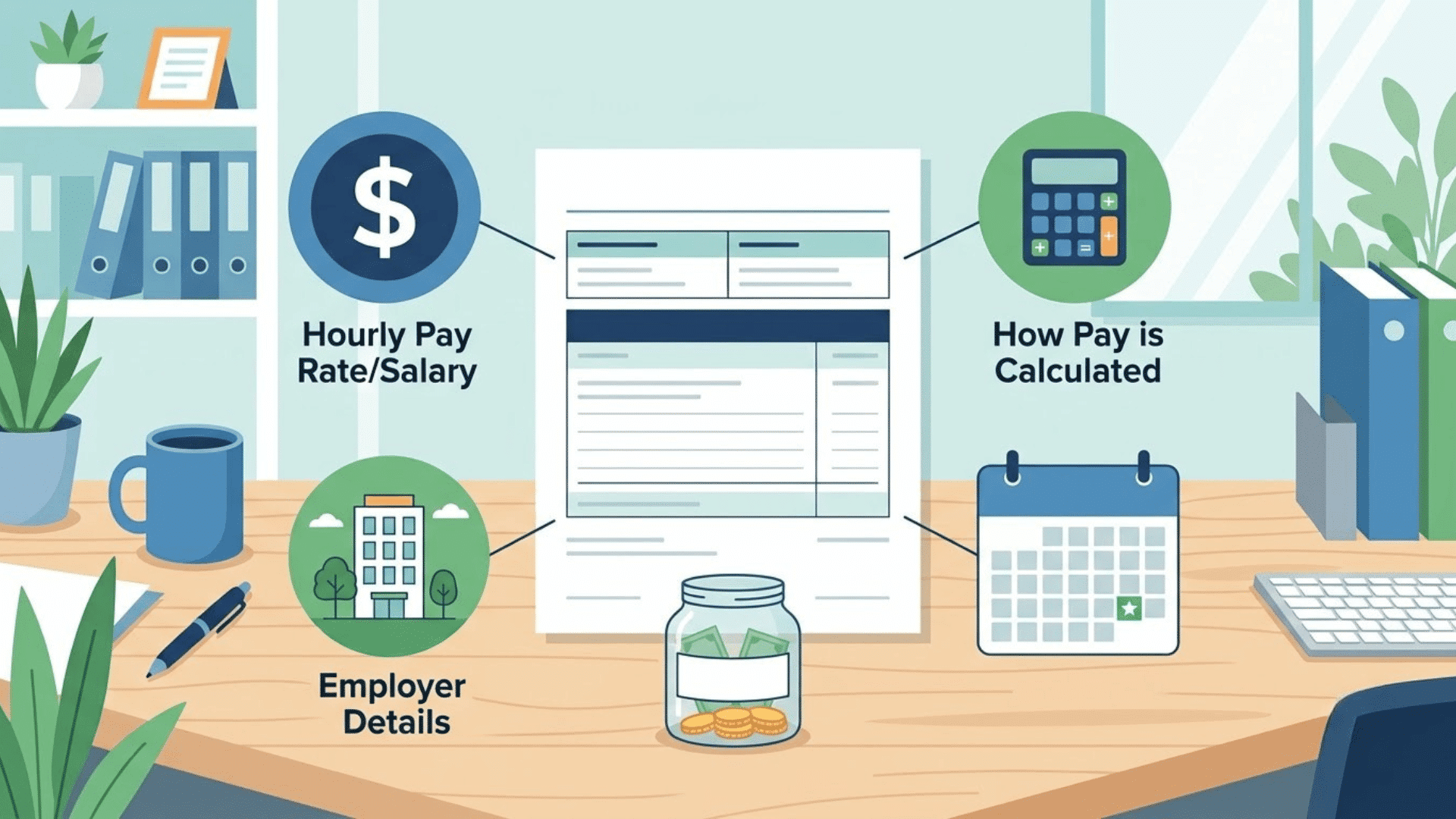
A wage theft prevention notice isn’t just a formality; it needs to cover a few key details to actually protect a worker’s pay. Here’s what it must include.
1. Rate of Pay
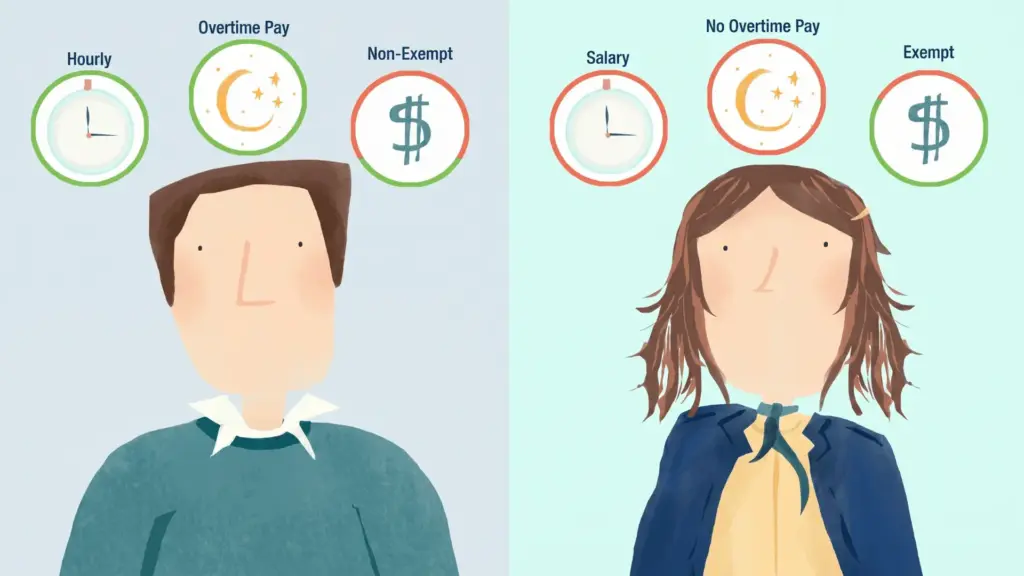
The notice must show exactly how much a worker earns. This means the regular pay rate and the overtime rate, too, if the job qualifies for overtime, which usually depends on overtime eligibility rules tied to how the position is classified.
If a worker’s pay changes based on the type of work, like a different rate for weekends or holidays, that should be listed as well.
2. How the Pay is Calculated
The notice must explain how the worker gets paid. This could be by the hour, a fixed salary, a piece rate, a commission, or a mix of these, and the method often traces back to 1099 vs. W-2 pay structures set at hire.
Knowing this helps a worker understand exactly how their paycheck is worked out each time.
3. Regular Payday
The notice must state the exact day the worker gets paid, like every Friday or the 1st and 15th of the month. This helps workers plan their money and know when to expect it.
4. Employer’s Business Details
The notice must include the employer’s legal business name and any other name the business uses, like a doing business as (DBA) name.
It should also list the business address and phone number, so the worker knows exactly who they work for and how to reach them if needed.
5. Allowances Claimed by the Employer
Sometimes, employers count things like tips, meals, or a place to stay as part of a worker’s pay.
If this applies, the notice must clearly say what’s being counted and how much it’s worth. This way, workers know if part of their pay isn’t just cash in hand.
Need a copy for reference? Click here to download the sample Wage Theft Prevention Notice.
When Employers Must Give the Notice?
An employer must give this notice right when a worker joins, before their first day or on the very first day of work. This way, the worker knows their pay details before they even begin the job.
In places like New York, this notice used to be required every year too, by February 1st. That yearly rule has since been removed for most employers.
If a worker’s pay changes, like a raise, a new pay rate, or a different payday, the employer must share this update within 7 days of the change, since ignoring legal pay reduction rules can create liability well beyond the missing notice itself.
This applies only if the change isn’t already shown on the worker’s next pay stub. In jobs like restaurants or hotels, any pay rate change requires fresh notice, since pay can shift often.
Penalties for Not Providing the Notice
Daily Fines Add Up Fast
Employers can be fined for each day they fail to provide the required notice, and these fines continue to accrue until the notice is provided.
Maximum Fine Per Worker
Many states cap the penalty per employee, but that cap can still reach thousands of dollars if the notice is delayed for too long.
Lawsuits from Employees
Workers who never received proper notice can file a legal claim against their employer, seeking damages for the missing paperwork.
Extra Damages for Pay Stub Violations
If the missing notice is paired with incorrect or missing pay stub information, the employer may face additional penalties in addition to the notice fine.
Liability Even Without Harm
An employer can be penalized simply for failing the give notice, even if the worker was paid correctly and fairly.
State Investigations
Repeated violations can trigger a formal investigation by the state’s Department of Labor, which may lead to bigger fines or stricter oversight.
Damaged Business Reputation
Beyond fines, a business that repeatedly ignores this law risks public complaints, bad reviews, and a harder time hiring trustworthy workers in the future.
Wrapping It Up
A wage theft prevention notice is a small paper that protects both workers and employers. It keeps pay clear from day one, so no one is left guessing about rates, paydays, or how they’re being paid.
For employers, giving this notice on time means avoiding fines and legal trouble. For workers, it means knowing exactly what you’re owed and having proof if something ever feels wrong.
Rules can change, and pay details shift too, so it helps to have this information handy whenever you need it.
Save this page and come back to it anytime you have a question about your pay notice or your rights at work.
Frequently Asked Questions
Is a Wage Theft Prevention Notice Legally Required in Every State?
No. Only some states, like New York and California, require it. Rules vary, so it’s best to check your state’s laws.
Can an Employer Use Their Own Notice Format?
Yes, as long as it includes all required details. Many employers still use official state templates since they’re already approved.
What Happens if Pay Information Changes Mid-Job?
The employer must share the update within 7 days, unless it’s already shown on the next pay stub. Restaurants and hotels need a new notice each time pay rates.