

A part-time job that loads trucks before sunrise doesn’t sound like a career move. Then you see the health plan, the pension, and the tuition money.
Suddenly it makes sense why people stay for decades. UPS is known for parcels, but its real draw for many workers is what comes attached to the paycheck.
That’s where UPS benefits earn their reputation, often matching or beating what salaried roles offer.
In this post, you’ll learn what’s covered, from healthcare and retirement to paid time off, tuition help, and discounts.
You’ll also see how part-time job and full-time coverage differs, when benefits kick in, and how to manage everything through the official UPSers portal.
What Is UPS and What Does the Company Do?
United Parcel Service, better known as UPS, is one of the largest package delivery and logistics companies in the world.
Founded in 1907, it started as a small messenger service and grew into a global operation spanning air, ground, and freight transport.
Today, UPS moves millions of packages daily across more than 220 countries and territories.
- Core business: package delivery, freight shipping, and supply chain logistics
- Workforce: one of the largest employers in the U.S., with a mix of union and non-union roles
- Union presence: many drivers and warehouse workers are represented by the Teamsters
- Common roles: package handlers, drivers, sorters, and seasonal warehouse staff
That scale and union structure shape why the company can offer the kind of coverage explored next.
A Closer Look at UPS Employee Benefits

The overview covers the basics, but each benefit has its own rules and value. Here is a closer breakdown of what health, retirement, tuition, time off, and pay perks actually offer:
1. Health and Insurance Coverage
Healthcare is the headline perk. UPS offers medical, dental, vision, and behavioral health coverage, plus prescription drugs.
For Teamsters-represented employees, both full-time and part-time, the standout is $0 in monthly premiums, with low or no copays.
That means a part-time loader can cover a whole family without a premium deducted from each check. Non-union and management staff have separate plans that usually involve some contribution.
2. Retirement: Pension and 401(k)
Retirement support comes in two parts. Teamsters-represented employees earn a defined-benefit pension, which is rare today, especially for part-time workers.
On top of that, UPS offers a 401(k) plan, often with employer matching, so savings can grow faster. Full-time staff typically vest in the pension after five years of service.
Part-timers can qualify too, though the payout is usually smaller and tied to hours worked.
Together, the pension and 401(k) give many employees two separate streams of retirement income.
3. Tuition Assistance
College costs are a major reason people take a UPS job. Through the Earn & Learn program and tuition reimbursement, most part-time employees can access up to $25,000 toward college, technical, or trade school.
The benefit has run for more than 25 years and covers accredited programs. Some workers use it to finish a degree; others train for a Commercial Driver’s License and move into higher-paying roles. It often turns an entry job into a real career.
4. Paid Time Off and Holidays
Time off adds up quickly at UPS. Employees earn paid vacation, paid holidays, and option days they can use flexibly.
On average, that works out to around 18 additional days off per year once holidays, sick leave, and option days are combined.
Vacation accrual usually starts after a set period of service, so newer hires build toward it.
Part-time employees receive paid time off as well, though the exact amount can depend on the local contract and hours worked.
5. Pay, Perks, Bonuses, and Discounts
Pay itself is part of the package. Part-time union employees average around $20 an hour after 30 days, with steady, scheduled shifts.
Full-time drivers earn significantly more, with total pay that climbs once benefits are counted. Beyond wages, employees get access to a discounts marketplace with savings on travel, electronics, and retail.
Some roles include stock-purchase options and referral or seasonal bonuses. These extras won’t match the value of healthcare, but they add up over the year.
UPS Benefits at a Glance
Here’s how the main benefit categories break down for part-time and full-time workers:
| Benefit category | What’s included | Part-time | Full-time |
|---|---|---|---|
| Health insurance | Medical, dental, vision, behavioral health | ✔ (after waiting period) | ✔ |
| Retirement | Pension + 401(k) | ✔ (union roles) | ✔ |
| Tuition assistance | Earn & Learn / reimbursement | ✔ | ✔ |
| Paid time off | Vacation, holidays, option days | ✔ | ✔ |
| Pay perks & discounts | Competitive wages, discounts marketplace | ✔ | ✔ |
Note: The $0-premium health coverage applies to Teamsters-represented (union) employees. Non-union and management plans differ, and details vary by role and location.
When Do UPS Benefits Start and Who Qualifies
Not all benefits begin on day one. Timing depends on the role, the location, and the local union agreement, so a few patterns help.
- Healthcare waiting period: New hires often wait several months before medical coverage starts; reported timelines commonly range from about 9 to 12 months.
- Union coverage: Teamsters-represented roles usually carry the strongest, most consistent benefits, including the $0-premium health plans.
- Non-union and management: These employees follow different plans with separate eligibility rules and some premium contributions.
- Seasonal workers: Short-term seasonal hires generally get pay but not full benefits, unless they convert to a regular role.
- Automatic vs opt-in: Some benefits begin automatically after the waiting period, while others, like the 401(k) or tuition help, require sign-up.
- How to confirm: The clearest way to check eligibility and start dates is the Benefits Resource Center or the local HR team.
Full-Time vs Part-Time UPS Benefits
The biggest surprise at UPS is how much part-time and full-time workers share. Coverage overlaps a lot, but a few real differences remain.
| Benefit | Part-time | Full-time |
|---|---|---|
| Healthcare | Same core medical, dental, and vision coverage, often with $0 premiums | Same core coverage, often with $0 premiums |
| Pension | Earned, but payouts are smaller and based on hours worked | Earned, with larger payouts |
| Wages | Lower per-hour pay than full-time roles | Higher pay, especially for drivers |
| Hours and stability | Shorter shifts, but still scheduled | More guaranteed hours |
| Tuition assistance | Available; a rare perk to extend to part-time staff | Available |
| Career path | Frequently converts to full-time, keeping benefits intact | Established, with room to advance |
How to Access and Manage Your UPS Benefits on UPSers
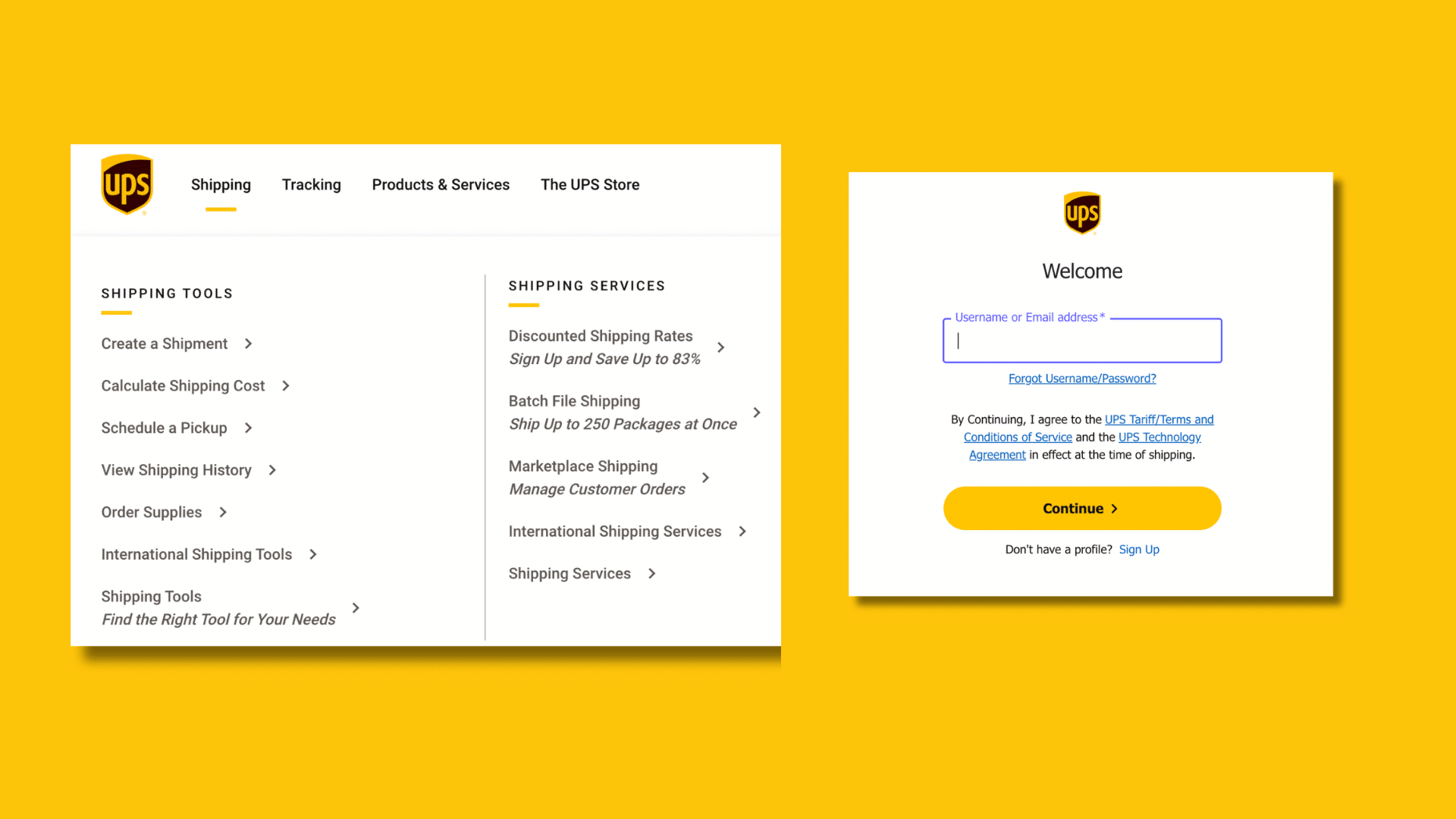
Everything is managed through one official hub. Here is how to log in, review coverage, and make changes without the guesswork.
- Go to the official site: Visit UPSers.com, the genuine portal, and avoid look-alike sites that copy the name.
- Log in or register: Enter the User ID and password; new hires register first using their Employee ID.
- Open the Benefits section: Find benefits under the HR tools to review current plans and enrollment status.
- Use the Benefits Resource Center: The BRC handles enrollment, plan details, and questions during and outside open enrollment.
- Enroll or update on time: Make elections during annual enrollment, or after a qualifying life event like marriage or a new baby.
- Get help when stuck: Contact the BRC or local HR for eligibility, deadlines, or login problems.
Conclusion
So the paycheck is only half the story. Between low-cost health coverage, a real pension, a 401(k), tuition money, and generous time off, the total value stacks up fast, and it reaches part-timers in a way few employers match.
If you’re deciding whether a warehouse or driver role fits your life, weigh the full package of UPS benefits, not just the hourly rate.
Remember that eligibility and exact plans shift with your role, location, and union contract, so confirm the specifics through UPSers and the Benefits Resource Center before you count on anything.
A short shift can quietly fund healthcare, school, and retirement all at once.
So which of these perks would actually move the needle for you? Drop a comment below and tell me what matters most in your decision.
Frequently Asked Questions
Are Seasonal UPS Employees Eligible for the Same Benefits?
Usually not. Seasonal hires mostly get pay, not the full package. If they convert to a regular role, they can qualify after the standard waiting period.
Do UPS Management and Non-Union Employees Get the Same Benefits as Union Workers?
Not identically. Management and non-union staff have separate plans, usually with some premium cost instead of the $0-premium health coverage union members receive.
Can Former UPS Employees or Retirees Still Access the Up Sers Portal?
Often yes, but with limits. Most keep read-only access for a while to reach pay records and tax documents. Access length varies, so log in soon after leaving.