

Part-time sounds simple until the schedule starts carrying real weight.
A few hours fewer than full-time job hours may seem like a small difference, but it can affect paychecks, benefits, job stability, and workers’ control over their week.
One job may call 25 hours part-time, while another may stretch the label much further. That confusion is exactly why the number matters.
So, how many hours is part-time? The answer usually starts with weekly hours, but the full picture depends on the employer, benefits rules, and workplace policy.
Is There a Legal Definition of Part-Time Work?
There is no single federal rule that says exactly how many hours count as part-time for every job. That is why the answer can change from one employer to another.
Most companies define part-time status in their own policies. One employer may treat anyone under 35 hours as part-time, while another may set the line at 30 or 32 hours.
This definition is not just a label. It can affect health insurance, paid time off, retirement plans, shift priority, and internal scheduling rules.
Before accepting or comparing a part-time job, check the offer letter, employee handbook, or HR policy.
The safest question to ask is simple: “At what number of hours does my status or benefits eligibility change?”
How Many Hours Is Part-Time in a Week?

Part-time work usually means fewer hours than a standard full-time schedule. In most workplaces, that falls somewhere between 10 and 34 hours per week.
A more typical range is 15 to 30 hours weekly, especially in retail, food service, office support, caregiving, and student jobs. Some roles may offer only a few short shifts, while others may schedule nearly full workdays across fewer days.
The number matters because hours can affect pay, scheduling stability, and access to benefits. For example, some employers keep part-time schedules below 30 hours because certain benefit rules may start to matter around that point.
So, while 20 hours is clearly part-time in most cases, 30 to 34 hours can feel closer to full-time depending on the workplace.
Part-Time vs Full-Time Hours
The tricky part is that these labels do not always line up neatly. A worker may be classified as part-time by an employer but still reach an hourly threshold that matters for benefits, especially under ACA-related rules.
That is why the job title alone is not enough. The real answer often sits in the weekly hours, the company policy, and the specific rule being applied.
| Work Status | Common Weekly Hours | Who Usually Defines It |
| Part-time | Under 35 hours | Employer policy or labor data |
| Full-time | 35 to 40 hours | Employer policy |
| ACA full-time threshold | 30+ hours weekly or 130 monthly | IRS/ACA rules |
The safest way to read the difference is simple: part-time and full-time are workplace labels, but hour thresholds can carry real consequences.
Before accepting a schedule, workers should check how the company counts hours, when benefits begin, and whether 30 or more hours changes their status.
When Part-Time Hours Affect Benefits and Overtime
Part-time hours can affect more than scheduling. They may also shape benefits, job status, and overtime pay.
| Hours | What It Usually Means |
| 20 hours/week | Usually part-time |
| 30 hours/week | May affect health benefits under ACA rules |
| Under 35 hours/week | Often counted as part-time in labor data |
| Over 40 hours/week | May trigger overtime for nonexempt workers |
The ACA uses 30 hours per week or 130 hours per month as a key point for certain health coverage rules. A worker may still be called part-time, but benefits can become a bigger issue at this level.
The 35-hour mark is often used for labor statistics, not every workplace policy. This is why one employer may call 32 hours part-time while another treats it closer to full-time.
A 20-hour week is generally part-time. It is common for students, caregivers, weekend workers, and second jobs.
A 30-hour week needs closer checking. Workers should ask whether those hours affect health insurance, paid leave, or other benefits.
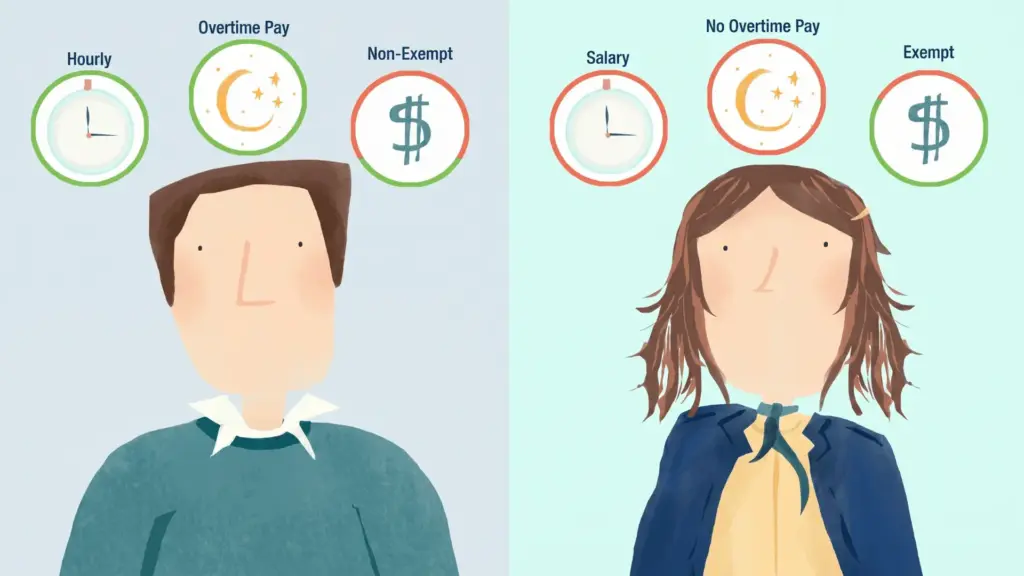
Part-time employees may sometimes work close to 40 hours. If nonexempt workers go over 40 hours in a workweek, overtime rules may still apply.
Do Part-Time Workers Get Benefits?
Part-time benefits are not automatic, but they are not impossible either. The real answer depends on the employer, location, and weekly hours.
- Company Policy Decides a Lot: Some employers offer benefits to part-time workers, while others limit them to full-time staff.
- Hours Can Change Eligibility: A worker at 10 hours a week may not get the same benefits as someone working 28 or 30 hours.
- Some Benefits May Still Apply: Paid sick leave, retirement plans, employee discounts, or limited health coverage may be available.
- State Rules Can Matter: Some states require certain protections even when an employee is part-time.
- Full-Time Workers Usually Get More: Part-time employees often receive fewer benefits or must meet stricter hour rules.
- Ask Before Accepting the Role: Check when benefits start, what hours qualify, and whether schedule changes affect eligibility.
Part-Time Hours by Situation

Part-time hours can look different depending on the job type, staffing needs, and how predictable the schedule is.
| Situation | Common Part-Time Range |
| Student job | 10–20 hours weekly |
| Retail or food service | 15–30 hours weekly |
| Office support | 20–32 hours weekly |
| Seasonal work | Changes by busy period |
| Healthcare shifts | Depends on shift length |
Part-time work may sound flexible, but the schedule can still be tight. A short shift can feel heavier when it comes with late hours, changing days, a long commute, or pressure to stay available on short notice.
Final Answer: How Many Hours Is Part-Time?
Part-time hours may look minor on paper, but they can shape a worker’s income, routine, and access to workplace protections. The key is not just asking how many hours are on the schedule, but what those hours mean inside that specific company.
A 20-hour role may be simple to understand, while a 30-hour role may deserve a closer look at benefits, overtime, and policy language.
Before taking or staying in a part-time job, workers should ask clear questions and keep written details.
Have you worked a part-time schedule that felt closer to full-time? Share your experience in the comments.
Frequently Asked Questions
Is a Part-Time Job Worth It?
It can be an effective way of supplementing your income. Pursuing part-time work can be effective if you require more income for your monthly expenses or are looking to raise money for a specific spending goal.
When’s the Worst Time to Look for A Job?
It’s not surprising that the summer months (June, July, August) are slow for job searching. People are on vacation and frequently out of the office, and there is less motivation and urgency to hire.
Are Part-Time Employees Happier?
Their findings show that both women and men are more satisfied with their working hours if they work part-time.