


Your paycheck tells you a lot about your job, but it can also change how your 401(k) plan handles your contributions. A jump in pay or a new label from HR can shift how much you’re allowed to save each year.
One term that often confuses employees is highly compensated employee. The label has nothing to do with your title or how well you do your job, and it isn’t something you apply for.
This blog explains why you got this label, which IRS rule caused it, and what you can still do to save enough for retirement.
What Is a Highly Compensated Employee?
A highly compensated employee is a category the IRS created for one reason: so a 401(k) plan doesn’t quietly favor its top earners. The label depends on your pay, your ownership stake, or both.
This can catch a senior engineer, a commissioned salesperson, or a minority owner just as easily as a company executive. Congress built this rule into Section 414(q) of the U.S. tax code.
401(k) plans come with tax breaks, and those breaks only make sense if regular workers use the plan too. So each year, employers run tests comparing HCE savings against everyone else’s.
If the gap gets too wide, the plan can lose part of its tax treatment for that year. That’s what makes the HCE label matter to you directly.
Why Are You Classified as A Highly Compensated Employee?

The IRS applies three separate tests under Section 414(q), and you only need to trip one wire to get the label.
1. Earning Above the IRS Compensation Threshold
This is the test most HCEs get caught by, since it’s based purely on last year’s paycheck. For 2026 HCE status, what matters is your 2025 pay: more than the IRS compensation threshold of $160,000.
The rule runs on a one-year lookback, so a raise this year won’t change your status until next year. Pay here includes bonuses, commissions, overtime, and your own 401(k) deferrals, not just base salary.
2. Owning More Than 5% of the Business
This test ignores your paycheck entirely and looks only at what you own. Owning over 5% of the company at any point in the current or prior year makes you an HCE, no matter what you earn.
A part owner making $60,000 a year still qualifies under this test, and rules on family ownership can count a spouse’s or child’s shares as your own.
3. Falling Within the Employer’s Top-Paid Group
This one depends entirely on a choice your employer makes, not on IRS math alone. Some employers use a top-paid group election that limits HCE status to the top 20% of earners by pay.
This can shrink the number of HCEs at a company, even for people above the dollar threshold. Using this election is a plan design choice, and the IRS doesn’t require it.
What Does HCE Status Mean for Your 401(k)?
Getting flagged as an HCE doesn’t change your right to join the plan, your vesting schedule, or your employer match. Those work the same for everyone.
What changes is your deferral rate. Instead of the IRS’s flat dollar limit, your contributions get measured against tests your plan runs every year.
Many HCEs assume the label affects their whole benefits package, but it targets one number: how much of your own pay you can defer.
Your status is reviewed annually based on prior-year pay, so it can shift from one plan year to the next.
Can Your Contributions Get Reduced Because You’re an HCE?
Yes, your plan can lower your limit below the IRS maximum if it fails a required yearly check. Here’s what that check involves and what happens to your money if it doesn’t pass.
The ADP and ACP Test Basics
The Actual Deferral Percentage (ADP) test compares HCE deferrals against everyone else’s average. The Actual Contribution Percentage (ACP) test does the same for employer matching and after-tax contributions.
Under the IRS’s ADP and ACP nondiscrimination testing rules, HCE deferrals generally can’t beat the non-HCE average by more than 2 percentage points.
Employer-Set Deferral Caps for HCEs
Low participation among lower-paid staff drags down the non-HCE average, tightening the ceiling for HCEs. Many employers set a lower cap ahead of time so the plan passes testing before year-end.
A cap of 6% to 10% of pay is common at companies without a Safe Harbor plan.
Correcting a Failed ADP or ACP Test
A failed test means excess HCE contributions get refunded, usually within 2 ½ months after the plan year ends. Refunds count as taxable income that year, even though payroll tax was already paid once.
Some plans skip refunds by adding extra contributions for non-HCEs instead, closing the gap without touching HCE money.
Does HCE Status Affect Your Other Workplace Benefits?
HCE status goes beyond the 401(k). It also shows up in a few other U.S. benefit areas.
Retirement plan testing takes the most direct hit. The same pay figures that make you an HCE also feed into pension and profit-sharing math.
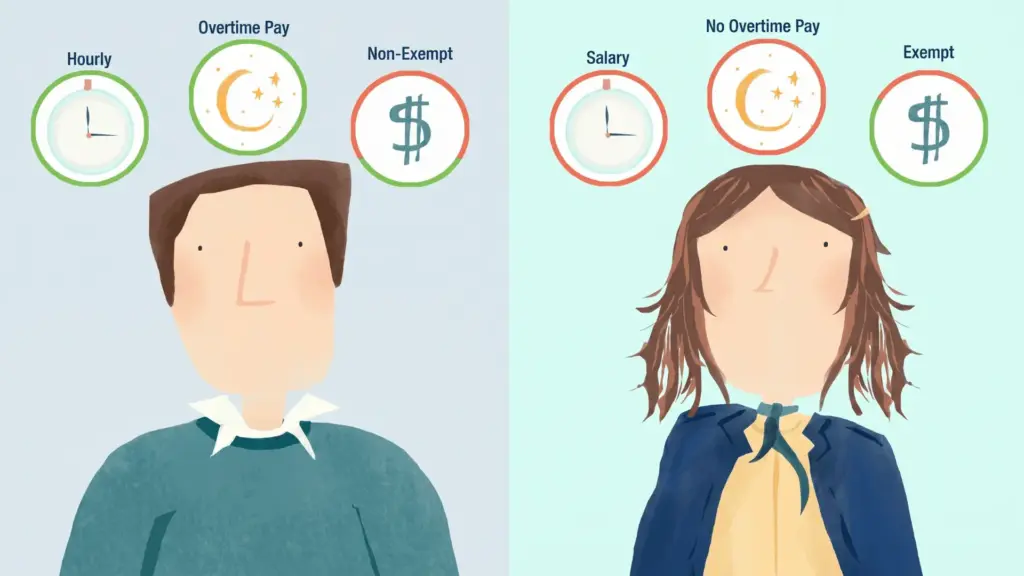
Overtime eligibility runs on a different rule entirely: the FLSA salary and duties tests. The DOL sets its own highly compensated threshold at $107,432 a year, apart from the IRS number above.
Health and fringe benefits can shift too, if your employer runs a cafeteria plan or a dependent care program. Both carry their own nondiscrimination rules tied to highly compensated status.
How Can You Save More for Retirement as an HCE?

A capped 401(k) doesn’t have to mean a capped retirement. A few paths can close the gap.
Check Whether Your Employer Offers a Safe Harbor 401(k)
A Safe Harbor plan gives every employee a set level of employer contributions or matching. This exempts the plan from ADP and ACP testing, so your deferral rate no longer depends on what everyone else saves.
Use After-Tax Contributions if The Plan Allows Them
Some plans let you add extra money past the normal deferral limit, up to $72,000 for 2026, combining your contributions and your employer’s.
With an in-plan Roth conversion, this mega backdoor Roth move can add tens of thousands to your savings each year.
Consider an IRA, HSA, or Other Tax-Advantaged Account
A Roth IRA has no link to HCE status, though separate U.S. income limits apply. An HSA adds more room if you’re on a high-deductible health plan: $4,400 self-only or $8,750 family for 2026, with no HCE restriction at all.
What Should You Do If You Think You Were Classified Incorrectly?
Start by getting the exact numbers your employer used, then verify them against IRS thresholds yourself.
- Ask HR or your plan administrator which test triggered your HCE status and what pay figure they used.
- Request your prior-year W-2 and check that number against the current IRS threshold.
- Confirm whether your company uses the top-paid group election, since it changes who counts as an HCE.
- If you think the ownership test was applied wrong, ask whether family attribution rules were counted correctly.
- Ask for the plan’s Summary Plan Description, or talk to a benefits attorney, if HR can’t give a clear answer.
| Note: HCE classification does not automatically mean your employer made an error or that you lose plan benefits. IRS thresholds may change each year, so check the limit for the correct plan year. If payroll records and plan documents do not match, consider speaking with a qualified benefits attorney or tax adviser. |
The Bottom Line
Being labeled a highly compensated employee doesn’t erase your ability to build a solid retirement. It just means the standard path looks a little different for you than it does for the rest of the company.
The moves that matter most are the ones inside your control: knowing which test triggered the label, understanding your plan’s specific rules, and using every account available to you beyond the capped 401(k).
A quick conversation with HR or a fee-only financial planner can confirm exactly where you stand and which of these options actually applies to your plan.
Frequently Asked Questions
Does Being an HCE Mean You Are an Executive?
No. HCE status runs on pay or ownership percentage, not title. A senior engineer or salesperson with no management role can qualify just as easily as a vice president.
Can Your HCE Status Change Each Year?
Yes. Status gets checked each year based on last year’s pay. A raise, bonus, or pay cut can move you in or out of HCE status.
Does HCE Status Affect Your Salary or Taxes?
Not directly. It doesn’t change your tax bracket or paycheck. It only affects how much you can defer, and whether excess contributions come back as taxable income.
Can You Still Contribute the Full Annual 401(k) Limit?
Sometimes. If your plan is Safe Harbor, or passes its nondiscrimination tests, yes. If not, your employer may cap you well below the $24,500 limit set for 2026.







One Response