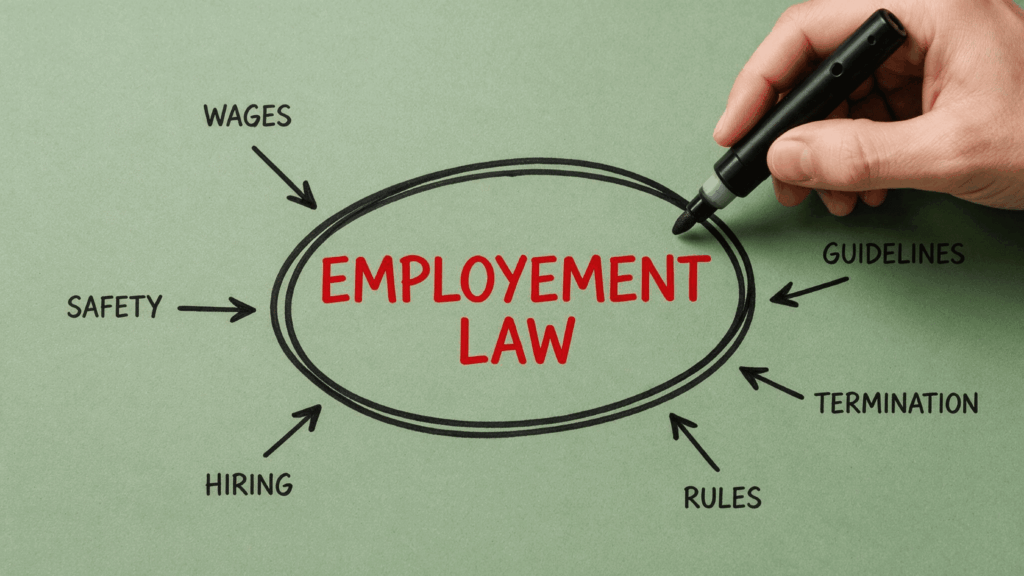


A change in hourly pay may seem like a simple payroll matter, but under Michigan wage laws, it can affect employee earnings, workplace rights, and employer responsibilities.
Knowing how the Michigan minimum wage works can make it easier to understand what employers must follow and what employees can expect.
This blog covers the key wage rules, along with the server minimum wage in Michigan and recent changes to state requirements, so employers and workers can stay informed.
Minimum Wage for Employees in Michigan
As of January 1, 2026, the Michigan minimum wage is $13.73 per hour for most employees. Michigan sets the lowest hourly rate most covered employers can legally pay employees working in the state.
Different wage rules may apply to tipped employees, workers ages 16 and 17, and certain training employees under age 20.
Michigan’s minimum wage follows a scheduled increase plan. The standard rate will rise to$15.00 per hour on January 1, 2027.
Beginning in 2028, the minimum wage will generally be adjusted annually for inflation based on the Midwest Consumer Price Index.
|
Effective Date |
Standard Minimum Wage |
Tipped Employee Wage |
|---|---|---|
|
Feb. 21, 2025 |
$12.48 |
$4.74 |
|
Jan. 1, 2026 |
$13.73 |
$5.49 |
|
Jan. 1, 2027 |
$15.00 |
$6.30 |
|
Jan. 1, 2028 |
Inflation-adjusted |
44% of standard rate |
In 2024, the Michigan Supreme Court restored the 2018 voter-backed wage initiative, and Public Act 1 of 2025 later revised Michigan’s minimum wage schedule through 2027 and tipped-wage increases through 2031.
Overtime Work Laws in Michigan Decoded
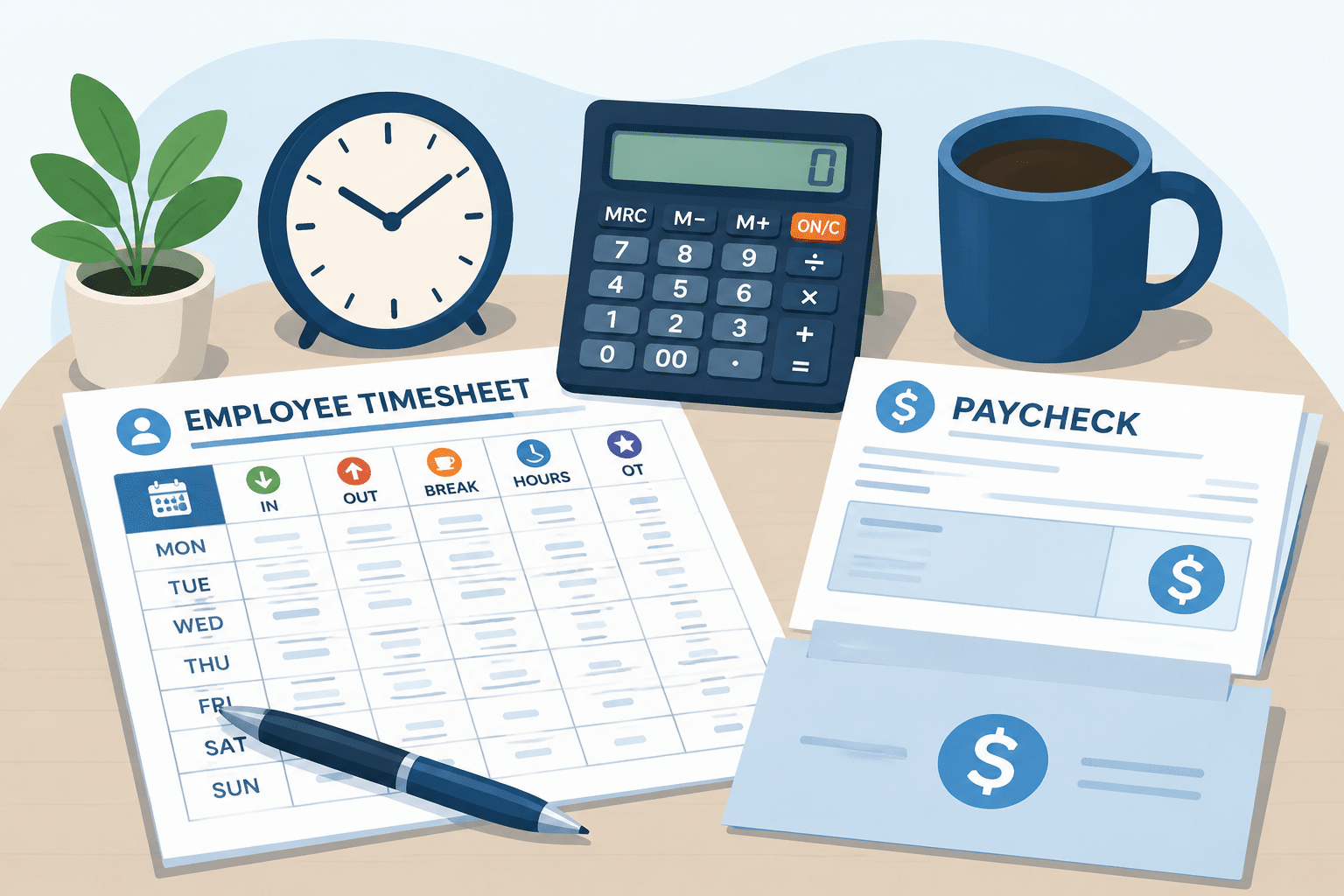
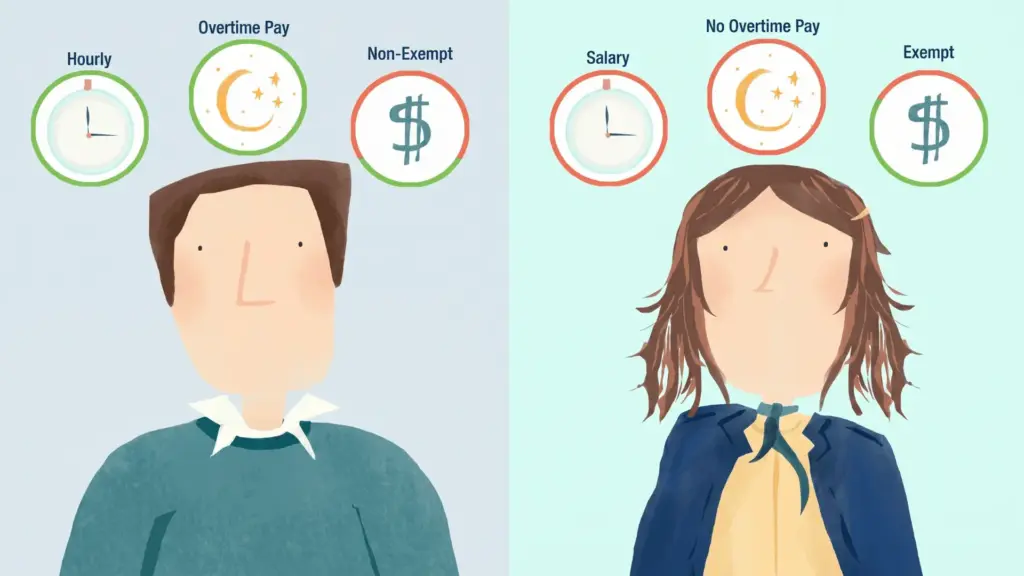
Under Michigan’s Improved Workforce Opportunity Wage Act, nonexempt employees receive overtime after working more than 40 hours within a seven-day workweek.
Employers must pay each overtime hour at 1.5 times the employee’s regular rate. For example, an employee earning the 2026 minimum wage of $13.73 would receive about $20.60 for every overtime hour.
Working more than eight hours in one day or working on weekends or holidays does not automatically qualify an employee for overtime.
Those hours must generally push the weekly total above 40, unless a workplace policy, union agreement, or employment contract provides extra pay
ertain executive, administrative, and professional employees may be exempt when their salary and job duties meet the required legal tests.
How the Calculation Works
A 45-hour workweek should mean five hours of overtime pay, but figuring out the actual dollar amount depends on more than just multiplying by 1.5.
1. Determine the Employee’s Regular Hourly Rate
This is the starting point for any overtime calculation, and it’s often where mistakes happen. The regular rate isn’t always just the base hourly wage listed on a pay stub.
Under both Michigan and federal law, it must also include non-discretionary bonuses, commissions, shift differentials, and other compensation tied to hours or performance.
Note: Leaving these out understates the true regular rate and results in underpaid overtime.
2. Identify Hours Worked Beyond 40 in That Specific Workweek
Michigan calculates overtime strictly on a weekly basis, not daily. A workweek is a fixed, recurring period of seven consecutive 24-hour days, and once an employer sets it, that period stays consistent.
Only the hours that exceed 40 within that single defined week count toward overtime, regardless of how those hours were distributed across individual days.
3. Multiply the Regular Rate by 1.5 for Each Hour Over 40
Once the regular rate and the qualifying overtime hours are established, the math is straightforward: every hour beyond 40 gets paid at one and a half times the regular rate.
This 1.5× multiplier applies uniformly, whether the employee is hourly, salaried non-exempt, or paid through a combination of wages and incentive pay.
|
Example: At Michigan’s 2026 minimum wage of $13.73/hour, the overtime rate comes out to $20.60/hour (1.5 × $13.73). So an employee earning minimum wage who works 45 hours in a single workweek would be paid their standard rate for the first 40 hours, then $20.60/hour for each of the remaining 5 hours. |
|---|
Michigan Server Minimum Wage and Tips Credit Rules
Michigan server minimum wage rules allow employers to use a tip credit, but workers must still receive enough combined wages and tips to meet the required minimum.
- Tipped-rate percentage: Michigan’s tipped wage is set at 40% of the standard minimum wage in 2026. The percentage is scheduled to rise gradually in later years.
- Tip reporting: Employees must receive and report their tips for an employer to apply the tipped minimum wage provisions.
- Employee notice: Employers must inform tipped employees that the state’s tip provisions apply to their pay.
- Future tipped-wage changes: The tipped percentage rises to42% in 2027, 44% in 2028, and continues increasing until it reaches 50% in 2031.
Note: Minimum wage complaints generally must be filed within three years of the violation.
Michigan State vs. Federal Minimum Wage
Michigan’s minimum wage is higher than the federal minimum wage. The federal minimum wage remains $7.25 per hour, so employers covered by both laws must follow Michigan’s higher rate.
Federal law creates a nationwide wage floor, while states can require higher pay standards. Michigan workers covered by state law receive the Michigan minimum wage instead of the federal amount.
When state and federal wage laws both apply, employees are generally entitled to the higher minimum wage rate.
The Takeaway
Keeping up with the Michigan wage laws helps workers understand their pay and gives employers a clear reference for payroll decisions.
Rules for tipped staff, including the server minimum wage in Michigan, deserve the same attention because pay requirements can differ by worker type.
Using official government sources for wage updates gives both employees and businesses greater confidence when checking pay practices and future changes.
Frequently Asked Questions
How Often Do Michigan Employers Have to Pay Workers?
Michigan employers must follow state payment rules and provide wages according to their established payroll schedule and applicable requirements.
Do Tips Count Toward Michigan Minimum Wage?
Yes. Employers using a valid tip credit may count qualifying tips toward the minimum wage, but workers must still receive the full required amount.
Are There Lower Minimum Wage Rates for Young Workers?
Michigan allows certain reduced rates for eligible young workers. For example, some 16- and 17-year-old employees may receive 85% of the standard minimum wage.