

Tax season can feel confusing, especially when you hear the term “tax-exempt” tossed around. You start to wonder if it applies to you, and what it would even change.
The truth is, most people misunderstand what qualifies you to be a tax-exempt individual. It is not a status you sign up for once and keep forever.
Understanding this can help you avoid surprises at tax time. It can also help you plan your finances with more confidence.
Here, you will see the real conditions behind tax exemption, which types of income are not taxed, and the key difference between being tax-exempt and just reducing your paycheck withholding.
What Does It Mean to Be a Tax-Exempt Individual?
Being tax-exempt as an individual remains a useful concept for understanding why you may not owe federal income tax in a given year, but it does not confer permanent status, and it does not mean that all types of tax stop applying to you.
- No Formal Status: The IRS does not issue a permanent tax-exempt label for individuals, since exemption applies to specific income, organizations, or situations, not a person as a whole.
- Zeroed-Out Income: Deductions can reduce taxable income to zero, leaving nothing for the IRS to tax.
- Credits Offset Liability: Tax credits can reduce liability to zero, even if the income itself was technically taxable.
- Nontaxable Income: Certain types of income are exempt from taxation by law, resulting in no tax owed for the year.
Tax-exempt situations for individuals are best understood as outcomes of deductions, credits, and nontaxable income rather than as a fixed label.
The specific combination of these factors determines whether your tax liability disappears in any particular year.
What Qualifies You to Be Tax-Exempt Individual
Qualifying as tax-exempt isn’t a single checkbox. The IRS recognizes three distinct paths, each tied to a different rule, so understanding which one applies to you matters.
1. No Federal Tax Liability
This is the most common path, and it simply means your income and deductions add up to zero, with no amount owed. No special form or application required, just the math working out in your favor.
- Income threshold: Your gross income falls below the standard deduction for your filing status
- Deductions: Deductions reduce your taxable income all the way to zero
- Tax credits: Tax credits, such as the EITC or Child Tax Credit, eliminate any remaining balance owed
2. Tax-Free or Excluded Income Sources
Some income is exempt by design, no matter how much you earn. The law simply keeps these categories out of the tax calculation from the start.
- Retirement/bonds: Your earnings come from Roth IRA qualified distributions, municipal bond interest, or veterans’ benefits
- Life insurance: Most life insurance proceeds you receive are excluded by law
- No tax impact: The excluded income never enters your taxable income calculation, so it can’t raise your tax bill
3. Withholding Exemption on Form W-4
This one works a little differently. It’s less about your income type and more about your recent tax history; it only pauses paycheck withholding, not erasing your tax bill.
- Prior year: You had no federal income tax liability in the previous year, per IRS Topic no. 753
- Current year: You expect to have no federal income tax liability in the current year
- Annual renewal: You must file a new Form W-4 claiming exempt status by February 15 each year to keep the exemption active
These three paths determine your standing each year, not permanently. Reviewing your income, deductions, and W-4 status annually keeps your exemption claims accurate and penalty-free.
What Income or Situations Make You Effectively Tax-Exempt?
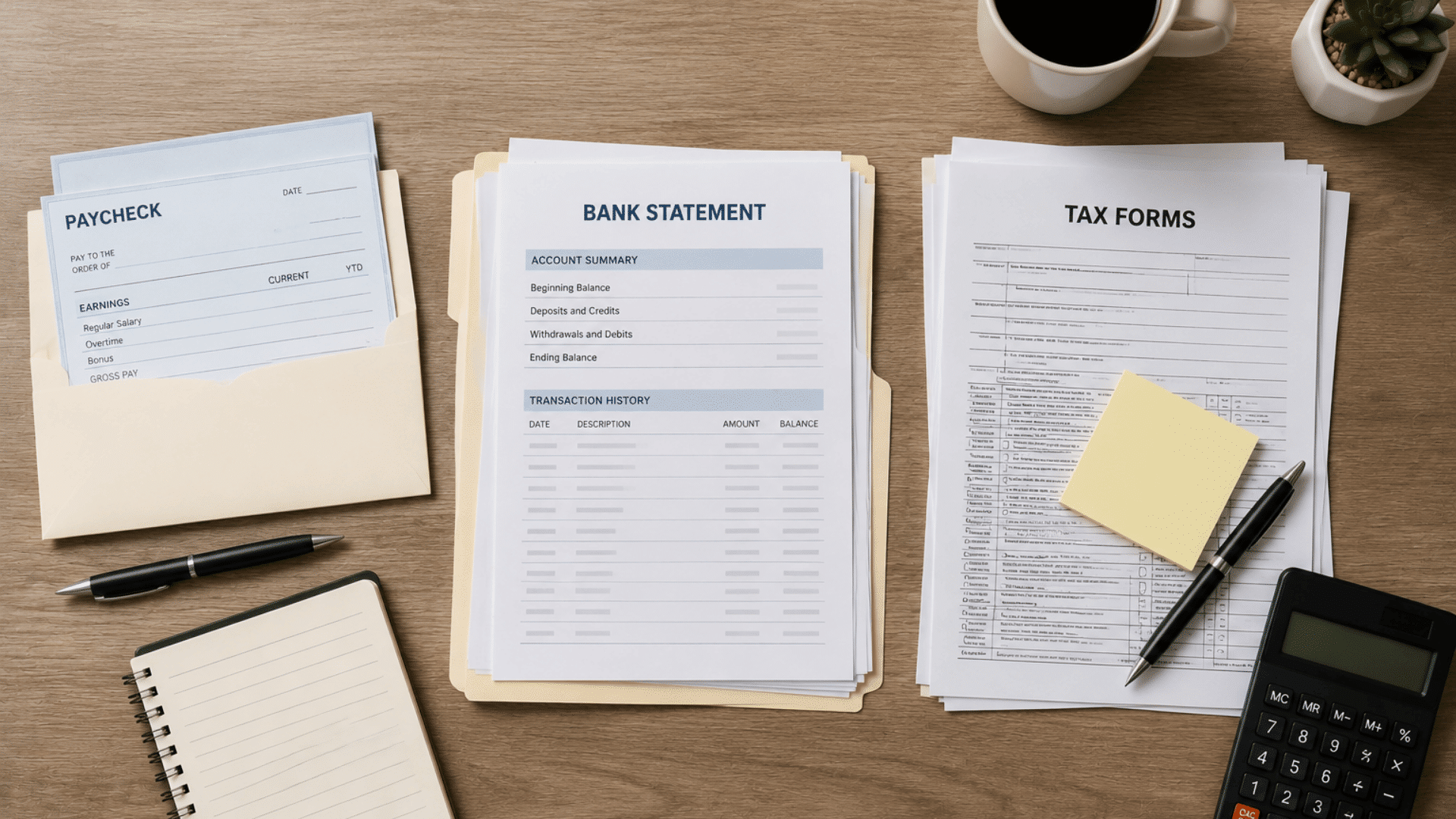
Even without a formal exemption, certain financial situations can result in no federal income tax owed.
| Category | How It Works | Examples |
|---|---|---|
| Low Income + Standard Deduction | Income falls below the taxable threshold | Earnings under the standard deduction limit |
| Tax Credits | Directly reduce tax owed to zero | EITC, Child Tax Credit |
| Tax-Free Income | Certain income is excluded from tax | Roth IRA withdrawals, municipal bond interest, and some government benefits |
| When Should You Talk to a Tax Professional? |
| Consult a tax professional when your income is complex, you have multiple sources of earnings, or you’re unsure about exemption or W-4 claims. They help prevent filing errors, under-withholding, and penalties. |
What Tax-Exempt Status Is NOT
Many people misunderstand what tax exemption actually means, so it is worth separating fact from common assumption.
- Not a Permanent Status: You cannot apply to become permanently tax-exempt, as eligibility changes each year based on income, credits, and tax law.
- Different from Nonprofit Exemption: 501(c)(3) charities are legally exempt under specific IRS rules that don’t apply to individuals.
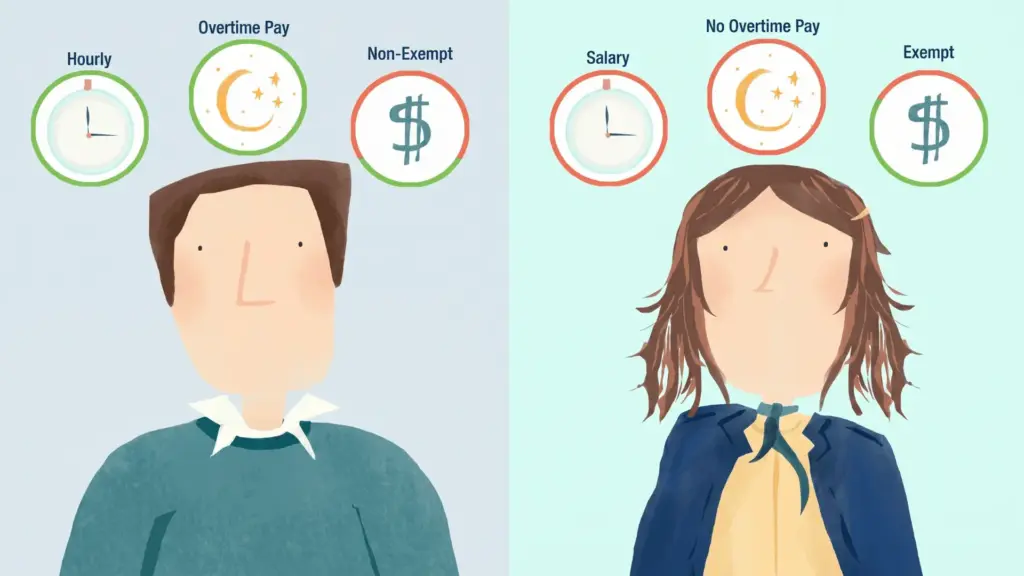
- Different from Exempt Employee: This FLSA labor classification affects overtime eligibility, not income tax liability.
Tax exemption is best understood through these distinctions rather than as a single broad label. Knowing the difference between individual tax situations, nonprofit status, and labor classifications helps avoid common confusion.
|
Can Someone Legally Be Tax-Exempt? |
| You may legally owe no federal income tax if your income is below the taxable thresholds, credits eliminate liability, or you receive non-taxable income, but payroll taxes such as Social Security and Medicare may still apply. |
|
What Happens If You Claim Tax Exemption Incorrectly? |
| Incorrectly claiming exemption on Form W-4 can lead to back taxes, interest charges, and underpayment penalties, so eligibility should always be verified beforehand. |
Final Thoughts
Understanding what qualifies you to be a tax-exempt individual puts you in control of your finances instead of leaving you guessing at tax time. It helps you spot opportunities to lower your tax bill the right way, without risking penalties from incorrect claims.
Whether it comes from deductions, credits, or non-taxable income, knowing where you stand makes tax season far less stressful. The key takeaway is simple: check your eligibility every year, since your situation can change.
Review your income, deductions, and credits today to see exactly where you stand this tax season.
Have questions about your own tax situation? Drop them in the comments below; we would love to hear from you!
Frequently Asked Questions
Can You Become Tax-Exempt by Simply Not Filing a Tax Return?
No, failing to file does not create tax-exempt status and may still result in penalties if you owed tax. Tax exemption depends on your actual income and liability, not on whether you submit a return.
Does Being Tax-Exempt Affect Your Eligibility for A Mortgage or Loan?
Lenders typically look at your overall income and financial history rather than your tax-exempt status alone. However, very low or non-taxable income may still affect how lenders assess your borrowing capacity.
Can Retirees Become Tax-Exempt Based on Social Security Income Alone?
Retirees relying solely on Social Security may owe little or no federal income tax if their total income remains below the taxable thresholds. This depends on combined income rules, which can include other retirement funds or part-time earnings.