

Ever looked at your paycheck or tax form and wondered why some money isn’t taxed at all? Many people ask, “what does tax exempt mean?” but never get a clear answer.
Tax rules can feel confusing, especially when certain income seems to disappear from your tax bill.
A tax exemption can reduce what you owe, protect certain benefits, and even support charitable work. Once you understand it, tax season feels a lot less stressful.
Coming up, we’ll explain what tax-exempt means, list the income types that qualify, and compare it with deductions and credits.
What Does Tax Exempt Mean?
Tax exempt means certain income, benefits, or organizations are excluded from taxation under specific legal rules. Instead of being counted as taxable income, these amounts receive special treatment during tax calculations.
For organizations, tax-exempt status may apply to eligible nonprofits, charities, and religious groups that meet required conditions. These organizations may avoid certain income taxes related to their approved purpose.
For individuals, tax-exempt income includes specific payments or earnings that are not subject to income tax. However, being tax-exempt does not remove all tax responsibilities, as other income may still be taxable.
People often mix up a few related terms here, so it helps to see them side by side:
- Tax-Exempt: Income or entity not subject to tax
- Tax Exemption: A rule allowing certain income to be excluded from taxes
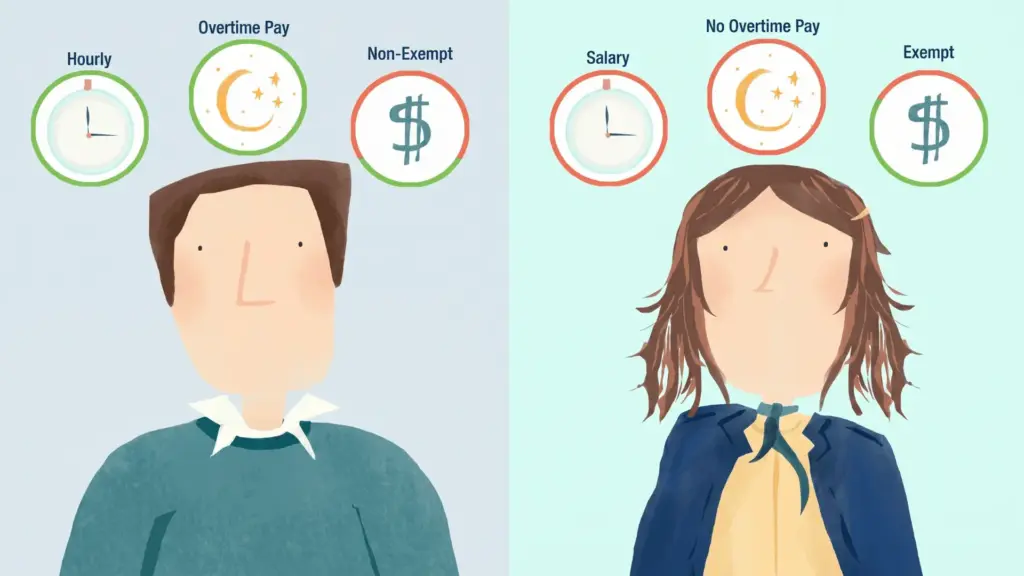
- Exempt Employee: A worker not eligible for overtime pay under labor laws
Understanding this distinction matters when filing taxes or completing employment forms, since the terms sound similar but apply to very different situations.
Types of Tax Exemption and How They Work
Tax exemptions aren’t one-size-fits-all. Depending on what’s being excluded- income, an organization, property, or a purchase- the rules and qualifying categories look completely different.
| Type | How It Works | Common Examples |
| Income Exemption | Specific earnings are excluded from taxable income and never counted toward your tax bill | Child support, veterans’ benefits, municipal bond interest, scholarships for qualified expenses |
| Entity Exemption | Qualifying organizations are excluded from paying federal income tax on revenue tied to their core mission | Nonprofits and charities, religious groups, government agencies |
| Property Exemption | Local governments reduce the assessed value of a home or land subject to property tax | Homestead exemptions, senior exemptions, veteran property exemptions |
| Sales Tax Exemption | Qualifying buyers or essential goods are excluded from sales tax at the point of purchase | Groceries, medicine, and purchases made with a valid exemption certificate |
Exemption rules vary widely by category, so confirming details on the IRS Charities and Non-Profits page helps ensure you’re claiming the right one.
What Income Is Considered Tax-Exempt?

Certain types of income are excluded from taxation under U.S. tax rules. These exemptions exist for policy reasons, financial protection, or social support.
1. Common Examples of Tax-Exempt Income
Here are some well-known examples of tax-exempt income that many people encounter in everyday financial life:
- Workers’ compensation for job-related injuries
- Qualified Roth IRA distributions
- Veterans’ benefits
- Child support payments
- Life insurance payouts (in many cases)
- Certain disaster relief payments
- Municipal bond interest
These types of income don’t count toward your taxable income, so they don’t raise your tax bill or bump you into a higher bracket.
Knowing which categories qualify helps you understand your tax picture and file with more confidence.
2. Conditional or Limited Exemptions
Some tax exemptions only apply under specific conditions rather than covering an entire category outright. In other words, the rules can shift depending on how the money is used or which account it comes from.
For example:
- Scholarships: exempt only for qualified expenses
- Home sale gains: exempt only up to certain limits
- Retirement distributions: exempt depending on account type
So, exemption is not always automatic or unlimited. It’s important to check the specific conditions attached to each type of income before assuming it qualifies as tax-exempt.
3. Withholding Exemptions from Paychecks
In some cases, people may also be exempt from tax withholding on their paycheck, which is a bit different from being exempt from income tax itself. This exemption depends on your recent tax history rather than the type of income you earn.
- They had no tax liability last year
- And expect none this year
However, this does not mean the income is permanently tax-free. It only affects how much is withheld at the payroll level, not your actual tax obligation when you file.
Who Qualifies for a Tax Exemption?
Tax exemption eligibility depends on income, filing status, age, and the type of income involved. Here are the key groups who typically qualify:
- Low-income filers below the standard deduction: Single filers under 65 can skip filing if income is below $16,100 for 2026.
- Seniors aged 65 and older: No return is needed if Social Security is your only source of income. Extra deductions apply, per the IRS’s new deductions guide.
- Visually impaired taxpayers: Legally blind individuals qualify for a higher standard deduction
- Employees expecting zero tax liability: Workers owing nothing last year can claim an exemption on Form W-4, though FICA withholding still applies.
- Seasonal or part-time workers: May qualify for a withholding exemption if total expected annual earnings remain below the applicable filing threshold.
- Nonprofit and charitable organizations: Groups meeting Section 501(c) categories gain tax-exempt status after filing Form 1023 and receiving an IRS letter.
- Estates below the exclusion threshold: 2026 decedents get a $15,000,000 exclusion, passing tax-free to heirs under IRS estate and gift tax rules.
| Advise: Since eligibility can shift with income, filing status, and annual IRS adjustments, it’s worth checking your specific situation using the IRS Interactive Tax Assistant before filing. |
Tax Exemption vs Tax Deduction vs Tax Credit
These three terms are often confused, but they work in completely different ways within the tax system.
| Concept | What it does | Simple explanation | Example flow |
|---|---|---|---|
| Tax exemption | Removes income before tax calculation | Certain income is excluded completely and never becomes part of taxable income | Exempt income is simply not counted in the tax calculation |
| Tax deduction | Reduces taxable income | Lowers the amount of income that is subject to tax | You earn money → subtract deductions → tax is applied to the remaining amount |
| Tax credit | Reduces the final tax bill | Directly reduces the amount of tax you owe after calculation | Tax is calculated → credit is subtracted from your final tax bill |
Understanding where each one fits in the process before, during, or after tax calculation makes it much easier to see how they impact your final tax outcome.
Why Tax Exempt Status Matters

Tax exemption remains a valuable part of the financial system, offering real benefits to individuals, organizations, and the broader economy alike.
- Reduced Taxable Income: For individuals, tax-exempt income lowers overall taxable income, which can directly reduce the amount of tax you owe.
- Protected Income Sources: The exemption helps safeguard specific income sources such as benefits, retirement accounts, and compensation payments from being taxed.
- Nonprofit Tax Relief: Charities, religious groups, and other nonprofits are often tax-exempt because they operate for the public benefit rather than for profit, unlike regular businesses.
- Deductible Donations: Donations made to these organizations may be tax-deductible for donors, encouraging continued charitable support.
Tax exemption remains a reliable tool for supporting individuals and organizations across the financial system. Thoughtful use of exemptions can make tax outcomes feel fairer, more predictable, and more beneficial for everyone involved.
Final Thought
Now you know what tax exempt mean and how different types work, from income and entities to property and sales. It’s not about avoiding taxes altogether, but understanding which amounts the law sets aside.
From workers’ comp to homestead exemptions, these rules can quietly protect more of your income and assets than you realize. Knowing how each type works helps you plan smarter, file with confidence, and avoid costly surprises.
The takeaway? Always check which category your income, property, or purchase falls under before assuming it’s taxable. A little awareness now can save you real money later.
Talk to a tax professional to see which exemptions apply to your specific situation.
Have questions or thoughts about tax exemptions? Drop them in the comments below; we’d love to hear from you!
Frequently Asked Question
Is Unemployment Compensation Considered Tax-Exempt Income?
No, unemployment benefits are generally taxable and must be reported as income. Some states may tax them too.
Can Tax-Exempt Income Affect My Eligibility for Other Tax Benefits?
Yes, income like municipal bond interest can still count toward other calculations, such as Social Security taxability. It’s not always excluded from every financial evaluation.
Do I Need to Report Tax-Exempt Income on My Tax Return at All?
Yes, some tax-exempt income still needs to be reported for informational purposes, even though it isn’t subject to tax. This helps verify your overall financial picture.