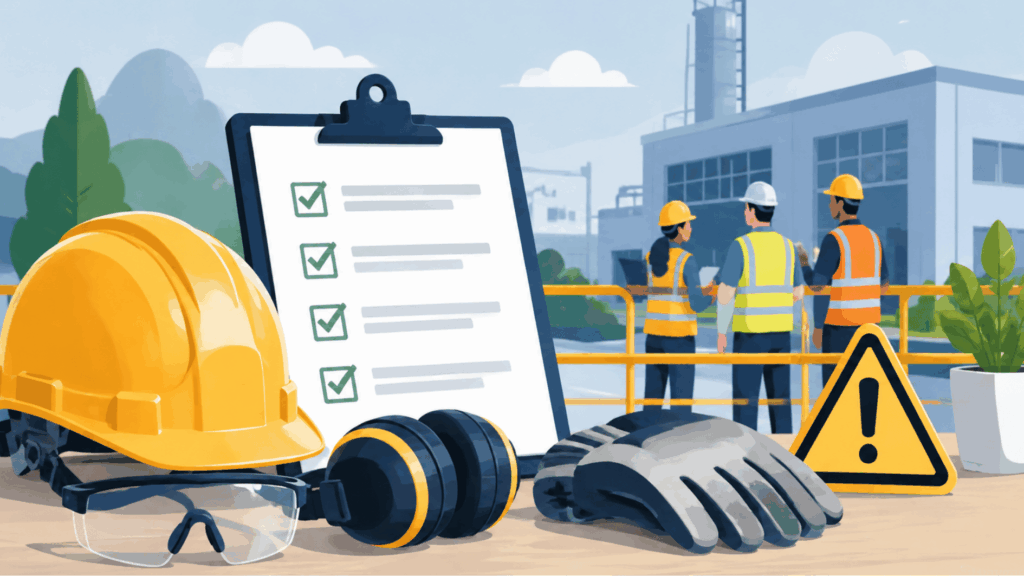

Workplace safety is a major concern for employees and employers across different industries, from construction sites to healthcare facilities and offices.
People often encounter safety guidelines, inspections, or compliance requirements and wonder the enforces these rules.
Understanding what does OSHA mean can help workers and businesses better understand workplace safety responsibilities, employee protections, and the standards that shape safer working environments.
This blog explains OSHA’s role, how it impacts workplaces, and why its regulations matter for maintaining health and safety on the job.
What Does OSHA Mean, and What Does It Do?
OSHA stands for the Occupational Safety and Health Administration, a federal agency that helps protect workers by promoting safe and healthy working conditions in the United States.
It operates under the U.S. Department of Labor and was established through the Occupational Safety and Health Act of 1970, a foundation covered in more depth in this introduction to OSHA guide.
- Creates safety standards: Develops rules to address workplace hazards such as unsafe equipment, chemical exposure, and falls.
- Conducts inspections: Checks workplaces for compliance with safety standards and potential hazards.
- Investigates complaints: Reviews reports of unsafe conditions and serious workplace incidents.
- Provides training: Offers safety education and resources to help employers and workers prevent hazards.
- Protects worker rights: Allows employees to report safety concerns without fear of retaliation.
OSHA’s main role is to help prevent workplace injuries, illnesses, and unsafe working conditions by setting safety requirements and supporting employers and employees with safety resources.
Who Does OSHA Apply To?
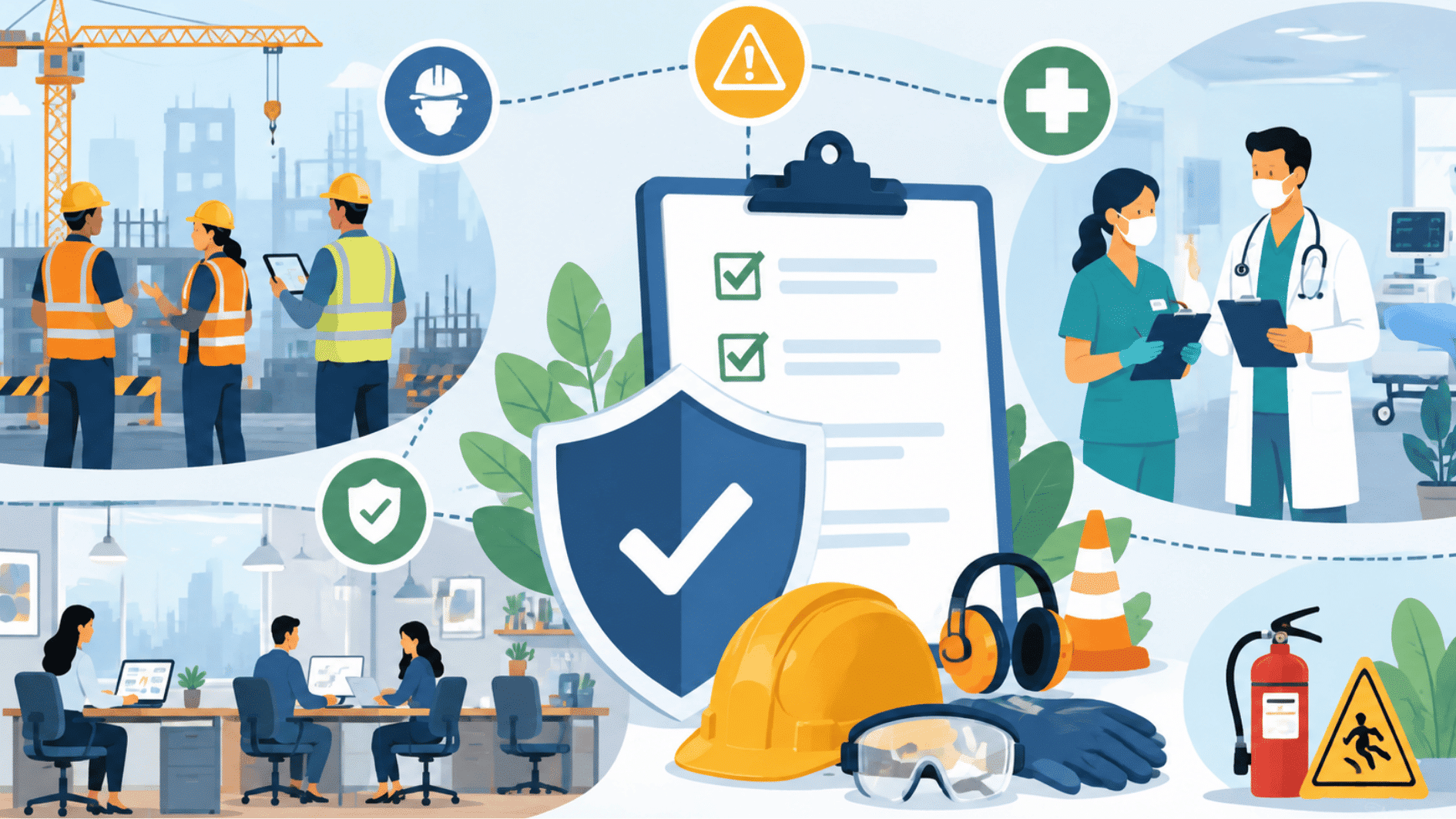
OSHA applies to most private-sector employers and their employees in the United States.
Private-Sector Employers
Most businesses operating in the private sector must comply with OSHA regulations if they have employees. Employers must provide a workplace free of recognized serious hazards and follow industry-specific safety standards.
Construction
OSHA provides safety standards for hazards such as falls, scaffolding, electrical work, and heavy equipment.
Healthcare
Healthcare employers must follow OSHA requirements related to risks such as bloodborne pathogens, hazardous chemicals, and workplace safety procedures.
Manufacturing
Manufacturing businesses must address hazards involving machinery, workplace equipment, chemical exposure, and employee safety practices.
Office and General Workplaces
Even lower-risk workplaces must follow applicable OSHA requirements related to emergency procedures, workplace conditions, and employee safety.
While OSHA covers many workers in the U.S., some exceptions exist. For example, certain self-employed individuals and some workers protected under other federal safety laws may not fall under OSHA’s coverage.
These state programs must provide protections that are at least as effective as federal OSHA standards.
How Does OSHA Affect Businesses?
OSHA affects businesses by setting workplace safety expectations and requiring employers to take reasonable steps to protect employees from known hazards.
Maintaining a Safe Workplace
Employers must identify potential hazards and take steps to reduce workplace risks.
- Maintaining safe equipment and machinery
- Creating safety procedures for workplace tasks
- Training employees on potential hazards and safe practices
Keeping Safety Records
Some businesses must maintain records related to workplace injuries and illnesses.
- Work-related injury and illness reports
- Injury logs for covered employers
- Reports of certain serious workplace incidents
Preparing for OSHA Inspections
Businesses may need to respond to OSHA inspections triggered by factors such as employee complaints.
- Businesses may face OSHA inspections due to complaints, incidents, or enforcement programs.
- Employers must cooperate with inspectors and provide required information.
- Businesses should correct safety hazards and prevent future risks.
- Following OSHA rules helps reduce injuries, disruptions, and penalties.
What Happens If a Business Violates OSHA Rules?
Businesses that fail to follow OSHA requirements may face enforcement actions depending on the type and severity of the safety violation. OSHA may take the following actions-
- Citations: OSHA may issue citations for safety violations, outlining the issue and required corrections.
- Penalties and fines: Serious or repeated violations can lead to fines based on severity, history, and intent.
- Hazard correction: Employers must fix unsafe conditions, improve procedures, or provide training.
- Follow-up inspections: OSHA may inspect again to verify that hazards have been corrected.
Note: OSHA generally allows employers a reasonable period to correct violations before penalties escalate, so most enforcement actions start with a chance to fix the problem rather than an automatic fine.
Conclusion
Understanding what does OSHA mean helps employees and employers recognize the importance of workplace safety standards in the United States.
OSHA plays a key role in reducing workplace hazards by creating safety requirements, providing guidance, and helping businesses maintain safer environments.
From construction sites to healthcare facilities, OSHA regulations help address risks that can lead to injuries, illnesses, or unsafe working conditions.
By following OSHA standards and understanding workplace safety responsibilities, employers can better protect their teams, while employees can better understand their rights and protections on the job.
Frequently Asked Questions
Is OSHA a Law or An Agency?
OSHA is an agency within the U.S. Department of Labor. The Occupational Safety and Health Act of 1970 (OSH Act) is the law that created OSHA and gave it the authority to develop workplace safety regulations
Can Employees Report Unsafe Working Conditions to OSHA?
Yes. Employees can report workplace safety concerns to OSHA if they believe their workplace has serious hazards. OSHA also protects workers from retaliation for exercising their safety rights.
What Industries Does OSHA Regulate?
OSHA covers many industries, including construction, healthcare, manufacturing, agriculture, maritime work, and general workplaces. The specific safety requirements depend on the hazards associated with each industry.