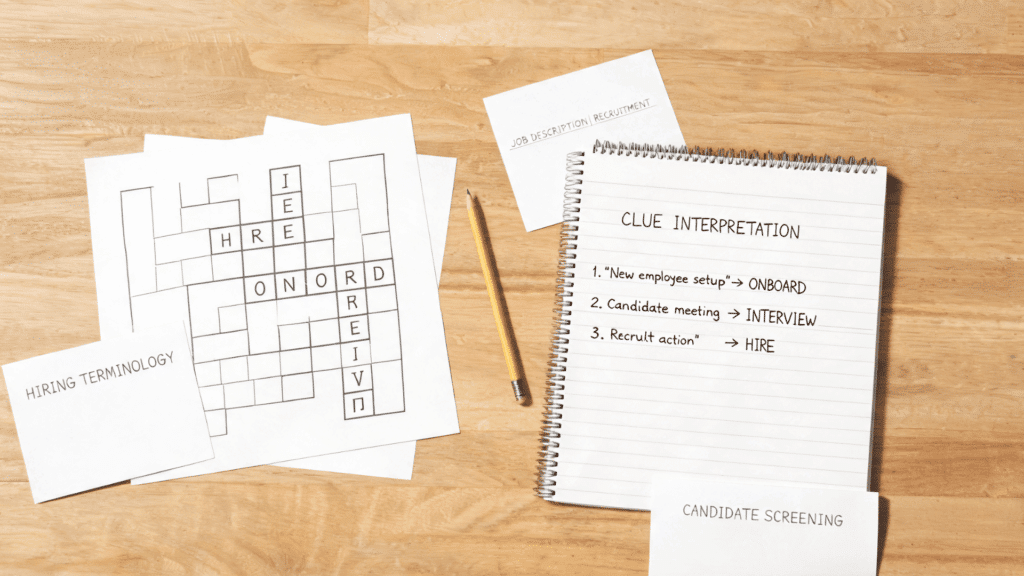

Crossword clues can feel confusing when the wording is vague or technical. One example is an unbiased hiring letter, which often leaves solvers stuck between multiple meanings.
At first glance, it looks like an HR phrase, but crossword logic usually simplifies it. The real answer is often much shorter and more conceptual than it appears.
This blog will help you break down the clue in a simple way. You’ll learn how to interpret each part and quickly narrow down the most likely solution.
By the end, you’ll know how to approach similar crossword clues with confidence. You’ll also understand common patterns that make solving faster and easier.
What Does “Unbiased Hiring Letters” Mean in Crossword Puzzles?
In crossword logic, “unbiased hiring letters” is not usually literal. It describes hiring-related communication (such as offer or rejection letters) written in a fair, neutral, or non-discriminatory manner, avoiding personal judgment, subjective bias, or language that could unfairly influence perception.
So the clue is typically pointing toward the idea of:
- Fair hiring communication
- Neutral or equal treatment in job-related letters
- Non-prejudiced recruitment messages
In crosswords, this often gets compressed into a shorter synonym rather than a full phrase.
EOE (Equal Opportunity Employer)
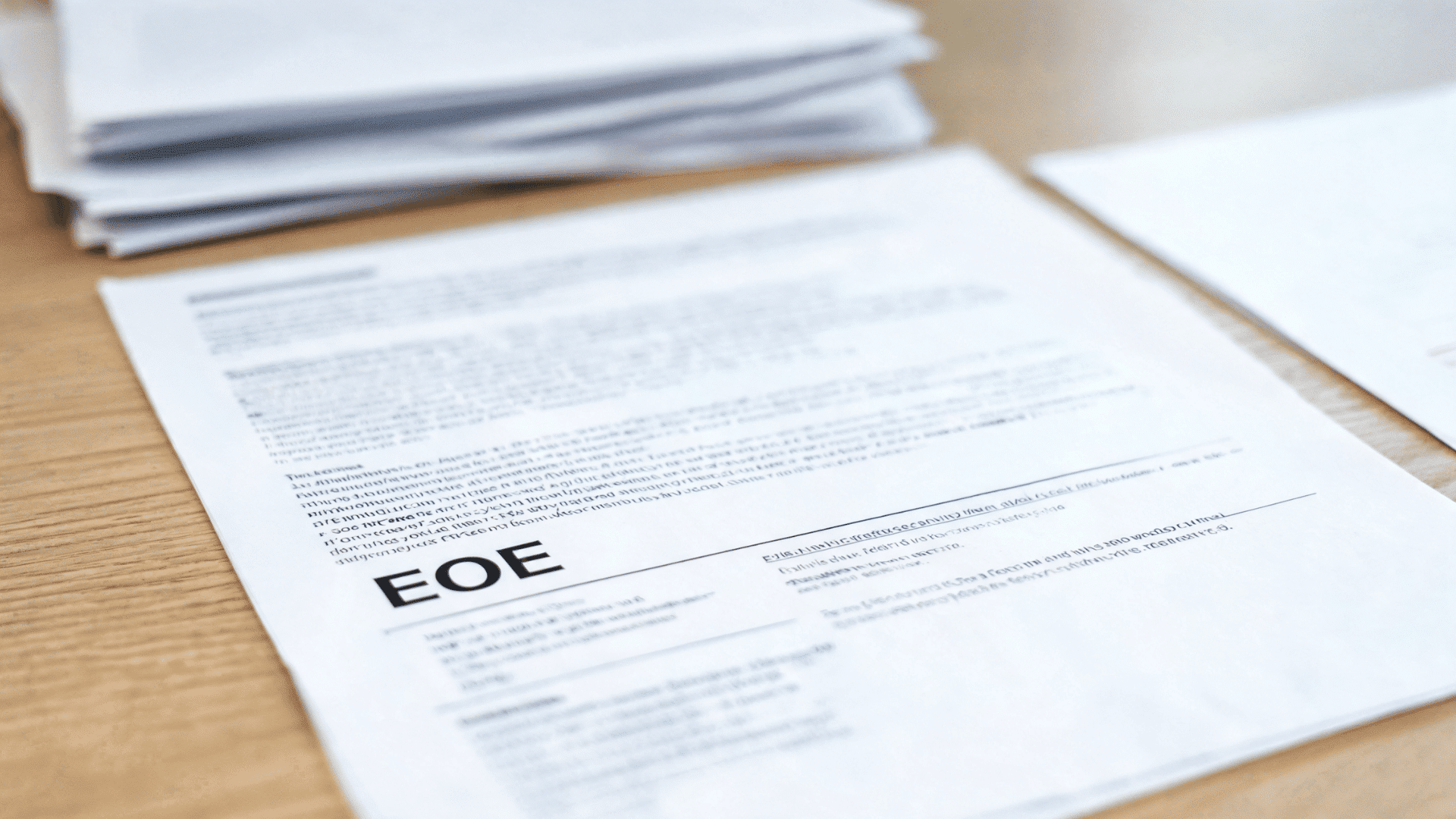
In job ads and HR language, this phrase indicates that a company does not discriminate on the basis of race, gender, age, religion, or other protected categories. It reflects fair and equal hiring practices for all applicants.
It promotes inclusive recruitment and ensures equal opportunity for everyone. This makes the workplace approach more balanced and unbiased.
Crossword puzzles often use short HR and job-related abbreviations, and EOE is one of the most common examples. It usually appears in clues connected to fair hiring practices and workplace equality.
Here are common clue styles used in crossword puzzles for the answer EOE:
- Abbreviation in job ads
- Hiring fairness acronym
- Equal opportunity employer, briefly
- Non-discrimination policy short form
- HR equality statement in brief
- Seen at the end of recruitment notices
- Workplace fairness acronym
- Job listing equality tag
These clue styles all point toward the same idea of equal opportunity hiring, making EOE a frequent and useful crossword answer to recognize quickly.
Possible Answers for “Unbiased Hiring Letters”
There is no single universally confirmed answer without a specific crossword grid, but common crossword-style interpretations include:
| Possible Answer | Explanation |
|---|---|
| Fair letters | A shortened way of expressing unbiased communication. This is one of the most likely general fits in crossword-style wording. |
| Fair hiring letters | A more literal interpretation of the clue, though it may be too long for many grids depending on letter count. |
| Neutral letters | Focuses on the “unbiased” part of the clue, emphasizing lack of preference or judgment. |
| Equal opportunity letters | A conceptual HR term, but often too long for standard crossword entries. |
Note: The exact answer depends heavily on the number of letters required in your puzzle grid.
How to Break Down the Clue?
Understanding crossword clues like this becomes easier when you split them into meaning units.
1. “Unbiased”
“Unbiased” in crossword clues usually refers to ideas such as fair, neutral, objective, or non-discriminatory. It signals a lack of personal judgment or preference in meaning.
In most crossword contexts, “fair” is the most common and direct substitution. It is often used as a simple stand-in for all these related terms.
2. “Hiring”
“Hiring” in crossword clues usually refers to recruitment, job applications, or the employment process. It signals anything related to bringing new people into a role.
This makes the overall theme clearly HR or workplace-related. It points toward processes used in selecting, evaluating, and onboarding candidates.
3. “Letters”
“Letters” in crossword language usually refers to written documents or forms of communication. This can include offer letters, rejection letters, and other formal HR correspondence.
In some cases, it may also simply mean words within a phrase rather than literal mail. So the answer is often a simplified HR document described in basic terms.
What Does This Crossword Clue Actually Mean?
Many solvers assume it refers to real HR documents, like offer or rejection letters, which leads them to overthink it.
Crosswords simplify complex phrases into synonyms, so the meaning must be reduced before solving.
A common misconception is that the clue points to actual HR documents. In reality, it usually captures the core idea rather than exact HR terminology.
Instead of “offer letters” or “rejection letters,” the answer is often a conceptual word like “fair” or “neutral” that reflects the underlying idea more abstractly.
Tips to Solve Similar Crossword Clues
Crossword clues like this can be solved more easily by focusing on word patterns, meaning shortcuts, and letter constraints.
The tips below help narrow down the most likely answer.
- Shortest Synonym: Crosswords rarely use long HR phrases, so one-word answers are more common.
- Adjective First: Words like “unbiased” often carry the main weight and guide the answer.
- Letter Count: The number of squares quickly rules out longer phrases that don’t fit.
- Concept, Not Profession: Crosswords convert workplace terms into simple, everyday words.
Keeping these patterns in mind makes tricky clues far easier to crack. With a bit of practice, spotting the shift from literal meaning to conceptual shortcuts becomes second nature.
Final Thoughts
Solving crossword clues like “unbiased hiring letters” becomes much easier once you understand how clues are simplified and reduced to basic synonyms.
Instead of overthinking HR-style wording, focusing on meaning, letter patterns, and common crossword shortcuts helps you reach the right answer faster.
This approach also improves your overall solving speed and accuracy with similar clues.
The key takeaway is simple: break the clue into parts, think conceptually, and always match your guess with the grid length. Try applying these techniques to your next puzzle for quicker results.
Leave your answer or thoughts in the comments section below.
Frequently Asked Questions
Are Crossword Answers Always Literal in Meaning?
No, crossword answers are often not literal and rely on wordplay or simplified meanings. Clues are usually shortened into synonyms or abstract ideas rather than real-world phrases.
Do Crossword Clues Like This Depend on Word Length?
Yes, letter count is one of the most important solving factors in crosswords. Even if a meaning seems correct, it must fit the exact number of boxes in the grid.
Why Do Crossword Setters Use Workplace Terms Like Hiring or Hr?
Workplace terms are commonly used because they have clear conceptual meanings that can be easily shortened. They also allow setters to create flexible clues with multiple possible interpretations.