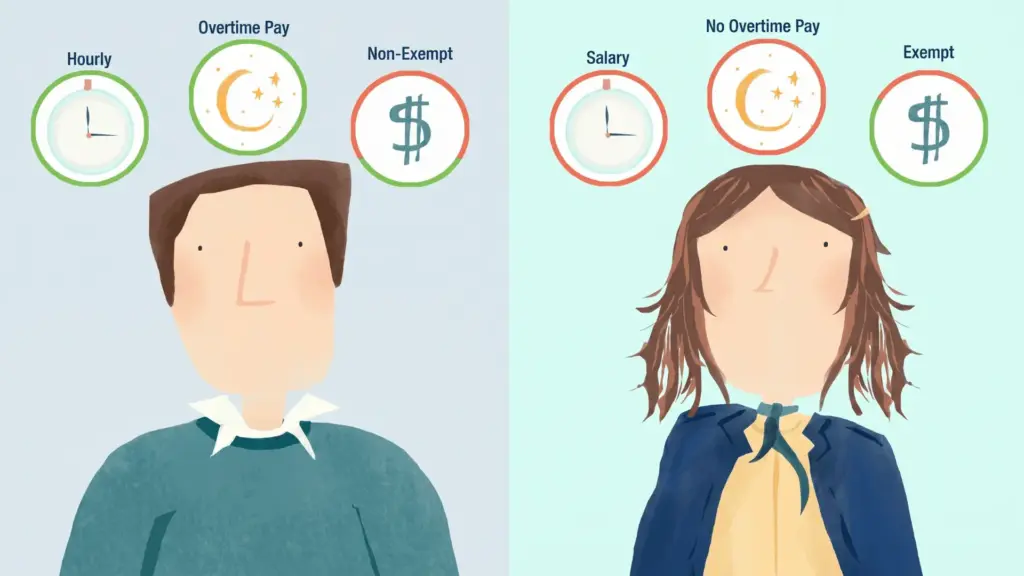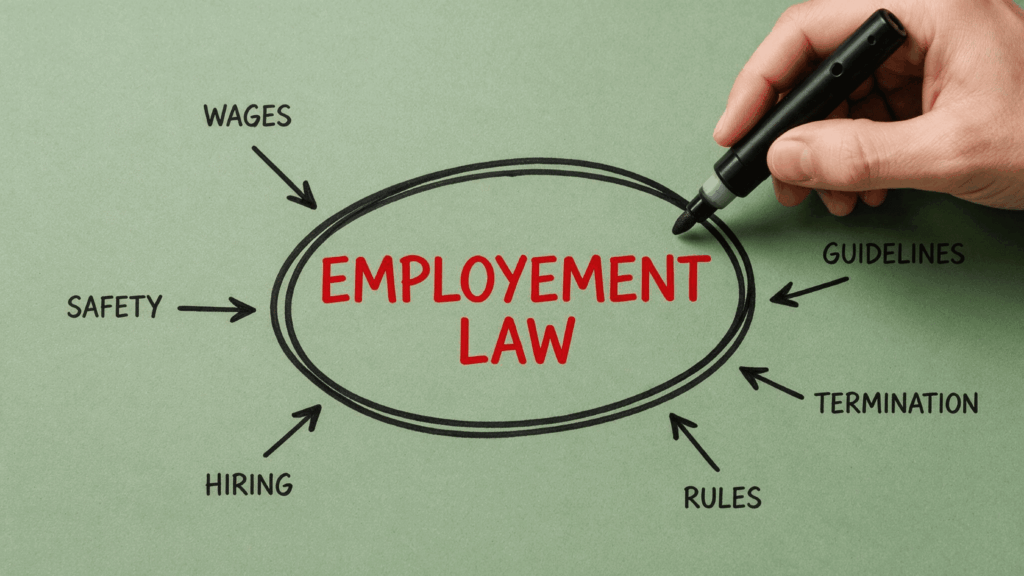


As a federal worker, one has to follow annual salary decisions closely because even small changes can affect household budgets and long-term earnings.
The federal employees’ pay raise process depends on presidential decisions, congressional proposals, locality adjustments, and official agency announcements.
This blog covers the latest proposals, White House plans, legislation, and expected timelines surrounding federal salary changes.
What Is the Status of The Federal Employees Pay Raise
Federal employees may see several pay raise percentages because proposals are often reported before a final adjustment is approved.
Until the decision is complete, these figures should be treated as possible outcomes rather than confirmed rates.
- No final 2027 increase has been approved yet: Proposed percentages remain subject to government decisions and legislative action.
- Several plans are being discussed: Lawmakers and the administration have presented different approaches to federal compensation.
- OPM publishes final details: Official pay tables and locality adjustments are released after approval.
The final adjustment may include both an across-the-board increase and changes to locality pay. Employees should rely on official pay tables before estimating how the raise could affect their salaries.
What Federal Pay Raise Has Been Proposed for 2027?
Several proposals have placed different salary adjustment numbers on the table for federal employees. These proposals reflect different views on workforce pay, retention, and government spending priorities.
The Federal Adjustment of Income Rates Act, also known as the FAIR Act, proposes a higher adjustment for civilian federal employees.
The proposal introduced by lawmakers would provide an average increase of 4.1% through a combination of base pay and locality adjustments, but it would still need congressional approval.
The official bill text confirms the proposed split is 3.1% for basic pay and 1% for locality pay, while prevailing-rate employees would receive a 3.1% increase.
Is the White House Planning a Federal Pay Freeze?
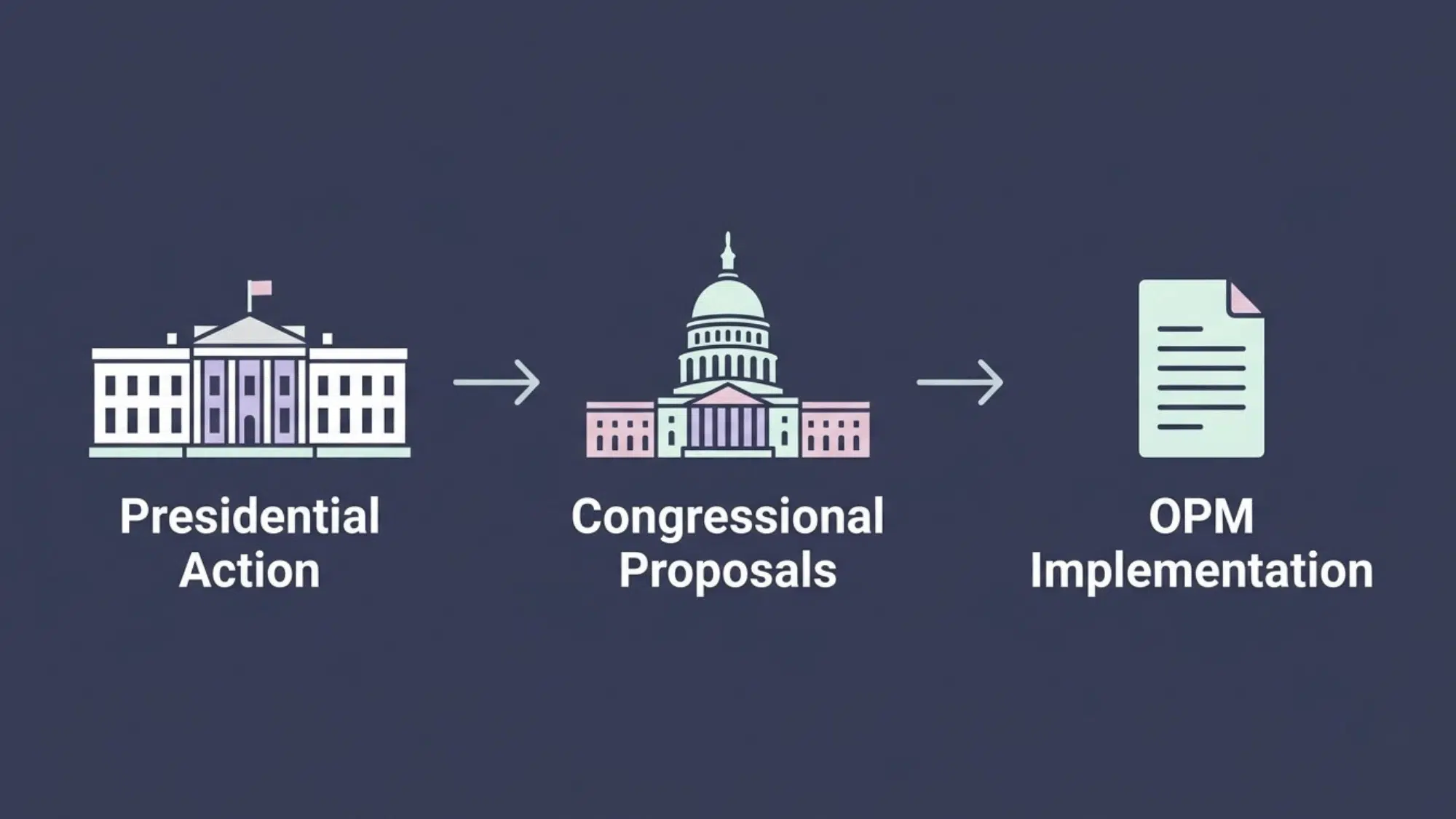
According to federal workforce reporting, administration budget plans have included a proposed freeze rather than an increase. The final decision depends on official action. It has various phases involved.
Presidential action
The President can issue an executive order or official pay adjustment that sets the annual increase for federal employees. This action may establish changes to base pay and locality rates before updated salary tables are released.
Congressional proposals
Members of Congress may introduce bills proposing different salary increases or broader changes to federal compensation policies.
OPM implementation
OPM releases updated salary tables, locality pay rates, and effective dates after the final decision is announced.
Note: Federal employees can use these official figures to confirm how the adjustment applies to their grade, step, and duty location.
What Happens If Congress Approves a Different Pay Increase?
Congressional pay proposals must move through the legislative process before they can change federal employee salaries.
A bill may be introduced with a specific percentage, but that number does not affect paychecks unless the proposal receives the required approval.
If Congress passes the measure and it becomes law, the approved adjustment can change federal pay rates. The President may also establish a different annual adjustment through an alternative pay plan or executive order.
Until final action is taken, any percentage under discussion remains a proposal. Employees should not use it as a confirmed increase when estimating future income or planning their budgets.
If no adjustment is finalized, current pay rates may remain in place temporarily. Employees should wait for an official announcement and updated OPM salary tables before treating any increase as effective.
When Does the Federal Pay Raise Take Effect and How Much Was the Previous Increase?
Federal pay adjustments generally take effect near the beginning of the calendar year, while the size of the increase can vary based on federal pay decisions.
| Period | Pay Raise Details | When It Takes Effect |
|---|---|---|
| 2024 | 4.7% across-the-board increase plus locality adjustments, producing a 5.2% overall average increase | January 14, 2024, for the standard biweekly cycle. |
| 2025 | 1.7% across-the-board increase plus locality adjustments, producing a 2.0% overall average increase | January 12, 2025, for the standard biweekly cycle. |
| 2026 | 1% across-the-board increase with locality percentages maintained at 2025 levels | January 11, 2026, for the standard biweekly cycle. |
Note: Federal pay adjustments are typically announced late in the year and generally take effect in January. Employees see the updated pay in the first paycheck after the adjustment becomes effective.
Eligibility to Receive a Federal Pay Raise
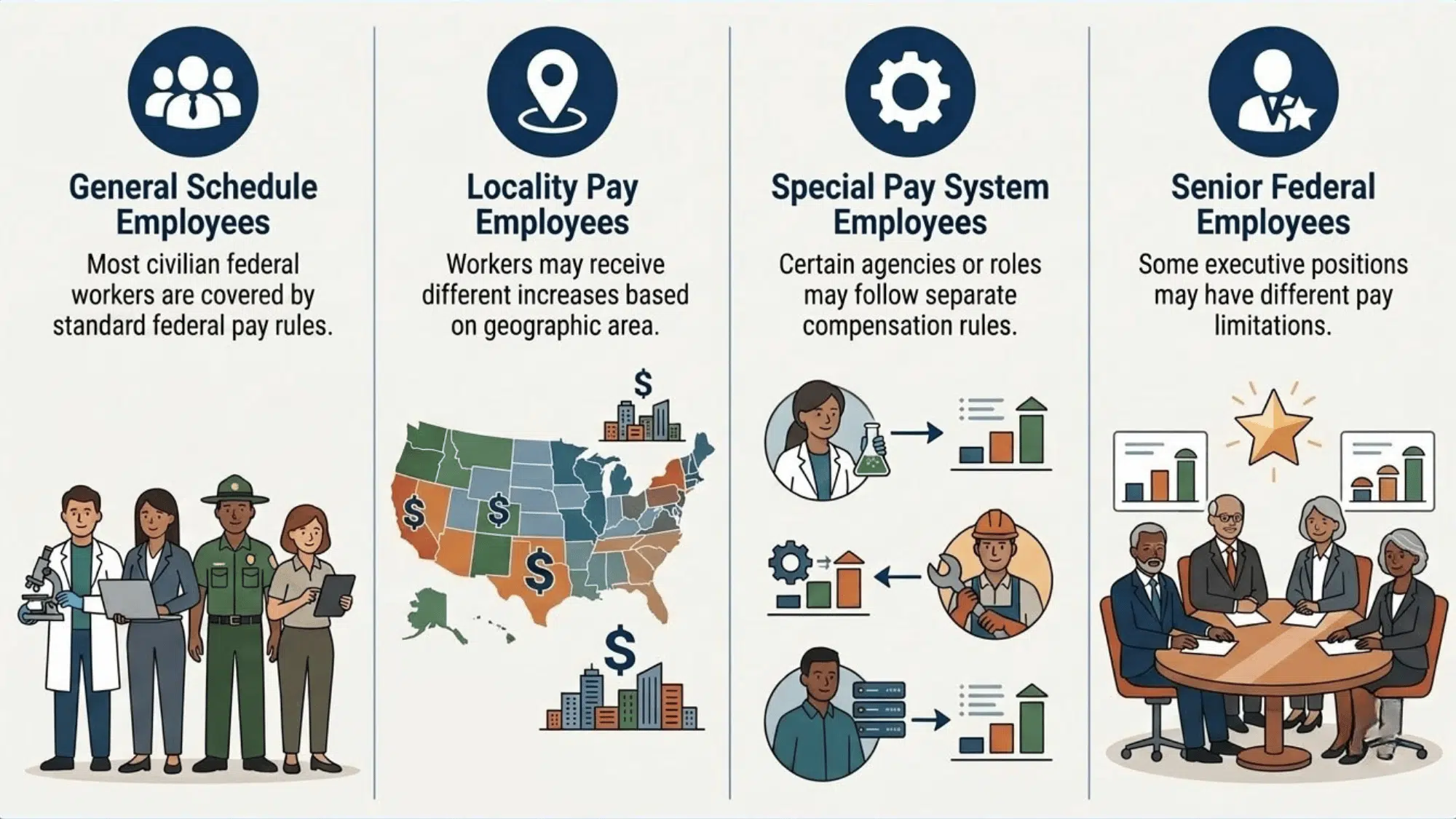
Federal salary adjustments do not always affect every employee in exactly the same way. The final amount can depend on job category, location, and the pay system that applies to the employee.
- General Schedule employees: Most civilian federal workers are covered by the GS pay system.
- Locality pay employees: Workers may receive different increases based on geographic area.
- Special pay system employees: Certain agencies or roles may follow separate compensation rules.
- Senior federal employees: Some executive positions may have different pay limitations.
| Where Can Federal Employees Find Pay System Information: Information about employees covered under different federal pay systems can be found through the Office of Personnel Management’s salary and wage resources. The site provides General Schedule and locality pay tables, special rate schedules, law enforcement pay information, and rates for executive and senior-level positions. Employees can select the relevant year and pay category to review the figures that apply to their position. |
Final Thoughts
Federal salary adjustments involve several stages before employees see a change in their paychecks. You should rely on official government resources when checking salary changes
Keeping track of official OPM updates, White House announcements, and congressional activity helps employees separate confirmed decisions from proposals.
The final federal employees pay raise amount depends on the outcome of these processes and the official pay schedules released afterward.
Employees should also check how the final decision applies to their pay system, grade, step, and locality area. Until updated tables are published, proposed percentages should not be treated as guaranteed salary increases.
Frequently Asked Questions
Will Federal Employees Get a Pay Raise in 2027?
A final 2027 increase has not been confirmed. Several proposals, including increases and a possible freeze, have been discussed before an official decision.
What Is the Proposed Federal Pay Raise Percentage for 2027?
One proposal under the FAIR Act suggests an average 4.1% increase, while other plans have suggested different approaches.
Does Every Federal Employee Receive the Same Increase?
No. Locality pay, job category, and separate compensation systems can affect the final amount employees receive.