

You’re told to stay home from work, with full pay, and it can feel confusing. You still have a job. You’re still getting paid. But you can’t log in, answer emails, or show up to the office.
This happens more often than people think, and it catches most people off guard the first time. There’s usually a clear reason behind it, even if it doesn’t feel that way in the moment.
This blog will cover what paid administrative leave is, why it happens, how long it lasts, and what to do next.
What is Paid Administrative Leave?
Paid administrative leave is a break from work. The employee keeps their full pay and benefits. They just stop working for a while.
This isn’t a vacation, and it isn’t automatic discipline. Most companies treat it as neutral by design, so pay and benefits keep going as normal while the employer sorts out a problem tied to the employee.
If wrongdoing is later confirmed, it can turn into an unpaid suspension, a demotion, or firing. If nothing is found, the employee usually goes back to their role with no further action.
The employee usually keeps their full pay, standard benefits, and job title for now. What changes is access. Most employees lose system logins and building access, and contact with coworkers stops too, until the leave ends.
How Administrative Leave Works?
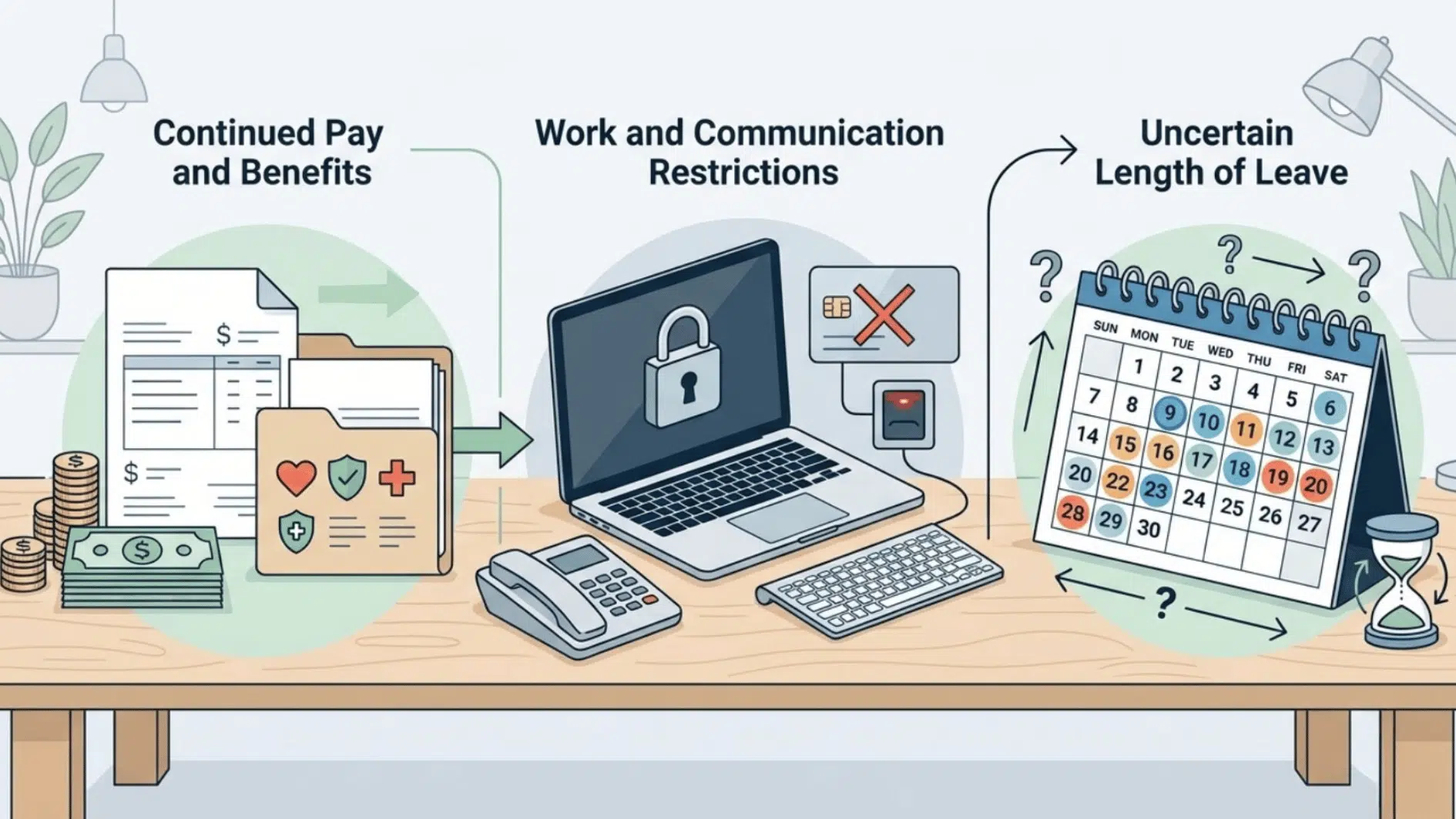
Paid administrative leave usually starts with a short notice from HR or a manager, delivered in person or by letter. From there, pay, access, and timing work a bit differently, and each one is covered below.
1. Pay and Benefits During the Leave
Pay usually does not change, and the employee’s normal salary, wages, and benefits continue as before.
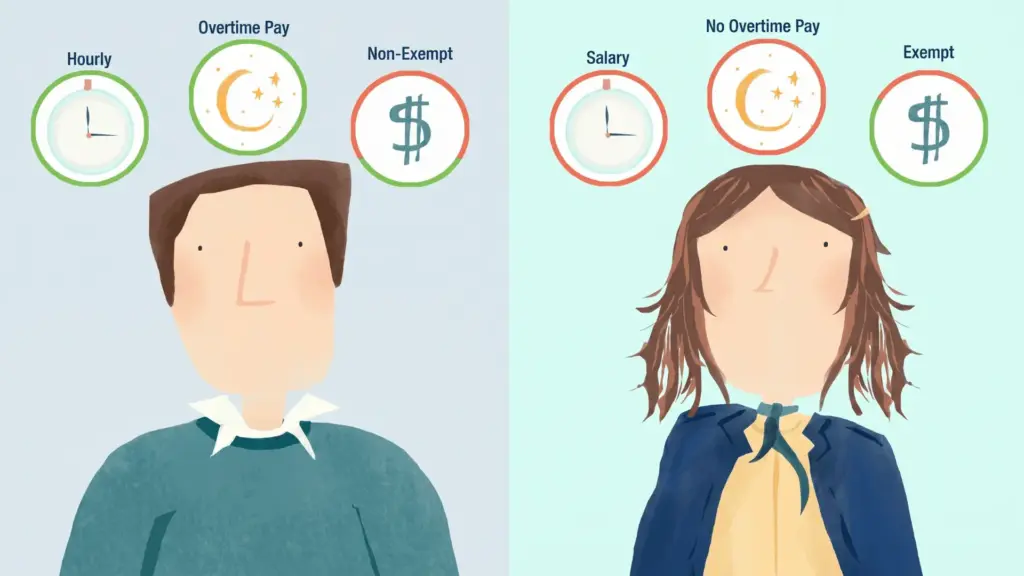
Overtime is the one exception, since hourly workers who lose access to extra shifts can see their total pay dip even though their base rate holds steady.
Bonuses or commissions tied to active work may pause too. Health coverage almost always continues without a gap, though whether paid time off keeps building depends on the employer’s own policy.
2. Work Access and Communication Restrictions
Most companies cut off system access the same day leave starts, which can mean email, internal software, and even the office phone line.
Employees are usually told not to discuss the situation with coworkers, and contact with clients or vendors tied to the role is often limited too.
It protects the investigation and keeps facts from getting mixed up while things get sorted out.
3. The Length of Leave Depends on the Employer and Situation
There’s no set timeline for it. A quick policy check might wrap up in a few days, while a formal investigation can stretch into weeks or months.
Government jobs often take longer than private ones, since formal reviews and legal steps tend to move more slowly.
Why Do Employers Place Employees on Administrative Leave?
Employers use this option to create space between an employee and the workplace without ending the job right away. The reasons usually fall into three groups.
Workplace Investigations
A coworker files a harassment complaint, or someone reports theft, fraud, or a policy violation. Leadership pulls the employee out during fact-finding, often on legal advice, to keep the review fair.
Safety or Conflict Concerns
A workplace conflict or threat can escalate to the point where two people can’t stay in the same building. The employer places one or both on leave until things cool down.
Resignation, Termination, or Workforce Changes
A restructuring, a merger, or an early exit after notice can all trigger leave. Leadership uses it to shift duties before making an announcement.
Administrative Leave in Government and Public-Sector Jobs
Public-sector jobs come with extra rules that private companies don’t always follow. Police officers, teachers, and other public workers are often placed on leave right after certain incidents.
An on-duty shooting or a misconduct claim are two common triggers. Union contracts often spell out exact leave steps and timelines. Public records laws can also make some leave cases visible to the media.
Leave in government jobs often lasts longer because reviews and legal steps move more slowly. Teachers are a common example.
A school district may place a teacher on paid leave to look into a complaint. This can happen fast, even before any facts are checked.
What Happens After Administrative Leave?
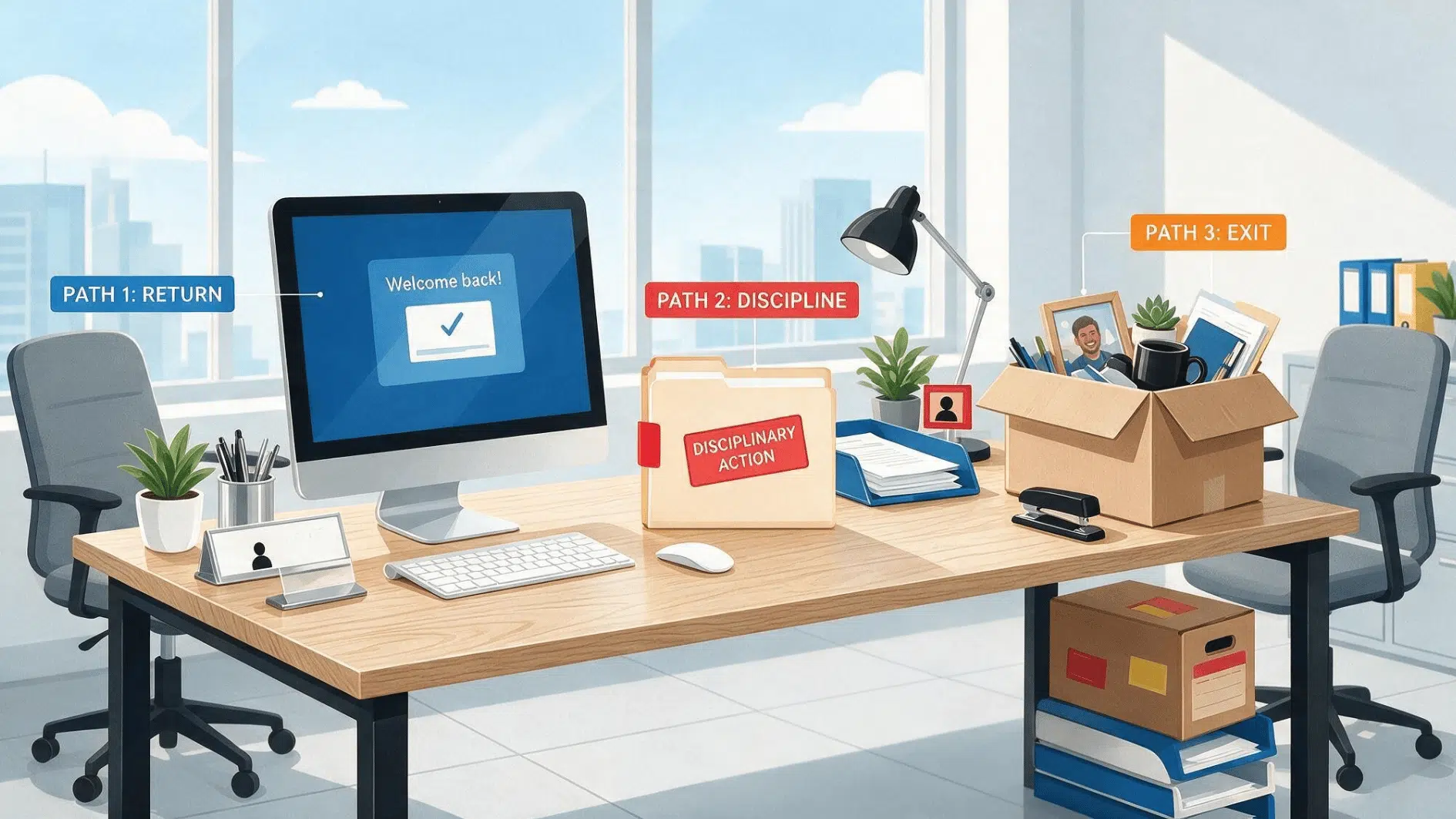
Leave always ends one of three ways. The employee returns, faces discipline, or leaves the company.
Returning to Work
The employee gets a call or email confirming the return date. System access, badges, and equipment get restored too. A short meeting with HR or a manager often covers any new expectations.
Some companies add a brief re-onboarding step after a long leave.
Disciplinary Action or Suspension
If an investigation confirms a rule was broken, paid leave can turn into several things.
Possible outcomes include a written warning, an unpaid suspension for a set period, a demotion, or required training tied to a performance plan.
Termination or Resignation
In more serious cases, the leave ends with a job loss. This can happen through firing or a mutual exit deal. If a severance package is offered, it usually comes up at this final meeting.
Can Paid Administrative Leave Be Considered an Adverse Employment Action?
For years, courts treated paid leave as neutral, reasoning that full pay and benefits meant no real harm was done, and that view has shifted.
Federal and state courts have since ruled that placing someone on leave can still count as an adverse action, depending on the surrounding circumstances, such as whether it followed a discrimination complaint or damaged the employee’s reputation.
This distinction matters most if you’re weighing a retaliation or discrimination claim, since it can affect whether the leave itself becomes part of your case.
What Should You Do If You’re Placed on Leave?
Your next steps can affect how things turn out. If you’re in a union, you may have the right to bring someone with you to meetings.
- Check the dates: read the leave letter closely for any deadlines, like when you need to respond or check in.
- Look at the handbook: find the leave section in your employee handbook to see your company’s rules.
- Know your contact: find out who to reach out to during the leave, and how.
- Look for a return date: see whether the notice gives a return date or a schedule to check in.
- Stick to the limits: don’t reach out to coworkers or clients on your own, even if it’s frustrating.
- Keep it in writing: save any messages you exchange with your employer.
- Save your paperwork: keep a copy of the leave notice and any related emails.
- Write a timeline: note down what happened before the leave while it’s still fresh.
- Talk to a lawyer if needed: especially if the case involves discrimination or wrongful termination.
Note: Leave procedures can differ based on company policy, union agreements, and state or federal law. This information is general guidance, not legal advice. Contact HR, a union representative, or an employment lawyer if your rights or job status are unclear.
Real Advice From People Placed on Leave
Real questions posted on public Q&A forums show what people actually want to know once they’re sent home on leave.
Not Knowing Why
One user on Quora asked what rights they had after being put on unpaid leave with no explanation, despite not having done anything wrong. The best advice: stay calm, document recent work in detail, and wait for the investigation to close before assuming the worst.
Wondering About Back Pay
Someone posting on Quora described being cleared after an investigation and asked about compensation for missed hours. Answers noted that paid leave usually settles this automatically, but unpaid leave works more like a suspension, so getting paid back often takes pushing the issue yourself.
Questioning the “Paid Vacation” Label
A Quora thread tackled why paid leave doesn’t feel like a paid vacation. The consensus: employers often use it to buy time while quietly building a case for termination, even though nothing has been decided yet.
Can They Still Fire You?
This question came up on Quora too: can an employer fire someone before an investigation wraps up? The short answer: yes, though the employer may need to show the decision was fair if it’s ever challenged.
Can You Work Somewhere Else During Leave?
Another user turned to Quora to ask about taking another job while on leave. The advice leaned cautious: since leave often precedes termination, picking up outside work can complicate things if the current job is still in question.
The Bottom Line
Paid administrative leave gives employers room to sort out a problem while keeping an employee’s pay and benefits in place.
The outcome depends on the reason behind the leave and what the review finds once it wraps up.
If you’re on leave right now, keep the notice, follow the rules you were given, and talk to an employment attorney if the case feels serious.
Frequently Asked Questions
Does This Type of Leave Appear on a Background Check?
Rarely, standard checks confirm job titles and dates, not internal leave records, unless the leave later ends in a formal termination.
Can an Employer Contact an Employee During Leave?
Yes, often for interviews, status updates, or to request returned equipment. Employers usually route this through one named contact instead of the whole team reaching out.
Is Administrative Leave Different From Suspension?
Yes, leave is a neutral step taken before any wrongdoing is confirmed, while suspension is a penalty applied after a violation is confirmed.