

Taking money from your 401(k) is a private financial decision, especially when unexpected expenses or a need for extra cash arises.
But one concern can make you hesitate: Will my employer know if I take a 401(k) loan?
The thought of HR, payroll, or even your boss finding out about your financial situation can feel uncomfortable.
So, before making a hasty decision, it’s important to know who can access your loan information and how repayments are handled.
Will Your Employer Know About Your 401(k) Loan?
A 401(k) loan lets you borrow money from your employer-sponsored retirement savings and repay it, usually through automatic paycheck deductions with interest.
And yes, your employer will know if you take a 401(k) loan, but only on paper.
Your company sponsors the plan, so it decides if loans are allowed at all, and its payroll team has to set up the deduction that pays the loan back from each paycheck.
The IRS rules note that the plan administrator gives you the loan terms, including how you’ll repay.
That said, your manager usually doesn’t hear about it. The request goes through the plan’s recordkeeper, and only a small group in payroll or benefits sees the repayment line.
Who Actually Sees Your 401(k) Loan?
Although your 401(k) loan is not shared with everyone at work, certain people may need access to your loan details to process and manage repayments.
-
Payroll and HR
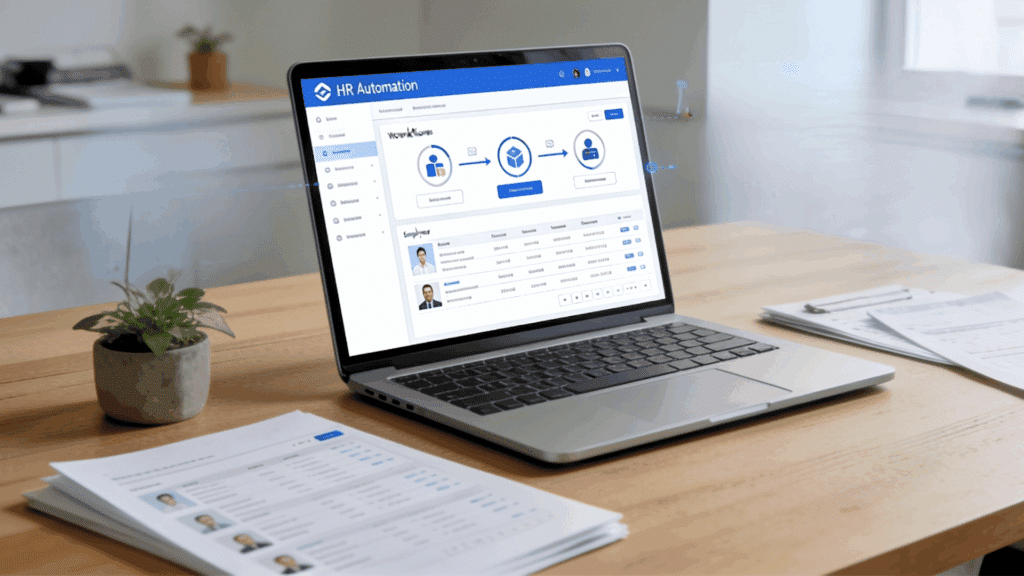
Someone has to set up the repayment deduction, and for that, payroll will see it.
At most companies, HR or benefits staff also see loan activity because they manage the plan on the employer’s behalf.
-
The Plan Record Keeper or Administrator
Most 401(k) plans are run day to day by an outside firm such as Fidelity, Empower, or Vanguard.
The record keeper processes your loan request, checks it against the plan’s rules, sends the money, and tells payroll how much to withhold.
-
Your Manager and Coworkers
Your direct manager is usually not notified and does not approve the loan. Plan records are treated as confidential, and access is typically limited to people who administer the plan.
Company size matters. At a small business, the owner or office manager may run payroll personally, so the person who sees your loan could be someone you work with every day.
What Payroll Usually Doesn’t See: Why You’re Borrowing
Most plans don’t ask why you’re borrowing for a general-purpose loan.
|
Who |
Sees the loan? |
Sees the reason? |
|---|---|---|
|
Payroll / HR |
Yes |
Generally no |
|
Record Keeper / Plan Administrator |
Yes |
Only if the loan type requires it (e.g., home purchase) |
|
Direct Manager |
Usually no |
No |
|
Coworkers |
No (possible at very small firms) |
No |
|
Credit Bureaus |
No |
No |
Are 401(k) Loan Payments Taken Out of Your Paycheck?
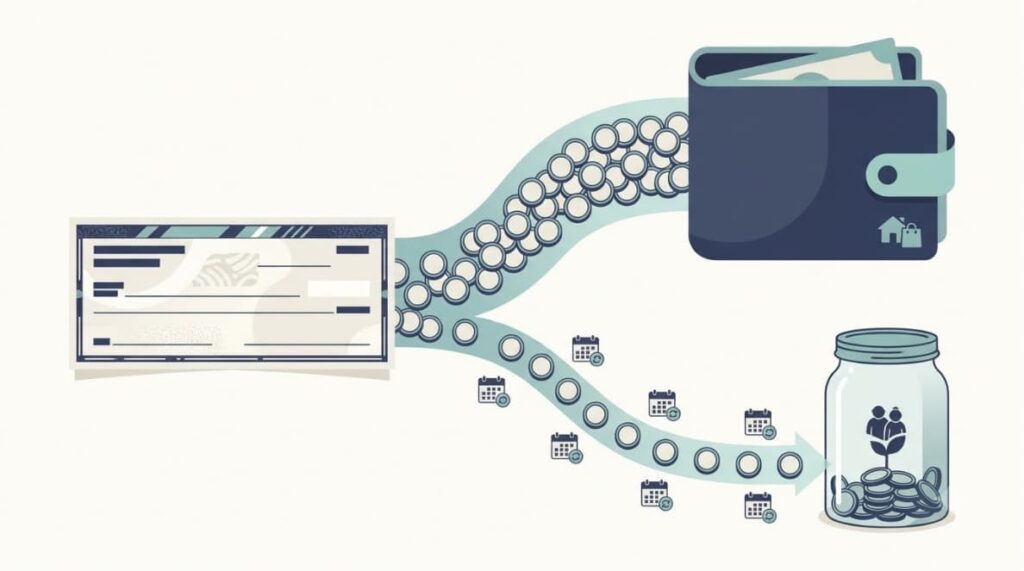
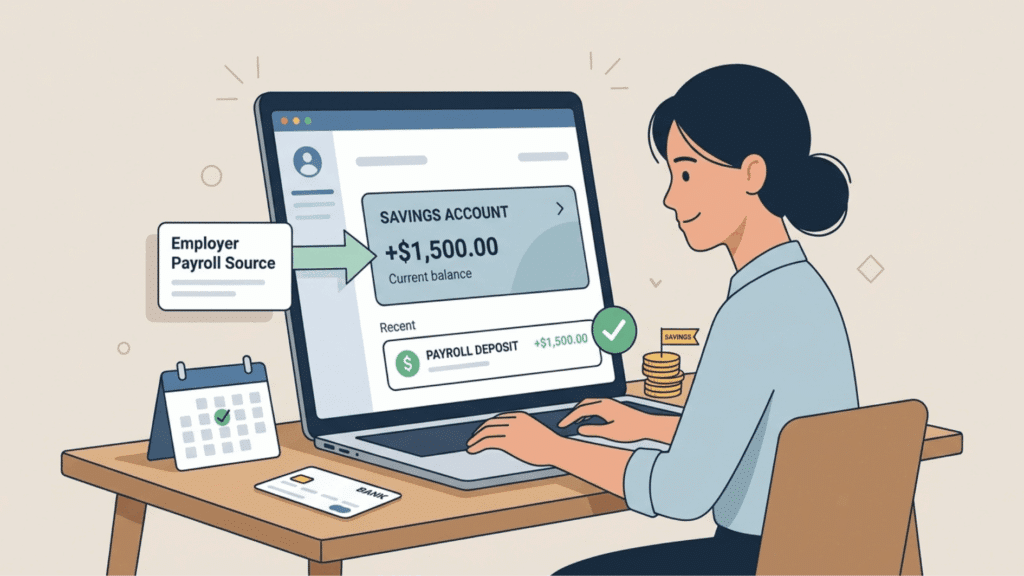
Yes, in most plans. Repayments are withheld from each paycheck on a fixed schedule set when the loan is issued.
Under those same IRS rules, the standard term is five years or less, and a loan to buy your primary home can run longer.
How Much Can You Borrow?
-
Up to 50% of your vested balance or $50,000, whichever is less.
-
Some plans let you borrow up to $10,000 even if that
’s more than half your balance. -
Your plan can also set a lower cap.
How Does the Payroll Deduction Work?
-
The record keeper sets a fixed payment per pay period until the loan is paid off.
-
Your record keeper will tell you which paycheck the first deduction comes out of.
-
Payments are automatic, so you can’t skip one.
What Does It Look Like on Your Pay Stub?
-
A separate line, often labeled “401(k) Loan” or “Loan Repay.”
If you are not sure where to look, here’s how to read each line of your pay stub.
Are Repayments Pre-Tax or After-Tax?
-
After-tax. The principal is not double-taxed because you didn’t pay tax on the loan money.
-
The interest is taxed twice, once when you repay it with after-tax money and again when you withdraw it in retirement.
-
That second tax only applies to the interest, not the amount you borrowed.
Can You Repay without Payroll Deductions?
-
Some plans allow extra payments or early payoff by check or bank transfer.
-
Many require payroll deduction while you’re employed. Check your Summary Plan Description (SPD).
What Happens During Unpaid Leave?
-
Plans can pause repayments for up to one year.
-
You still have to finish within the original term, so payments rise when you return.
-
Military leave has more generous rules. Ask your plan administrator before leave starts
How Much Will a 401(k) Loan Reduce Your Take-Home Pay?
Your loan repayment amount depends on how much you borrow, the interest rate, and how long you take to repay it.
Per paycheck
$91.27
Estimated deduction: $91.27 each paycheck, or $197.75 per month.
- Total repaid
- $11,865.19
- Interest paid
- $1,865.19
Estimated balance remaining
Show the numbers by year
| Year | Loan balance |
|---|---|
| 0 | $10,000 |
| 1 | $8,269 |
| 2 | $6,414 |
| 3 | $4,423 |
| 4 | $2,289 |
| 5 | $0 |
How it is worked out
- Periodic rate = annual rate ÷ paychecks per year.
- Payment = loan × rate ÷ [1 − (1 + rate)⁻ⁿ].
- Total interest = all payments − loan.
Estimate assumes equal payments at a fixed rate; plan terms and fees may change the amount.
Plug your own loan amount, rate, term, and payment frequency into any amortization calculator to get your number.
Keep Your Regular Contributions Going
A common mistake is cutting your 401(k) contribution to make room for the loan payment.
If you have an employer match, including a safe harbor 401(k) match, reducing contributions can mean giving up free money.
Your loan repayments won’t make up for it, because the IRS doesn’t count them as plan contributions.
What Happens If Paycheck Deductions Stop or Get Missed?
A missed deduction won’t sink your loan right away, but don’t ignore it either.
Payroll mistakes happen, especially after a new pay system or a change in your hours.
So check your pay stub every pay period and call your plan administrator once a loan payment goes missing.
Also see if you can make up the amount through the recordkeeper’s website.
If it isn’t made up, your plan may give you a grace period, up to the end of the calendar quarter after the one you missed.
After that, the loan goes into default, and the unpaid balance is treated as a distribution. You’d owe income tax on it and, if you’re under 59½, possibly an extra 10% tax.
Even after a default, you can still make the missed payments. They won’t cancel the tax bill, but they’re added to your tax basis, so you won’t be taxed on that money again later.
What Happens to Your 401(k) Loan If You Quit or Change Jobs?
If you quit your job or switch employers, your 401(k) loan doesn’t automatically disappear.
However, leaving your employer can change your repayment arrangements. What happens next depends on your retirement plan’s rules and outstanding loan balance.
-
Some plans require you to repay the remaining loan balance after leaving employment.
-
Other plans may allow continued payments under specific repayment arrangements.
-
Your former employer may offset the unpaid balance against your retirement account.
-
You may qualify for additional time to roll over an eligible loan offset.
-
Your new employer’s 401(k) plan won’t automatically take over your existing loan.
Pros and Cons of Taking a 401(k) Loan
A 401(k) loan can be a handy short-term fix, but it isn’t free money. But the trade-offs tend to show up later, usually when your paycheck shrinks or your job situation changes.
Pros
- Interest Goes Back to You: The interest you pay lands in your own account instead of a bank’s
- Your Credit Stays Untouched: There’s no hard inquiry, and the loan isn’t reported to credit bureaus
- Quick, Simple Approval: You skip lender paperwork, and funds often arrive within a few business days
Cons
- Missed Market Growth: Borrowed money sits out of the market, so your balance may grow slower
- Smaller Paychecks: Repayments come out of every check, shrinking your take-home pay for years
- Risk When You Leave a Job: Quitting or getting laid off can make the remaining balance due quickly or taxable
What Alternatives Should You Consider Before Borrowing?
A 401(k) loan feels easy because there’s no credit check, but that ease comes at a cost.
Every dollar you pull out stops growing, and leaving your job mid-loan can turn the balance into a tax bill.
-
Emergency Fund: Even a small cash cushion covers surprise bills without touching retirement money or adding another monthly payment.
-
Personal Loan: A fixed-rate loan from a bank or credit union keeps your retirement savings invested, though rates depend on your credit.
-
0% APR Credit Card: An intro offer works for smaller expenses when you can clear the full balance before the promotional period ends.
-
Payment Plan With the Biller: Hospitals, utilities, and even the IRS often agree to monthly installments, which can cost far less than borrowing.
-
Hardship Withdrawal: This permanently takes money out of your 401(k) for urgent needs, but you’ll owe income tax and possibly a penalty.
Key Takeaway
To your company, taking a 401(k) loan is a payroll task, not a note in your personnel file.
If your job feels steady and the smaller paycheck still covers your monthly bills, a loan can work.
If either feels shaky, a payment plan with the biller or a personal loan may be the safer move.
Have you ever taken a 401(k) loan, or are you considering one? Share your experience, questions, or concerns in the comments below.
Frequently Asked Questions (FAQs)
How Long Does It Take to Get the Money from a 401(k) Loan?
Usually a few business days to about two weeks. Online requests with direct deposit are fastest. Mailed checks or spousal consent requirements take longer.
Are There Fees for Taking a 401(k) Loan?
Often, yes. Many plans charge a one-time origination fee, and some add an annual maintenance fee. Check your plan’s fee disclosure for the amounts.
Can I Take a Loan from a Previous Employer’s 401(k)?
Usually not, since repayments run through payroll. You may be able to roll the old balance into your current plan if it accepts rollovers and allows loans.