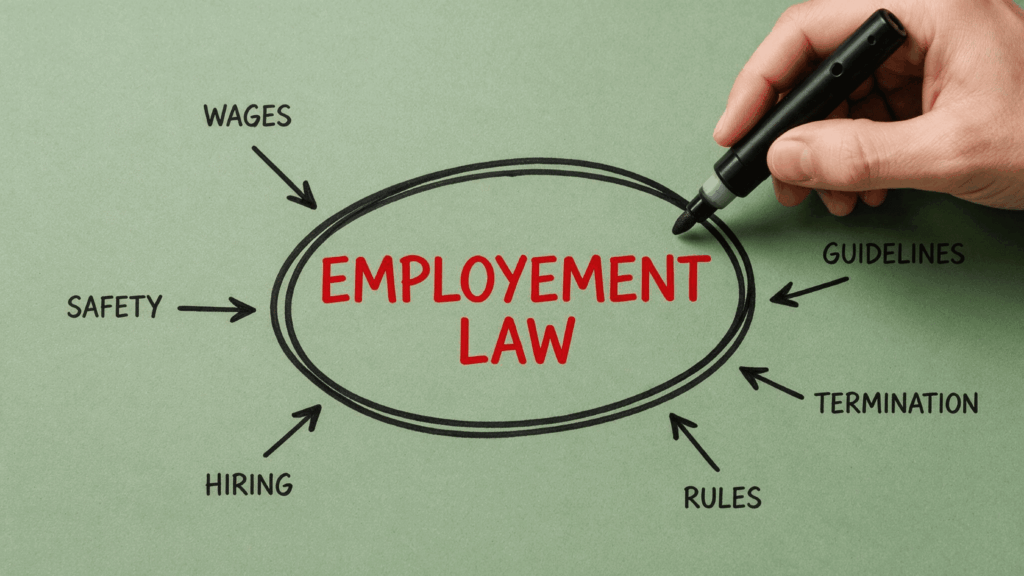


Legal disputes drag on for years. Compliance failures cost companies their reputation and their revenue.
Individuals sign agreements they don’t understand, only to face consequences they never expected. These problems are far more common than they should be and, in most cases, preventable.
The issue is not that people ignore the law. It is that they do not understand the system that sits behind it. Knowing a rule exists is one thing.
Understanding how it is created, enforced, and interpreted is another. That difference matters far more than most people ever stop to consider.
What is a Legal Framework?
A legal framework is the organized system of laws, rules, procedures, and institutions that governs how legal matters are created, interpreted, applied, and enforced.
Think of it as the operating system beneath the law itself, not just the rules, but the structures that create them, the institutions that apply them, and the enforcement bodies that make them real.
Without it, laws would exist as text with nothing behind them.
What are the Different Types of Legal Frameworks?
A well-built legal framework does more than establish rules. It creates the conditions where those rules can actually work.
1. National Legal Frameworks
National legal frameworks consist of the laws and regulations that apply within a particular country. They provide the legal foundation for governance, public administration, and individual rights.
Examples: Constitutional Law, Criminal Law, and Tax Law
2. International Legal Frameworks
International legal frameworks help countries address issues that require cooperation beyond national borders. These frameworks are established through treaties, conventions, and agreements.
Examples: International Trade Agreements, Human Rights Conventions, and Environmental Treaties.
3. Industry-Specific Legal Frameworks
Industry-specific legal frameworks focus on the unique requirements of particular sectors. They help organizations meet legal obligations, maintain standards, and protect stakeholders.
Examples: Corporate Governance Regulations, Data Privacy Laws, Healthcare Regulations, Environmental Protection Laws, and Labor Laws.
Benefits of a Strong Legal Framework
A strong legal framework offers several advantages for individuals, organizations, and society as a whole, including:
- Promotes Stability and Order: Establishes clear rules and expectations, helping maintain social and economic stability.
- Protects Rights and Interests: Safeguards the rights of individuals, businesses, and institutions while ensuring legal protections are in place.
- Supports Fair Decision-Making: Encourages consistent and impartial application of laws and regulations.
- Enhances Accountability: Holds individuals and organizations responsible for their actions and legal obligations.
- Reduces Legal Uncertainty: Clarifies rights, responsibilities, and procedures, making it easier to navigate legal matters.
- Encourages Compliance: Helps organizations and individuals understand and follow applicable laws and regulations.
- Facilitates Economic Growth: Creates a predictable legal environment that supports business operations, investment, and innovation.
- Strengthens Public Trust: Builds confidence in legal institutions and governance systems through transparency and fairness.
What are the Key Elements of a Legal Framework?
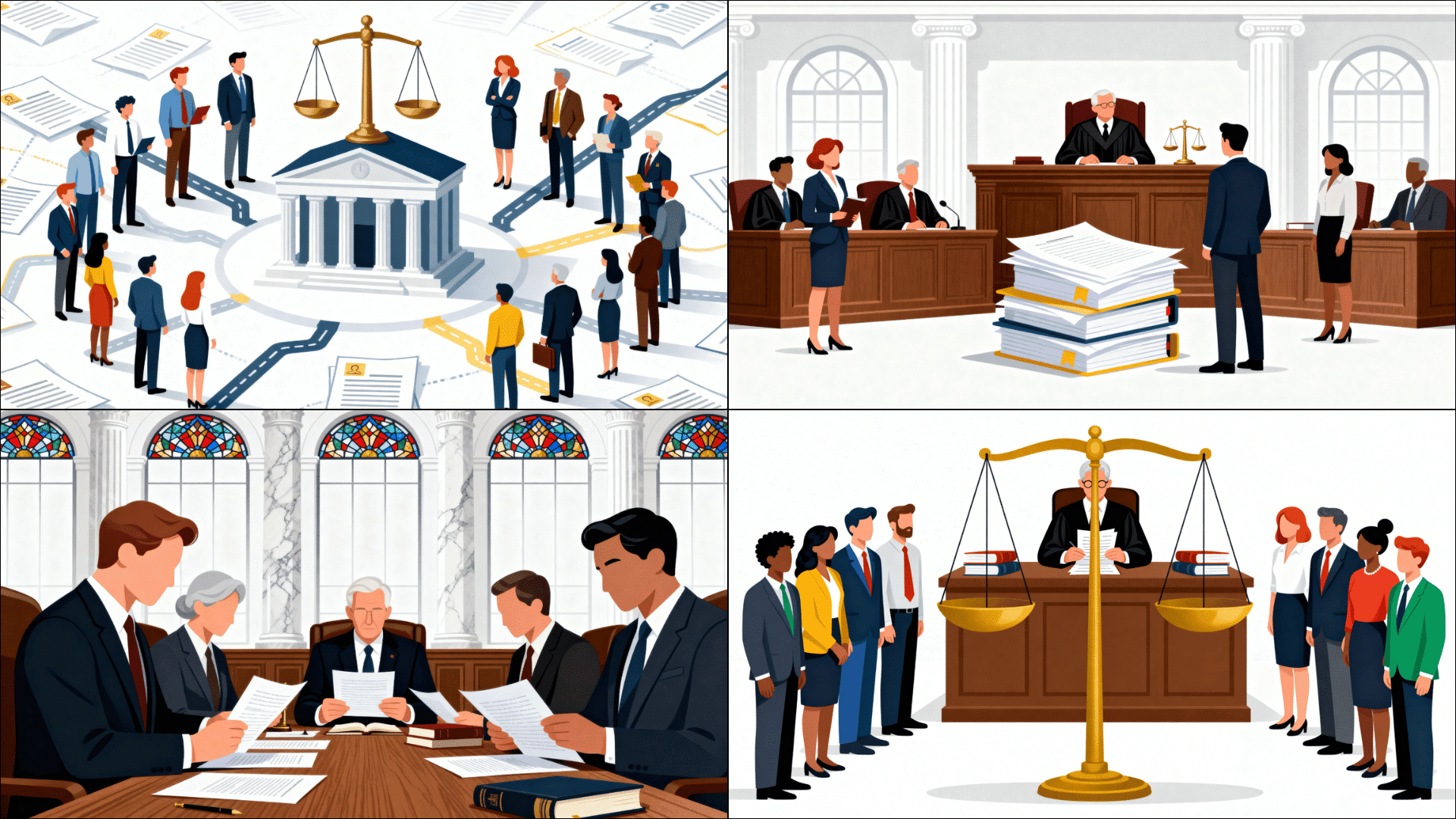
It is built on a combination of guiding principles, formal rules, and institutions that help legal systems function effectively.
1. Rule of Law
The rule of law ensures that all individuals, organizations, and government bodies are subject to the law.
It prevents arbitrary decision-making and promotes consistency by requiring legal rules to be applied equally and fairly.
2. Justice and Fairness
Justice and fairness help ensure that legal processes are impartial and balanced.
These principles support equal treatment, protect individual rights, and provide mechanisms for resolving disputes objectively.
3. Accountability and Transparency
A strong framework relies on accountability and transparency to build trust.
Public institutions, businesses, and individuals must be answerable for their actions, while legal processes should remain open and understandable whenever possible.
4. Laws and Legislation
Laws and legislation form the foundation. They establish legal standards, define rights and responsibilities, and provide the basis for regulating conduct within a particular jurisdiction.
In the U.S., for example, the Civil Rights Act of 1964 is a piece of legislation that sits at the center of employment law frameworks across the country.
5. Regulations and Guidelines
Regulations and guidelines provide practical direction on how laws should be implemented and followed.
They help clarify legal requirements and support consistent application across different situations and industries.
6. Judicial Systems and Courts
Courts and judicial bodies interpret laws, resolve disputes, and ensure that legal decisions align with established legal principles.
Their role is essential in maintaining legal consistency and protecting the integrity of the system.
7. Enforcement and Regulatory Bodies
Enforcement agencies and regulatory authorities oversee compliance with legal requirements.
They monitor activities, investigate violations, and take appropriate action when laws or regulations are not followed.
How Does a Legal Framework Work?
It works by establishing laws, implementing them, and ensuring they are followed.
Governments and authorized bodies create laws to regulate activities and address specific issues, while regulations provide guidance on their implementation.
Regulatory authorities monitor compliance and may take action when requirements are not met.
If disputes or legal violations arise, courts and other legal institutions review the matter and apply the relevant laws to reach a decision.
Through this process, legal frameworks help maintain order, support accountability, and ensure that legal rules are applied consistently.
Legal Framework vs Regulatory Framework
A quick comparison of how legal frameworks establish requirements and how regulatory frameworks guide compliance
| Aspect | Legal Framework | Regulatory Framework |
|---|---|---|
| What it is | Laws and legal principles | Rules that implement the laws |
| Created by | Legislatures and courts | Regulatory agencies |
| Scope | Broad and overarching | Specific and operational |
| Purpose | Establishes legal requirements | Defines compliance requirements |
| Enforcement | Courts and the legal system | Regulators and oversight bodies |
| Changes | Usually slower | Usually faster |
| Example | GDPR | GDPR compliance guidelines |
| Relationship | Sets the foundation | Implements the foundation |
Wrapping Up
A legal framework plays a vital role in creating structure, promoting accountability, and supporting fair decision-making across different sectors.
By understanding its key elements, how it functions, and where it is applied, readers can better appreciate its impact on society, businesses, and governance.
As laws and regulations continue to evolve, having a foundational understanding of legal frameworks becomes increasingly valuable.
Frequently Asked Questions
What Happens When a Legal Framework is Violated?
Authorities may impose penalties, sanctions, or prosecution. Courts can invalidate actions, triggering regulatory consequences, appeals, or institutional reforms depending on severity.
What is the Punishment for Framing Someone?
Framing someone is a serious crime. Offenders face imprisonment, fines, and criminal records for offenses like perjury, evidence tampering, or obstruction of justice.
Can I Sue Someone for Framing Me?
Yes. You can file a civil lawsuit for malicious prosecution, defamation, or intentional infliction of emotional distress, seeking monetary damages from the offender.