

A missed break may seem like a small workplace issue, but under Oregon break laws, it can affect employee pay, workplace rights, and employer responsibilities.
If you are an employee checking your rights or an employer trying to follow Oregon labor law breaks, this blog will help you understand these requirements and can help avoid confusion and costly mistakes.
This blog explains Oregon’s meal and rest break rules, payment requirements, exceptions, and common workplace situations.
What are Oregon Break Laws?
Oregon break laws set the minimum requirements employers must follow when providing meal periods and rest breaks to employees.
Under Oregon Revised Statute 653.261 and OAR 839-020-0050, most employees working an 8-hour shift are entitled to two paid 10-minute rest breaks and one unpaid 30-minute meal break.
Rest breaks are paid and must generally be provided during work hours, while meal periods are unpaid when employees are fully relieved of their duties.
The timing and length of breaks depend on the number of hours an employee works, with longer shifts requiring additional break time.
These rules help ensure employees have adequate time to rest, eat, and recover during their workday.
Oregon Labor Laws Breaks and Pay Rules

Knowing when meal breaks are required and when they must be paid can help employees and employers follow Oregon law.
| Rule | Requirement | Pay |
|---|---|---|
| Rest Breaks | 10-minute rest break for every 4 hours worked or major portion of it. | Paid break time. |
| Meal Breaks | 30-minute meal break required for shifts longer than 6 hours. | Unpaid if fully relieved from work. |
| Break Timing | Breaks should be provided at appropriate intervals during the shift. | Cannot be skipped or added to shift start/end. |
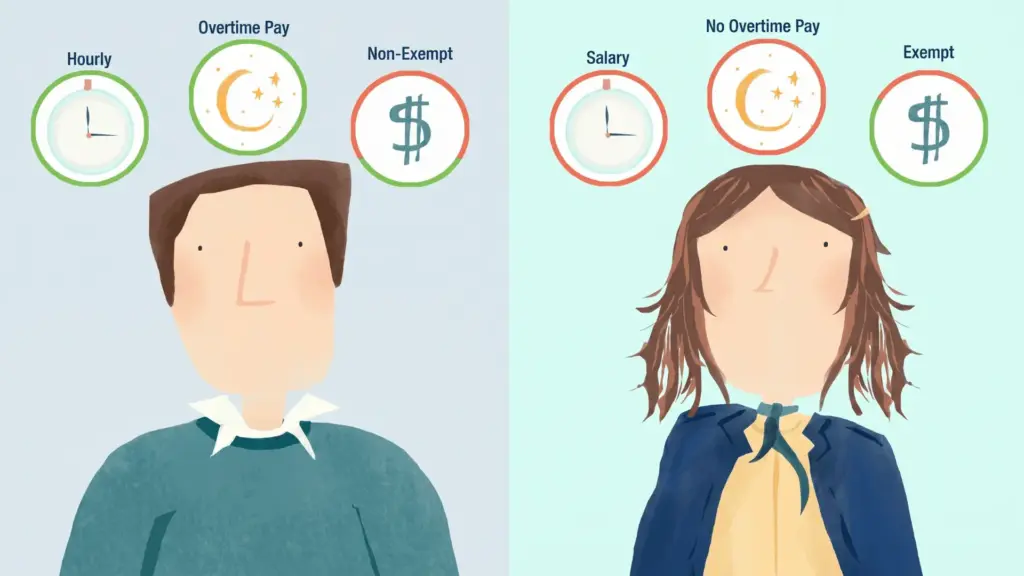
| Overtime Pay | Employees generally receive overtime after 40 hours in a workweek. | Paid at 1.5 times the regular rate. |
| Break Violations | Employers must follow required break rules. | Employees can report violations to BOLI. |
Can Employers Deny Breaks in Oregon?
Employers cannot deny legally required breaks under Oregon break laws. Employers are responsible for providing required meal periods and rest breaks based on an employee’s work schedule.
A workplace cannot simply prevent employees from taking breaks, discourage them from using break time, or create conditions that make required breaks difficult to take.
Employees also have the right to report missed or denied breaks without being punished for raising concerns.
Tracking work hours, missed breaks, and communication with supervisors can help employees document potential violations.
| Can You Be Fired for Reporting Break Violations: No. In Oregon, an employer cannot legally fire or retaliate against an employee for reporting meal or rest break violations. Workers are protected when they raise concerns about their workplace rights or file a complaint, and it helps to know what retaliation casestypically look like so you can recognize one early. |
What Happens If an Employer Misses a Required Break?
Employers who fail to provide required breaks under Oregon law may face penalties, and employees may have the right to recover unpaid wages. Keeping accurate records can help support a break-related claim.
Employees May Receive Additional Compensation
When an employer does not provide required meal or rest breaks, employees may be entitled to additional compensation. Oregon law allows employees to recover unpaid wages for missed breaks in certain situations.
Employers May Face BOLI Penalties
The Oregon Bureau of Labor and Industries can assess civil penalties of up to $1,000 per violation. Employees may also be owed unpaid wages of up to 30 days of pay at their regular hourly rate, calculated at 8 hours per day.
Employees Can File a Wage Claim With BOLI
Employees can file a wage claim with the Oregon Bureau of Labor and Industries (BOLI). BOLI reviews the claim, investigates possible violations, and may order back pay or issue penalties if the employer failed to follow break laws.
Common Workplace Scenarios Under Oregon Break Laws
Common workplace situations can affect break requirements, so employees and employers should know how these rules apply.
1. Required Breaks Cannot Be Waived
Employers must still provide required meal and rest breaks, even when an employee prefers to skip them.
They cannot encourage workers to give up required breaks or create conditions that make breaks difficult to take.
If an employee regularly misses breaks because of workload, staffing shortages, or supervisor pressure, the employer may need to fix the underlying issue.
2. Working Through Meal Breaks Requires Pay
A meal break may need to be paid if the employee continues performing work duties.
Answering customer questions, monitoring equipment, taking calls, or completing assignments can mean the employee was not fully relieved from work.
Employees who are regularly expected to work through lunch should document the situation and report it to a supervisor or HR.
3. Oregon Rest Breaks Must Be Paid
Required short rest breaks must be paid under Oregon break laws. Employers cannot deduct this time from wages or require employees to clock out.
Paid rest periods count as working time and must be included when calculating total hours worked.
Common Violations of Meal and Rest Break Rights in Oregon
Common violations may happen when required breaks are skipped, shortened, delayed, or employees are asked to continue working during break periods.
- Skipping Required Breaks: Employers fail to provide legally required meal or rest periods during a shift.
- Interrupting Breaks: Employees are asked to perform work tasks or remain available while taking a required break.
- Shortening break time: Workers receive less than the required break duration instead of the full allowed time.
- Delaying meal periods: Employers do not provide meal breaks within the required timeframe during longer shifts.
- Not paying required break time: Employers fail to pay employees for required rest breaks or time worked during interrupted meal periods.
- Discouraging employees from taking breaks: Workers may feel pressured to skip breaks due to workload or employer expectations.
What to Do if Your Employer Isn’t Following the Law?
If your employer is not following Oregon break laws, it is important to keep track of any missed, shortened, or interrupted meal and rest breaks.
Write down the dates, hours worked, and details about what happened, including whether you were asked to work during a break or were not given the required break time.
You can first raise the concern with your employer or supervisor and ask for the issue to be corrected.
For employers, a lot of this comes down to good tracking; payroll software that logs hours and break times makes it far easier to stay compliant in the first place.
Keeping clear records, such as schedules, time records, and communication about breaks, can help support your claim and show what occurred.
If the problem continues, you may file a complaint with the Oregon Bureau of Labor and Industries (BOLI), which handles workplace rights complaints.
Final Thoughts
Knowing Oregon break laws helps both employees and employers meet their workplace responsibilities.
Knowing when meal and rest breaks are required, how long they should last, and whether they must be paid can reduce confusion and help prevent wage and hour violations.
If you are unsure whether your workplace is following Oregon labor law breaks, review the applicable state requirements or speak with your employer.
Staying informed about your rights and obligations helps create a fair, compliant, and productive work environment.
Frequently Asked Questions
Are 15-Minute Breaks Required by Law in Oregon?
A 15-minute break is only required by law for minor employees, who are entitled to a paid 15-minute rest break for every 4 hours worked. For adult employees, the state requires paid 10-minute rest breaks, not 15-minute breaks
How Many Breaks Do You Take on A 12-Hour Shift?
On a 12-hour shift, you typically receive 3 to 4 breaks, consisting of 1 to 2 meal breaks and 2 shorter rest breaks, similar in structure to what you’d see on a 10-hour shift, just with one more break added in.
How Long Do I Have to File a Complaint About Missed Breaks in Oregon?
Deadlines vary depending on whether you file a BOLI wage claim or a court lawsuit. Since time limits are strict, consider taking action quickly by contacting BOLI or an Oregon employment lawyer.