

Ever felt stuck when a company wrongs you, but you are unsure what legal steps to take next? Many people face disputes, financial losses, or unfair treatment and struggle to understand their options.
If you are wondering how to sue a company, the process becomes clearer when broken into simple steps.
It starts with checking if you have a valid claim, gathering evidence, filing the lawsuit correctly, and understanding what happens throughout the case.
This explains the key steps involved, from preparing your claim to navigating the court process and knowing what to expect after filing.
Common Valid Reasons to Sue a Company
You may have a valid case if your situation falls under recognized legal grounds that provide protection and remedies under the law.
Companies can be held accountable in several different ways, depending on what actually happened and how it affected you.
- Breach of contract: The company failed to meet the agreed terms
- Personal injury: Injury caused by negligence or unsafe conditions
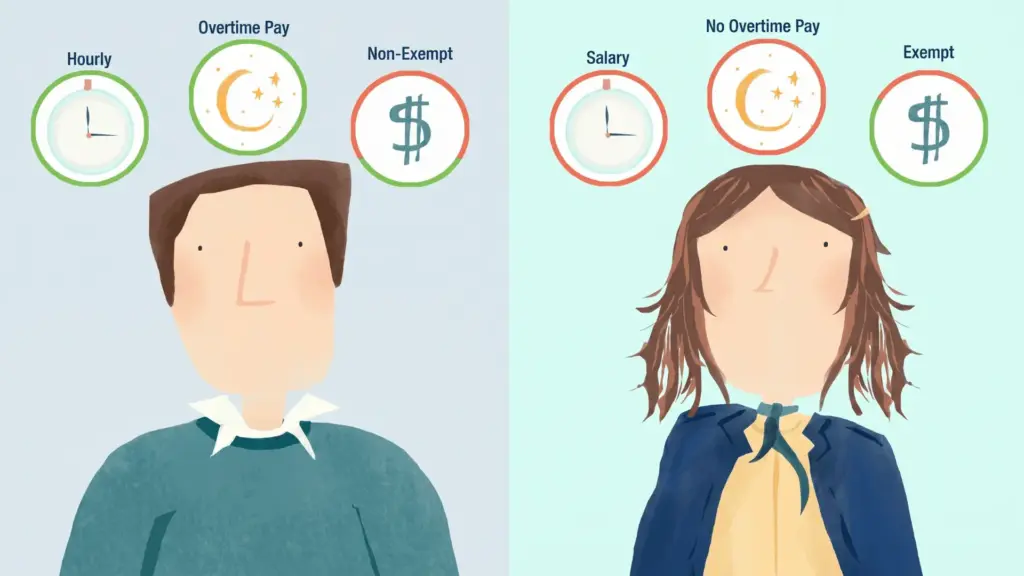
- Employment disputes: Wrongful termination, harassment, or unpaid wages
- Defective products or services: Harm caused by faulty goods or services
- Fraud or misrepresentation: Deceptive practices that led to loss or harm
These are some of the most common legal grounds for taking action against a company, but no two cases look exactly alike.
The strength of your case will always come down to the specific facts involved and the quality of evidence you’re able to gather to support your claim.
Do You Have a Valid Claim to Sue?
Before anything reaches a courtroom, three things need to be in place: a legitimate legal claim, solid evidence, and enough time left on the clock to file.
Here’s what each one involves:
- Recognized legal ground: Your issue must fall under a recognized area of law, such as contract disputes, negligence, or employment violations, not just any disagreement.
- Not every dispute needs a lawsuit: Some issues can be resolved through negotiation, refunds, or formal complaints without ever going to court.
- Supporting documentation: Gather contracts, invoices, or agreements; emails, messages, or other written communications; photos, videos, or incident records; and medical or financial documents, if relevant.
- Strength of your case: Without solid evidence, it becomes much harder to prove your claim or negotiate a fair outcome.
- Statute of limitations: Every legal claim has a filing deadline that varies by case type and location, and missing it can result in your case being dismissed even if the claim itself is valid.
Confirming these three pieces first, a valid claim, strong evidence, and time still on your side, sets the foundation for everything that follows in the filing process.
How to File a Lawsuit Against a Company?
If your issue with a company is not resolved through negotiation or a demand letter, the next step is to take formal legal action.
This process follows specific court procedures that must be done correctly to move your case forward.
Before Filing a Lawsuit
| Step | Description |
| Identify the correct legal entity | Sue the right legal entity, not just the brand name. The wrong defendant can delay or weaken the case. |
| Send a demand letter | The first formal step, explaining the issue, responsibility, and compensation request, often leads to settlement. |
| Evaluate settlement early | Weigh the cost and time of a full case against a quicker resolution before deciding whether to file at all. |
Step 1: Gather Evidence and Calculate Damages

Gather contracts, receipts, emails, texts, and photos related to your dispute, then organize them chronologically. Keep both digital and physical copies safe.
Note down witnesses’ contact details and ask for a written statement early, before memories fade.
Add up your losses, including payments, repairs, and lost wages, plus any applicable damages, such as emotional distress. Keep receipts to support your claim.
Step 2: Check for Arbitration Clauses
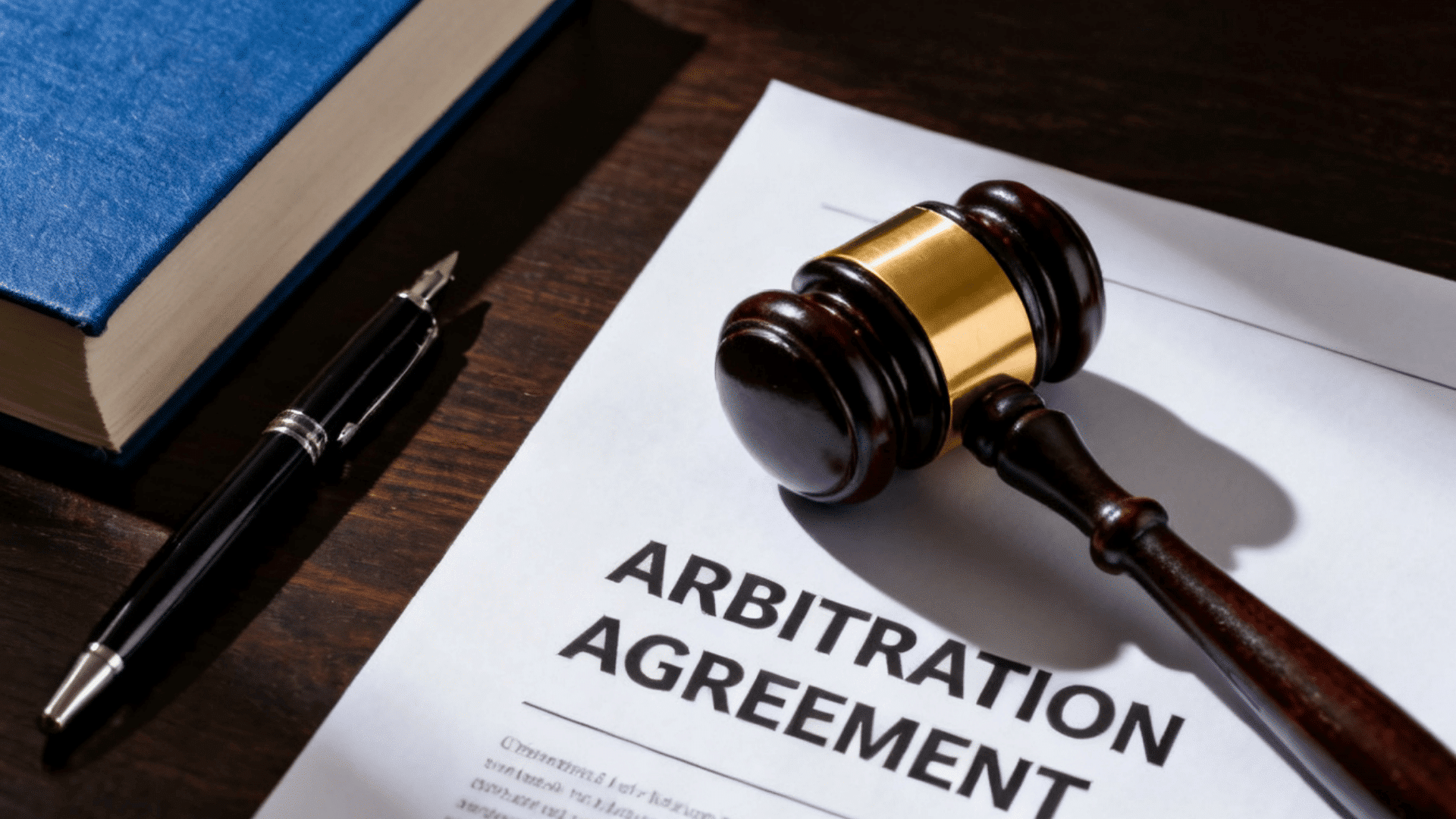
Check your agreement for arbitration clauses, often labeled “arbitration” or “dispute resolution.” Request a copy from customer service if you can’t find the original.
Arbitration resolves disputes privately and may be “binding,” making the decision final while waiving your right to join a class action.
Some clauses exempt small claims court or specific disputes under local law. If unsure, a quick legal consult can clarify your options.
Step 3: File an Official Complaint with a Government Agency

Identify the right agency, such as the BBB, state Attorney General, CFPB, or FTC, using your state consumer protection office for guidance.
Write a factual complaint with dates, names, and actions, attaching supporting documents in the agency’s required format.
Note your case number for follow-up. Even if unresolved, it creates a useful record for a future lawsuit.
Step 4: Send a Demand Letter
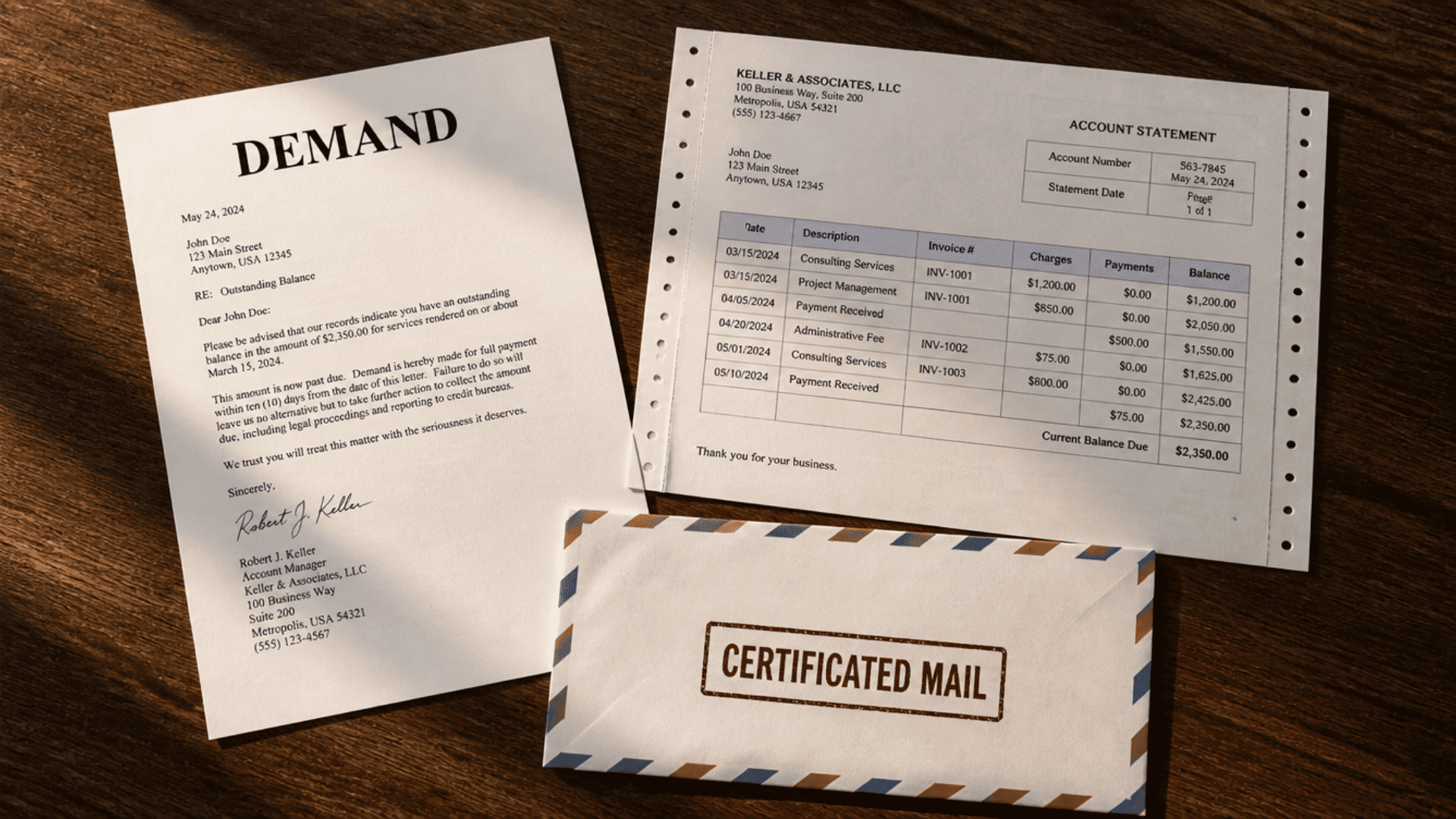
Summarize what happened and the remedy you want, referencing supporting documents like receipts or photos.
Give the company a 10–30-day deadline to respond, and state what will happen if they don’t meet it.
Send via certified mail with a return receipt, keeping a copy, addressed to their legal or claims department if possible.
Step 5: Determine the Court and Serve the Company

Small claims court suits smaller disputes without a lawyer, while civil court handles larger, complex claims. Check your state’s dollar limits before filing.
Get the correct forms, fill them out accurately, and pay the filing fee. Submit to the clerk’s office and keep your case number.
Serve the company in accordance with your jurisdiction’s rules, often via certified mail or a process server, targeting the correct legal entity. Keep proof of service on file.
What to Expect During & After the Lawsuit
Once your case is filed, it moves through several distinct stages before reaching a resolution. Here’s what to expect at each step along the way.
- The Pleading Stage (Filing & Response): The company formally responds to your complaint by admitting or denying your claims and may also raise defenses or file counterclaims against you.
- The Discovery Phase: Both sides exchange key evidence, including documents and contracts, emails and other written communications, witness statements, and, if applicable, expert reports, revealing how strong each side’s position really is.
- Motions and Pre-Trial Negotiations: Either party may file motions such as a motion to dismiss, a motion for summary judgment, or a motion to compel evidence, and this is typically where settlement discussions peak, since both sides now have a clearer picture of the evidence and the risks of trial.
- Trial: If the case isn’t settled, it proceeds to trial, where both sides present evidence and arguments before a judge or jury, and a final decision resolves the dispute, though either side may still appeal.
Each stage builds on the last, so understanding this sequence helps you know where your case stands and what to prepare for next.
Small Claims Court vs Full Civil Lawsuit
Not every dispute requires a full civil lawsuit. The right court depends on factors such as the amount of money involved, case complexity, and the type of resolution you need.
| Aspect | Small Claims Court | Full Civil Lawsuit |
|---|---|---|
| Best For | Smaller, simple disputes | Complex cases involving larger claims |
| Claim Amount | Lower-value claims within state limits | Higher-value claims beyond small claims limits |
| Process | Faster, simpler, and usually less expensive | Longer process with formal legal procedures |
| Evidence Needed | Basic documents and records | Detailed evidence, witness statements, and legal filings |
| Legal Help | Often handled without a lawyer | Usually requires legal guidance |
Reviewing your claim size, evidence, and legal requirements helps determine the better path, saving time, money, and effort.
Going to Trial and Final Outcome
If settlement talks fail and no resolution is reached beforehand, the case moves into its final and most formal stage, trial. Here’s what unfolds once the courtroom becomes the last option left.
During trial, both sides presentevidence and arguments, witnesses may be questioned, and a judge or jury evaluates the case. The court reviews all facts before deciding the outcome.
Possible outcomes vary depending on how the evidence holds up. The court may rule in your favor and award compensation or a remedy, rule against you and dismiss the claim, or, in some cases, issue a partial judgment. Results can fully or partially support either side.
If either side believes there was a legal error, they may file an appeal to a higher court. This means a decision is not always final and can still be reviewed.
Final Thoughts
Understanding how I can file a lawsuit against a company gives you a clear path when dealing with disputes that feel overwhelming. Once you break the process into simple steps like identifying your claim, gathering evidence, and choosing the right court, it becomes much easier to take action with confidence.
Knowing what to expect at each stage also helps you avoid delays and common mistakes that can weaken your case. With the right preparation, you can move forward more clearly and protect your rights effectively.
If you’re dealing with a similar issue, take the first step by reviewing your situation carefully and preparing your documents.
Start your legal process today by consulting a qualified professional and gaining a clear understanding of your options.
Leave your questions or experiences in the comments below.
Frequently Asked Questions
How Much Does It Cost To Sue A Company?
Costs vary widely depending on court filing fees, attorney fees, and overall case complexity, with small claims court remaining the most affordable option.
How Long Does It Take To Sue A Company?
Small claims cases typically resolve within a few months, while more complex civil lawsuits can take well over a year to reach a final outcome.
Can You Sue A Company In Another State?
Yes, but only if the court has proper jurisdiction, which is usually based on where the company operates or where the incident occurred.