

Waiting to hear back after a job offer is stressful. You want to know how long a background check takes before you can move forward with your plans.
The truth is, timelines vary. Some checks finish in minutes. Others take a few days.
It depends on what’s being checked and how fast records come back. Criminal history, employment, and education checks each work a little differently.
This blog covers the factors that affect timelines, how long a background check takes for a job, and common causes of delay, giving you a clear picture of what to expect.
How Long Does a Background Check Take?
Most standard employment background checks take 1 to 5 business days, though basic database searches often return in under an hour, while detailed screenings covering criminal, education, and employment records take longer.
A background check involves multiple steps: gathering information, verifying records, checking sources, and reviewing the report for accuracy.
Timelines depend on the type and number of screenings, the availability of records, and how quickly employers, schools, or agencies respond.
A longer wait doesn’t mean there’s a problem; it often just means certain records need extra confirmation.
What Happens During the Background Check Process?
A background check moves through several stages before results are delivered. Each stage can affect the final completion time.
Step 1: Collecting Candidate Information and Consent

Background checks can take anywhere from minutes to several days, depending on complexity. Basic searches are fast; detailed screenings take longer.
A background check means gathering, verifying, and reviewing records; timelines vary by type and response speed.
A longer wait doesn’t mean there’s a problem; it often just means certain records need extra confirmation.
Step 2: Searching Records and Databases

Once information is collected, the screening provider searches relevant databases and records based on the employer’s requirements.
Checks may cover criminal history, identity, driving records, employment, and education.
Some searches complete quickly through online databases, while others require manual record retrieval.
Step 3: Verifying Information
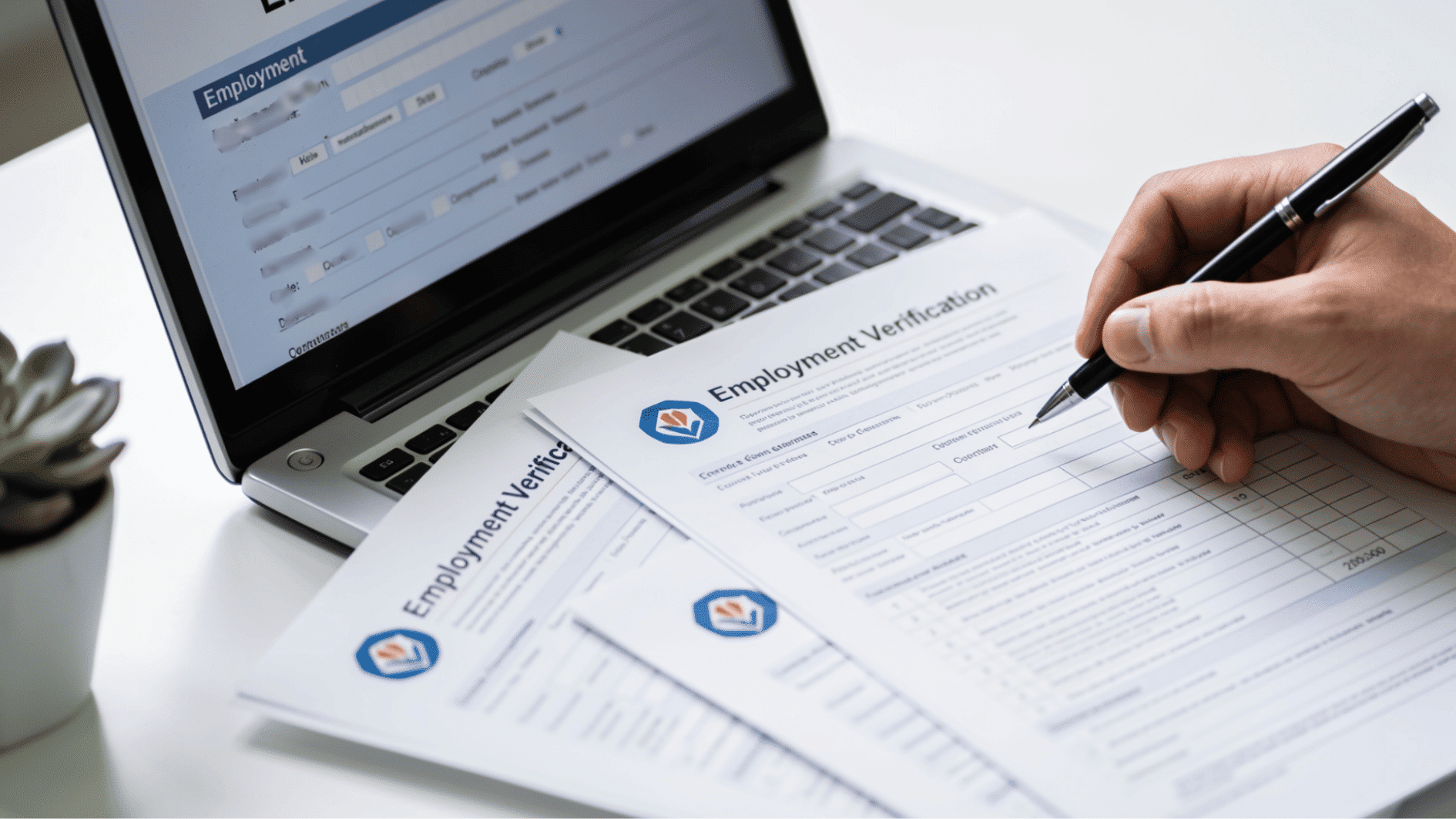
Some information needs confirmation from outside sources, such as previous employers, educational institutions, or courts.
Employment verification may involve contacting a previous employer if digital records aren’t available.
This verification stage is often where delays occur because the timing depends on how quickly another organization responds.
Step 4: Reviewing and Completing the Report

After records are collected, the information is reviewed and compiled into a final report.
The completed report is then shared with the employer, who evaluates the results based on the requirements of the role.
State and Federal Laws That Affect Background Checks
Background check timelines are not only affected by record availability and verification steps but also by legal requirements.
Federal and state regulations can add specific processes that employers must follow before and during screening.
| Law / Regulation | Impact on Timeline | Example |
|---|---|---|
| FCRA | Requires consent and proper notices before screening begins. | Delayed authorization can pause the check. |
| State Reporting Laws | Limits and review rules may slow record searches. | Some states restrict older criminal records. |
| Ban-the-Box Laws | Changes when employers can request criminal history. | Criminal checks may occur later in the hiring process. |
| Privacy Regulations | Extra disclosure steps can add time. | Additional consent requirements before screening. |
| Industry Regulations | Required screenings can extend timelines. | Healthcare or finance roles may need extra checks. |
While regulations may add steps, they ensure the process remains accurate, fair, and compliant.
Background Check Duration by Category
Some checks return results within minutes through digital databases, while others take longer if manual verification or direct contact with institutions is required.
Different background checks have different timelines, depending on the sources involved and how records are accessed for each screening type.
- Criminal Checks: Minutes to days. Databases are fast; county records require manual retrieval; and federal records are quicker than multi-state records.
- Employment Verification: Minutes to days; database records are quick; direct employer contact takes longer.
- Education Verification: Minutes to days; digital systems are faster; direct contact with schools or old records adds time.
Turnaround times ultimately depend on scope, record access, and response time differences, which help set realistic expectations for each type of background check.
Common Delays: Slow responses, incorrect details, or records needing manual confirmation.
What to Do if You Disagree with Your Background Check Results?
If you believe your background check contains inaccurate or outdated information, you have the right to dispute it.
Under the Fair Credit Reporting Act (FCRA), you can request a reinvestigation from the background check company.
Start by requesting a copy of your report and reviewing it carefully for errors, such as mismatched records or incorrect personal details.
Then, file a dispute directly with the screening company, providing supporting documentation where possible.
The company is required to investigate your claim, typically within 30 days, and correct or remove any inaccurate information.
If the dispute affects an employment decision, you may also want to communicate directly with the employer while the correction is underway.
Conclusion
Now you know how long a background check takes and what shapes that timeline. From database speed to court processing and employer response times, each factor plays a role in the final result.
Criminal, employment, and education checks all move at their own pace, and delays don’t always mean something’s wrong.
So if you’ve been wondering how long a background check takes, the answer is: it depends, but now you know exactly what to expect.
Ready to move forward? Reach out to a trusted screening provider to get your check started today.
Have questions about your own background check timeline? Drop them in the comments below; we’d love to help!
Frequently Asked Questions
Can I Speed up My Background Check by Paying Extra?
Expedited services are available, but results still depend on how quickly external sources respond.
Do Weekends and Holidays Affect Background Check Turnaround Time?
Yes, most sources don’t process requests on weekends or holidays, which can add a day or two.
Will a Background Check Show Results from Another Country if I’ve Lived Abroad?
Possibly, but international checks often take longer due to different record systems and privacy laws.