
|
Key Takeaways:
|
Two employees disagree over a project deadline. A team member feels overlooked during a meeting. A manager and a direct report see the same task differently. None of these moments are unusual, even on teams that work well together.
Conflict resolution in the workplace is the process of addressing these disagreements before they affect trust, communication, or output.
Left alone, small disputes tend to grow, chip away at morale, and slow down collaboration between people who otherwise work well together.
It is important to know why conflict happens, how it shows up in different situations, and what managers and HR teams can do about it, from handling a dispute between two employees to preventing the next one.
How Does Conflict Impact the Workplace?
Employee conflict impacts the workplace by lowering morale, cutting productivity, and weakening trust across a team, even when only two people are directly involved in the dispute.
Unresolved disagreements rarely stay contained. They spread through daily interactions, slow down decision-making, and make people more cautious about collaborating with each other.
Over time, this shows up as reduced individual and team output, higher day-to-day stress, and weaker cooperation between departments that once worked smoothly together.
Employees who feel unheard or caught in ongoing tension are also more likely to disengage or leave, driving up voluntary turnover.
Left unaddressed, conflict doesn’t just affect the people involved; it changes how the entire team communicates, performs, and trusts its leadership.
In more serious cases, such as disputes over withheld pay, employees may need to look beyond internal resolution and understand their options for resolving an unpaid wage claim.
Advisory: Not every disagreement needs a formal process. Managers should weigh how serious, frequent, and disruptive a conflict is before deciding whether a quick conversation or a documented intervention is the right response.
What Causes Employee Conflict in the Workplace?
Most workplace disputes trace back to a handful of recurring triggers rather than genuine personal dislike. Spotting the trigger early makes the rest of the process faster.
Common causes include:
- Poor communication between employees or teams
- Unclear roles and responsibilities
- Differences in work styles and priorities
- Competition for resources, credit, or recognition
- Personality clashes
- Workload pressure and burnout
- Inconsistent leadership decisions
- Workplace bullying or inappropriate behavior
Once the root cause is clear, the next question is how much that conflict is actually costing the team.
| Recommendation: Organizations should maintain a clear reporting process so employees know where to raise concerns. If pay is also withheld, the average settlement for unpaid wages can help guide next steps. |
Conflict Resolution Strategies for the Workplace
Different conflicts call for different playbooks. The scenarios below cover the situations managers run into most often, each with a practical path forward.
1. Communication Breakdown Between Two Employees
Scenario:
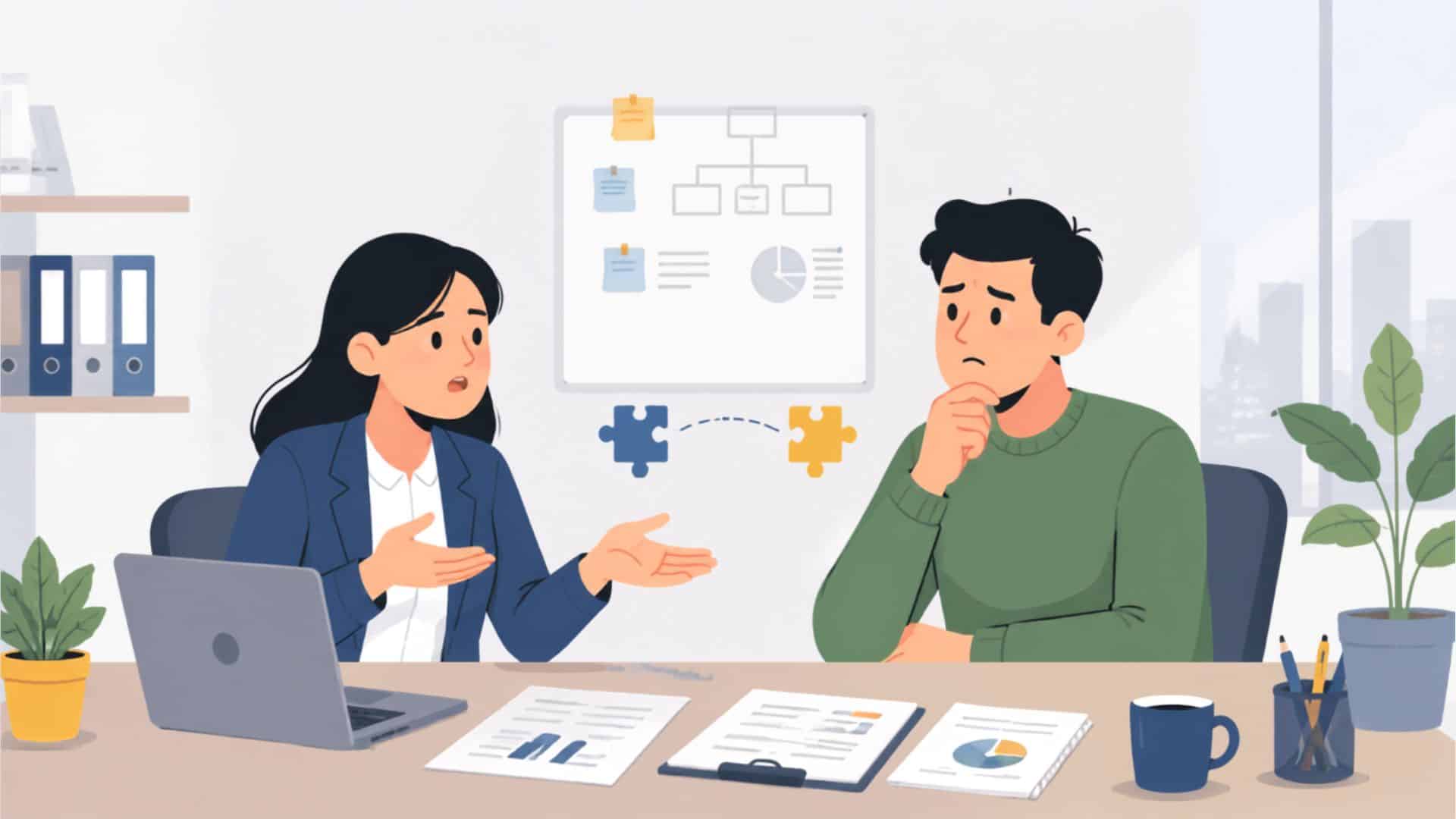
Two employees on the same project interpret an instruction differently, and neither checks in with the other before moving forward. One assumes a task is already covered; the other assumes it’s still pending.
By the time the gap surfaces, a deadline has slipped, and both sides feel the other dropped the ball. What started as a small mix-up turns into frustration that carries into every future interaction.
Solution
- Talk to each person separately first. Hear both sides before assuming who’s at fault, since first impressions of “who caused it” are often incomplete.
- Name the real issue, not just the incident. The missed deadline is rarely the actual problem; a gap in how work gets divided usually is.
- Bring both together for a structured conversation. A guided discussion, rather than an unplanned confrontation, keeps the exchange respectful and focused.
- Keep the focus on fixes, not blame. Ask what needs to change going forward instead of relitigating who said what.
- Set a clear next step and a check-in date. A follow-up meeting confirms the fix actually held once both are back to normal work.
2. Workplace Bullying or Harassment Concerns
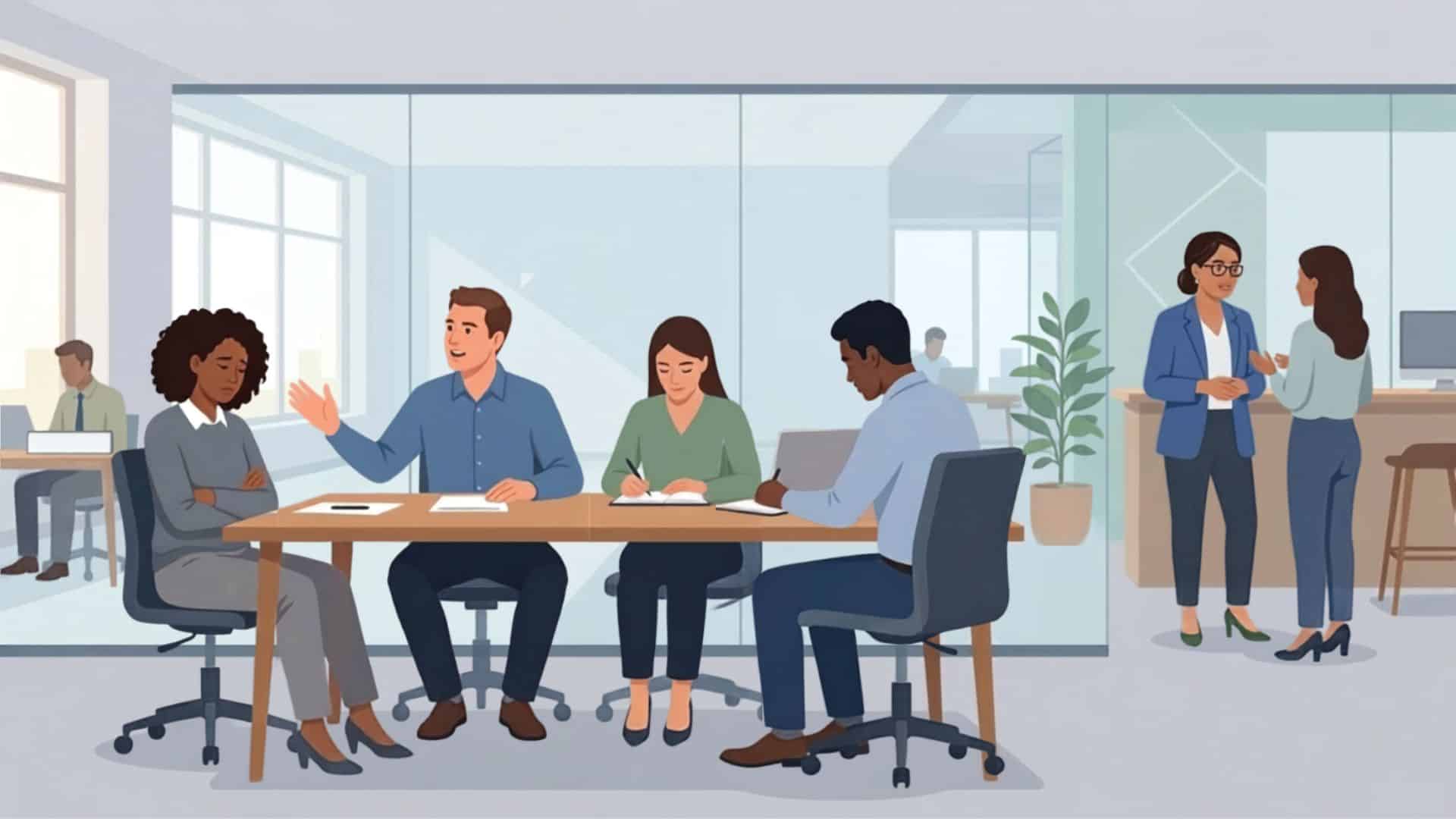
Scenario:
An employee reports that a colleague has been making dismissive comments in meetings and excluding them from key discussions over several weeks.
It’s the kind of pattern that’s easy to downplay as “personality clash” if no one is tracking it, but the employee raising it feels increasingly isolated and hesitant to speak up in group settings.
Solution
- Treat the first report as serious, not premature. Waiting for a “bigger” incident before acting often allows a pattern to continue unchecked.
- Log dates, specifics, and any witnesses. Written records protect both the employee and the investigation if the concern escalates.
- Follow the organization’s existing policy exactly. A consistent process avoids the appearance of favoritism or inconsistent enforcement.
- Limit details to those who need to know. Confidentiality encourages other employees to come forward with similar concerns later.
- Bring in HR once behavior repeats or escalates. Some situations move beyond what a manager alone should resolve.
3. Conflict Between a Manager and Employee
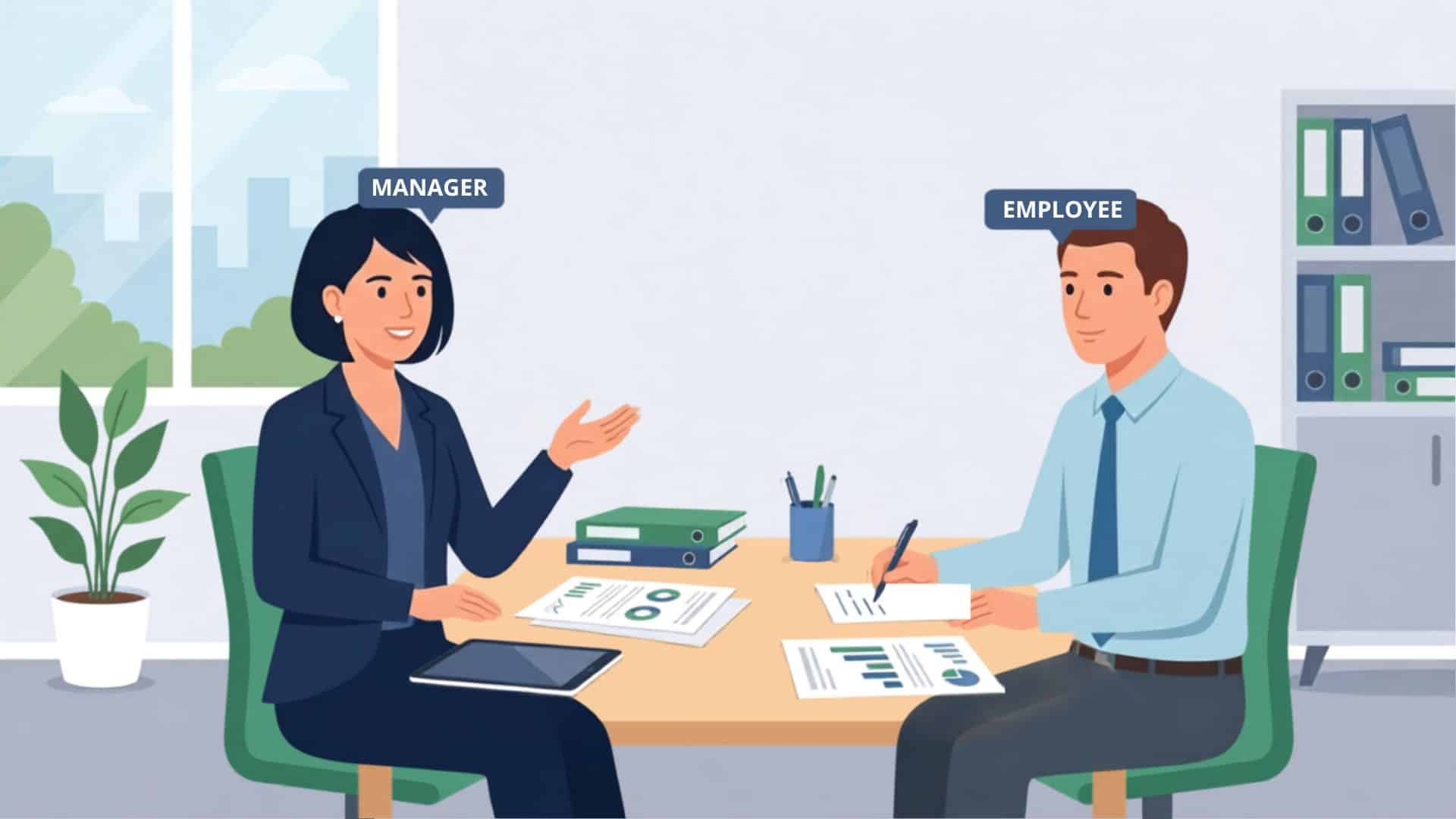
Scenario:
A manager feels an employee’s work has been falling short of expectations for weeks, but hasn’t said so directly, assuming it will “sort itself out.”
The employee, unaware there’s a concern at all, is blindsided when it finally comes up during a performance review, and the sudden feedback feels unfair given how long it went unaddressed.
Solution
- Pinpoint exactly where expectations diverge. Vague dissatisfaction is harder to fix than a specific, named gap.
- Address concerns privately and early. Feedback delivered in the moment, away from the team, prevents resentment from building on either side.
- Restate responsibilities and what “good” looks like. A shared definition of success removes guesswork going forward.
- Put an improvement plan in writing. A short, documented plan gives both people something concrete to work from.
- Set a date to revisit progress. A scheduled follow-up shows the conversation was about improvement, not just criticism.
4. Team-Wide Conflict
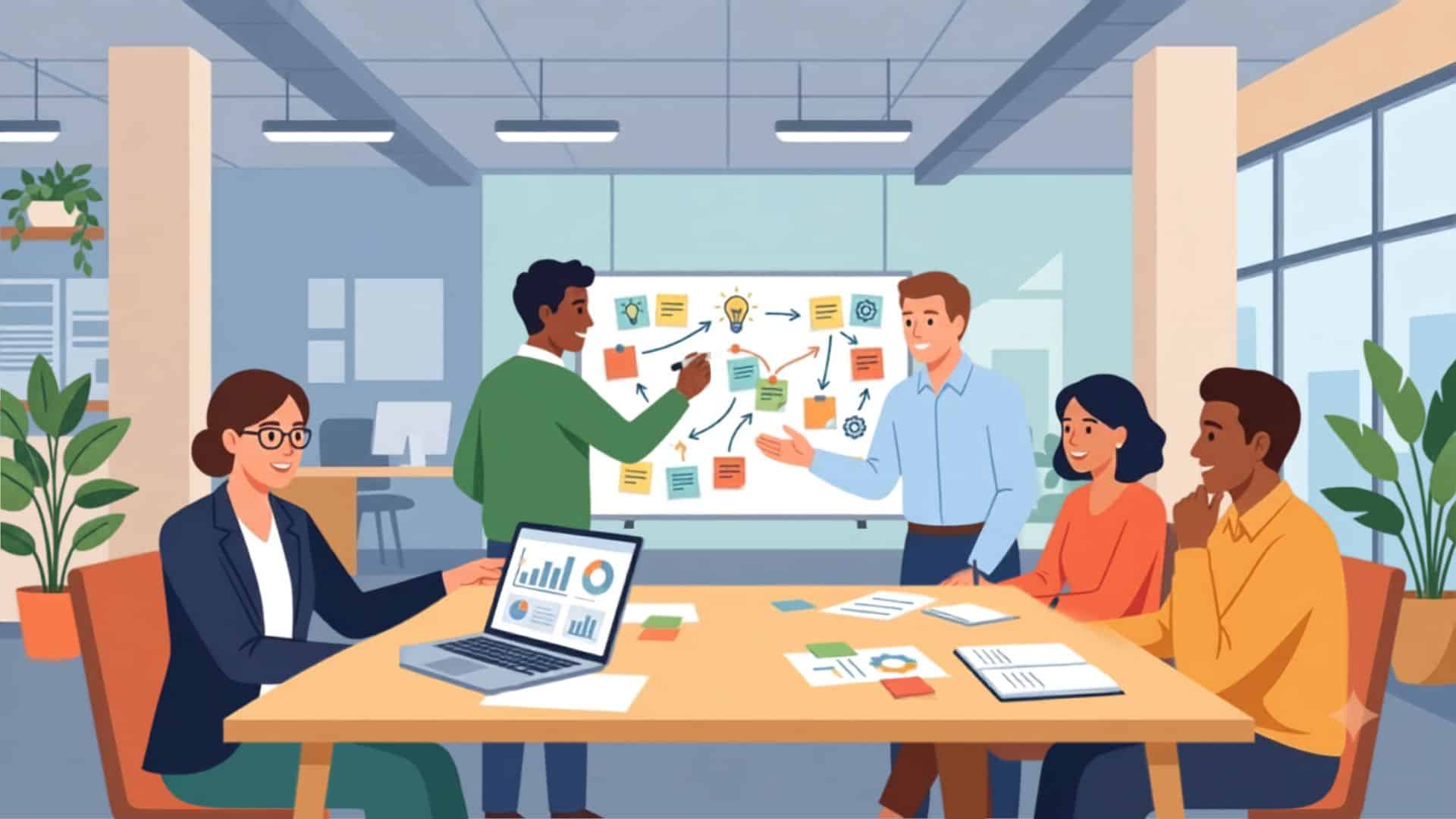
Scenario:
A team split across two working styles, one favoring quick, informal updates and the other preferring detailed written plans, starts missing shared deadlines because neither side adjusts to the other.
Frustration builds in side conversations rather than in the open, and the disagreement starts shaping how the whole team collaborates, not just the two original camps.
Solution
- Name the shared issue out loud. Surfacing the pattern as a team-wide problem, rather than one person’s fault, lowers defensiveness.
- Agree on communication ground rules. A shared standard for updates and check-ins removes the guesswork causing friction.
- Make space for open discussion. A structured team conversation surfaces frustrations before they turn into side conversations.
- Clarify or reassign responsibilities where needed. Overlapping or unclear ownership is often what triggered the split in the first place.
- Check back after changes take effect. A short follow-up confirms the new approach is actually working, not just agreed to in theory.
Why Conflict Resolution Training Matters for Organizations?
Training does not eliminate conflict, but it changes how consistently it gets handled. Teams with shared conflict-resolution habits tend to see stronger day-to-day communication, more predictable outcomes when disputes come up, clearer internal processes, and steadier working relationships over time.
Important Conflict Resolution Skills for Managers and Employees
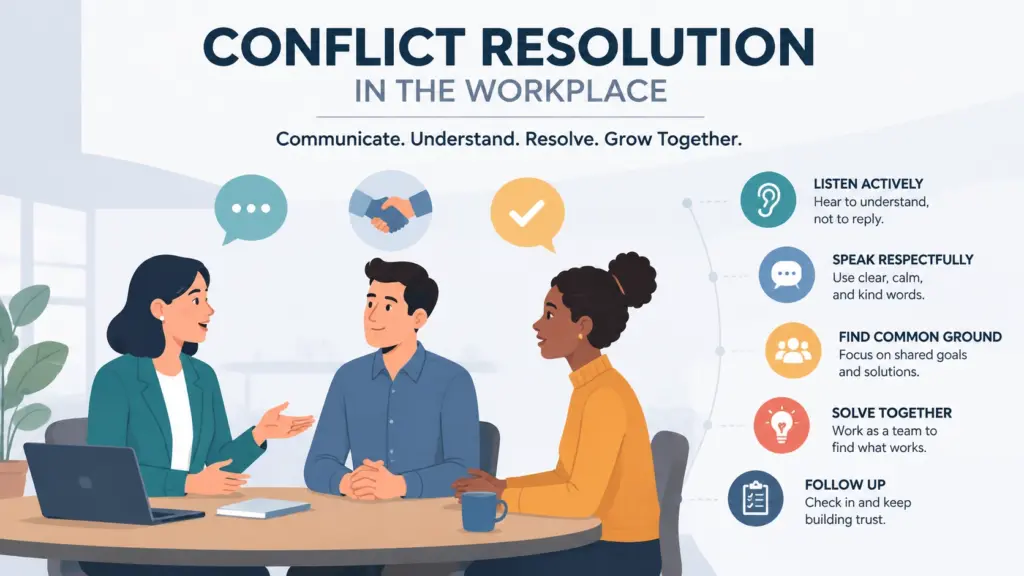
The outcome of a difficult conversation usually depends more on how it’s handled than on who is right. A few consistent habits make that easier:
- Active listening
- Empathy
- Assertiveness
- Emotional intelligence
- Problem-solving
- Patience and composure
- Giving and receiving feedback well
These skills matter most in the moment communication actually happens, which is where most conflicts are either resolved or made worse.
| Quick Tip: The 5 Conflict Resolution Strategies Based on the Thomas-Kilmann model, the five strategies are collaborating, competing, compromising, accommodating, and avoiding, each balancing assertiveness with cooperation differently. |
Tips to Prevent Future Workplace Conflicts
Preventing repeat conflicts is less about a single fix and more about a few habits practiced consistently across the team.
- Improve emotional intelligence (EQ). EQ training, whether through platforms like LinkedIn Learning or internal programs, helps employees recognize their own reactions before those reactions escalate a situation.
- Practice mindfulness and stress management. Techniques that build emotional regulation day to day tend to carry over directly into how people handle tense conversations.
- Use role-play scenarios. Practicing difficult conversations in a low-stakes setting builds confidence and sharper responses before a real situation comes up.
- Encourage feedback. Regular, low-pressure feedback opportunities help employees raise small concerns early, before they turn into bigger disputes.
Final Thoughts
Conflict is a normal part of any workplace, but it doesn’t have to become a lasting problem. Staying calm, listening first, and looking for the real issue behind a dispute usually gets teams further than trying to determine who is right.
Consistent conflict resolution in the workplace protects communication, morale, and trust over the long run, which matters more than winning any single disagreement.
Some workplace disputes go beyond communication breakdowns and involve real financial harm, such as withheld overtime or commissions.
In those cases, understanding your options, including the average settlement for unpaid wages in similar cases, can help you decide whether to raise the issue internally or pursue it through a formal claim.
Frequently Asked Questions
How To Resolve Conflict With Someone Who Doesn’t Want To Talk?
Start by giving the person time, choosing a suitable moment to reconnect, and explaining your concerns calmly. Focus on understanding their perspective instead of forcing an immediate conversation.
What Is The 5 5 5 Method Of Conflict?
The 5 5 5 method involves taking five minutes to consider your feelings, five minutes to understand the other person’s view, and five minutes to discuss a possible solution calmly.
What Are 5 Examples Of Conflict?
Common workplace conflicts include communication breakdowns, disagreements over responsibilities, differences in working styles, manager-employee issues, and disputes over resources or recognition.
How Can Managers Prevent Workplace Conflict?
Managers can reduce conflict by setting clear expectations, encouraging regular feedback, supporting open communication, and addressing small concerns before they grow into larger disputes.