

Should You Quit a Job You Just Started?
You absolutely can, and plenty of people do. Most jobs are at-will, which means you’re free to leave whenever you feel it’s not working, and leaving early doesn’t make you a bad employee.
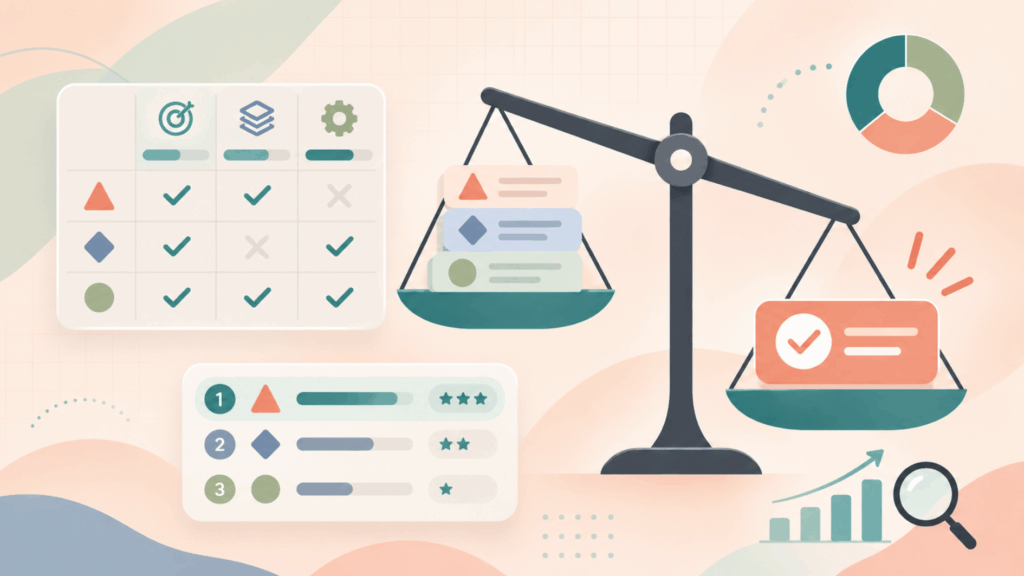
What matters is the reason. It’s worth leaving if the job looks nothing like what you were promised, the workplace feels toxic or unsafe, or you’ve landed a clearly better offer.
If the issue is mainly new-job nerves, such as feeling lost or missing your old routine, it may be worth waiting a few weeks, since these feelings usually ease with time.
If you are unsure which situation applies, ask yourself whether the problem is the job itself or the adjustment to it.
Note: In a BambooHR survey of 1,565 US office workers (September 2023), 44 percent of new employees had regrets or second thoughts about a new role within the first week.
What to Check Before You Quit a New Job
A little prep now can spare you expensive surprises later, so go through these four things before you say a word to your boss.
-
Offer Letter and Contract: Read every page of your offer letter and contract for notice requirements, signing bonus repayment, or relocation clawbacks, since leaving early could mean owing money back to your employer.
-
Savings: Calculate your rent, bills, and debt payments, then see how many months your savings would last if the job search takes longer than you expect.
-
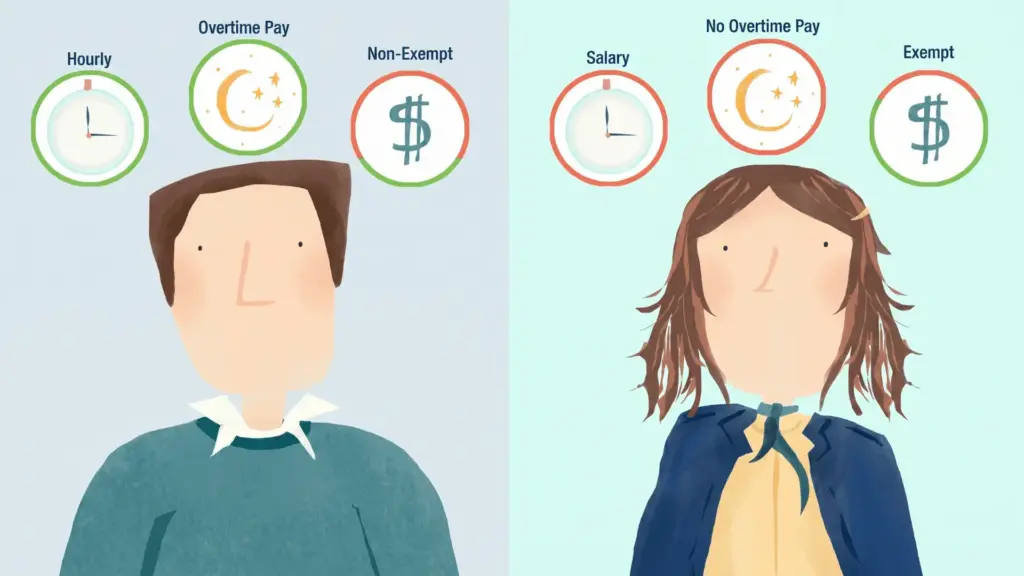
Benefits and Pay: Confirm whether your health insurance has started, when your final paycheck will arrive, and whether you’ll be paid for every hour worked. It also helps to save HR emails in case questions come up later.
-
Another Offer: If you are leaving for a new job, get the offer in writing and confirm your start date before resigning, since offers sometimes fall through.
How to Quit a Job You Just Started: Step-by-Step Process
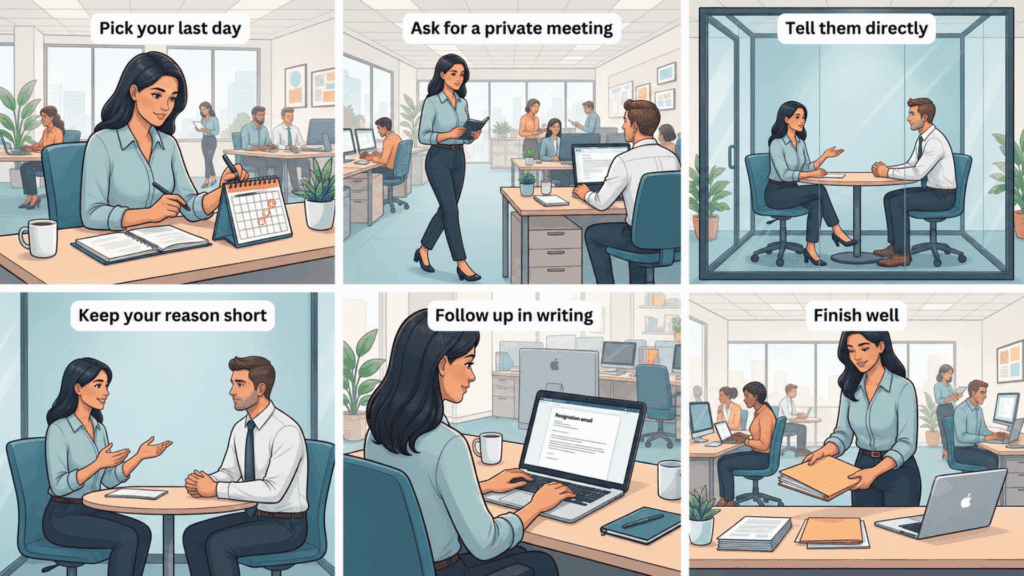
Once you’ve made your choice, the process itself is simple. Follow these steps to leave cleanly and protect your professional reputation.
1. Pick Your Last Day
Decide your last day before speaking to anyone. If you are joining another company, your new start date may set the deadline.
If not, then consider how much notice you can reasonably give, even if it is only a few days.
Having a date ready keeps the conversation focused on a plan, not a debate.
2. Ask for a Private Meeting
Message your manager and ask for a few minutes one-on-one, by video if you work remotely. You don’t have to say why in advance. Something like “Do you have a few minutes to talk today?” works fine.
Avoid choosing a time close to a deadline or when coworkers are present, as a calm moment makes the news easier to hear and respond to.
3. Tell Them Directly
State early in the conversation that you are resigning. Share your last day and thank your manager for the opportunity.
If your manager is surprised or tries to change your mind, stay calm and avoid getting drawn into a debate. Your role is to communicate your decision clearly and respectfully.
4. Keep Your Reason Short
If your manager asks why, give a short and honest answer in one or two sentences. Focus on fit rather than listing complaints about people or processes.
You are not required to explain everything. Keeping the details brief helps protect your professional reputation.
5. Follow up in Writing
Right after the conversation, send a brief email confirming your resignation and last day.
It gives both sides a clear record and often triggers the HR paperwork. Keep it polite and factual, with a quick thank-you and nothing more.
Hi [Manager's Name],

Following our conversation, I am writing to formally submit my resignation from my position as [Job Title] at [Company Name]. After giving it careful thought, I have decided that this role is not the right fit for me at this time.

As discussed, my last working day will be [Date]. I understand that my departure comes shortly after joining, and I appreciate your understanding regarding my decision.

Thank you for the opportunity to be part of the team and for the time and support you've offered during my brief time here. I will do my best to complete any outstanding responsibilities, organize my current work, and hand over any necessary information before my departure.

Please let me know if there are any exit formalities or additional steps I need to complete with HR.

Thank you again for your understanding.

Best regards,
[Your Name]
If your manager asks why you’re leaving, the responses in the upcoming section (What to say when you quit: honest reasons instead of excuses) can help you explain your decision.
6. Finish Well
Use your remaining days to leave things tidy. Share a short summary of what you’ve been working on, point coworkers to any files they’ll need, and return company equipment on time.
Stay professional and continue completing your tasks until your final day. A smooth exit can make future references and referrals more likely.
What to Say When You Quit: Honest Reasons Instead of Excuses
Role Doesn’t Match the Offer
“The job turned out to be different from what we discussed, and I don’t think it’s the right fit for either of us.”
A Better Opportunity
“I’ve received an offer that lines up closely with my long-term goals, and I felt I had to be honest with you right away.”
A Change in Career Direction
“I’ve realized I want to move in a different direction professionally, and this role isn’t taking me there, so I’m stepping away now.”
Health or Personal Reasons
“Because of a personal matter, I need to step away from work. I’d rather not go into detail, but I appreciate your understanding.”
Higher Studies
“I’ve decided to go back to school full-time, and the timing means I can’t continue in this role. Thank you for the opportunity.”
How to Explain It on Your Resume and in an Interview
If you were there only for a few weeks in your previous role, it’s generally fine to leave the role off your resume, since it adds little to your experience and a small gap is easier to explain than a short-term role that raises questions.
When an application asks for your full work history, it’s best to be honest rather than lie on your resume, since employers can easily verify it.
In interviews, keep your answer brief and calm: say that the position didn’t align with your career plans, mention what you learned, and move on to what you’re looking for now.
Avoid criticizing your former manager or coworkers, as confidence comes across better than complaints.
Conclusion
Leaving a job almost as soon as you arrived can sometimes feel like a humiliating failure, but it says far less about you than you might think.
Knowing how to quit a job you just started gives you the confidence to choose what’s right for you, rather than what feels easiest in the moment.
Whatever you decide, give yourself some credit for facing it honestly. A short chapter doesn’t define your story, and the next one is still yours to write.
Frequently Asked Questions
Do You Have to Give Two Weeks’ Notice at a New Job?
Two weeks’ notice is a professional courtesy, not a legal requirement, unless your contract says otherwise. If it sets a longer notice period, you’re obligated to follow it. If you’ve only been there a short time, giving about a week’s notice is generally seen as polite.
Can You Collect Unemployment Benefits If You Quit a New Job?
As a general rule, you aren’t entitled to unemployment benefits if you quit voluntarily. Some states make exceptions when the reason is serious, such as unsafe working conditions, so it’s worth checking with your state’s unemployment office before you resign.
Can You Quit a Job During the Probation Period?
Yes, but check your employment agreement for applicable notice requirements and resignation conditions.