
Getting paid every two weeks sounds simple, but the timing of your paycheck can affect how you plan your money.
Some employees prefer this schedule because it creates a steady routine, while others find it takes extra planning to match paydays with monthly bills.
What does biweekly pay mean? It refers to a payroll schedule where employees receive their earnings every 14 days.
This blog will walk you through how this schedule works, how it compares with other options, and what it means for your budget.
What Does Biweekly Pay Mean?
Biweekly pay means you receive your paycheck every two weeks, or every 14 days. Employers usually choose a fixed payday, such as every other Friday.
For hourly employees, each paycheck usually covers the hours worked during the previous two-week pay period.
This may include regular hours, overtime, taxes, and other deductions.
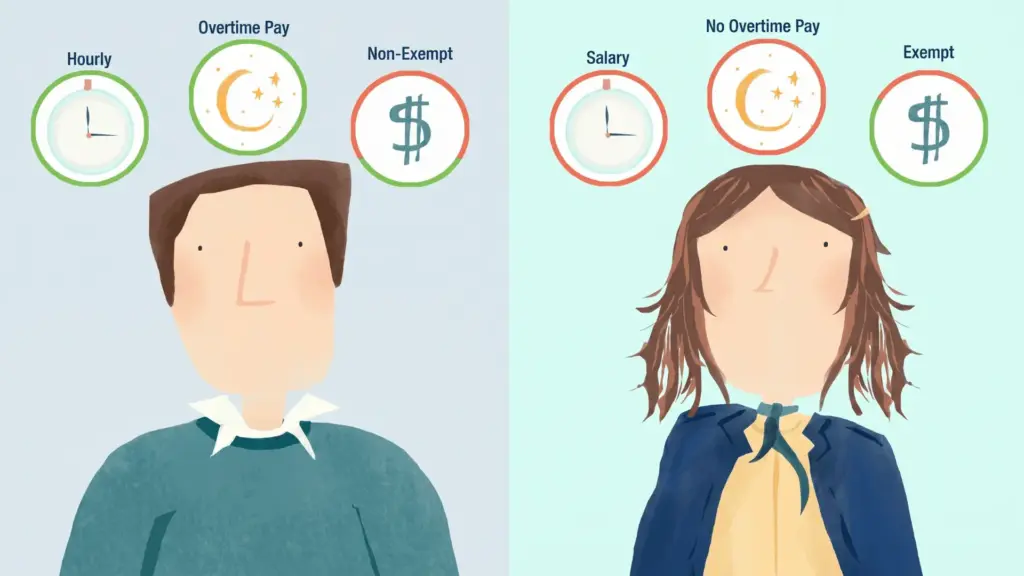
For salaried employees, the annual salary is divided across the number of pay periods, a distinction that matters more once you factor in the exempt vs non-exempt rules that determine overtime eligibility in the first place.
The U.S. Bureau of Labor Statistics data on private industry pay periods shows that biweekly pay is widely used among private employers.
How Many Paychecks in A Year Biweekly?
Most employees receive 26 paychecks each year because they are paid every other week.
52 weeks ÷ 2 = 26 pay periods
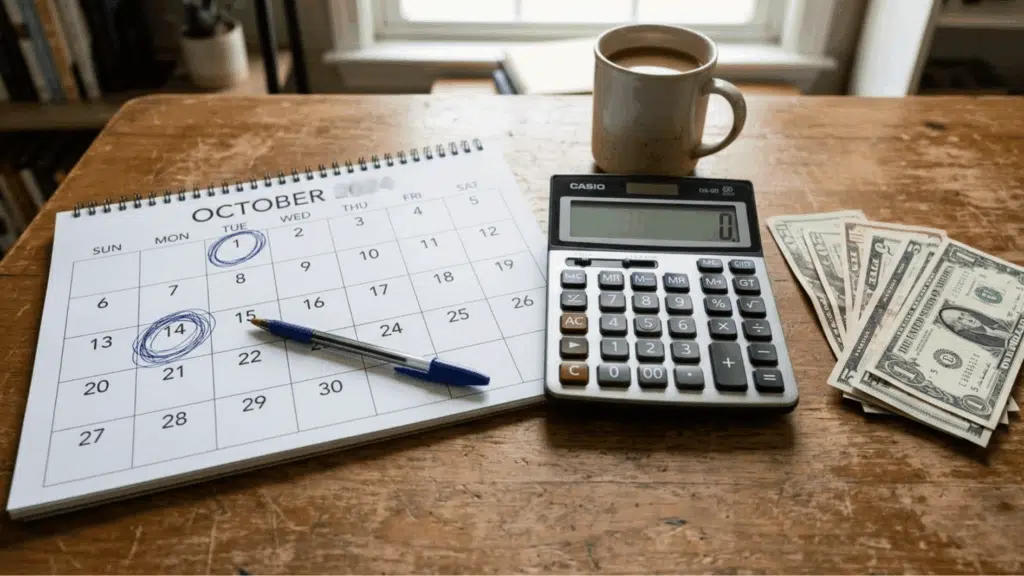
Some calendar years may include 27 paychecks depending on when the employer’s payroll cycle begins and ends.
A year with an extra paycheck does not automatically mean you earn more money. Your annual salary remains the same, but the timing creates an additional payday.
| Pay Schedule | Paychecks Per Year |
|---|---|
| Weekly | 52 |
| Biweekly | 26 |
| Bimonthly/Semimonthly | 24 |
| Monthly | 12 |
The U.S. Bureau of Labor Statistics explains that employees paid biweekly generally receive 26 paychecks per year, compared with 52 for weekly schedules and 24 for semimonthly schedules.
How Does the Biweekly Payroll Schedule Work?
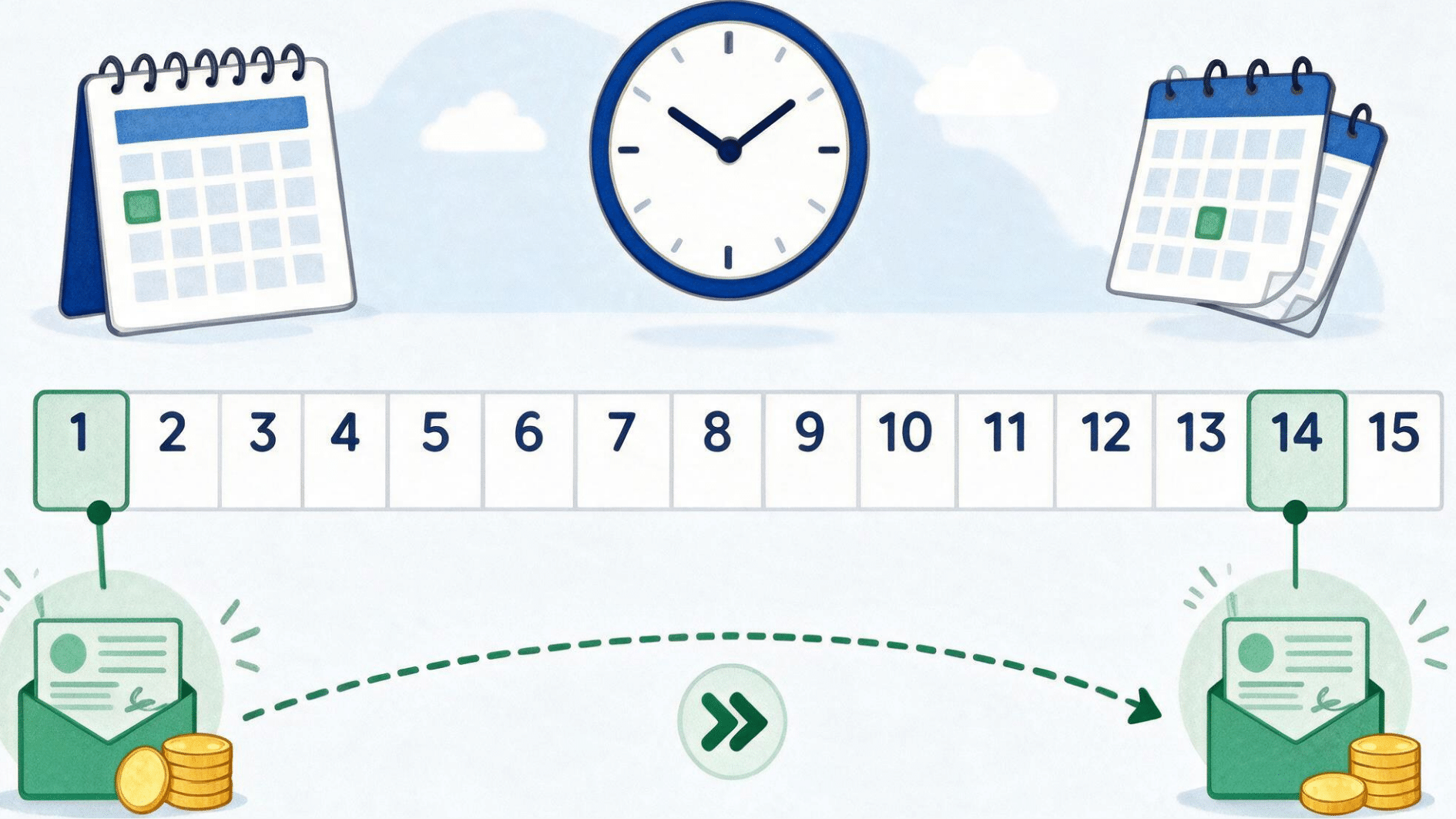
A biweekly payroll schedule divides the year into two-week payment cycles, where it pays every 14 days. Employees complete a work period, the employer processes payroll, and payment is issued on the scheduled payday.
For hourly workers, payroll usually includes:
- Hours worked during the pay period
- Overtime earnings if applicable
- Tax withholdings
- Insurance or retirement deductions
A biweekly schedule does not mean employees earn more or less than someone paid under another schedule.
Payroll deductions, including income tax withholding and Social Security and Medicare taxes, are handled according to federal payroll rules explained in the IRS Publication 15, Employer’s Tax Guide, the withholding categories broken down in this paycheck deductions explained guide if the terms on your stub feel unfamiliar.
Benefits and Drawbacks of Biweekly Pay
Biweekly pay can make income feel steady, but the two-week cycle does not always line up neatly with monthly expenses. Here is a clearer view of the trade-offs.
| Biweekly Pay Factor | Benefits | Drawbacks |
|---|---|---|
| Pay frequency | You receive a paycheck every two weeks on a regular schedule. | You wait longer between checks than with weekly pay. |
| Paycheck size | Each check is usually larger than a weekly paycheck. | Larger checks can be easier to overspend without a budget. |
| Yearly paycheck count | Most years include 26 paychecks, creating two three-paycheck months. | Extra-paycheck months can make monthly income feel uneven. |
| Bill planning | Regular paydays can make short-term planning easier. | Pay dates may not match rent, loans, or other monthly due dates. |
| Budgeting | The schedule can work well for people who plan expenses by pay period. | It may take more planning than a fixed twice-monthly schedule |
Biweekly Pay vs Other Pay Schedules
Different payroll schedules change how often money reaches your account, but they do not usually change your total yearly earnings.
The main difference is paycheck timing, paycheck size, and how easy the schedule is to manage.
1. Biweekly vs Weekly Pay
Weekly pay provides a paycheck every seven days, giving employees faster access to earned income. This can help people who prefer smaller, frequent payments.
Biweekly pay provides fewer checks, but each paycheck is usually larger. Some employees prefer this because it may make handling larger expenses easier.
2. Biweekly vs Bimonthly Pay
Bimonthly pay provides employees with two paychecks each month, usually on fixed dates such as the 15th and last day of the month.
Biweekly pay follows a 14-day cycle instead, so employees usually receive26 paychecks per year rather than 24. Some months may include three paychecks, which can affect how income and expenses are planned.
3. Biweekly vs Monthly Pay
Monthly pay gives employees one paycheck each month, usually with a larger amount. It may work well for people who prefer to cover expenses from a single payment.
Biweekly pay provides income more often, which can make everyday expenses easier to manage. The best option depends on personal budgeting habits and financial needs.
The Bureau of Labor Statistics payroll frequency data explains that employers commonly use weekly, biweekly, semimonthly, and monthly pay schedules depending on their payroll practices.
What Happens During a Three-Paycheck Month?
Many employees know that biweekly pay can result in 26 paychecks per year, but they may not understand how three-paycheck months happen or how to plan for them.
A three-paycheck month occurs when your regular biweekly payday falls three times within the same calendar month.
This usually happens twice in some years, depending on your first payday of the year and the payroll calendar.
This extra paycheck is not additional salary. It is part of your regular annual earnings arriving on a different schedule.
How Biweekly Pay Affects Budgeting and Cash Flow
A biweekly paycheck can change how you organize your money because your income arrives every 14 days instead of following a monthly calendar.
- Plan bills around your paydays: Divide monthly expenses between your two regular checks so you cover important payments before due dates.
- Use three-paycheck months carefully: Extra paycheck months can help build savings, reduce debt, or cover planned expenses instead of increasing everyday spending.
- Create a spending buffer: Keeping extra money available helps handle situations where a bill arrives before your next paycheck.
- Track your yearly income pattern: Some months have two checks, while others may have three, so avoid treating every month as identical.
How Do Employers Choose a Pay Schedule?
Employers choose payroll schedules based on factors such as payroll processing needs, industry practices, employee preferences, and administrative costs.
Biweekly pay is popular because it creates a consistent routine while reducing the number of payroll runs compared with weekly pay.
Some industries choose weekly schedules for faster worker access to wages, while others use bimonthly or monthly schedules for simpler processing.
The pay schedule usually reflects company operations rather than the employee’s total compensation
| Match Your Pay Cycle to Your Budget: Choose a schedule that fits when your bills are due and how often you need access to money. Frequent payments may make weekly spending easier, while fewer, larger deposits may suit monthly budgeting. Also consider savings goals, debt payments, and emergency expenses before deciding. |
Final Thoughts
A biweekly pay schedule means you receive your paycheck every two weeks, creating a regular pattern that many employees find easy to follow.
While it offers consistent income and occasional three-paycheck months, it also requires planning to keep bills, savings, and daily expenses on track.
Comparing biweekly pay with weekly, bimonthly, and monthly schedules can help you understand which option fits your financial habits.
The right payment schedule is not about earning more or less money. It is about finding a timing pattern that works well with your expenses, goals, and personal approach to managing money.
Frequently Asked Questions
Can an Employer Change from Weekly Pay to Biweekly Pay?
Yes, employers may change payroll schedules if they follow applicable wage laws and provide proper notice. The change usually affects when employees receive their earnings, not their agreed salary or hourly rate.
Do Holidays Affect Biweekly Pay Dates?
Yes, holidays can sometimes change payday timing. If a scheduled payday falls on a holiday when banks or payroll systems are closed, employers may issue payment on the previous business day or follow their payroll policy.
Are Taxes Different for Biweekly Paychecks?
Taxes are not higher because you are paid biweekly. Payroll systems calculate deductions based on your earnings, tax forms, and applicable rules for each paycheck