

Business owners often come across FEIN and EIN while completing tax forms, setting up payroll, or opening business accounts.
Since both identifiers appear in similar business situations, knowing how they are used can help avoid mistakes when handling tax and administrative paperwork.
This blog explains how FEIN number and EIN relate, how they compare with TIN and SSN, and which identifier applies to common business and employment situations.
What is FEIN?
A FEIN, or Federal Employer Identification Number, is a nine-digit number issued by the Internal Revenue Service to identify a business or organization for federal tax purposes.
The number helps the IRS track business tax responsibilities, including employment taxes, certain filings, and other federal reporting requirements.
It is used when businesses need to provide federal identification details to government agencies, financial institutions, or other organizations that request tax information.
Many businesses use FEIN vs EIN interchangeably. Knowing these identifiers helps businesses provide accurate information.
Is FEIN the same as EIN?
Yes, FEIN number and EIN usually refer to the same IRS-issued business tax identifier. EIN is the official IRS term, while FEIN adds the word “federal” to describe the same number.
- Same nine-digit number: Both terms refer to the identifier assigned by the IRS to a business or organization.
- Same federal purpose: Both are used for federal tax reporting, employer records, and business identification.
- Different wording only: FEIN highlights that the number comes from the federal government, while EIN is the commonly used term.
- No separate application: Businesses do not apply for a separate FEIN after receiving an EIN.
- Used on similar documents: Both terms may appear on payroll forms, tax documents, and business paperwork.
- EIN is the IRS term: The IRS generally refers to this identifier as an Employer Identification Number
Where Can You Find Your FEIN or EIN?
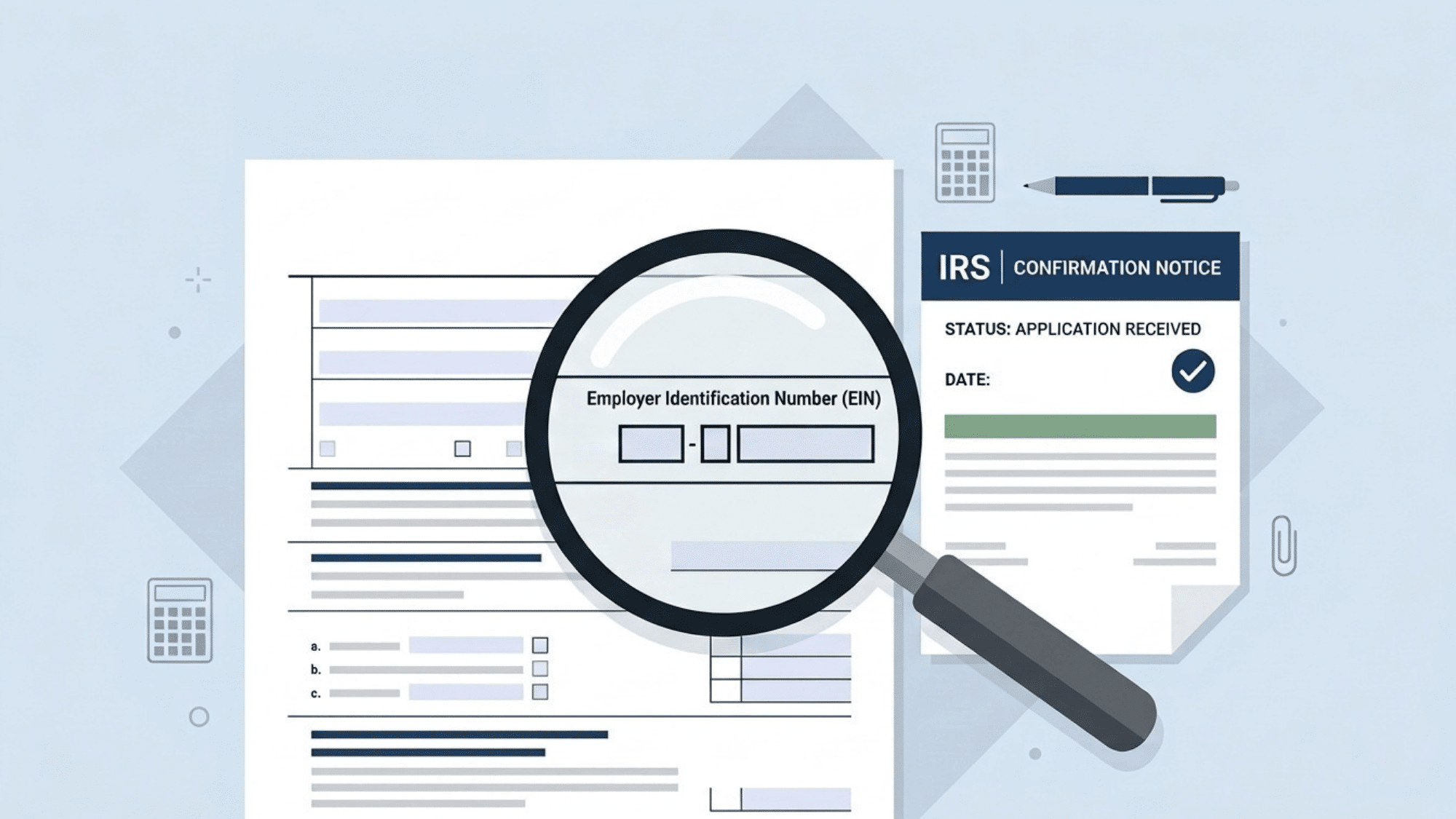
Businesses may need to locate their identifier when completing tax forms, updating payroll details, or reviewing company records.
Existing documents are usually the first place to check.
Common sources include the IRS confirmation notice received after applying, previous federal tax filings, business bank documents, payroll records, and company formation paperwork.
If the number cannot be found, an authorized business representative can contact the IRS for assistance.
Keeping business records also supports better HR record management and compliance practices.
FEIN vs EIN vs TIN vs SSN: How are They Different
Tax identification numbers can look similar, but each one serves a different purpose for individuals, businesses, and employers.
| Identifier | Used For | Issued By | Identifies |
|---|---|---|---|
| EIN | Business tax identification | IRS | Businesses and organizations |
| FEIN | Federal business tax identification | IRS | Business entities |
| TIN | General tax identification | IRS or SSA | Individuals and entities |
| SSN | Individual tax identification | Social Security Administration | Individuals |
Note: A TIN is a broad category that includes different tax identifiers. The correct number depends on whether the identifier is for a business or an individual.
What is the Need for EIN or FEIN in A Business
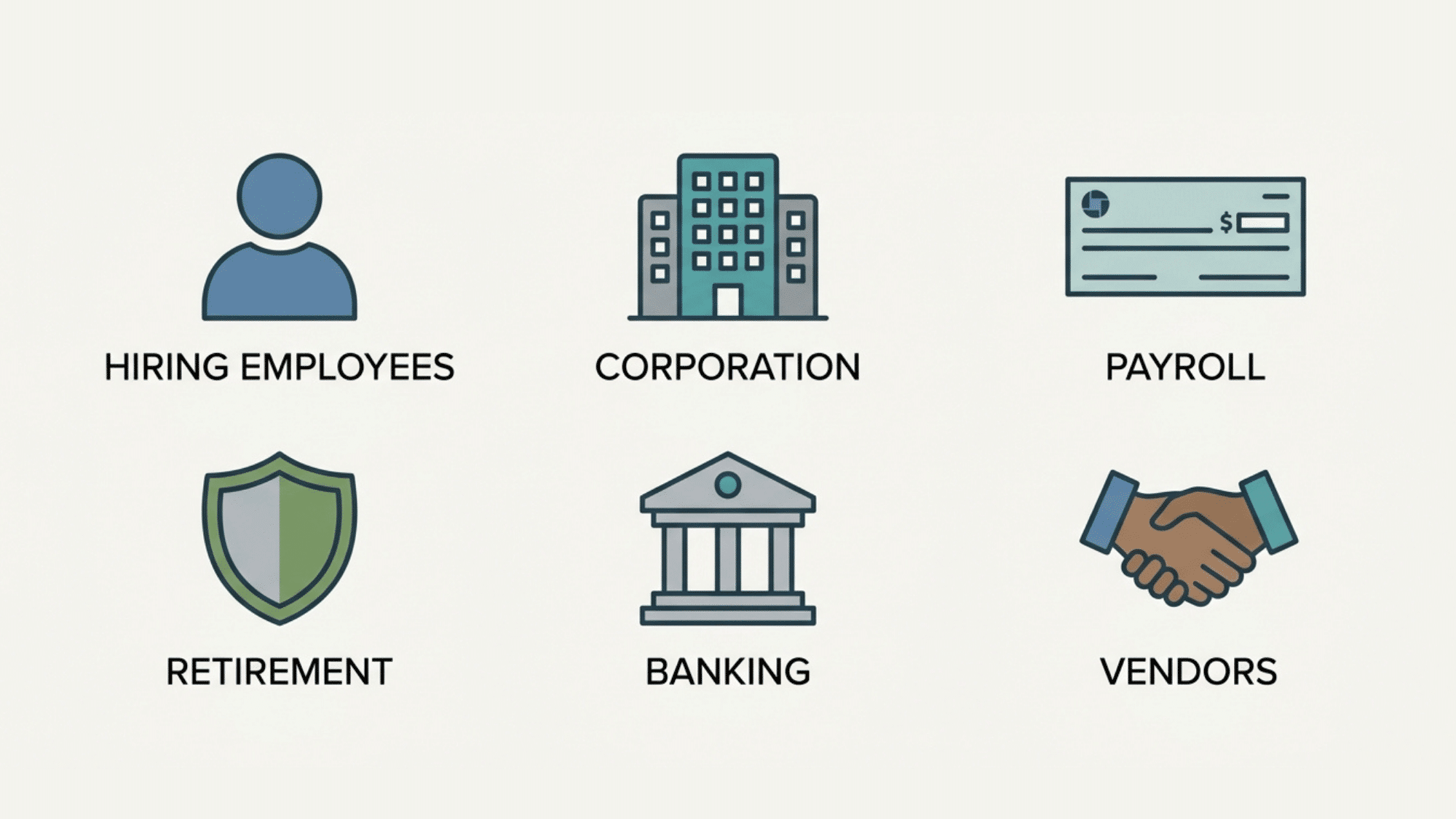
The need for a FEIN number depends on the company’s structure and activities. Businesses commonly need one when they:
Hiring Employees
Required for reporting employment taxes and payroll information, this number helps businesses identify themselves to the IRS and accurately manage wage reporting, tax filings, and employee-related obligations.
Operating as A Corporation or Partnership
Most corporations and partnerships need a federal business identifier to handle tax filings, report business activity, manage payroll responsibilities, and meet IRS requirements.
Filing Employment Tax Returns
Used when reporting payroll taxes to federal agencies, this identifier helps employers accurately submit tax information, track employment obligations, and meet federal reporting requirements.
Creating Retirement Plans
Needed for certain employer-sponsored benefit plans, this identifier helps organizations manage plan reporting, compliance requirements, and related employee benefit responsibilities.
Opening Business Accounts
Banks may request it when setting up business financial accounts to verify the company’s identity, complete account registration, and meet financial reporting requirements.
Providing Tax Details to Organizations
Some vendors and institutions may require it for official records, helping verify business information, complete transactions, and maintain accurate documentation.
Which Identifier Should Your Business Use
The correct identifier depends on the type of request and the entity involved. When a form requests a federal business tax ID, it usually refers to the number assigned to the business by the IRS.
| Situation | Common Identifier |
|---|---|
| Business Federal Tax Filing | Ein |
| Employer Payroll Reporting | Ein or Fein |
| Individual Tax Documents | Ssn or Another Tin |
| General Tax Identification Request | Depends on The Situation |
Common Mistakes to Avoid when Handling Tax Identification Numbers
Tax identification errors often happen when business and personal identifiers are confused. Common mistakes include:
- Treating FEIN and EIN as separate numbers: These terms usually refer to the same IRS-issued identifier.
- Using an SSN for business purposes: Personal and business tax numbers serve different roles.
- Confusing federal and state tax IDs: State-issued numbers may have separate requirements and uses.
- Sharing tax details carelessly: Business and personal identifiers should be protected from unauthorized access.
- Storing records without proper security: Employers should keep tax information safe, especially when linked to employee records.
Wrapping It Up
For most businesses, FEIN and EIN refer to the same federal identifier. the difference is mainly in how the term is written on documents.
Knowing how these terms relate to TIN and SSN can help businesses provide accurate information for tax, payroll, and employment needs.
Keeping track of the right business identifier can make it easier to manage routine paperwork and respond to requests when they come up.
Frequently Asked Questions
Can an EIN Expire After a Business Stops Operating?
No. An EIN does not expire, but the IRS may deactivate it if the business closes and completes the required closing steps.
Can a Business Change Its EIN After Receiving One?
A new EIN may be required after certain ownership or structural changes, such as a major change in the type of business entity.
Where Is an EIN Listed on Tax Documents?
An EIN is usually shown near the business identification section on federal tax forms, notices, and employer-related filings.