
Many people notice it for the first time when their paycheck is slightly lower than expected, and the culprit is a benefit they didn’t realize was taxable.
That’s imputed income.
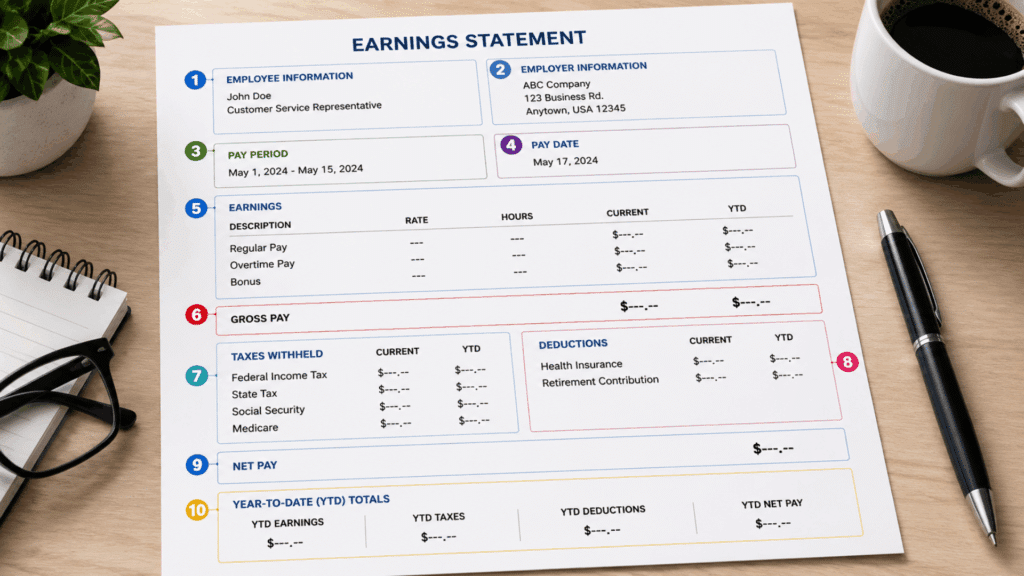
It shows up on pay stubs, affects your withholdings, and catches many employees off guard.
What is Imputed Income and How Does It Work?
Imputed income is the value of certain non-cash benefits that may be included in an employee’s taxable income.
Although employees do not receive these benefits as direct wages, tax rules may require their value to be reported for tax purposes.
It works by assigning a monetary value to a taxable benefit and adding that amount to an employee’s taxable wages.
This can increase tax withholdings, even though the employee does not receive additional cash compensation.
Common Examples of Imputed Income

The following examples highlight common benefits that may be treated as imputed income under tax regulations.
Group-Term Life Insurance Above IRS Limits
Employers may provide group-term life insurance as a workplace benefit. The value of coverage that exceeds IRS limits may be treated as taxable income.
Personal Use of a Company Vehicle
Using a company vehicle for personal reasons may result can taxable income equal to the value of that use.
Employer-Paid Benefits for Non-Dependent Family Members
Certain benefits provided to non-dependent family members may be added to an employee’s taxable income.
Other Taxable Fringe Benefits
Some employer-provided perks may be taxable and reported as imputed income under applicable tax rules.
How Imputed Income Affects Your Paycheck?
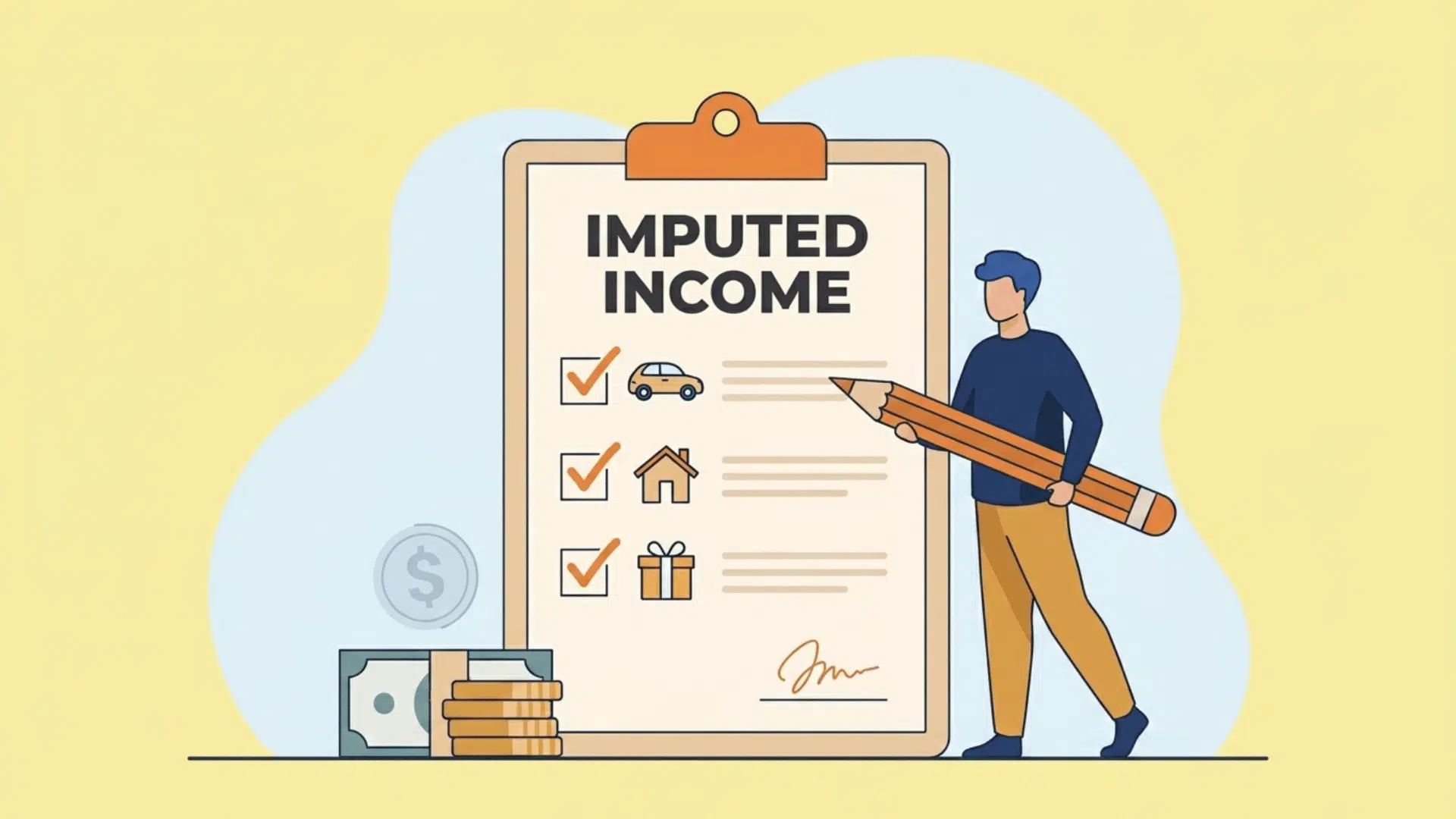
Understanding how imputed income appears in payroll can help employees better interpret their earnings, tax withholdings, and the impact of employer-provided benefits on their overall compensation.
1. Increases Your Taxable Wages
Imputed income is added to your taxable earnings even though you do not receive it as part of your regular paycheck.
The value of certain employer-provided benefits is included in your taxable wages, which increases the income amount used for tax calculations.
2. May Increase Tax Withholdings
Since imputed income raises your taxable wages, payroll taxes may be calculated on a higher amount.
As a result, you may notice slightly higher federal, state, Social Security, or Medicare tax withholdings on your paycheck, depending on your circumstances and applicable tax rules.
3. Can Reduce Your Take-Home Pay
Although imputed income is not paid to you as cash, the taxes associated with it are deducted from your earnings.
This means your net pay, or take-home pay, may be slightly lower than expected because additional taxes are being withheld on the value of taxable benefits.
4. Appears on Pay Stubs and Tax Forms
Many employers include imputed income as a separate entry on employee pay stubs to show the taxable value of specific benefits.
It is also typically included in the taxable wage amounts reported on year-end tax forms, helping ensure accurate income reporting.
5. Affects the Overall Value of Employee Benefits
While imputed income may increase taxable earnings, it often reflects benefits that provide value beyond direct compensation.
Understanding how these benefits are taxed can help employees better evaluate their total compensation package and avoid confusion when reviewing payroll records.
Imputed Income vs Tax-Free Employee Benefits
Understanding the difference between imputed income and tax-free benefits can help employees better evaluate their compensation and tax obligations.
| Aspect | Imputed Income | Tax-Free Employee Benefits |
|---|---|---|
| Tax Treatment | Included in taxable income | Exempt from taxable income |
| Effect on Paycheck | May increase tax withholdings and reduce take-home pay | Does not affect taxable wages or tax withholdings |
| Payroll Reporting | Reported as taxable compensation | Generally not reported as taxable compensation |
| Examples | Personal use of a company vehicle, excess life insurance coverage | Health insurance, qualified retirement contributions, educational assistance |
Ways to Manage Imputed Income
Understanding how imputed income is calculated and reported can help employees better manage their benefits, payroll records, and tax obligations.
- Review your employer-provided benefits to understand which ones may be considered taxable.
- Check your pay stubs regularly to identify any imputed income included in your taxable wages.
- Monitor changes in tax withholdings, as taxable benefits can affect the amount of taxes deducted from your paycheck.
- Keep track of employer-sponsored perks that may have tax implications.
- Stay informed about the tax treatment of workplace benefits and fringe benefits.
- Contact your HR department if you have questions about imputed income appearing on your paycheck.
- Consult a qualified tax professional for guidance on how imputed income may affect your tax situation.
Wrapping Up
Imputed income isn’t a penalty; it’s just the tax system accounting for the value your employer is putting in your pocket as a non-cash benefit.
Once you know what to look for on your pay stub and W-2, it stops being confusing.
Check your benefits summary, keep an eye on your withholdings, and ask your HR team if anything doesn’t add up.
Frequently Asked Questions
Is Imputed Income the Same as Regular Income?
No. Imputed income represents the taxable value of certain non-cash benefits, while regular income is paid directly as wages or salary.
Does Imputed Income Increase Tax Liability?
Yes. Because it is included in taxable income, it may increase the amount of taxes owed.
Can Imputed Income Be Avoided?
Not always. It depends on the type of benefit and applicable tax regulations.
Why is Imputed Income Reported on Form W-2?
It is reported to ensure that taxable benefits are properly included in an employee’s annual taxable income.