

A long weekend suddenly appears on the calendar, but not because of a public holiday.
That extra day off comes from a workplace benefit that often goes unnoticed until it matters.
Floating holidays give employees the option to choose when to step away from work, rather than waiting for fixed dates.
It adds a layer of control to time off, letting personal plans, cultural moments, or simple rest days fit into real life without conflict with standard holiday schedules.
What Is Floating Holiday?
A floating holiday is a paid day off that an employee can take on a date of their choosing instead of a fixed company holiday on the calendar.
It works as extra paid leave placed above regular public holidays and standard PTO, giving more control over when time off happens.
Key idea
Floating holidays are designed for flexibility in timing rather than replacing any specific official holiday.
- Not fixed to any calendar date
- Paid leave that counts as a working-day benefit
- The employee decides when to take it after approval
- Often used for personal, cultural, or private needs
How Floating Holidays Work?
Floating holidays are usually set as a fixed number of days each year and are governed by company-defined rules.
The goal is to balance employee flexibility with business planning, so usage is planned rather than random.
Common structure
Most companies keep the system simple but structured to avoid confusion.
- Typically, 1 to 3 days granted annually
- Approval required from a manager before use
- Must be scheduled in advance in most workplaces
- Often limited to the same calendar or financial year
- Some companies block usage during high-demand periods
How it usually plays out
An employee checks leave balance, picks a preferred date, and submits a request through the HR system. Once approved, the day is treated like any other paid holiday.
Eligibility Rules for Floating Holiday
Eligibility for floating holidays depends on company policy, job type, and employment status. The idea is to offer the benefit where long-term association or consistent work commitment exists.
Typical conditions
These rules vary, but most workplaces follow similar patterns.
- Full-time employees usually qualify first
- Part-time staff may receive reduced entitlement or prorated days
- New hires may need to complete probation before accessing the benefit
- Contract or freelance roles are often excluded from this leave type
Additional considerations
Some companies also adjust eligibility based on department needs or seniority levels. In structured environments, even eligible employees may need to plan usage around workload cycles or team availability.
Floating Holiday Examples

| Situation | Example Use Case |
| Cultural or religious day | Diwali, Eid, Hanukkah, Lunar New Year celebrations |
| Personal milestone | Birthday plans, moving to a new home, important appointments |
| Recovery time | Short break after long workload stretch or tight deadlines |
| Family priority | Attending a school event, supporting a family function, caregiving needs |
Policy Differences Across Companies
Each organization sets its own structure for floating holidays, shaped by workload patterns, team size, and internal HR design.
The result is a benefit that looks similar on paper but behaves differently in real workplace settings.
Common variations
- Fixed number of days per year: Usually 1 to 3 days given upfront for flexible use
- “Use it or lose it” policy: Unused days expire after a set deadline, often year-end
- Limited carry forward in some firms: Partial rollover allowed, sometimes capped to one day
- Restricted usage during peak work cycles: Blocked or limited during busy business periods like launches or audits
Floating Holiday vs PTO
Two types of leave, two different rhythms. One is chosen for meaning, the other flows with time earned.
| Factor | Floating Holiday | PTO |
| Purpose | Picked for a specific personal or cultural moment | Used for general time off needs |
| Allocation | Granted as a fixed yearly set of days | Builds up gradually through work periods |
| Flexibility | High control over exact dates | Flexible, but shared within one leave pool |
| Expiry | Often disappears if not used within the year | May carry forward depending on company rules |
Floating holidays feel more like a “reserved choice day.” PTO works more like a “saved balance” that grows and gets spent over time.
Why Employers Include Floating Holidays in Policies?
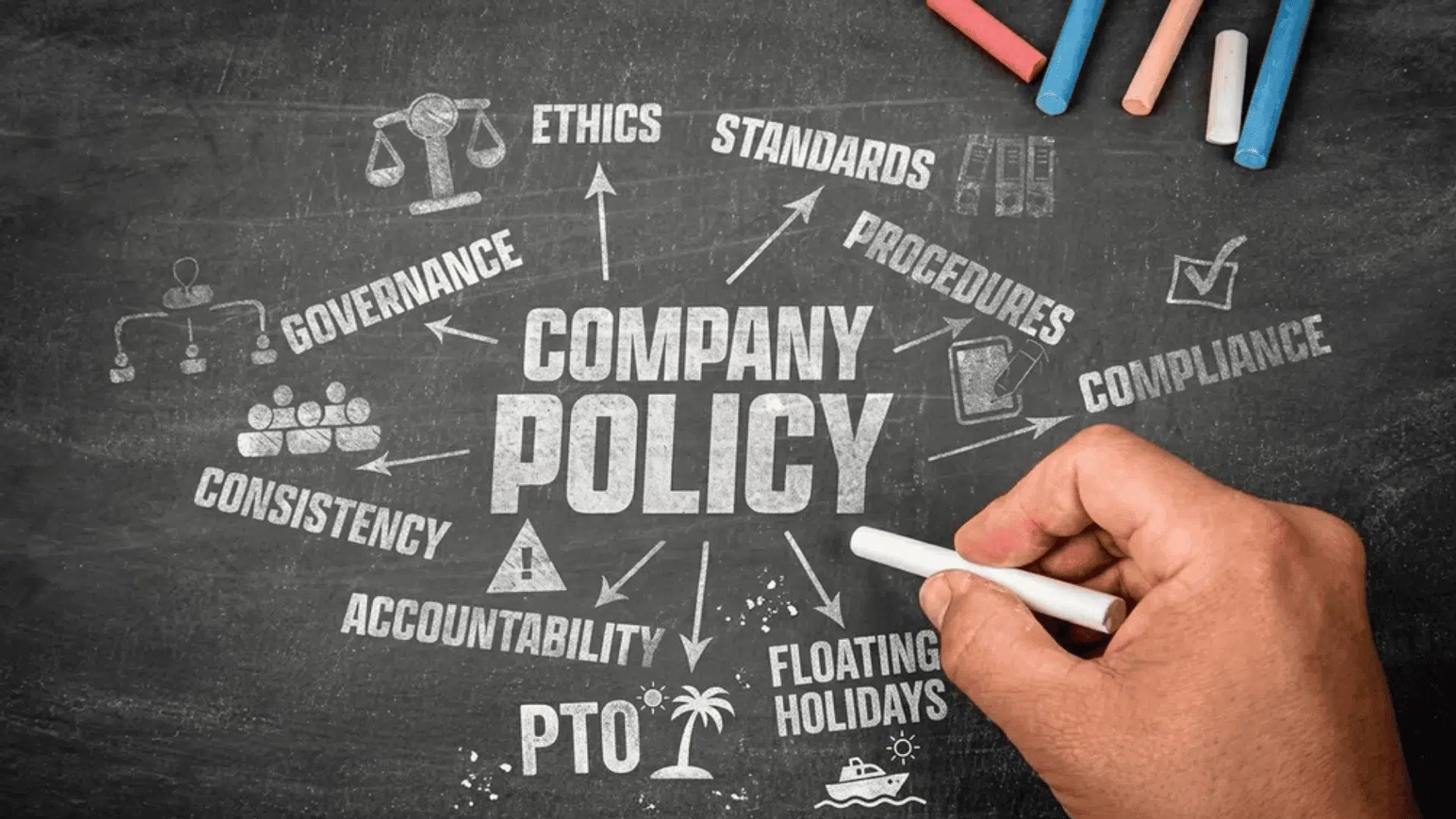
Companies include floating holidays to support different personal and cultural needs within a single workforce. This helps employees take time off that aligns with individual calendars.
It also reduces dependence on fixed public holidays. When time off is spread across different days, fewer teams are absent at the same time, keeping operations more stable.
Workload distribution becomes easier when leave is planned in varied slots. Managers can plan staffing more evenly instead of dealing with large holiday rush periods.
Employee satisfaction increases when people feel their time off choices are respected. This also improves retention because employees feel their personal needs are considered in policy design.
Key Rules Checklist for Floating Holiday
Before granting a floating holiday, most companies expect a few simple conditions to be met. These help keep work planning smooth while still giving space for flexible time off.
Checklist
| ☐ Approval from reporting manager ☐ Available balance in leave system ☐ No conflict with critical project timelines ☐ Usage within allowed calendar period ☐ Request submitted within required notice period ☐ Not exceeding annual floating holiday limit ☐ Compliance with team staffing requirements ☐ No overlap with blackout or peak business dates |
Wrapping Up
Floating holidays sit in a quiet but useful corner of workplace benefits. They give room for personal timing without waiting for fixed dates on a calendar.
From short breaks to meaningful occasions, the choice stays with the employee, shaped by simple approval steps and company rules.
Have you used a floating holiday before, or does your workplace offer something similar?
Share how it works in your setup or any surprising rules you’ve come across. Real examples from different companies often reveal how differently this benefit is handled in practice.
Frequently Asked Questions
Can You Use a Floating Holiday for A Sick Day?
Whether you can use a floating holiday for a sick day depends entirely on your employer’s specific policies. Because floating holidays are generally designed as flexible personal days, many companies allow them to be used for illnesses, while others restrict them to cultural observances or require advance approval.
Can a Floating Holiday Be Denied?
Yes, employers can deny this request. While floating holidays provide employees with flexibility, the approval of such requests is often subject to business needs and staffing requirements.
Is It Better to Cash out PTO or Use It?
Whether it is better to use your PTO or cash it out depends on your company’s policy, state labor laws, and your financial needs. Generally, using PTO is better for maintaining continuous benefits and vesting dates, while cashing out gives you a financial boost.