
Clear workplace policies help businesses maintain consistency, reduce confusion, and ensure employees understand their responsibilities.
Without a structured system, important rules and expectations can become difficult to manage across teams.
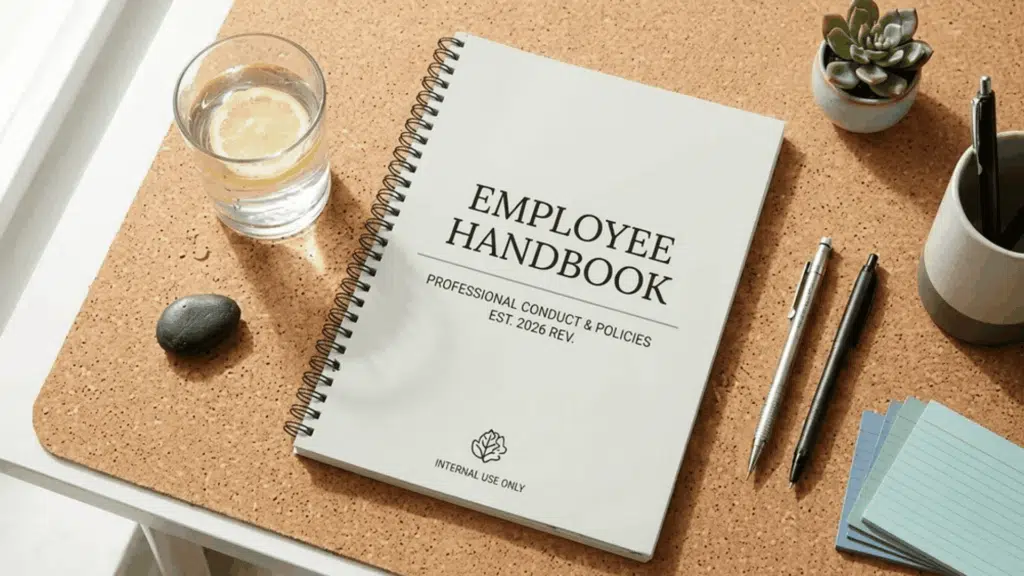
An employee handbook template gives businesses a practical framework for organizing workplace information, from employee guidelines to internal procedures. It helps companies create a reliable document that can be adapted to their culture, operations, and requirements.
The sections below explain what a handbook template includes, where to find useful resources, and how to customize it effectively.
Understanding A Company Handbook Template
A company handbook template is a ready-made framework that helps businesses create a structured workplace document.
It provides an organized format for adding policies, procedures, and employee-related information without having to start from the beginning.
Customization is important because every organization has different workflows, values, and workplace requirements.
Adjusting the template allows businesses to include relevant policies, reflect their culture, and create guidelines that match their actual operations.
A personalized handbook provides employees with a clear source of information on workplace expectations, available resources, and company procedures. It also helps management maintain consistent communication while making future updates easier to manage.
Key Components of a Company Handbook Template
A well-organized employee handbook template divides workplace information into clear categories that employees can easily understand and reference.
Each section helps define company expectations, employee responsibilities, and important workplace procedures.
- Welcome Statement and Company Overview: Introduces the company’s mission, values, culture, and background to help employees understand the organization.
- Employment Policies and Expectations: Covers job roles, attendance, conduct, communication, and workplace rules that employees must follow.
- Compensation, Benefits, and Leave: Explains payroll, paid time off, benefits, holidays, and employee support programs.
- Legal Requirements and Protections: Includes equal opportunity, anti-harassment, safety, and other workplace compliance policies.
- Employee Acknowledgment: Confirms employees have reviewed the handbook and understand the company’s policies.
|
Recommended Order Of Handbook Sections: |
Free Resources Used for Employee Handbook Template
Several platforms provide employee handbook templates that businesses can customize for their workplace needs.
These resources offer a range of features, from editable formats and designs to HR support and compliance assistance.
1. SHRM Employee Handbook Builder
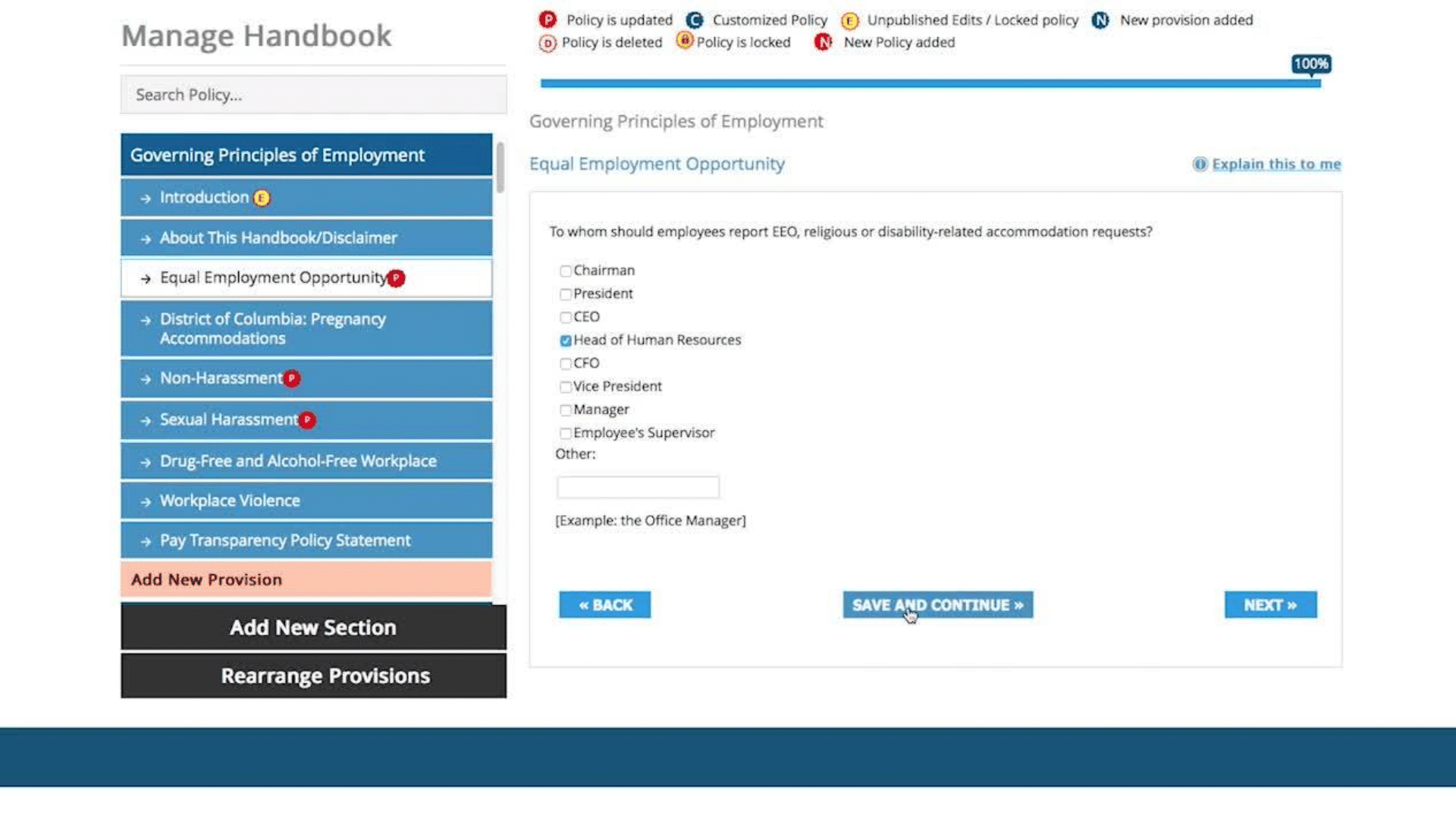
- Best For: Businesses needing HR-focused handbook templates with compliance support.
- Compliance Support: Includes structured policies designed around employment standards and workplace requirements.
- Customization: Allows adjustments to align with company policies and regional needs.
- Ideal Users: HR teams managing handbooks across multiple locations or departments.
2. Canva Employee Handbook Templates
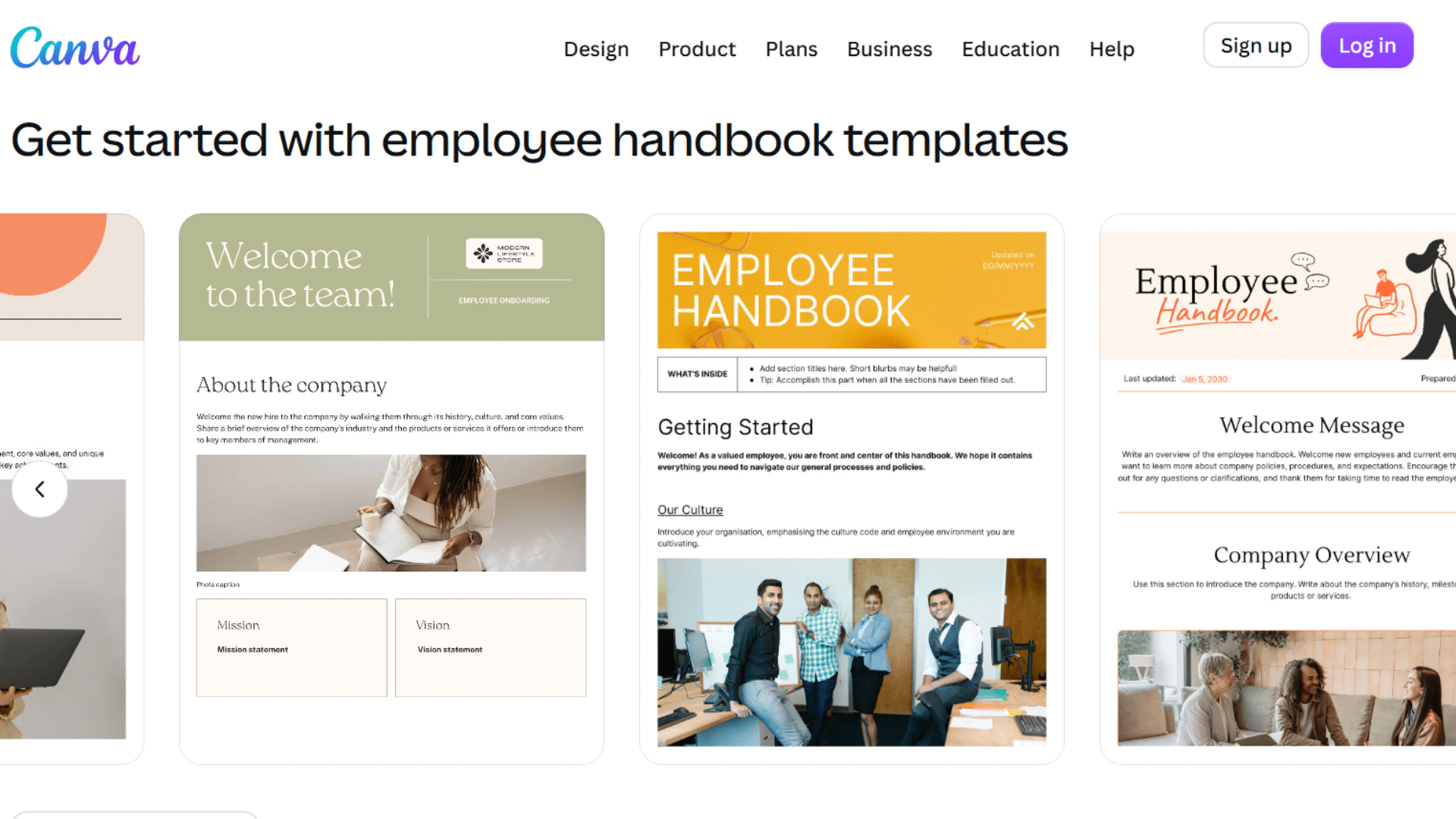
- Best For: Businesses seeking visually appealing, branded handbook designs.
- Design Flexibility: Offers drag-and-drop editing for layouts, fonts, colors, and page structure.
- Customization: Makes it easy to match handbook designs with company branding.
- Ideal Users: Small businesses that want simple, readable, and professional-looking documents.
3. LawDepot Handbook Generator
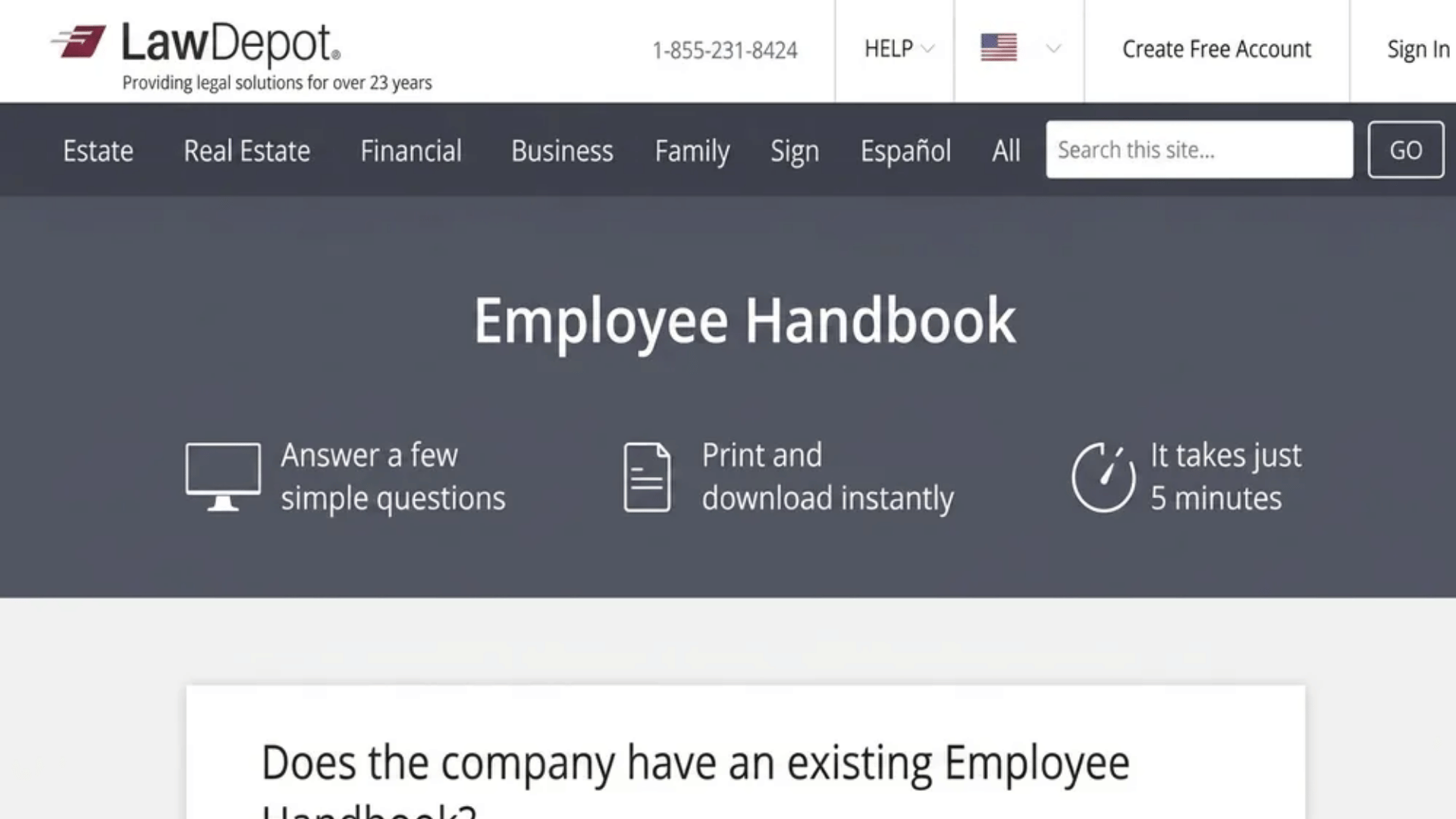
- Best For: Businesses that prefer guided handbook creation instead of writing from scratch.
- Creation Process: Uses step-by-step questions to generate organized policy sections.
- Document Structure: Produces formal handbook layouts suitable for workplace documentation.
- Ideal Users: Companies that need a structured starting point for employee policies.
4. Template.net Word Templates
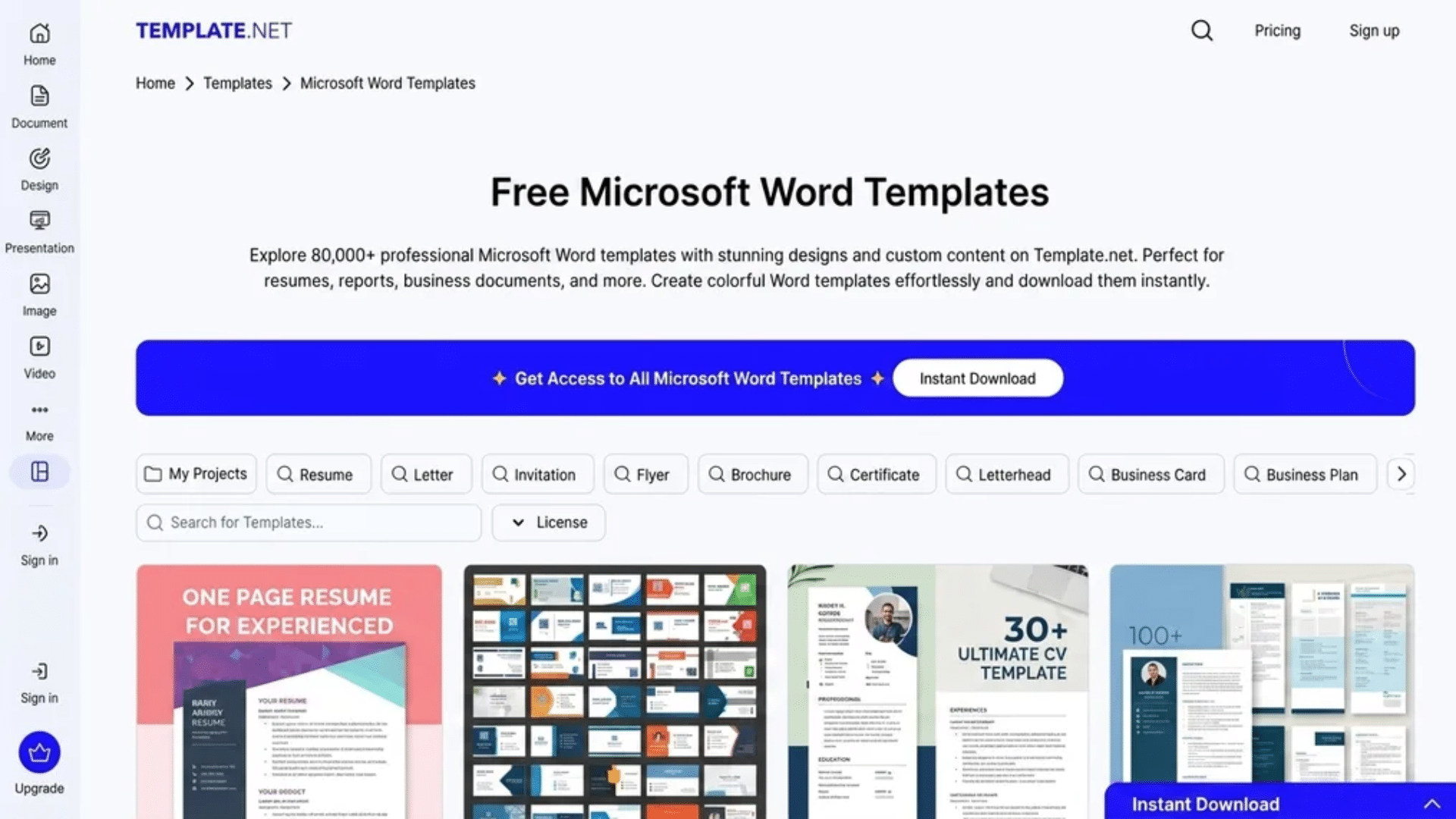
- Best For: Businesses needing editable employee handbook templates in Word format.
- Editing Options: Allows users to modify text, sections, and policies directly offline.
- Accessibility: Easy to download, customize, print, and share.
- Ideal Users: Small teams seeking a quick, simple handbook solution.
5. Venngage Handbook Templates
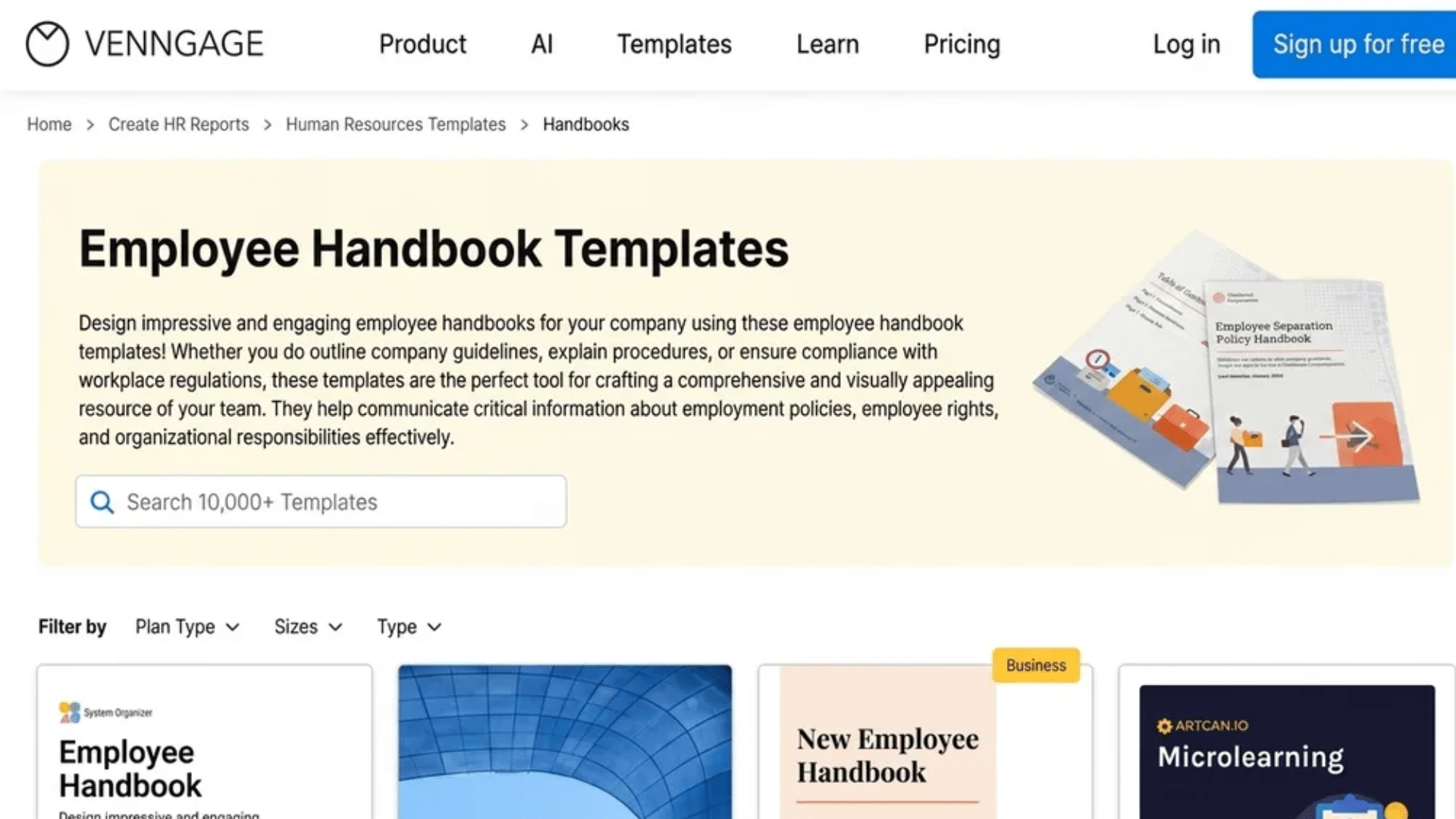
- Best For: Businesses that want visually organized employee handbooks with engaging layouts.
- Design Features: Uses charts, icons, and infographic elements to simplify complex policy information.
- Customization: Allows teams to edit layouts and create branded handbook designs.
- Ideal Users: Companies that value presentation, readability, and employee-friendly documentation.
6. 501 Commons Sample Handbook
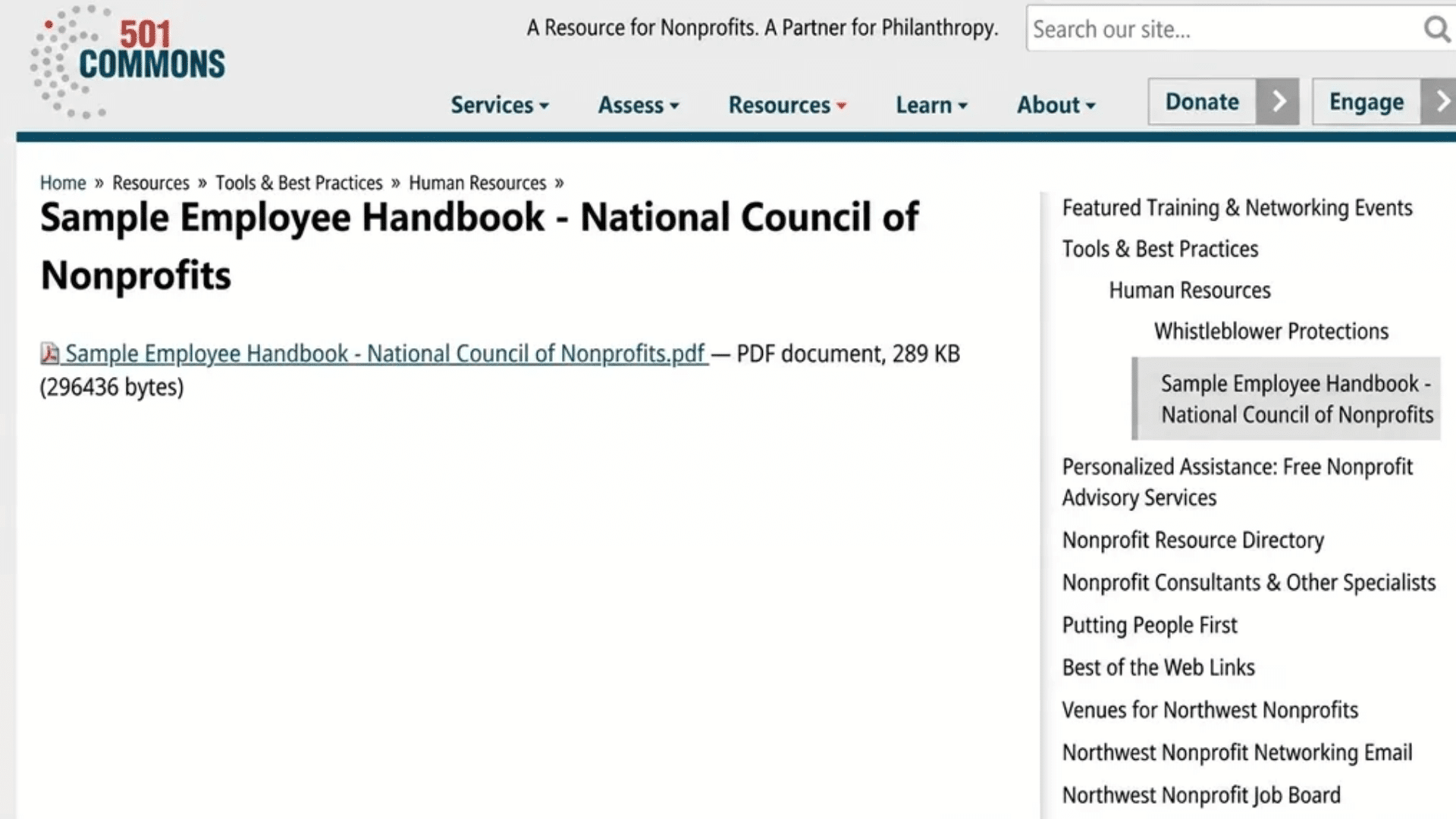
- Best For: Nonprofits and small organizations needing a basic handbook framework.
- Policy Coverage: Includes standard workplace policies that can be adapted for different needs.
- Customization: Provides a starting structure that organizations can modify with their own rules.
- Ideal Users: Teams seeking practical handbook examples without having to create documents from scratch.
7. Public Counsel Employee Handbook
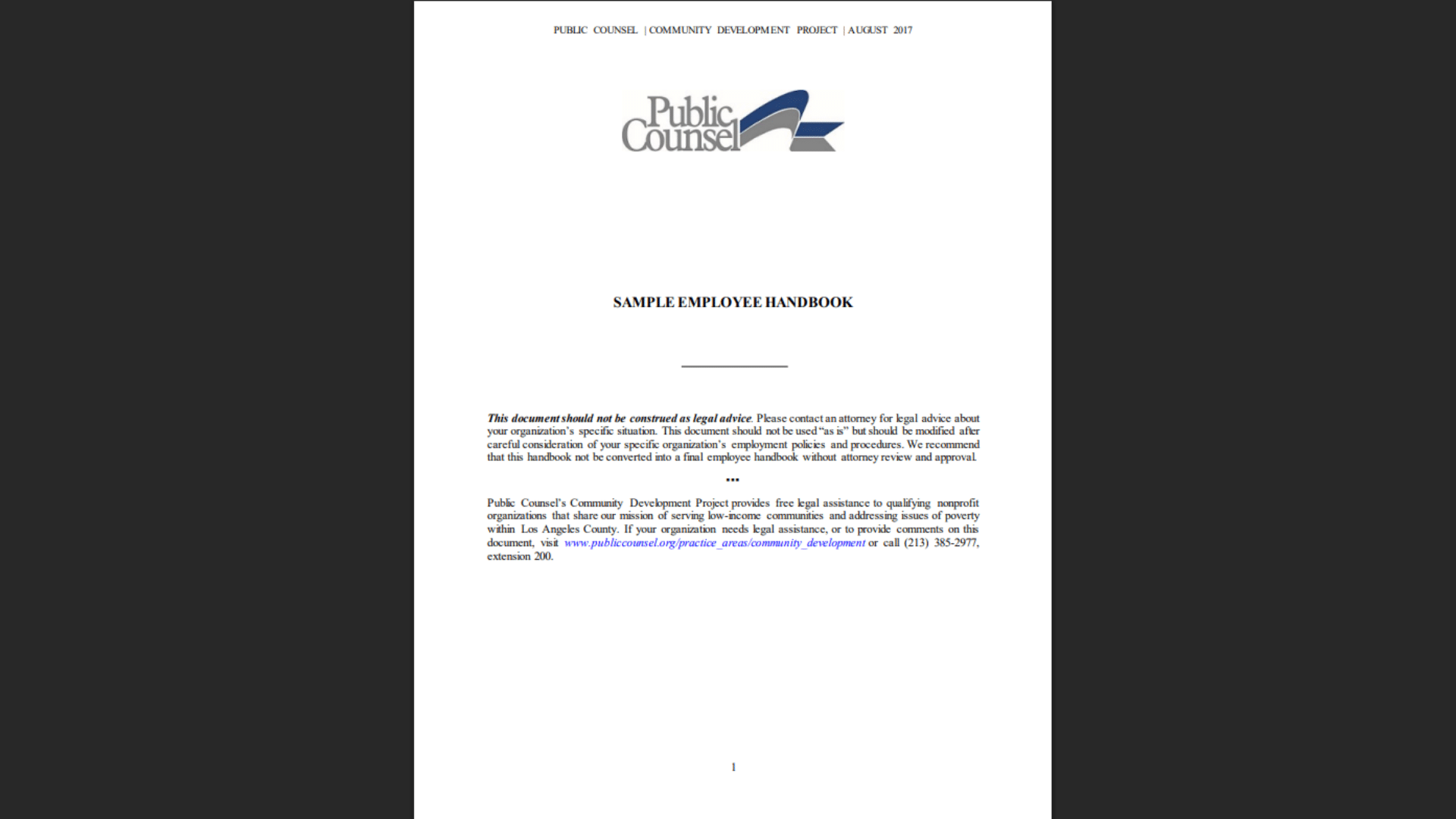
- Best For: Organizations seeking legally structured handbook examples for reference.
- Policy Structure: Covers workplace expectations, employment rules, and standard HR documentation areas.
- Customization: Can be adapted to create internal policies and employee guidance documents.
- Ideal Users: Businesses that need a formal reference when developing their handbook.
8. Securahr Custom Builder
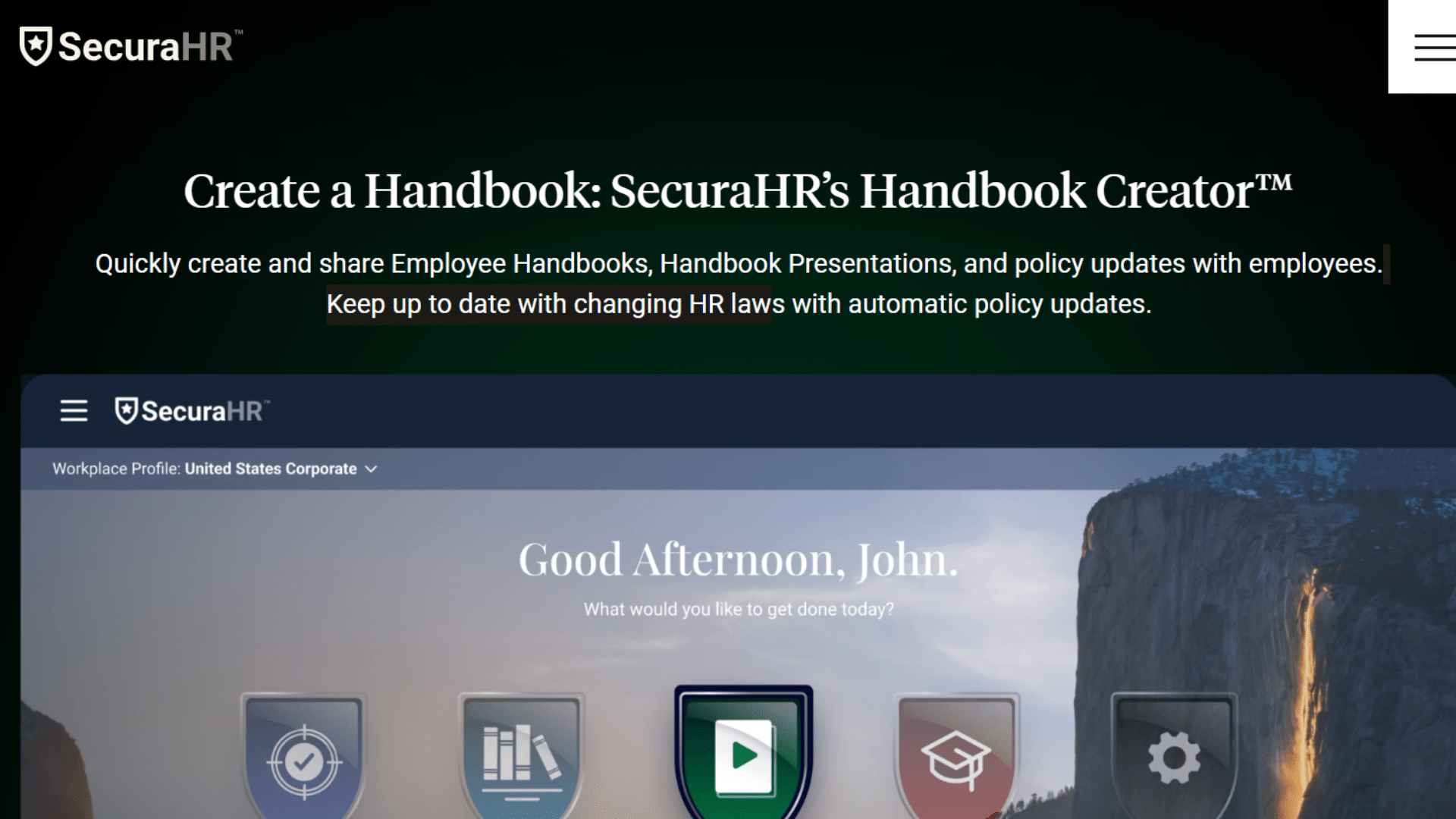
- Best For: Businesses that need ongoing HR support beyond a basic template.
- Customization: Helps create handbook policies based on company requirements and workplace needs.
- Compliance Support: Includes updates and tracking features to keep policies up to date.
- Ideal Users: Organizations wanting a managed handbook creation and maintenance system.
Benefits Of Using An Employee Handbook Template
An employee handbook template helps businesses organize policies, simplify updates, and create a consistent workplace reference. It also saves time while improving employee understanding of company guidelines.
| Benefit | How It Helps |
| Better Organization | Keeps policies, procedures, and expectations in one structured document. |
| Faster Onboarding | Helps new employees quickly understand workplace rules and responsibilities. |
| Easy Customization | Allows businesses to adapt sections based on their culture and requirements. |
| Simple Updates | Makes policy changes easier when workplace needs or regulations change. |
| Improved Compliance | Supports inclusion of important legal and workplace requirements. |
A structured handbook template creates a reliable resource for employees and management. Regular updates ensure the document continues to reflect current workplace practices.
Tips Before Customizing An Employee Handbook Template
Before customizing a handbook template, focus on making policies clear, relevant, and aligned with your workplace needs. The right adjustments help create a document employees can easily understand and follow.
- Legal Review: Ensure policies cover employment laws, workplace protections, and compliance requirements relevant to your location and industry.
- Policy Selection: Add essential sections for employment terms, conduct, attendance, compensation, benefits, leave, and safety guidelines.
- Clear Language: Use simple wording instead of complex legal terms so employees can quickly understand expectations and procedures.
- Easy Structure: Organize content with clear headings, short sections, and readable formatting to make important information easier to find.
- Company Fit: Customize policies to your company culture, team structure, and daily operations, rather than using generic wording.
- Regular Updates: Review the handbook periodically to keep policies accurate as workplace practices and regulations change.
A carefully customized handbook becomes a practical workplace resource instead of just a collection of rules. Regular improvements help it remain useful for both employees and management.
Final Takeaway
Creating a well-organized employee handbook lays the foundation for smooth operations and informed teams. It transforms policies and expectations into a single, accessible resource, helping employees understand their roles with confidence.
A structured handbook also serves as a touchpoint for management, ensuring consistency across departments and processes. An employee handbook template makes it easier for businesses to organize policies, customize sections, and maintain clear workplace documentation.
Which tools or approaches have you found most effective for building your company handbook? Are there sections you prioritize over others, or ways you’ve adapted templates to fit your team’s workflow?
Share your experiences and suggestions in the comments below; your insights could help other organizations refine their employee documentation and improve workplace clarity.
Frequently Asked Questions
Can ChatGPT Create an Employee Handbook?
Yes, ChatGPT can absolutely help you create a comprehensive employee handbook. It is a massive time-saver for generating outlines, drafting individual policies, and refining company culture statements.
What Is Another Name for An Employee Handbook?
An employee handbook is most commonly referred to as an employee manual or staff handbook. Depending on the company’s size and style, it may also be called a company policy document, personnel guide, workplace guidebook, or even a culture code.
How Long Should an Employee Handbook Be?
An employee handbook should be long enough to clearly outline expectations, benefits, and legal protections, typically 30 to 80 pages.