

Long meetings, busy schedules, and repetitive tasks can make even the most positive workplace feel routine. That is why adding small fun activities for employees in the office can make a noticeable difference.
Simple games, quick challenges, and team interactions help employees recharge, strengthen workplace relationships, and create a more enjoyable work environment without taking up much time.
In this blog, you’ll find easy, small fun activities for employees in office that fit into almost any workday and help bring more energy, connection, and teamwork to the office.
Why are Fun Activities Important in Office Culture?
Small workplace activities help employees connect, reduce stress, and create a more positive, collaborative work environment.
- Improve Team Bonding: Shared activities help coworkers build stronger relationships, making communication and collaboration more natural.
- Boost Employee Morale: Short breaks for enjoyable activities refresh employees, increase motivation, and create a more positive workplace atmosphere, one piece of the bigger picture covered in this employee retention strategies guide.
- Encourage Better Communication: Icebreakers and group games make it easier for employees to interact, share ideas, and work together effectively.
- Reduce Workplace Stress: Fun activities provide a mental break from daily tasks, helping employees return to work feeling more relaxed and focused.
- Increase Employee Engagement: Employees who enjoy their workplace culture are often more involved, productive, and willing to participate in team initiatives.
- Support Creativity: Interactive games and challenges encourage employees to think differently, solve problems creatively, and generate fresh ideas.
Quick-Fire Fun Activities Anyone Can Start Today
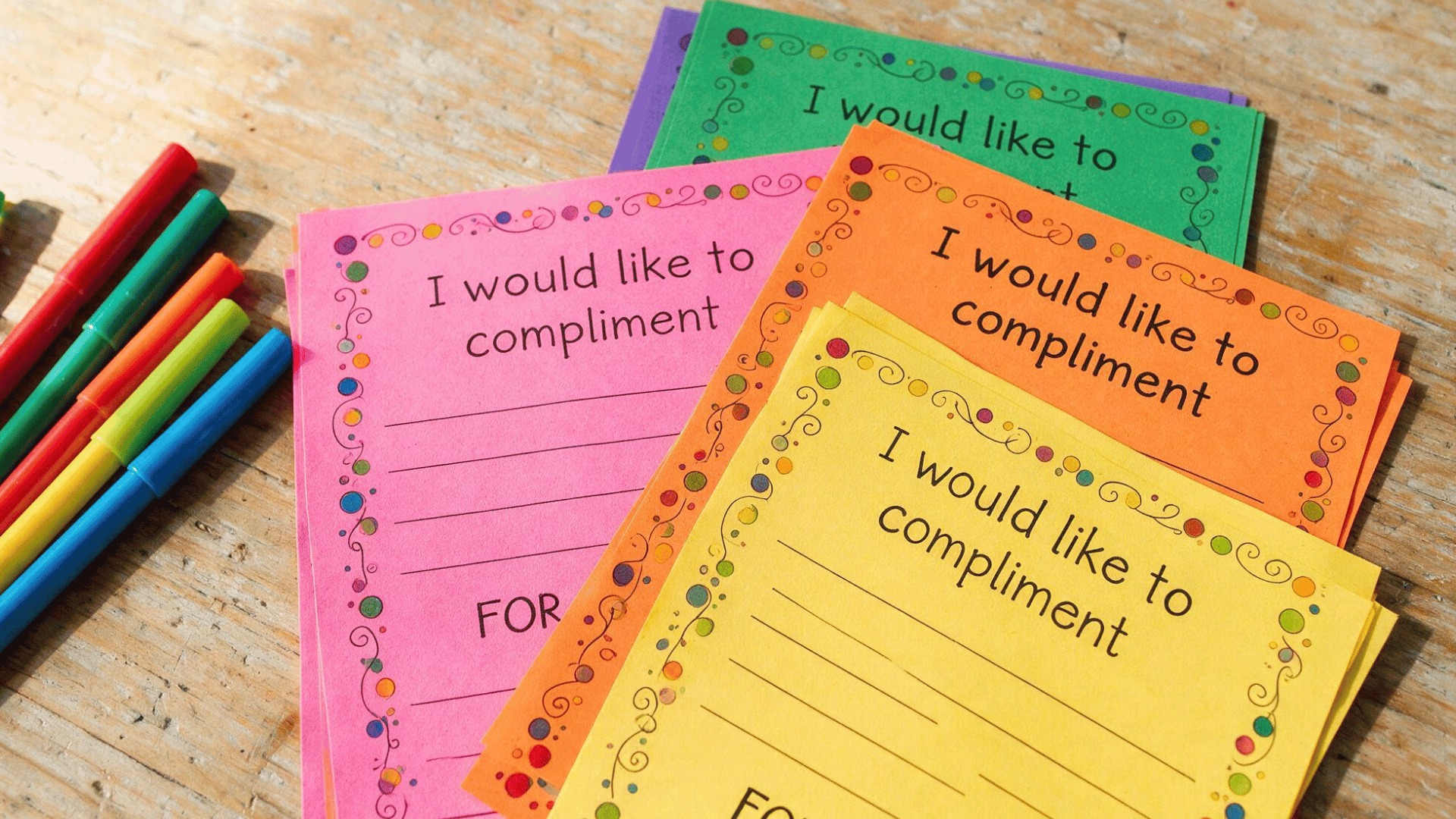
These activities need almost no setup, making them perfect for a quick energy boost between meetings. Most take only a few minutes and require little or no equipment.
1. Two Truths and a Lie
- Best for: 3-15 people
- Time: 10-15 minutes
- How to play: Each person shares three statements about themselves, one of which is false. The group guesses which statement is the lie.
- Why it works: Encourages conversation and helps coworkers learn interesting facts about one another.
2. Desk Charades
- Best for: 4-12 people
- Time: 10 minutes
- How to play: One player silently acts out a work-related word or phrase while everyone else tries to guess it before time runs out.
- Why it works: Promotes teamwork, laughter, and quick thinking.
3. Compliment Cards
- Best for: Any group size
- Time: 5 minutes
- How to play: Everyone writes a genuine compliment for a coworker. Shuffle the cards and hand them out anonymously.
- Why it works: Boosts morale and helps employees feel appreciated.
4. Emoji Story
- Best for: 3-10 people
- Time: 10 minutes
- How to play: One person tells a short story using only emojis while the rest of the team guesses what happened.
- Why it works: Encourages creativity and keeps conversations fun.
5. Would You Rather
- Best for: Any group size
- Time: 5-10 minutes
- How to play: Ask a fun “Would you rather” question and let everyone explain their choice before taking a quick vote.
- Why it works: Sparks conversation and helps teammates learn about one another.
6. Office Bingo
- Best for: Any group size
- Time: Ongoing
- How to play: Hand out bingo cards with common office moments and mark each square as the events happen throughout the week.
- Why it works: Makes everyday office routines more engaging.
7. Mystery Post-it Challenge
- Best for: Any group size
- Time: 5-7 minutes
- How to play: Leave a riddle or question on a coworker’s desk each morning. The first person to answer correctly creates the next challenge.
- Why it works: Encourages daily interaction and friendly competition.
8. Guess Who
- Best for: 5-20 people
- Time: 15-20 minutes
- How to play: Collect one interesting fact from each employee, read them aloud, and let everyone guess who submitted each one.
- Why it works: Helps coworkers discover shared interests and build stronger connections.
9. Coffee Roulette
- Best for: Pairs of 2
- Time: 15-20 minutes
- How to play: Randomly pair coworkers for a casual coffee break where work-related conversations are off limits.
- Why it works: Encourages connections between employees who may not normally interact.
10. One-Word Icebreaker
- Best for: Any group size
- Time: 5-7 minutes
- How to play: Ask everyone to describe their day or week using only one word, then invite a few people to explain their choice; a format that pairs well with these icebreaker questions for meetings when you want more variety.
- Why it works: Gets everyone involved without putting anyone on the spot.
Team Building Activities That Improve Collaboration
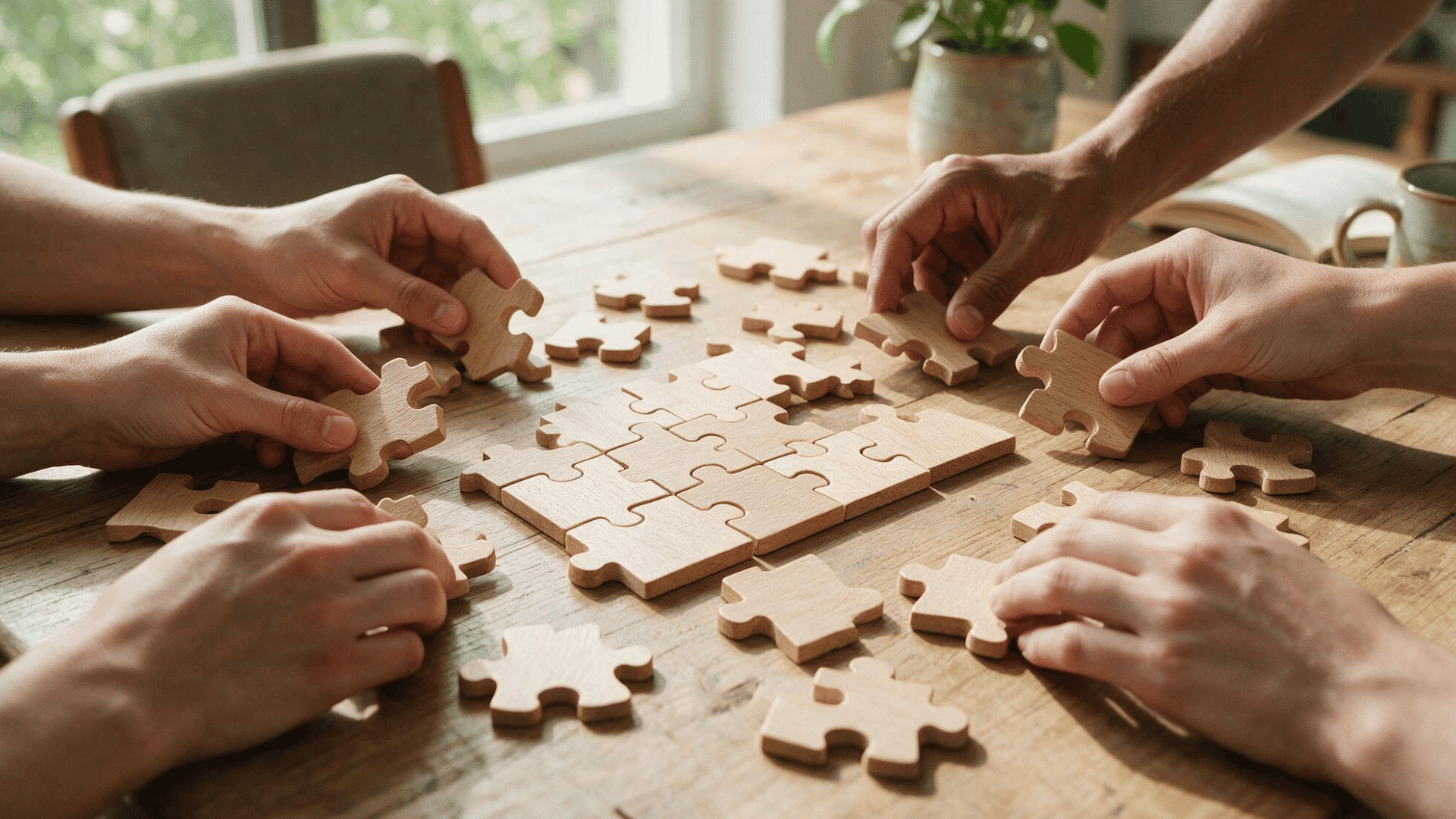
These activities require a little more preparation but help teams solve problems and work together. The shared challenge can improve communication, build trust, and help coworkers understand each other’s working styles.
11. Paper Airplane Contest
- Best for: 4-20 people
- Time: 15-20 minutes
- How to play: Divide into teams, give each group one sheet of paper, and see whose airplane flies the farthest.
- Why it works: Encourages teamwork, creativity, and problem-solving.
12. Puzzle Race
- Best for: 4-16 people
- Time: 20-25 minutes
- How to play: Give each team the same puzzle and race to see who completes it first.
- Why it works: Improves communication and collaboration under pressure.
13. Office Scavenger Hunt
- Best for: 6-20 people
- Time: 25-30 minutes
- How to play: Teams follow clues to find hidden items around the office before the other groups.
- Why it works: Promotes teamwork while getting employees moving.
14. Build a Story Together
- Best for: 4-15 people
- Time: 10-15 minutes
- How to play: One person begins a story, and each teammate adds one sentence until it reaches an ending.
- Why it works: Strengthens listening skills and creative thinking.
15. Mini Office Olympics
- Best for: 6-20 people
- Time: 30-35 minutes
- How to play: Organize several mini challenges, such as paper tosses or chair races, and keep score across each event.
- Why it works: Builds team spirit through friendly competition.
16. Egg Drop Challenge
- Best for: 4-16 people
- Time: 20-30 minutes
- How to play: Teams use limited materials to build a protective container that keeps an egg from breaking when dropped.
- Why it works: Encourages creative thinking and collaborative problem-solving.
17. Corporate Pictionary
- Best for: 4-20 people
- Time: 15-20 minutes
- How to play: Players draw workplace-related words or phrases while teammates race to guess the answer.
- Why it works: Improves communication and teamwork in a relaxed setting.
18. Desk Swap Challenge
- Best for: 2-20 people
- Time: One workday
- How to play: Randomly swap workspaces for the day so employees experience each other’s work environment.
- Why it works: Builds empathy and encourages appreciation for different work styles.
Fun Activities at Work to Beat the Afternoon Slump
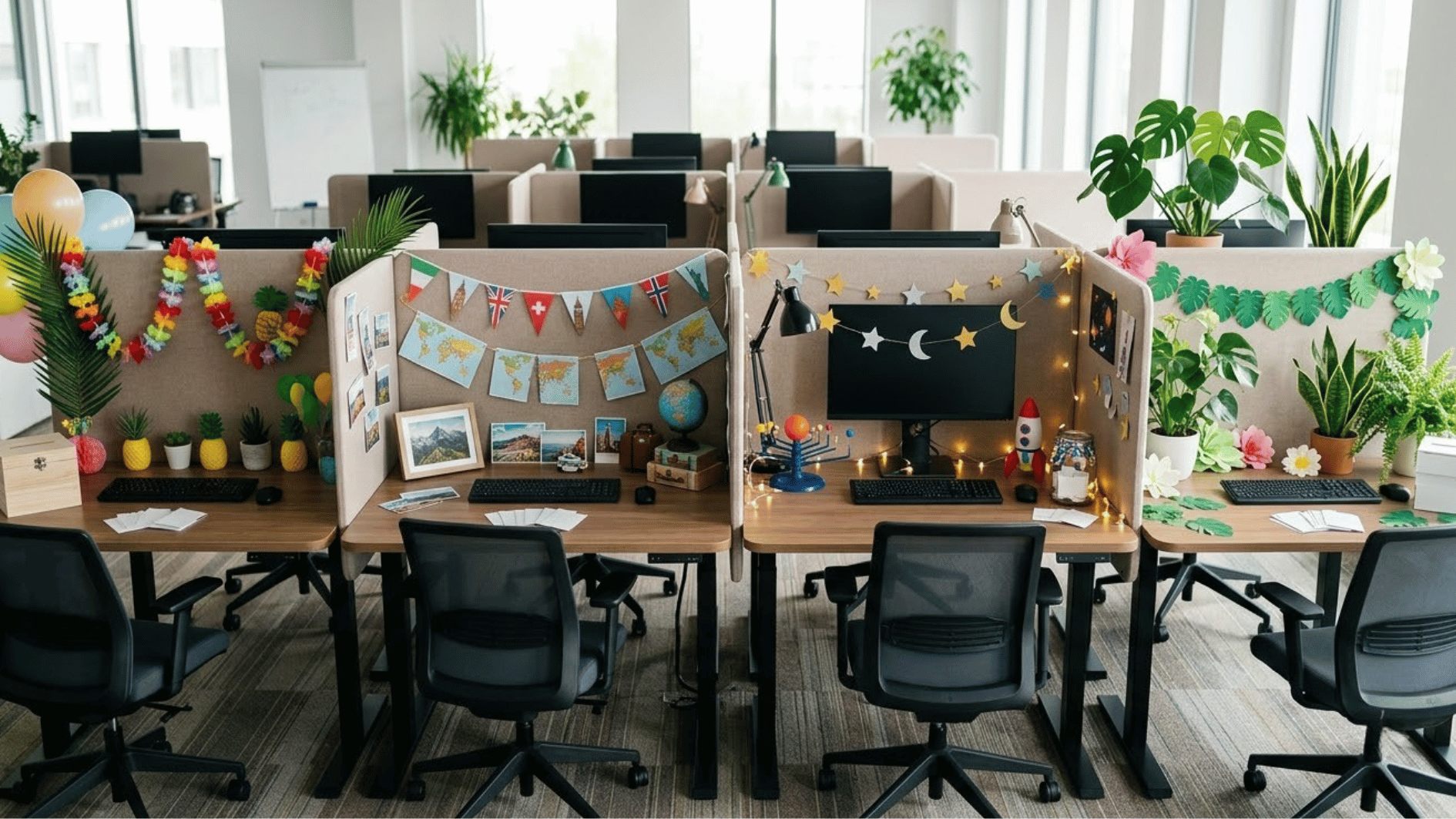
These activities help employees recharge without interrupting the workday. They can fit into short breaks, lunch periods, or the time between scheduled tasks.
19. Five-Minute Trivia
- Best for: Any group size
- Time: 5-7 minutes
- How to play: Ask a few quick trivia questions about general knowledge, pop culture, or your workplace.
- Why it works: Refreshes focus and creates friendly competition.
20. Stretch Break Challenge
- Best for: Any group size
- Time: 5-10 minutes
- How to play: Lead the team through a short stretching or light exercise routine together.
- Why it works: Reduces fatigue and increases energy.
21. Karaoke Minute
- Best for: 3-15 people
- Time: 5-10 minutes
- How to play: Invite volunteers to sing one minute of a favorite song while everyone cheers them on.
- Why it works: Creates laughter and helps relieve stress.
22. Photo Caption Contest
- Best for: Any group size
- Time: 10 minutes
- How to play: Share a funny photo and ask everyone to submit their best caption before voting for a winner.
- Why it works: Encourages creativity and team interaction.
23. Desk Decorating Contest
- Best for: Any group size
- Time: One week
- How to play: Choose a theme and let employees decorate their desks before holding a team vote.
- Why it works: Makes the workplace more creative and enjoyable.
24. Snack Swap
- Best for: 4-20 people
- Time: 10-15 minutes
- How to play: Everyone brings a favorite snack to share along with a short explanation of why they chose it.
- Why it works: Encourages conversation and cultural sharing.
25. Mini Talent Slot
- Best for: 5-20 people
- Time: 15-20 minutes
- How to play: Invite volunteers to perform a talent, demonstrate a hobby, or share a fun skill in two minutes.
- Why it works: Celebrates individual strengths and builds appreciation among coworkers.
Discussion Activities Your Team Can Vote On
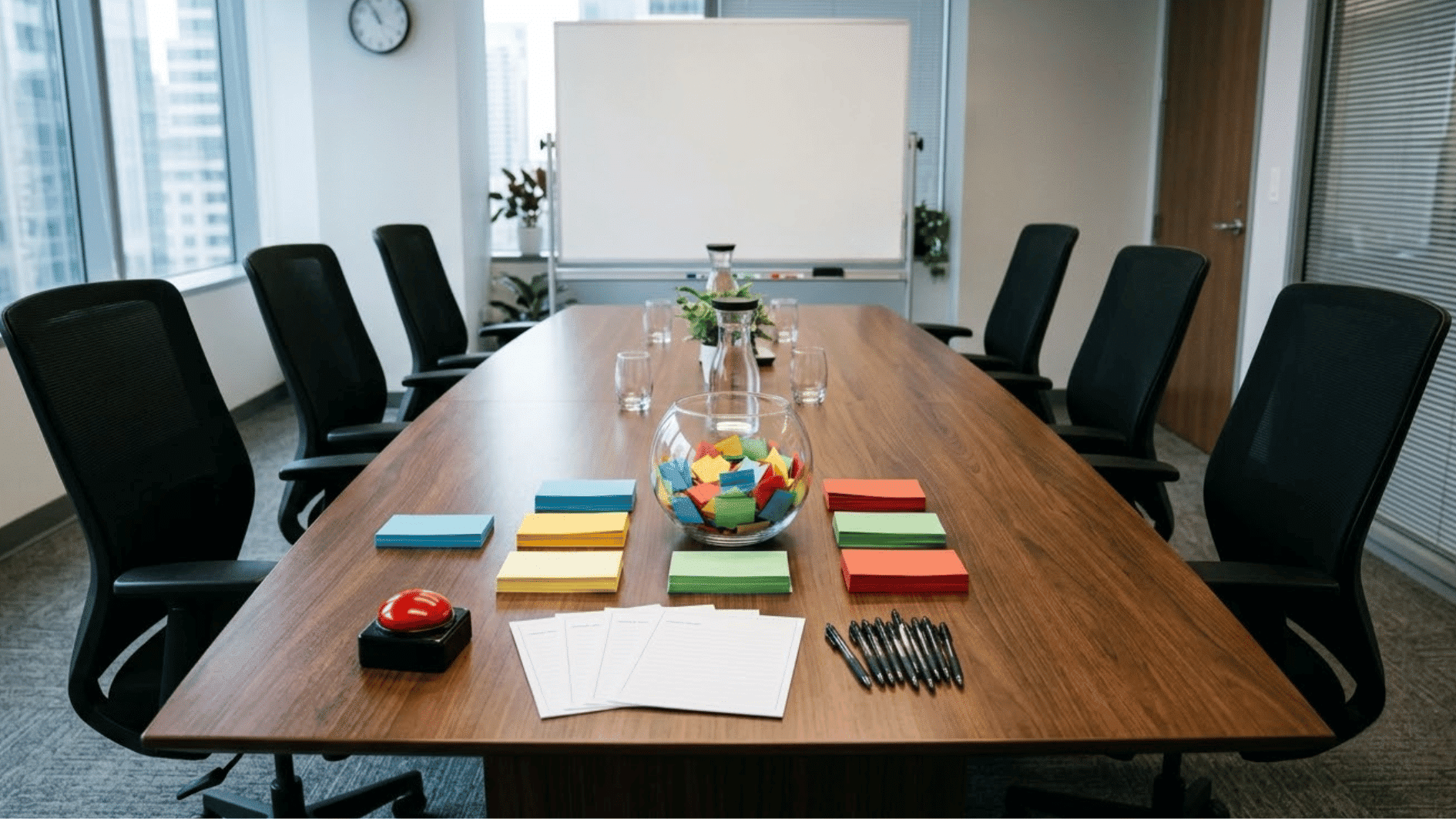
These activities encourage employees to contribute ideas while giving everyone a voice. Team members can share suggestions, listen to different viewpoints, and build on each other’s thoughts.
26. This or That Debate
- Best for: 4-20 people
- Time: 10-15 minutes
- How to play: Present two choices, let each side explain their opinion, and finish with a team vote.
- Why it works: Encourages healthy discussion and active participation.
27. Employee-Submitted Trivia
- Best for: 5-20 people
- Time: 15-20 minutes
- How to play: Ask everyone to submit one trivia question ahead of time, then play through them together, pairing them with the team-building question prompts used to spark discussion.
- Why it works: Helps coworkers learn more about each other.
28. Memory Wall
- Best for: Any group size
- Time: Ongoing
- How to play: Create a shared board where employees post photos, achievements, or memorable workplace moments.
- Why it works: Celebrates team successes and strengthens workplace culture.
29. Skill Swap Board
- Best for: Any group size
- Time: Ongoing
- How to play: Employees volunteer to teach a skill while coworkers sign up to learn from them.
- Why it works: Promotes knowledge sharing and continuous learning.
30. Would You Rather Tournament
- Best for: 4-20 people
- Time: 20-25 minutes
- How to play: Collect team-submitted questions, vote through each round, and crown the winning scenario.
- Why it works: Creates lively conversations and keeps everyone engaged.
31. Vote for Next Month’s Activity
- Best for: Any group size
- Time: 5-10 minutes
- How to play: Present a few activity ideas at the end of the month and let employees vote on the next team event.
- Why it works: Gives employees a voice and increases participation in future activities.
How Often Should You Plan Office Activities?
The ideal schedule depends on your team’s size, workload, and workplace culture. The key is to plan activities often enough to keep employees engaged without interrupting their work.
Short activities, such as icebreakers, trivia, or stretch breaks, can be held once a week. They take only a few minutes and help employees recharge without disrupting productivity.
Team-building activities that require more planning work well once a month. This gives employees something to look forward to while providing enough time to organize meaningful experiences.
Larger events, such as office celebrations, volunteer days, or seasonal competitions, are often best scheduled once every quarter. Spacing out bigger activities keeps them fresh and maintains employee interest over time.
How Can You Make Fun Activities at Work More Inclusive?
Inclusive activities give every employee a comfortable way to participate, regardless of their personality, ability, or work location.
Offer Different Activity Types
Plan a mix of games, discussions, creative challenges, and team-building exercises so employees with different interests, strengths, and comfort levels can participate and enjoy the experience.
Consider Accessibility
Choose activities that accommodate different physical abilities and provide alternatives when an activity involves movement or other limitations, ensuring everyone has an equal opportunity to join.
Rotate Activities Regularly
Change the activities and give different employees opportunities to lead or contribute. This keeps experiences fresh, prevents repetition, and encourages wider participation.
Include Remote Employees
Whenever possible, offer virtual or chat-based versions of activities so hybrid and remote team members can participate and feel equally connected to the team.
Reward Participation
Recognize everyone who takes part, not just the winners. Celebrating effort and involvement helps create a more welcoming and supportive workplace culture.
Conclusion
Creating a positive workplace does not require large budgets or elaborate events. Small fun activities for employees in the office can help employees laugh, connect, and take short breaks together.
From a five-minute icebreaker to a team challenge to a discussion-based activity, these simple ideas can help build a more engaged and collaborative workplace.
Pick a few activities to try with your team, see what they enjoy most, and make them a regular part of your office culture.
Which small fun activities for employees in the office have worked best for your team? Share your favorite ideas or experiences in the comments.
Frequently Asked Questions
Who Should Be Responsible for Organizing Office Activities?
Any employee can lead one, but rotating the role between HR, team leads, and volunteers keeps ideas fresh and prevents the same person from carrying all the planning work.
Do Office Fun Activities Need a Budget?
No. Most activities on this list use items already in the office: paper, sticky notes, a whiteboard, so a dedicated budget isn’t required to run them regularly.
How Do You Know if Office Activities are Actually Working?
Watch for simple signs: employees showing up voluntarily, requesting a repeat, or bringing their own ideas. A drop in participation usually signals it’s time to switch things up.
How Can New Employees Be Included in Office Activities Right Away?
Pair a new hire with a current employee for their first activity, and choose something low-pressure like a quick icebreaker so they can join without feeling put on the spot.