


Ever had a coworker who quietly makes every workday just a little harder than it needs to be?
Toxic coworkers have a way of turning a job you once enjoyed into something that starts weighing on you by Sunday evening.
And the tricky part is, it builds so gradually that you barely notice until it is already touching your sleep, your mood, and your life outside of work.
If you have been Googling how to deal with toxic coworkers at 11 pm, this is exactly where you need to be.
Can Toxic Coworkers Actually Damage Your Mental Health?
Yes, and the damage goes far deeper than just a bad day at work. While not every difficult colleague is intentionally harmful, patterns of toxic behavior do add up over time.
According to an NIH-published study, employees in toxic workplace environments are more likely to experience anxiety, insomnia, burnout, and depression, often without immediately connecting it to their work relationships.
A thoughtful employee experience strategy can help organizations catch these patterns before they compound.
These effects don’t always stay at the office either; they gradually touch personal relationships and life outside work.
The U.S. Surgeon General’s Framework for Workplace Mental Health further notes that prolonged workplace stress can contribute to conditions like heart disease and depression.
Signs Your Coworker Relationship Might Be Turning Toxic
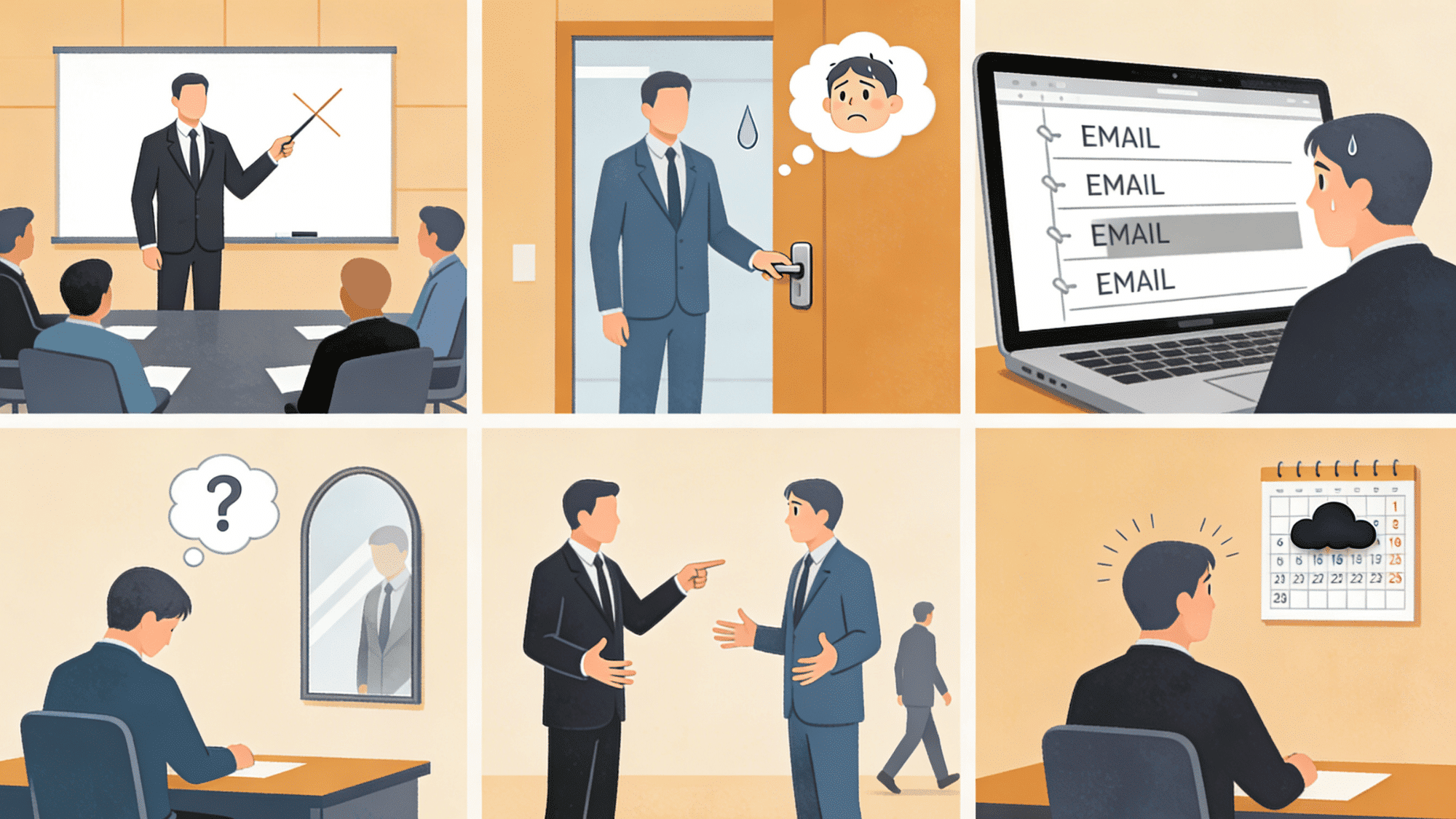
Not every difficult coworker is toxic, but some patterns are worth paying attention to. A relationship that starts out fine can shift gradually, and by the time it feels unbearable, it has often been building for months.
Here are some signs that a coworker relationship may be crossing into toxic territory, changing the working conditions:
- Public Undermining: Mistakes are openly flagged in meetings, while your wins quietly drop out of the conversation.
- Pre-Work Anxiety: Dreading a simple conversation or checking who is in the office before walking in is no longer normal workplace nerves.
- Deliberate Exclusion: Being left off emails or kept out of meetings that directly affect your work is a quiet but calculated move.
- Constant Self-Doubt: Regularly walking away from interactions feeling confused or questioning your own memory is a common sign of workplace gaslighting.
- Blame Shifting: Errors that involve them somehow always find their way back to you, while they walk away clean.
- Stress Patterns: Noticing that your anxiety or exhaustion spikes specifically on days you work alongside them is your body registering what your mind hasn’t yet named.
Personal Stories and Advice About How to Deal with Toxic Coworkers

People across public forums have openly shared what actually worked for them when figuring out how to deal with toxic coworkers. Their experiences are raw, real, and more useful than most textbook advice.
Here are a few pieces of advice straight from those who’ve lived it that can help you:
1. Have a Direct 1:1 First
“Get to know them , understand their background, expectations, slowly set expectations. Try not to take it personal. See if there is a different perspective to it.” –Teamblind
Not every difficult coworker is intentionally toxic. A direct conversation can sometimes reveal a difference in working styles rather than deliberate, harmful behavior.
2. Start Documenting Everything
“Document everything. Send a follow-up email after every conversation, especially those with the toxic person. Keep records , but take your documentation home.” –Quora
Keeping a record of incidents is a practical step that can become important if the situation is ever raised formally with HR or management.
3. Kill Them With Kindness
“Treat them with respect and act like they’re one of your angry clients , make it all sweet and nice, kill them with kindness.” –Quora
Maintaining a calm and professional approach can help reduce friction and prevent the situation from escalating further in the workplace.
4. Go to HR
“Talk to your boss or HR. Say you try to ignore it for professionalism’s sake but it’s becoming harder to do so. Seven months is a very long time to have to put up with it.” –Mumsnet
When informal attempts have not helped, speaking to HR or a line manager is a reasonable and recognized step for addressing ongoing workplace issues.
It is also worth familiarising yourself with your rights in the investigation before raising a formal concern.
5. Stop Reacting to Them
“Understand that anger is your reaction. The person knows your trigger point. You have a choice on how you react , ignore, do not react, leave the place.” –Teamblind
Managing your own response in difficult interactions can help limit the impact the behavior has on your day and your professional standing.
6. Move Everything to Email
“Re-iterate the message on email and copy in your boss every time. Let it go to voicemail then email her back with the answer. That way you have a history trail if you need it.” – Mumsnet
Keeping communication in writing creates a clear record of interactions and can be useful if the situation needs to be reviewed by management later.
7. Stay Calm Even When You Are Right
“You getting angry and defensive is not doing you any favours. While your coworkers might be in the wrong, this is also an opportunity to learn how to deal with negative feedback.” –Teamblind
Staying composed in difficult moments reflects well professionally and ensures the focus stays on the behavior rather than shifting to your response.
8. Keep a Private Incident Diary
“Keep a diary , paper , of any incidents: time, date, who said what. Be polite but assertive and keep everything to work-related matters only.” –Mumsnet
A personal log of specific incidents with dates and context can be a useful reference point if a formal complaint ever becomes necessary.
9. Focus on Your Own Work
“Just focus on your job. Remind yourself to focus on your purpose , don’t put your energy into distractions or immature coworkers that are toxic.” –Quora
Redirecting energy back to your own responsibilities is a practical way to limit the disruption a difficult coworker can have on your day-to-day performance.
10. Know When to Leave
“Sometimes the only way to deal with a toxic workplace environment is to find another job. A toxic workplace very rarely changes in my bitter experience.” –Quora
If the situation has not improved despite reasonable efforts, considering a move is a valid option that many people consider the right decision for their wellbeing.
Honest Stories About Dealing With Toxic Coworkers
Sometimes reading someone else’s experience is the thing that makes you feel less alone in yours. People across public forums have openly shared what they went through with toxic coworkers and what they did about it.
Here are three honest, unfiltered stories straight from those who have lived it:
“I faced a similar experience 5 years ago in my last role in a very big public sector organisation. It was so awful my hair fell out in clumps due to stress and I ended up leaving when the department restructured. I work in a brilliant place now with a very supportive manager and really enjoy my job and the workplace environment, but my last experience has left its scars. I have never been afraid of standing up for myself but it has totally altered my work personality and I just keep my head down now and am too scared to stick my head above the parapet. My advice would be to get out now. A toxic workplace very rarely changes in my bitter experience.” – Mumsnet
“Though they were very competent and extremely good technically, working with them was an absolute nightmare. Anytime something didn’t go his way he’d shout and scream. He was incredibly intimidating to junior devs and would basically call them idiots when they made a mistake. He constantly talked about how great he was and got to the point where he’d ignore other members of the team who helped on a project and took credit for the whole thing. My mental health improved and stress levels dropped the moment I changed jobs and no longer had to work with them.” –Teamblind
“I work with some toxic colleagues. Most people are friendly and respectful. Two in particular are very two faced, gossip about people, shirk and try to delegate their work to others so they can work from home, which they spend going shopping or to the cinema instead. One of them admitted not working and going to the shops so it is not me making it up. When they are in the office they will go and chat away from their desks about their personal lives but expect everyone to do their work while they slack off. They manipulate the team manager to their side and enjoy causing drama. I accepted them years ago on Facebook but I have now put them on restricted access as I do not want people knowing my business.” –Mumsnet
“I started a new job and my line manager is best friends with two toxic colleagues who say horrible things about all the other colleagues. Today my line manager disclosed something to them about an email I had sent her, which encouraged them to start slagging me off in front of all my colleagues. One person told me what was being said. One of the comments amounted to how she is going to try to sabotage my work. I have been encouraged to complain to HR about the three of them, as others feel they are bullies who get away with disclosing personal information about colleagues.” –Mumsnet
Resources That May Support Your Well-Being at Work
Knowing how to deal with toxic coworkers is one thing, but knowing where to get support for the toll it takes is just as important. If anxiety, burnout, or chronic stress have started creeping in, the resources below are a good place to start:
| Resource | Type | Best For | What You Get |
|---|---|---|---|
| NAMI Helpline | Helpline, US | Workplace stress and anxiety | Free confidential calls, trained volunteers, referrals |
| Mind, Mental Health at Work | Charity, UK | Workplace bullying and burnout | Employee guides, toolkits, and employer resources |
| HelpGuide, Workplace Mental Health | Online Resource, Global | Anxiety and depression from toxic coworkers | Evidence-based articles, therapist directory |
| U.S. Department of Labor | Government, US | Employee rights and workplace support | Mental health toolkits, federal support program links |
| CDC, Workplace Mental Health | Government, US | Chronic stress and burnout | Coping strategies, employer program guidance |
| Employee Assistance Program (EAP) | Employer Benefit, Global | Daily workplace toxicity | Free counseling, confidential referrals |
Conclusion
Not every workplace is going to be smooth sailing, and not every coworker is going to make things easy. But there is a clear difference between someone whose behavior consistently affects your work and wellbeing.
Recognizing that difference is already a step in the right direction. How to deal with toxic coworkers is something most people navigate without much guidance, often after months of unnecessary stress.
Hopefully, this has made that a little clearer. So, take the strategies that feel relevant, apply what works for you, and keep in mind that a healthier work experience is always worth working towards.
Frequently Asked Questions
Can a Toxic Coworker Get You Fired?
Yes, undocumented blame-shifting and undermining can quietly erode how management sees your performance over time.
What if HR Does Nothing After You Report a Toxic Coworker?
Escalate to senior leadership, consult an employment lawyer, or begin seriously evaluating if the workplace itself is worth staying in.
Can Toxic Coworker Behavior Be Considered Workplace Bullying Legally?
Yes, repeated targeted behavior that affects your work or wellbeing can fall under workplace harassment policies in many regions.