

A company rolls out a new benefits program. Employees shrug, and Engagement scores barely move, and leadership is left wondering what went wrong. This happens more than most organizations would like to admit.
The truth is, a solid employee experience strategy goes far beyond perks and pay. It looks at how people feel from their very first day to their last.
And when it is done right, it shows in retention, productivity, and team morale.
This guide takes you through a clear, step-by-step plan to build a strategy that actually works for the people it is meant to serve.
What Is Employee Experience?
Employee experience covers everything a person goes through at a company- from the moment they apply to the day they leave.
Every interaction shapes how they feel about their work, their leaders, and the culture around them.
The rising turnover costs, hybrid work, and growing well-being concerns have made this a top priority. But perks alone don’t cut it.
A real employee experience strategy connects daily work, leadership, and workplace policies to business goals like retention and productivity.
The key elements include supportive leadership, flexible work, the right tools, growth opportunities, recognition, and benefits that genuinely support people’s well-being.
How to Build an Employee Experience Strategy: Step-By-Step Plan

Building an employee experience strategy requires a clear structure and consistent planning. The following steps provide a practical framework for creating an effective strategy.
Step 1: Assess Your Current State
Begin by collecting reliable data about how employees currently view the workplace. Employee surveys, engagement reports, and feedback channels help identify areas that require attention.
Exit interview insights can also reveal common concerns that may not appear in survey results.
It is also important to evaluate existing HR processes. Examine onboarding programs, performance review systems, learning programs, and internal communication methods.
Identifying gaps or inconsistencies helps clarify which areas require improvement first.
Step 2: Define Clear Objectives
Once the current situation is understood, set clear and measurable objectives for the employee experience strategy. These objectives should directly connect to organizational priorities.
For example, a company may aim to reduce employee turnover, improve engagement survey results, or shorten the time it takes for new hires to reach full productivity.
Clear goals provide direction and help ensure that employee experience initiatives remain connected to measurable business results.
Step 3: Map the Employee Journey
This includes the candidate experience during recruitment, onboarding during the first months of employment, ongoing development opportunities, performance evaluation processes, and the exit stage.
By carefully reviewing each stage, organizations can identify points where employees may feel confusion, frustration, or a lack of support.
Step 4: Prioritize High-Impact Areas
Improving employee experience does not require immediate changes across every process. Instead, focus on areas that can deliver the most meaningful results.
Common priority areas include strengthening onboarding programs, improving manager communication skills, enhancing career development opportunities, and creating better systems for employee feedback.
Targeted improvements often produce visible results faster than large-scale changes attempted all at once.
Step 5: Align Leadership and HR
Leadership involvement is essential for a successful employee experience strategy. HR teams can design programs and policies, but leaders and managers influence daily workplace interactions.
Executives should clearly support the strategy and communicate why the changes matter.
Managers should also receive guidance on supporting employees, conducting productive conversations, and consistently applying company policies.
Step 6: Implement and Communicate
Implementation should take place in manageable phases. Rolling out updates gradually allows teams to adjust without unnecessary disruption. Communication plays a key role during this stage.
Employees should understand what changes are happening, why they are being introduced, and how they will affect daily work.
Training programs may also be necessary to help managers apply new processes effectively.
Step 7: Measure and Adjust
Employee experience strategies should be monitored regularly to ensure they remain effective.
Key indicators may include employee retention rates, engagement survey results, productivity levels, and feedback from internal communication channels.
Organizations should review this data periodically and make adjustments where necessary. Continuous evaluation helps ensure that improvements remain aligned with employee needs and business priorities.
Real Examples from Organizations
Many organizations are applying structured employee experience practices in practical ways that directly support retention and performance.
Hybrid Work Flexibility
The US Office of Personnel Management provides telework and hybrid work guidance to federal agencies, supporting flexible schedules that help retain employees.
Structured Onboarding
The Department of Defense offers onboarding tools and checklists to help new hires integrate quickly and reduce early turnover.
Manager Coaching Programs
OPM promotes mentoring and coaching programs to strengthen manager effectiveness and improve employee engagement.
Employee Experience Trends to Know
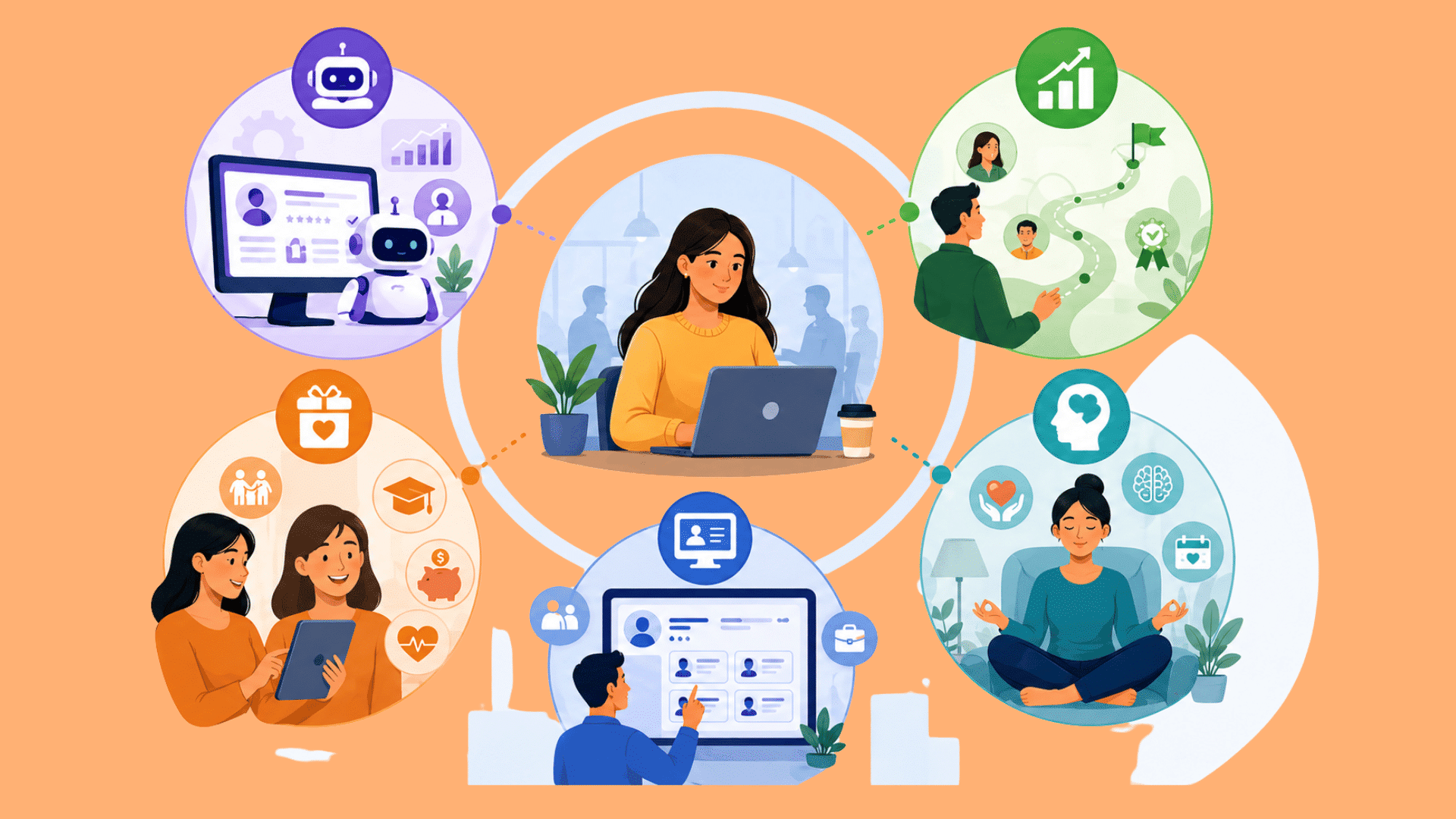
Employee expectations continue to shift, and organizations are refining their employee experience strategy to stay aligned with workforce needs.
- AI-powered HR Tools: Companies are using AI to improve recruiting, personalize learning programs, analyze engagement data, and automate routine HR tasks.
- Skills-Based Career Mobility: Organizations are promoting internal movement based on skills rather than job titles or tenure alone. Employees are encouraged to build capabilities that open roles across departments.
- Mental Health Benefits Expansion: Employers are expanding access to counseling, therapy coverage, mental health days, and stress-management resources amid growing concerns about burnout.
- Flexible Benefits Models: Companies are offering customizable benefits options, such as child care support, student loan assistance, and wellness stipends.
- Internal Talent Marketplaces: Many employers are launching internal platforms where employees can apply for projects, short-term assignments, or new roles without leaving the company.
Metrics that Drive Employee Experience
An effective employee experience strategy depends on tracking the right metrics. Employee Net Promoter Score, or eNPS, shows how likely employees are to recommend your company.
The voluntary turnover rate reveals how many people choose to leave, which can signal deeper cultural or leadership issues.
Absenteeism rate may point to burnout or workload concerns. Internal promotion rate indicates whether employees see growth opportunities within the organization.
Time-to-fill and time-to-productivity measure how quickly roles are filled and how fast new hires reach full performance, reflecting the strength of recruiting and onboarding processes.
Common Pitfalls in Employee Experience Strategy
Even well-intentioned efforts can fall short when companies misunderstand what truly shapes the employee experience.
- Treating employee experience as perks only, instead of building a structured strategy tied to business goals
- Ignoring manager training, even though managers directly shape daily employee experience
- Failing to measure impact through retention, engagement, and performance data
- Overcomplicating the strategy with too many initiatives at once
- Rolling out changes without clear communication
- Lacking leadership accountability for results
- Making assumptions without gathering employee feedback
It’s a Wrap
Employee experience strategy requires ongoing attention rather than a single initiative.
It shapes how employees engage with their work, their teams, and leadership, which directly influences retention, productivity, and workplace stability.
Organizations that take a structured approach begin by identifying clear priorities, listening to employee feedback, and tracking meaningful indicators such as engagement levels and turnover patterns.
Over time, consistent adjustments based on real data help improve workplace processes and management practices.
Frequently Asked Questions
What are the 7 Stages of Employee Experience?
Attraction, recruitment, onboarding, development, retention, separation, and advocacy -each stage shapes how an employee connects with your company.
What are the 5 Pillars of Evp?
Compensation, benefits, career growth, work environment, and company culture – together they define what makes your workplace worth choosing.
What are the 5 C’s of Employee Retention?
Compensation, culture, career, connection, and conditions – get these right and people are far less likely to walk out the door.
What are the Three Pillars of Employee Experience?
Culture, technology, and physical workspace shape how employees feel, work, and perform every single day.