

There is usually a small moment of hesitation before telling a manager you cannot come to work.
Even when you are genuinely unwell, many employees hesitate because they do not want to appear unreliable, share too much personal information, or create extra problems for their team.
Knowing how to call in sick professionally is less about finding the perfect excuse and more about communicating clearly. A simple, honest message can help your manager plan the day while giving you the time you need to recover.
This article explains what to say, when to contact your employer, how much information to share, and how to handle different workplace situations without making the conversation uncomfortable.
What Does Calling in Sick Actually Mean?
Calling in sick means notifying your employer that you are ill and unable to come to work. That is the entire purpose of the message. It is not a confession, and it is not an opportunity to prove how unwell you feel through vivid detail.
The words matter less than the timing and clarity behind them. Learning how to call in sick the right way starts with understanding this simple point.
A short, timely notice does one job well: it lets your manager adjust the schedule or reassign urgent tasks before your absence becomes a bigger problem. Most workplaces care far more about getting that information early than about the specifics of what is wrong with you.
A common misunderstanding is that employees owe their employer a detailed medical explanation. In most jobs, that is simply not true. A clear statement that you are sick and unable to work meets what your employer actually needs from you.
What Are the Steps for Calling in Sick Professionally?
The goal is to give your employer enough information to manage your absence while keeping personal details private and the message quick to send
- Contact your employer early: Notify your manager as soon as you know you cannot work, either the morning of your shift or the night before if you already feel unwell.
- Use your company’s preferred method: Follow whatever channel your workplace normally expects for attendance, whether that is a phone call, a text, an email, or an HR system update.
- Keep your message brief and clear: State that you are sick and cannot come in, without adding a long explanation around that single fact.
- Share only the necessary details: Mention that you are unwell or need rest without describing specific symptoms or personal medical history.
- Set expectations about your return: Let your manager know if you expect to be back the next day, or simply say you will update them once you know more.
- Handle urgent work before stepping away: Send a quick note to a teammate about pending deadlines so nothing gets missed while you rest.
- Review sick leave requirements: Check your handbook for rules on doctor’s notes, documentation, or HR approval, especially for absences lasting more than a day.
Following these steps keeps the message short and professional without leaving your manager guessing. Once the process feels familiar, the next challenge is usually finding the right words to actually say.
General Illness

If you are dealing with a common illness and expect to recover soon, your message does not need to include many details. Keep your communication clear, polite, and focused on your inability to work.
A simple explanation helps your manager understand the situation without creating unnecessary questions.
Phone Call
1. Casual approach: “I wanted to let you know that I am not feeling well today and I will not be able to make it to work. I am going to rest and will keep you updated if anything changes.”
2. Professional approach: “Good morning, I am calling to let you know that I am sick and unable to work today. I wanted to inform you as early as possible so you have time to adjust coverage.”
Text Message
3. Simple and direct: “Hi [Manager Name], I am feeling unwell today and need to take a sick day. I will update you if I need more time. Thank you.”
4. With a return update: “Hi [Manager Name], I am taking today off because I am not feeling well. I will check in tomorrow and let you know about my return.”
Quick Tip Box: Avoid adding extra details just because you feel uncomfortable. A short, honest message usually sounds more professional.
Fever or Contagious Illness

When you have symptoms that may affect others at work, staying home can help prevent the spread of illness among coworkers.
Your message should focus on your inability to work and your plan to recover without explaining every symptom.
Phone Call
5. Health-focused approach: “I am feeling sick today and do not think I should come into work. I am going to rest and will keep you updated about my condition.”
6. Workplace consideration approach: “I am dealing with an illness and do not want to risk spreading it at work. I will stay home today and provide an update if needed.”
Text Message
7. Simple notification:
“Hi [Manager Name], I am feeling sick today and will stay home to recover. I will keep you updated about when I can return.”
8. Short notice update:
“Good morning, I am not feeling well and will not be able to come in today. I wanted to let you know as soon as possible.”
Quick Tip Box: You do not need to list every symptom. Let your employer know you are unable to work and follow any workplace reporting rules.
Same-Day Sick Call

Sometimes you wake up shortly before your shift and realize you cannot work. Even on short notice, the most important step is to contact your manager quickly. A clear message shows responsibility and gives your workplace time to adjust.
Phone Call
9. Morning illness approach: “I woke up feeling unwell today and I will not be able to come in for my shift. I wanted to let you know as soon as possible.”
10. Apology with professionalism: “I apologize for the short notice, but I am not feeling well enough to work today. I wanted to inform you immediately.”
Text Message
11. Direct message: “Good morning, I woke up sick and cannot work today. I wanted to inform you as soon as possible.”
12. With an update offer: “Hi [Manager Name], I am not feeling well this morning and need to take today off. I will update you if anything changes.”
Quick Tip Box: Even if your notice is last minute, avoid sending a rushed or unclear message. A few clear sentences are enough.
Multiple-Day Absence

Some illnesses require more than one day away from work. In these situations, avoid promising a return date unless you are confident. Instead, provide updates and let your manager know when you expect to check in again.
Phone Call
13. Ongoing illness approach: “I am still not feeling well, and I need additional time to recover. I will keep you updated and let you know when I expect to return.”
14. Update-focused approach: “I wanted to let you know that I am still sick and will not be able to work today. I will provide another update as soon as I can.”
Text Message
15. Simple update: “Hi [Manager Name], I am still recovering and will need another day away from work. I will update you tomorrow.”
16. Professional update: “Good morning, I am still not feeling well enough to return today. I will keep you informed about my recovery and expected return.”
Quick Tip Box: For longer absences, consistent updates are often more helpful than sending a detailed explanation about your condition.
Mental Health Day

Some employees need time away due to stress, exhaustion, or other personal health concerns. You can communicate your need for time off professionally without sharing private details about your situation.
Phone Call
17. Private health approach: “I am not feeling well today and need to take a personal health day. I will keep you updated regarding my return.”
18. Professional approach: “I need to take today away from work for a health-related reason. I wanted to inform you as early as possible.”
Text Message
19. Simple message: “Hi [Manager Name], I need to take today off due to a health-related reason. I will keep you updated if I need additional time.”
20. Short professional message: “Good morning, I am unable to work today and need to take a personal health day. Thank you for understanding.”
Quick Tip Box: You can protect your privacy while still being honest. You are not required to share personal information that is not necessary for your absence notice.
Family Care Situation

Sometimes you may need to miss work you care for a sick child, partner, parent, or another family member. Your message should clearly explain that you cannot work while keeping private family details limited.
Phone Call
21. Family responsibility approach: “I need to take today away from work because I have a family health situation that requires my attention.”
22. Short professional approach: “I am unable to come in today because I need to handle a family health matter. I will provide updates if needed.”
Text Message
23. Simple notification: “Hi [Manager Name], I need to take a sick day today due to a family situation. I will update you if I need additional time.”
24. With availability update: “Good morning, I need to be away from work today because of a family health matter. I will let you know when I have more information.”
Quick Tip Box: When sharing family-related reasons, provide only the information your employer needs to understand your absence.
How Much Detail Should You Provide When Calling in Sick?
Deciding what to share often causes more stress than the illness itself. The good news is that the answer stays fairly consistent across most workplaces.
| Share | Avoid Sharing |
| That you are sick and cannot work | Detailed symptoms |
| An expected update time | Personal medical history |
| Required documentation if requested | Unnecessary explanations |
Employers generally need enough information to manage the absence, not a full account of your condition.
Company policies can vary slightly, so knowing how to call in sick well means understanding that more detail does not make your message more believable. Clarity does that job on its own.
How Can You Avoid Oversharing or Sounding Unconvincing?
Once the wording feels right, the next worry is usually whether the message sounds genuine. A few small habits make a real difference in how your notice comes across.
- Keep the explanation simple: Stick to one short sentence about being unwell. Adding extra detail rarely makes the message sound more truthful; it just adds noise.
- Stay honest: Avoid inventing a dramatic story. A plain statement that you are sick reads as far more credible than an elaborate excuse.
- Avoid over-apologizing: One brief apology for the short notice is enough. Repeated apologies can make a routine message feel unnecessarily heavy.
- Do not promise too much: Give an honest update instead of guaranteeing a full recovery by a specific time, and say you will check in rather than commit to a firm date.
- Match your workplace communication style: If your team usually communicates casually, a stiff, overly formal message can feel out of place next to everyone else’s tone.
| Advise: Read your message once before sending it and picture how it will sound out loud. If it feels natural to say, it will usually read as genuine too. |
What Are Your Rights Regarding Sick Leave?
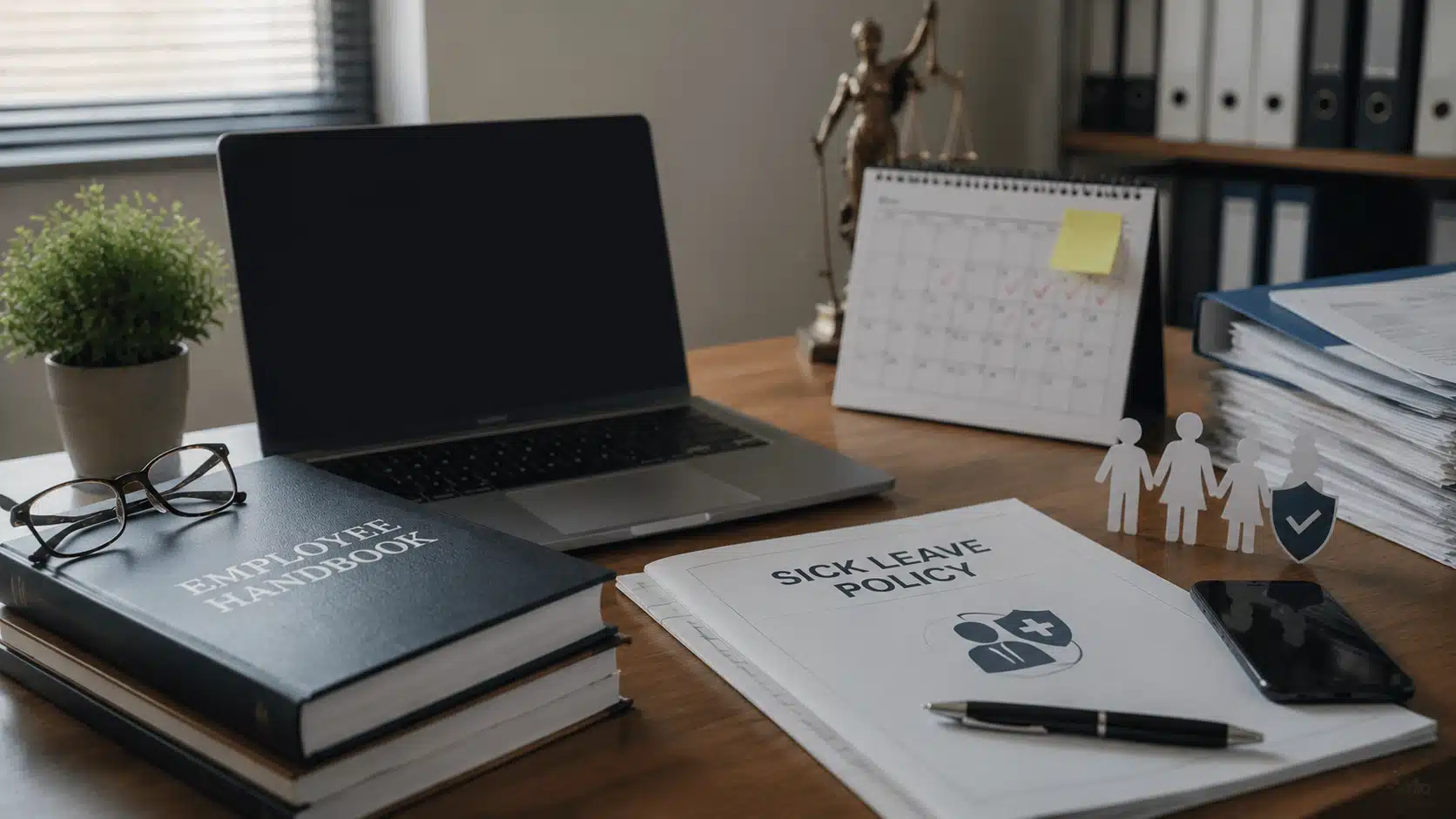
Communication is only half the picture. Knowing what protections apply to your absence matters just as much, especially if an illness turns into something longer than a single day.
Sick leave depends largely on your employer’s policy, since federal law does not require general paid sick leave, though serious conditions may fall under the Family and Medical Leave Act.
| Situation | Possible Resource |
| Regular sick day | Company sick leave policy |
| Serious medical condition | FMLA protections |
| Disability-related need | ADA accommodation |
Not every sick day qualifies for protected leave, and that is completely normal. Checking your handbook or reviewing the Equal Employment Opportunity Commission’s guidance on reasonable accommodation can clarify what applies to your specific situation before you need it.
Recommendation: If you notice yourself needing sick days frequently for the same underlying issue, it may be worth reviewing your options under FMLA rather than continuing to take one-off days.
Do You Get Paid for Sick Leave?
Paid sick leave is not guaranteed under federal law for most private-sector workers, since the Fair Labor Standards Act does not require employers to offer it.
Whether you get paid during a sick day depends almost entirely on your employer’s policy or your state and local laws, since several states have passed their own paid sick leave requirements.
Some companies build paid sick time into a general paid time-off bank, while others keep it separate.
If your absence qualifies under the Family and Medical Leave Act, that leave is job-protected but not automatically paid, since FMLA guarantees unpaid leave unless your employer chooses to apply paid time off alongside it. Checking your employee handbook remains the most reliable way to confirm your specific pay situation.
Final Thoughts
Knowing how to call in sick becomes easier when you focus on clear communication rather than trying to create the perfect explanation. A professional sick message is usually short, honest, and respectful of your workplace responsibilities.
The goal is not to convince someone that you are unwell. It is to give your employer the information they need while allowing yourself time to recover.
If you have handled a difficult sick day conversation at work, share what approach helped you communicate clearly. Your experience may help another employee feel more prepared the next time they need to report an absence.
Frequently Asked Question
What Is the Best Excuse to Call in Sick?
A strong sick notice does not require a dramatic excuse. The best approach is to honestly state that you are unwell, unable to work, and will provide updates as needed. Employers usually need clear communication more than detailed explanations about symptoms.
Will Calling in Sick Too Often Affect My Job Security?
Frequent absences can raise concerns depending on your company’s attendance policy, even if each individual sick day is legitimate. If you are dealing with a recurring health issue, it may be worth discussing options like FMLA with HR instead of taking repeated single-day absences.
Is It Better to Call or Text When Sick?
The best method depends on workplace rules. Some employers require a phone call, while others accept texts, emails, or HR system updates. Following the company’s preferred method demonstrates professionalism and helps ensure your notice reaches the right person quickly.