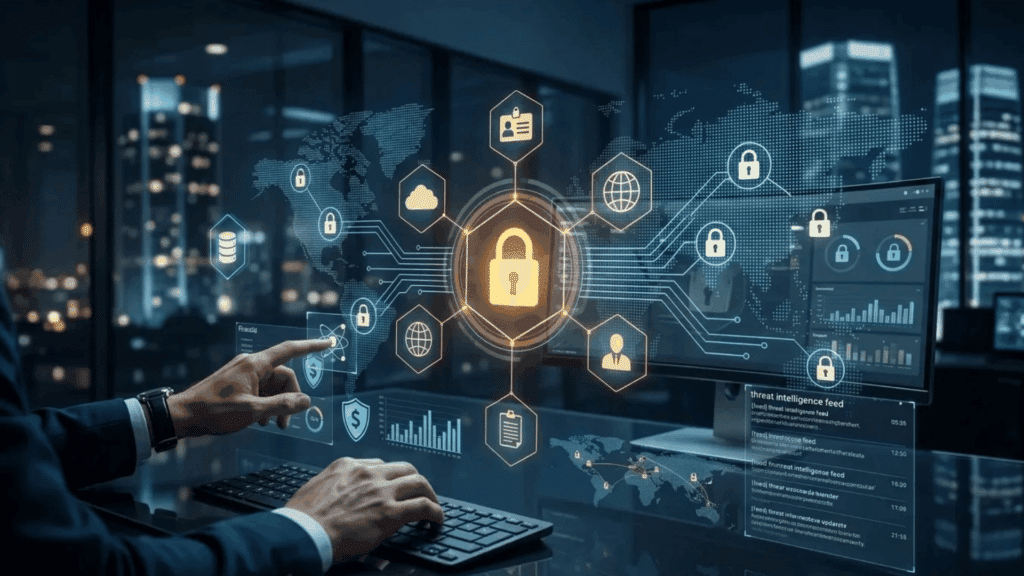

A single unnoticed threat can slow an entire business faster than most companies expect.
Modern workplaces run on connected systems, fast communication, remote access, and constant movement, which also creates more points where problems can slip in quietly.
From late-night network alerts to unexpected operational disruptions, businesses now face pressure from multiple directions at once.
Staying prepared is no longer just about reacting after something happens. It is about building smarter systems, sharper response plans, and stronger protection that keeps daily operations moving without unnecessary friction.
What Is Corporate Security?
Corporate security is the system businesses use to protect employees, property, data, operations, and brand reputation from internal and external threats.
It combines physical security, cybersecurity, risk management, investigations, crisis response, and compliance into one coordinated strategy.
Modern threats move quickly, from data breaches to workplace incidents and insider risks.
That’s why corporate security focuses on prevention, fast response, and keeping business operations running smoothly, often working quietly behind the scenes until problems arise.
Core Areas of Corporate Security
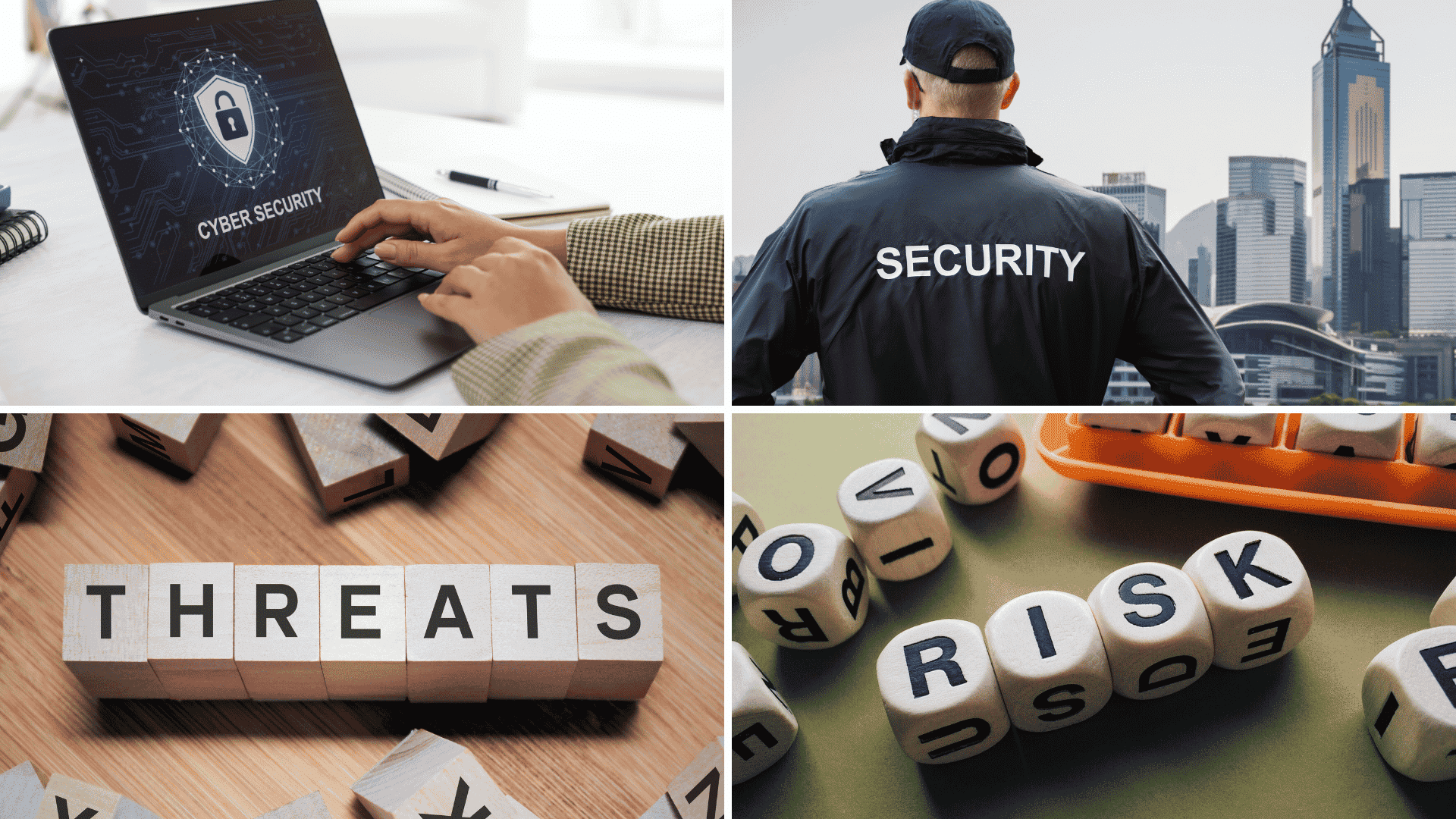
Corporate security works through multiple connected systems.
A single weak spot can create problems across the entire business. That’s why companies protect both physical spaces and digital operations at the same time.
1. Physical Security
Physical security protects buildings, employees, and restricted areas from unauthorized access and safety threats.
Common measures include:
- Security guards
- Access control systems
- Visitor management
- CCTV monitoring
- Alarm systems
- Perimeter security
Many companies now use centralized monitoring systems to track activity across multiple locations in real time.
When physical safety measures fall short, knowing how to handle unsafe working conditions ensures employees and employers respond before risks escalate.
2. Cybersecurity
Businesses rely heavily on digital systems, making cyber threats a daily concern. Cybersecurity protects networks, devices, and sensitive company data from attacks.
Common threats include:
- Phishing emails
- Malware
- Ransomware
- Network intrusions
- Data breaches
Security teams also manage firewalls, authentication systems, and threat monitoring tools to reduce risks before damage spreads.
3. Executive Protection
Senior leaders often face higher personal and professional risks.
Executive protection focuses on keeping CEOs, executives, and high-profile employees safe during travel, meetings, and public appearances.
This may include:
- Travel risk management
- Threat assessments
- Secure transportation
- Emergency response planning
Most executive protection programs operate quietly without interrupting daily business activity.
4. Risk Management
Risk management helps companies identify and reduce threats before incidents happen.
Security teams review vulnerabilities across facilities, vendors, operations, and employee activity.
This process may involve:
- Site assessments
- Vendor screening
- Threat intelligence
- Emergency planning
- Business continuity preparation
The goal is to reduce disruption and improve response speed during unexpected events.
5. Investigations and Intelligence
Not all threats come from outside the company.
Corporate investigations teams handle internal risks, suspicious activity, and policy violations.
Their work may include:
- Fraud investigations
- Insider threats
- Employee misconduct cases
- Corporate espionage inquiries
Intelligence teams also track emerging risks and unusual patterns that could affect business operations later.
Skills Needed for Corporate Security
Corporate security professionals need a mix of technical knowledge, quick decision-making, and strong people skills to handle risks effectively.
Since threats can shift quickly, the role often requires staying alert under pressure while managing sensitive situations carefully.
Important skills include:
- Attention to detail
- Discretion and confidentiality
- Effective communication
- Crisis management
- Problem-solving ability
- Situational awareness
- Technical and cybersecurity knowledge
- Leadership and teamwork
These skills help security teams investigate incidents, reduce risks, protect company assets, and maintain operational stability without disrupting daily business activity.
Why Corporate Security Matters More Than Ever

Businesses now face threats from every direction, including cyberattacks, insider threats, fraud, workplace incidents, and data breaches.
One security failure can disrupt operations, damage customer trust, and create major financial losses within minutes.
Corporate security helps businesses stay protected, operational, and prepared under pressure.
The Financial Cost of Security Failures
Security failures can quickly turn into expensive business problems. Operational downtime, legal penalties, recovery costs, and damaged customer trust often create long-term financial pressure.
Industries like healthcare, retail, and technology face even higher risks when systems or sensitive data are exposed.
Security as a Business Advantage
Strong corporate security helps businesses operate with fewer disruptions and greater stability. It protects employees, supports business continuity, and builds customer confidence while reducing risks tied to fraud, phishing, insider threats, and unauthorized access.
Modern security teams also handle threats like phishing, insider sabotage, employee theft, social engineering, and unauthorized access across both physical and digital environments.
Corporate Security Strategies Businesses Use Today
Modern corporate security depends on prevention, planning, and fast response.
Businesses no longer rely on a single guard desk or alarm system. They build connected systems that protect offices, employees, networks, and operations at the same time.
Layered Security Approach
Strong security works in layers. Companies combine physical barriers, surveillance systems, cybersecurity tools, access controls, and employee awareness programs to reduce risk from every angle.
If one layer fails, another helps contain the threat before it spreads.
This approach protects both physical spaces and digital systems without slowing daily operations.
Employee Security Training
Many security incidents start with simple human mistakes.
That is why businesses train employees to spot phishing emails, follow access control rules, report suspicious activity, and respond during emergencies.
Short simulations and practical drills now replace long policy-heavy sessions.
The goal is simple: make security awareness part of everyday work habits.
Security Technology and Automation
Corporate security has become smarter and faster.
Many businesses now use:
- AI-powered surveillance
- Smart access systems
- Biometric authentication
- Remote monitoring tools
- Threat detection software
These systems help security teams identify unusual behavior quickly and respond before problems escalate.
Automation also reduces response time during high-pressure situations.
Crisis Management Planning
Emergencies can disrupt operations within minutes.
Corporate security teams prepare for events like cyber attacks, workplace violence, natural disasters, and system outages through structured response plans.
Preparation often includes:
- Emergency communication systems
- Evacuation procedures
- Incident response teams
- Backup operational systems
Good planning reduces confusion, protects employees, and helps businesses recover faster when unexpected situations hit. A well-structured emergency action plan gives teams a clear framework to follow before, during, and after a crisis.
Future Trends in Corporate Security
Corporate security is changing fast. Businesses now handle cyber threats, remote work risks, insider activity, and physical security challenges at the same time.
Modern security systems are becoming smarter, faster, and more connected to support safer operations across every level of business.
| Trend | How It Impacts Corporate Security |
| AI-Powered Threat Detection | Detects unusual behavior, suspicious access activity, and cyber threats in real time for faster response. |
| Predictive Security Analytics | Uses behavioral data, access logs, and threat intelligence to identify warning signs early. |
| Integrated Cyber and Physical Security | Connects digital and physical protection systems for better coordination during security incidents. |
| Remote Workforce Protection | Secures hybrid work environments through VPNs, endpoint protection, and identity verification. |
| Smart Buildings and Automation | Automates access control, occupancy monitoring, emergency alerts, and suspicious activity detection. |
| Biometric Access Control | Replaces passwords and keycards with fingerprint scanning, facial recognition, and voice authentication. |
| Drone Surveillance | Helps monitor large facilities like warehouses, construction sites, and manufacturing plants more efficiently. |
These technologies are helping businesses respond faster, reduce operational risks, and improve security visibility across both physical and digital environments.
The Shift Toward Intelligence-Led Security
Corporate security is becoming more data-driven and proactive.
Security teams now use:
- Real-time analytics
- Behavioral monitoring
- Predictive risk scoring
- Threat intelligence
The focus is no longer just reacting to incidents.
Modern systems can detect unusual activity early, like suspicious logins, abnormal badge access, or sudden behavior changes before a larger problem develops.
Companies also connect data from cameras, access systems, networks, and monitoring tools to get a clearer real-time view of potential risks.
This helps businesses respond faster, reduce damage, and stay ahead of evolving threats.
Wrapping Up
Corporate security is no longer sitting quietly in the background while business moves forward.
It now shapes how companies handle pressure, protect operations, support employees, and stay steady when challenges appear without warning.
The strongest organizations are not waiting for problems to grow larger before taking action. They are building smarter systems, faster decision-making processes, and stronger protection into daily operations from the start.
As threats continue to shift, businesses that stay prepared will always have the advantage over those constantly reacting under pressure.
Which part of corporate security matters most today: cybersecurity, physical protection, insider risk, or crisis response? Share thoughts, experiences, or opinions in the comments below.
Frequently Asked Questions
What Are the 5 C’s of Security?
5 C’s of cyber security are change, cost, compliance, coverage, and continuity. Together, these five elements help businesses build a security strategy that stays flexible, cost-aware, compliant, and prepared for both digital and operational disruptions.
What Is Another Name for Corporate Security?
There are some common alternatives, including Security Division, Security Services, Security Operations, Safety Department or Protection Services.
Which Is Harder, IT or Cybersecurity?
Cybersecurity can feel tougher because it demands constant learning as threats evolve rapidly. But once you understand systems and networks well, the difficulty balances out.