

Workplace conflicts can create stress, lower productivity, and make daily tasks difficult for employees and managers alike.
Misunderstandings, communication gaps, and personality differences often lead to tension that affects teamwork and workplace relationships.
Knowing how do you handle a workplace dispute ewmagwork the right way can help reduce conflict, improve communication, and create a more positive work environment.
Taking the right approach early can prevent small disagreements from turning into larger workplace problems.
Learn the common causes of workplace disputes, effective conflict resolution methods, and practical ways to maintain healthy professional relationships at work.
What Constitutes a Workplace Dispute?
Workplace disputes can happen between coworkers, managers, employees, or even entire teams.
These conflicts often arise from poor communication, unclear job responsibilities, workload pressure, personality differences, or disagreements over company policies.
Understanding how to handle a workplace dispute begins with identifying the real cause of the problem rather than reacting emotionally.
Addressing issues early can prevent tension from growing and reduce the chances of long-term workplace problems.
Not every workplace conflict is negative. Constructive disagreements can improve teamwork, encourage better decision-making, and help employees share new ideas openly. However, unresolved disputes can damage employee relations, lower productivity, and create an unhealthy work environment.
Common Causes of Workplace Disputes
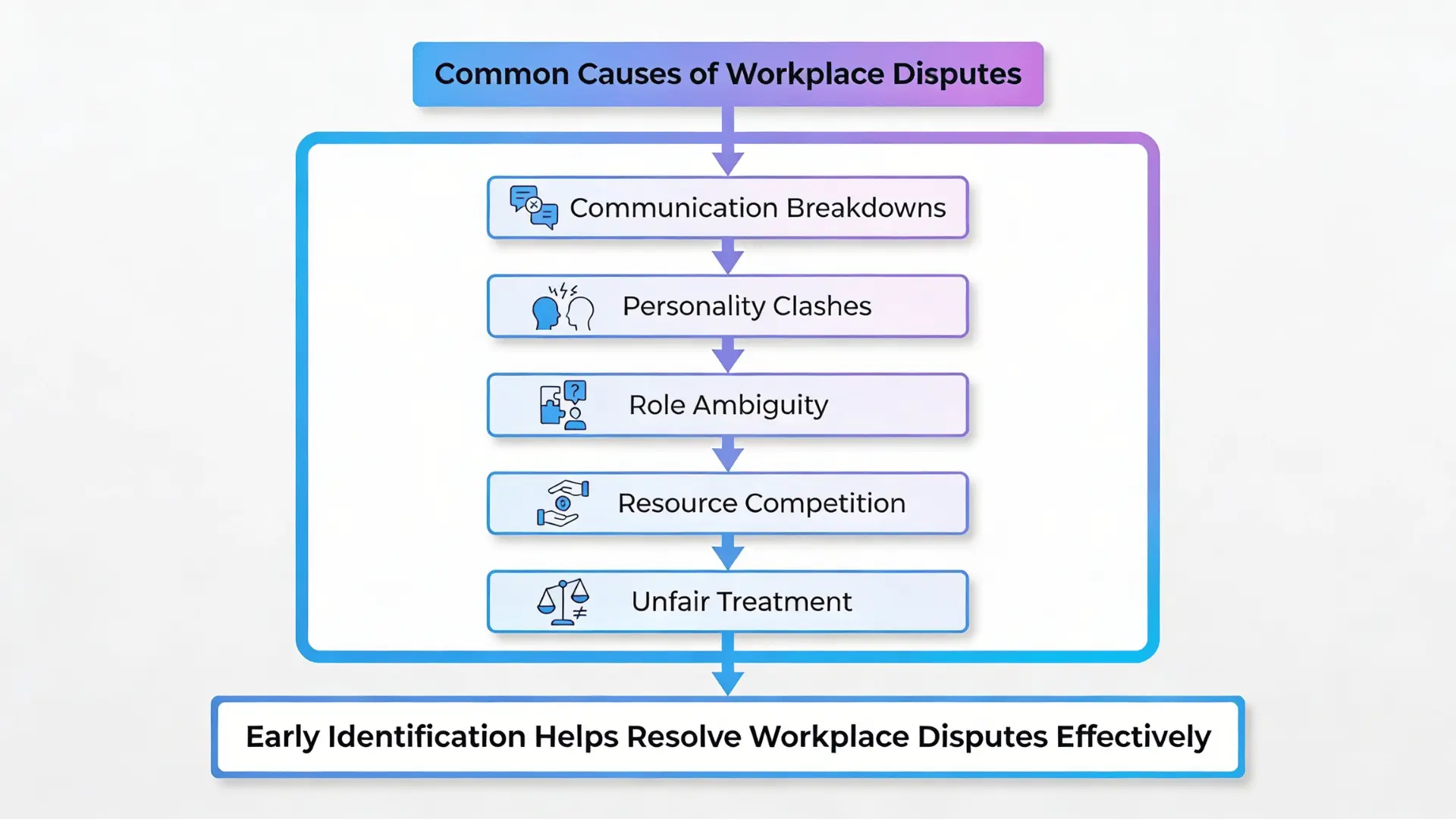
Understanding the origin of conflicts is the first step toward resolving them. Some common causes include:
- Communication Breakdowns: Unclear messages and misunderstandings can quickly create workplace conflicts.
- Personality Clashes: Different work styles, attitudes, or values may cause tension between coworkers.
- Role Ambiguity: Unclear responsibilities can lead to confusion and disagreements within teams.
- Resource Competition: Limited budgets, time, or equipment can create conflicts between employees or departments.
- Unfair Treatment: Favoritism or unequal opportunities may lead to disputes between staff and management.
Recognizing these triggers is vital because handling a workplace dispute ewmagwork effectively depends on the early identification of the underlying cause rather than reacting to surface-level symptoms.
Steps to Address Workplace Disputes
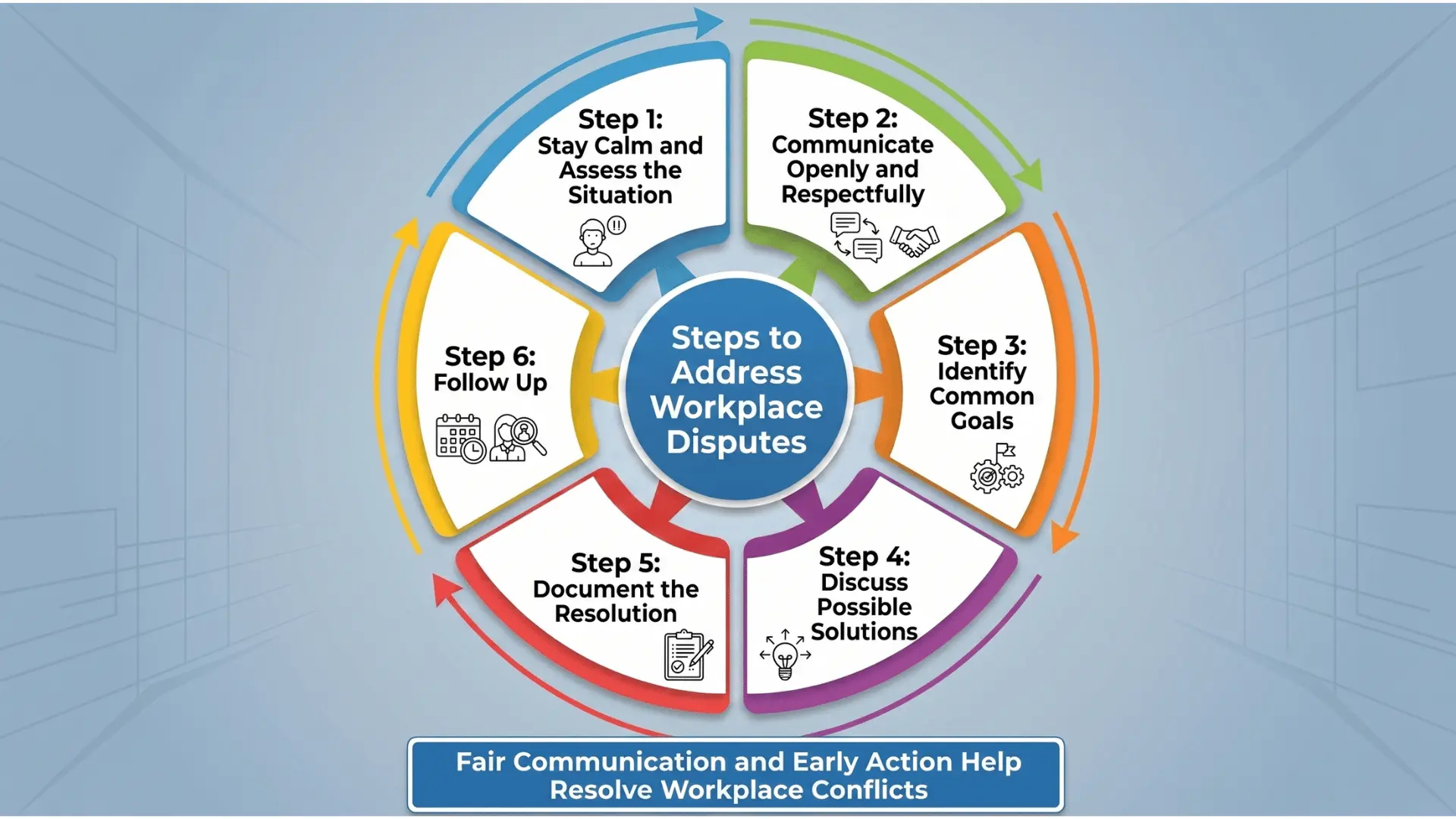
Handling disputes professionally requires a structured approach. Here are some recommended steps:
1. Stay Calm and Assess the Situation
The first step in resolving a workplace conflict is to remain calm and avoid reacting emotionally.
Taking time to assess the situation clearly can prevent the dispute from becoming more serious.
Understand what caused the disagreement, who is involved, and how the issue is affecting the workplace. It often depends on understanding the full situation before taking action.
2. Communicate Openly and Respectfully
Clear and respectful communication is important when resolving workplace disputes. Allow all parties to share their concerns openly while listening carefully to each perspective. Avoid blame, personal attacks, or aggressive language during discussions.
Focus on solving the issue calmly and finding common ground that works for everyone. If direct communication becomes difficult, involving a manager or neutral mediator can help improve the discussion and support a fair resolution.
3. Identify Common Goals
Many workplace disputes grow when employees focus only on their disagreements instead of shared objectives. Identifying common goals such as project success, teamwork, or meeting deadlines can help shift attention toward solutions.
How do you handle a workplace dispute ewmagwork effectively often depends on solving the issue together instead of turning it into a personal conflict.
4. Discuss Possible Solutions
After understanding each other’s perspectives, the next step is to discuss possible solutions together.
Employees should focus on fair outcomes that support both individual needs and workplace goals.
Finding a lasting solution may require compromise, flexibility, and a willingness to adjust expectations.
The goal is to resolve the conflict in a way that supports positive working relationships and prevents future disputes.
5. Document the Resolution
Recording the agreed solution can help prevent future misunderstandings and improve accountability in the workplace.
Document important details such as responsibilities, agreed actions, and follow-up timelines.
The process often depends on keeping it fair, transparent, and focused on long-term solutions.
6. Follow Up
Resolving a conflict does not end after reaching an agreement. Following up helps ensure that the solution is working properly and that workplace relationships continue to improve.
Regular follow-ups also allow managers or employees to address any remaining concerns before the issue grows again.
Strategies for Managers and Employees
Managers and employees both play a key role in handling workplace disputes effectively.
Clear communication, professionalism, and teamwork can help maintain positive workplace relationships.
For Managers
| Strategy | What to Do |
|---|---|
| Lead by Example | Show professionalism, respect, and calm behavior during workplace interactions |
| Encourage Feedback | Give employees a safe space to share concerns and opinions |
| Address Issues Early | Solve problems quickly to prevent larger conflicts later |
| Offer Training | Provide support for communication, teamwork, and conflict management skills |
| Build Team Trust | Encourage collaboration and mutual respect within teams |
For Employees
| Strategy | What to Do |
|---|---|
| Practice Self-Reflection | Understand your role in the conflict and look for ways to improve |
| Stay Objective | Focus on facts instead of assumptions or emotions |
| Communicate Clearly | Share concerns respectfully and professionally |
| Seek Support if Needed | Involve HR or a neutral party when conflicts become difficult to manage |
| Focus on Solutions | Work toward resolving the issue instead of trying to win the argument |
Legal and Ethical Considerations
Workplace disputes in the US are governed by several federal laws that employers and employees must understand.
Title VII of the Civil Rights Act (1964) prohibits discrimination based on race, religion, sex, or national origin.
The Americans with Disabilities Act (ADA) protects employees with disabilities, while the Age Discrimination in Employment Act (ADEA) covers workers aged 40 and above.
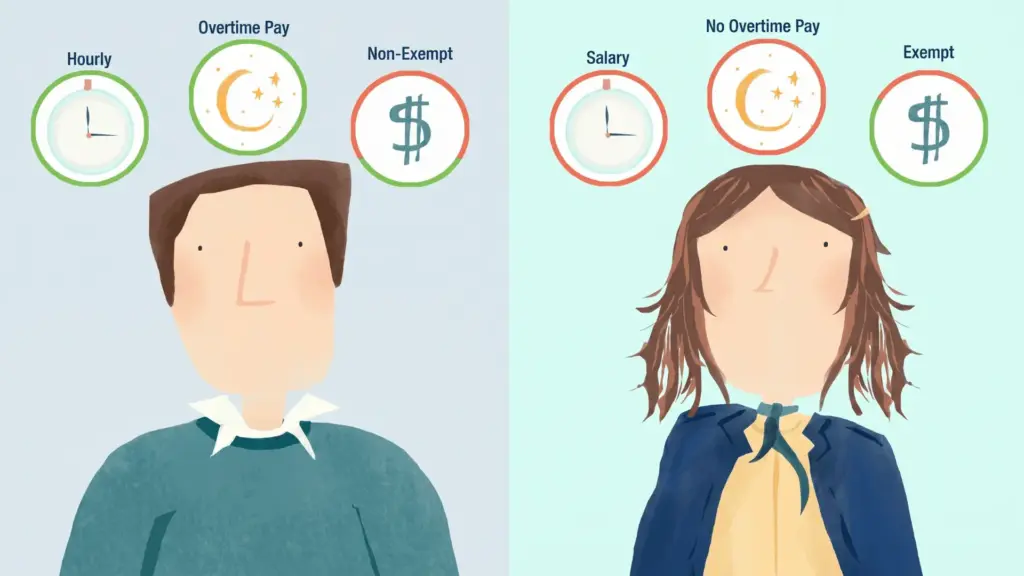
Wage or overtime conflicts fall under the Fair Labor Standards Act (FLSA), and the Family and Medical Leave Act (FMLA) protects employees from retaliation when taking medical or family leave.
The National Labor Relations Act (NLRA) further protects employees’ rights to raise workplace grievances.
Failing to comply with these laws can result in legal penalties, financial liability, and lasting reputational damage to the organization.
Conflict Resolution Styles
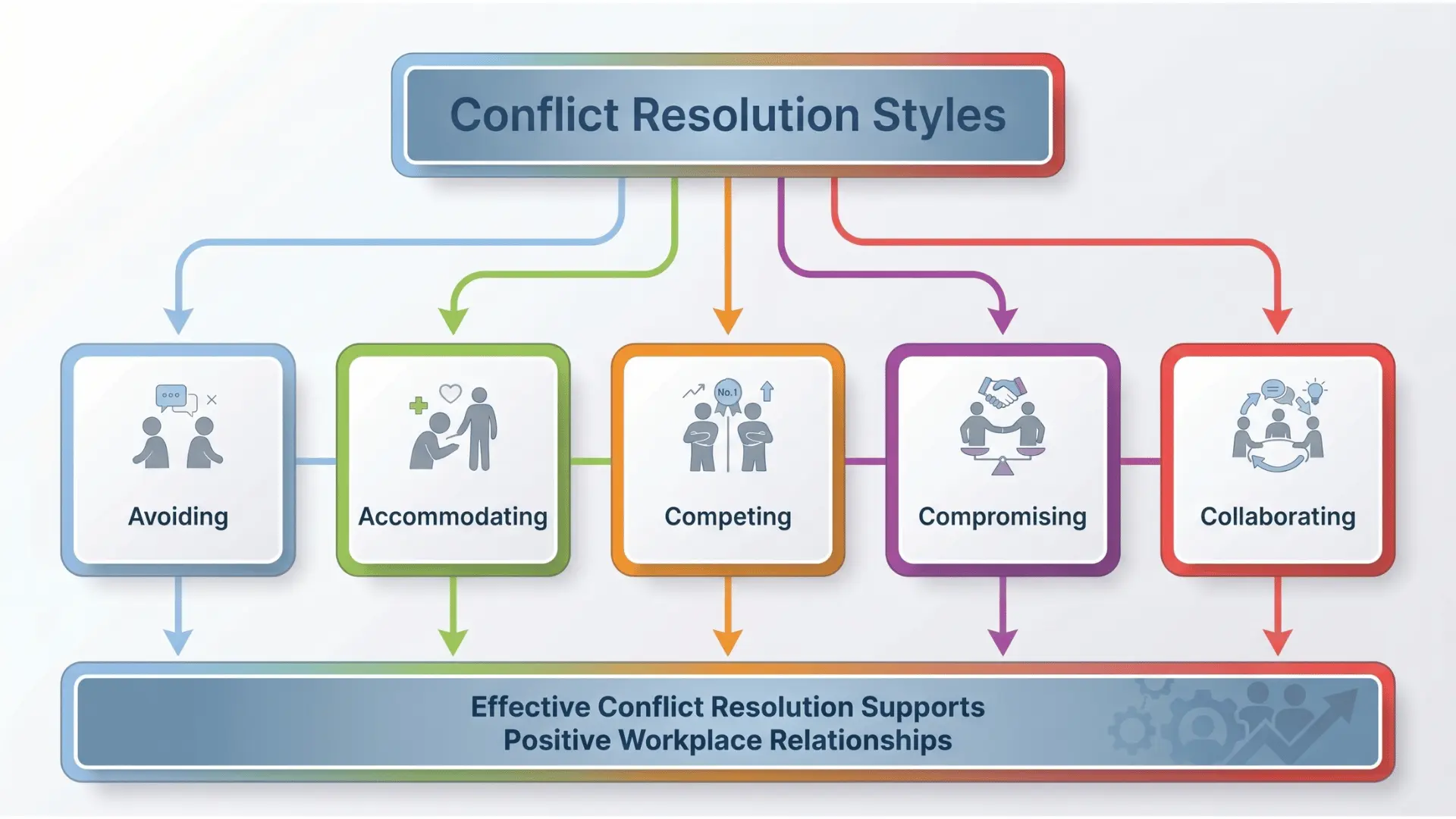
People approach conflict in different ways, and understanding these styles can improve the effectiveness of dispute resolution. Common conflict resolution styles include:
- Avoiding: Ignoring conflicts may work for small issues but can worsen bigger disputes over time.
- Accommodating: Prioritizing others’ needs can maintain peace but may create frustration if done too often.
- Competing: Focusing only on winning may solve urgent issues but can harm workplace relationships.
- Compromising: Both sides make adjustments to reach a fair middle-ground solution.
- Collaborating: Working together to find solutions that benefit everyone through open communication and teamwork.
Successfully handling workplace disputes often depends on working together to find solutions that support positive long-term relationships.
Building a Culture of Conflict Prevention
While it is impossible to eliminate disputes entirely, organizations can minimize conflicts by fostering a culture of respect, transparency, and accountability.
Some strategies include:
- Providing conflict resolution training for employees and managers.
- Encouraging open and honest communication at all levels.
- Establishing clear roles, responsibilities, and performance expectations.
- Promoting diversity and inclusion to reduce misunderstandings.
- Recognizing and addressing issues early before they escalate.
Proactively creating a supportive work environment helps employees feel valued and heard, reducing the frequency and severity of disputes.
Conclusion
Workplace disputes are common, but handling them properly can improve communication, teamwork, and overall workplace productivity.
Understanding how to handle a workplace dispute ewmagwork the right way helps employees and managers resolve conflicts calmly, maintain professional relationships, and prevent future issues from affecting the work environment.
Strong communication, fairness, and early action are often the key to resolving disagreements successfully. Building a respectful workplace culture can also reduce tension and support better collaboration among teams.
Need help creating a healthier and more productive workplace environment?
Start applying these conflict resolution strategies today to improve teamwork and workplace communication.
Frequently Asked Questions
Can Workplace Disputes Lead to Termination?
Serious or repeated conflicts can sometimes lead to disciplinary action or job loss if not handled properly.
When Should Hr Get Involved in a Workplace Dispute?
HR should be involved when conflicts include harassment, discrimination, bullying, or ongoing serious issues.
Is It Okay to Disagree with a Manager at Work?
Yes. Employees can respectfully share different opinions in a professional manner.