

Some people picture polished office towers and expensive coffee machines when the phrase “corporate job” comes up.
Others picture endless notifications, back-to-back meetings, and one mysterious Excel sheet nobody is allowed to touch.
Modern workplaces sit somewhere between those two extremes.
Today’s office culture runs on packed calendars, nonstop notifications, fast decisions, and workflows that suddenly stop cooperating right before something important. Some employees spend the day solving problems. Others spend half of it trying to find where the latest document was uploaded.
Behind every smooth business operation is a team trying to keep everything from turning into controlled chaos.
What Is a Corporate Job?
A corporate job is a professional role within a company that follows a structured system. Employees usually work in departments, report to managers, follow schedules, and contribute to business goals.
These jobs often include:
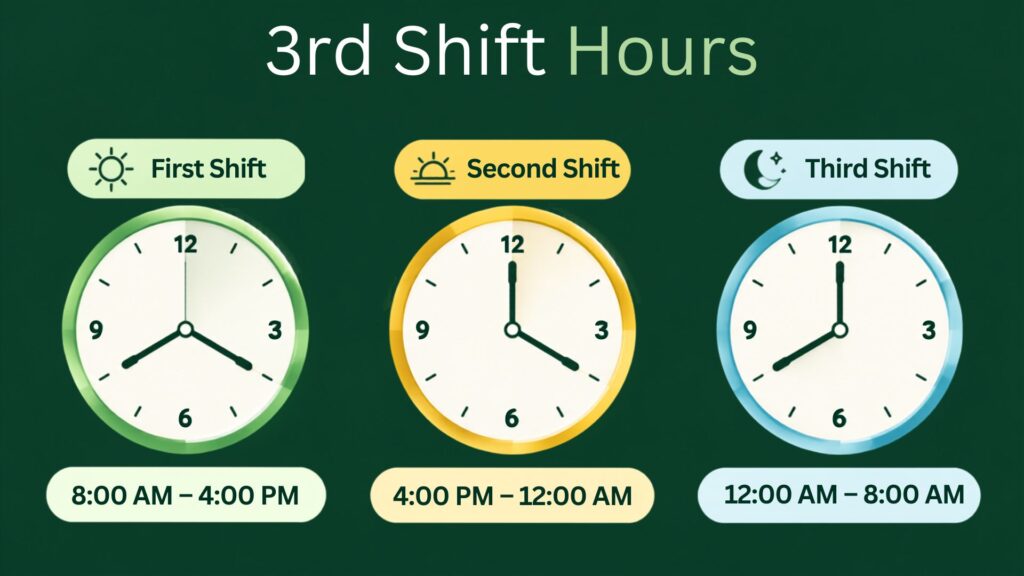
- Fixed work hours
- Team collaboration
- Performance reviews
- Internal processes
- Professional communication
Corporate roles exist in fields like finance, marketing, HR, IT, sales, and operations.
The old image of endless cubicles and formal suits no longer fits every workplace. Many companies now offer remote work, flexible schedules, and creative environments powered by digital tools.
At the same time, some things never change.
There is always a packed calendar, a “quick meeting” that lasts an hour, and at least one spreadsheet holding the entire team together.
Types of Corporate Jobs
Corporate work covers far more than office desks and endless email threads. Some roles run on strategy and numbers, while others depend on creativity, communication, or problem-solving.
A modern company works like a moving machine.
Each department handles a different part of the process, and every role keeps things from falling apart five minutes before a deadline.
1. Administrative Jobs

Administrative teams keep the workplace organized when everything else starts getting messy.
These roles quietly hold entire departments together behind schedules, documents, and nonstop coordination.
Common Roles
- Office Administrator
- Executive Assistant
- Operations Coordinator
What These Jobs Usually Handle
- Meeting schedules
- Team coordination
- Internal communication
- Reports and documentation
- Workflow tracking
- Day-to-day office support
Administrative professionals are often the reason meetings happen on time, files stay where they belong, and nobody accidentally books three calls in the same room.
2. Finance and Accounting Jobs

Finance teams handle the numbers that keep a business running properly.
Every payment, budget decision, salary process, and expense report eventually lands on someone’s spreadsheet.
Common Roles
- Accountant
- Financial Analyst
- Payroll Specialist
- Auditor
Main Responsibilities
| Area | What It Involves |
| Budgeting | Tracking company spending |
| Forecasting | Predicting financial performance |
| Compliance | Following legal and tax rules |
| Reporting | Preparing financial statements |
| Payroll | Managing employee salaries |
These roles demand accuracy and attention to detail. One small mistake can turn a calm Monday morning into a company-wide email chain nobody wants to join.
3. Human Resources Jobs

HR teams manage the people side of a business. From hiring new employees to handling workplace policies, this department stays involved through nearly every stage of an employee’s career.
Common Roles
- Recruiter
- HR Manager
- Talent Acquisition Specialist
- Training Coordinator
What HR Teams Handle
- Hiring and interviews
- Employee onboarding
- Workplace policies
- Training programs
- Conflict management
- Performance reviews
HR professionals often balance company goals with employee concerns at the same time. That usually means answering serious policy questions right after planning a birthday celebration in the break room.
4. Marketing and Creative Jobs

Marketing departments shape how people see a company online and offline.
These roles combine strategy, communication, branding, and content creation to attract customers and keep attention from disappearing after three seconds.
Common Roles
- Content Writer
- SEO Specialist
- Brand Manager
- Graphic Designer
- Social Media Manager
Key Areas of Work
- Website content
- Advertising campaigns
- Social media planning
- Search engine visibility
- Brand identity
- Audience engagement
Modern companies rely heavily on digital visibility now. Even the best product struggles if nobody knows it exists.
5. Tech and IT Jobs

Technology teams build, manage, secure, and repair the systems companies depend on daily. Without IT departments, many businesses would stop functioning before lunchtime.
Common Roles
- Software Developer
- Data Analyst
- Cybersecurity Analyst
- IT Support Engineer
What These Teams Usually Work On
- Software systems
- Company databases
- Security protection
- Technical troubleshooting
- Cloud platforms
- Data management
This remains one of the fastest-growing corporate sectors worldwide.
It is also the department most likely to receive emergency messages that begin with “nothing is loading.”
6. Sales and Business Development Jobs

Sales teams focus on growth, revenue, and client relationships.
These roles often involve targets, negotiations, presentations, and constant communication with customers.
Common Roles
- Sales Executive
- Account Manager
- Business Development Representative
Core Responsibilities
| Focus Area | Purpose |
| Lead Generation | Finding potential clients |
| Client Meetings | Building relationships |
| Sales Targets | Increasing revenue |
| Negotiation | Closing deals |
| Account Management | Maintaining long-term clients |
Sales environments can move fast and feel highly competitive.
A good month brings celebrations. A slow quarter usually brings extra meetings with charts.
How Corporate Jobs Usually Work?
Corporate jobs follow a structured system where roles and responsibilities are clearly divided.
A common hierarchy looks like this:
| Intern → Associate → Senior Employee → Manager → Director → Executive |
As employees move up, they usually manage bigger projects, teams, and decisions. Daily work often revolves around collaboration and communication.
Teams coordinate through meetings, emails, reports, presentations, and project tools while working around deadlines and targets.
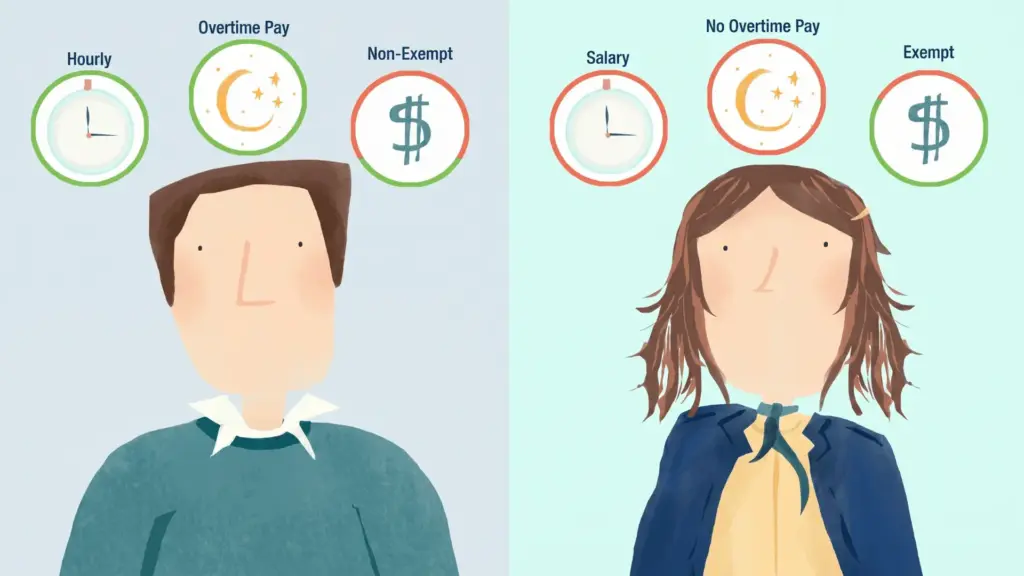
Most companies also provide fixed salaries along with benefits like paid leave, insurance, incentives, and retirement plans.
Career growth is usually tied to performance reviews, consistency, and measurable results.
Every office also has its unofficial characters:
- the spreadsheet expert who fixes everything instantly
- the “quick call?” person whose calls last forever
- the mysterious senior employee nobody fully understands
And somewhere in the system, there is always a file named: Final_v2_Updated_RealFinal.pptx 🙂
Pros of Corporate Jobs
Corporate jobs offer structure, stability, and long-term growth. They suit people who prefer predictable routines and clear career direction.
- Stable monthly income
- Promotion opportunities
- Skill development through real projects
- Networking with professionals across teams
- Exposure to large-scale business operations
- Employee benefits like insurance and paid leave
Many roles also help build discipline, communication skills, and workplace confidence early in a career.
Challenges of Corporate Jobs
Corporate life can also feel demanding and repetitive at times. The pressure to stay productive never fully disappears.
- Endless meetings
- Office politics
- Burnout risk
- Performance pressure
- Long screen hours
- Work-life balance struggles
Some days move fast. Others disappear inside emails, dashboards, and “urgent” tasks marked high priority for no clear reason.
Skills and Personality Traits That Fit Corporate Jobs
Corporate jobs reward different kinds of strengths, not just “office personality” energy.
Some roles need communication and teamwork, while others focus more on analysis, planning, or technical work.
| Skill | Why It Matters |
| Communication | Helps with meetings, emails, and teamwork |
| Time Management | Keeps deadlines and tasks under control |
| Problem-Solving | Useful for handling daily work challenges |
| Adaptability | Companies and tools change quickly |
| Digital Familiarity | Most jobs now rely on workplace software |
Technical skills depend on the department.
- Finance teams use reporting and spreadsheet tools
- Marketing roles work with analytics and content platforms
- IT jobs require software or coding knowledge
- HR teams handle hiring and employee systems
Corporate careers often suit people who:
- Prefer structured work environments
- Want stable income and benefits
- Like long-term career growth
- Work well in teams
- Enjoy organized routines
Quiet thinkers, creative workers, and detail-focused employees can fit in just as well as outgoing personalities.
Final Thoughts
Corporate jobs are no longer limited to silent office floors, formal dress codes, and endless cubicles.
Today, they run on collaboration, deadlines, dashboards, problem-solving, fast communication, and the occasional panic caused by a missing file five minutes before a presentation.
Some roles focus on numbers. Others depend on creativity, strategy, technology, or people management. The experience changes from company to company, team to team, and sometimes even meeting to meeting.
For some employees, corporate life brings stability and growth. For others, it becomes a daily test of patience, multitasking, and surviving “quick sync calls.”
Either way, modern businesses could not function without these systems and the people holding them together.
What does corporate life look like from your side of the screen? Share thoughts, experiences, or funniest workplace moments in the comments.
Frequently Asked Questions
What Jobs Suit ADHD Brains?
Excellent ADHD-friendly career paths include emergency services (paramedics), healthcare (nurses), technology (software developers, IT), creative arts (designers, marketing), and entrepreneurial or fast-paced sales roles.
Why Is Gen Z Struggling to Find Jobs?
Gen Z is struggling to find jobs primarily due to a severe lack of entry-level openings. This is driven by companies operating with leaner staffing models, AI automating junior-level tasks, and older workers delaying retirement.
What Are 5 Jobs that Don’t Exist Anymore?
Many jobs have vanished due to automation and technology, including lamplighters, human computers, knocker-uppers, elevator operators, and switchboard operators.