

If you work in Kentucky, understanding your labor rights is crucial. How long should your break be?
Does working seven days in a row mean extra pay? What happens to your PTO when you leave a job? These are not small questions, and the answers can make a real difference to your paycheck and your peace of mind.
Questions about schedules and obligations often overlap with issues such as refusing Sunday work, especially when shifts extend across the full week.
Let’s break it all down in simple language, while also keeping in mind broader limits, such as an 80-hour workweek and how they are viewed under labor regulations.
What are Kentucky Labor Laws in Simple Terms?
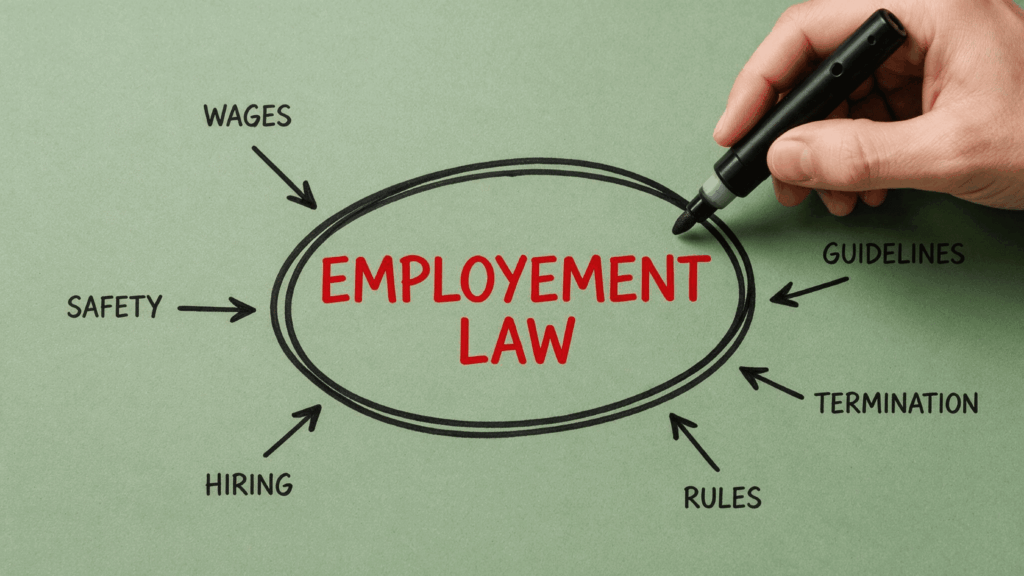
Kentucky labor laws are a set of state rules, primarily under KRS Chapter 337, that protect employees’ wages, working hours, and workplace conditions while also guiding employers on their responsibilities.
These laws cover key areas such as minimum wage, overtime pay, meal and rest breaks, and wage payment, and are enforced by the Kentucky Education and Labor Cabinet.
In many cases, these rules connect to broader concerns about seven-day work schedules and employee protections.
In simple terms, Kentucky follows federal labor laws but adds its own rules, such as required breaks and special overtime provisions, to ensure fair treatment and proper compensation for workers.
Breaks in Kentucky: What Employees Get

Kentucky law clearly defines the types of breaks employees are entitled to, including both meal breaks and short rest periods during the workday.
Meal Break Rules
Kentucky law requires employers to provide employees with a reasonable meal break. These rules apply to most employees unless specific exceptions apply.
- The break must usually be given between the 3rd and 5th hour of work
- Meal breaks are generally unpaid if the employee is fully relieved of duties
- If the employee must work during the break, they must be paid
Rest Break Rules
In addition to meal breaks, employees are entitled to short rest breaks. Rest breaks help improve productivity and reduce fatigue.
- Typically, 10 minutes for every 4 hours worked
- These breaks are considered paid time
- Employers must provide them as close to the middle of the shift as possible
Note: Failing to provide breaks can lead to legal penalties and compliance issues.
Kentucky 7th-Day Overtime Rules You Should Know

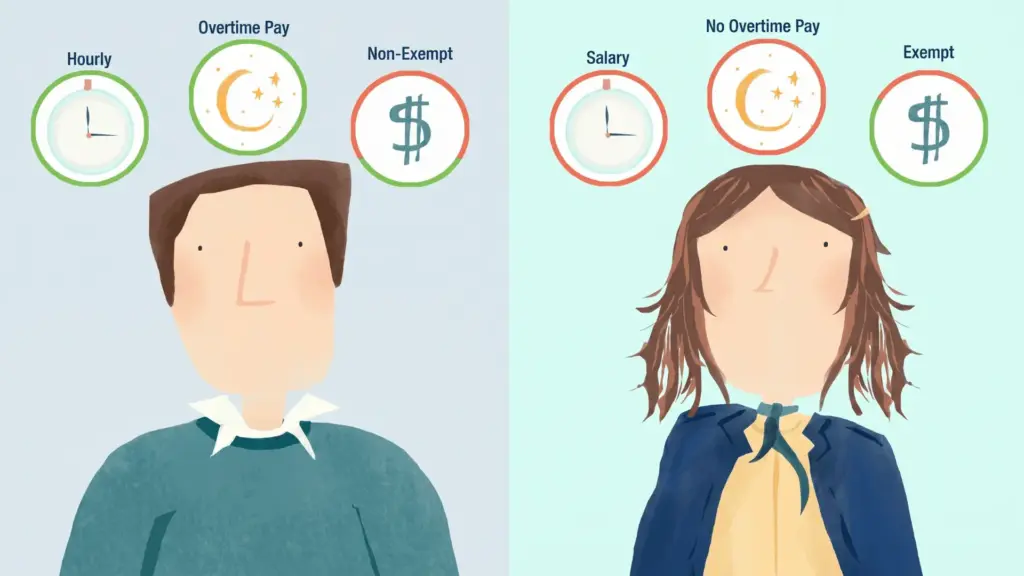
Kentucky has a unique rule that protects employees who work seven consecutive days in the same workweek. Under this law, if an employee works all seven days, the 7th day must be paid at an overtime rate (time-and-a-half).
This rule can apply even if the employee has not exceeded 40 total hours in the week, depending on their schedule.
It is designed to ensure fair compensation for continuous work without a day of rest and to prevent employee overwork.
How 7th-Day Overtime Pay Is Calculated
The 7th-day rule is calculated based on your employer’s defined workweek. This rule protects employees from being overworked without fair pay.
- Overtime applies to all hours worked on the 7th day
- Pay rate = 1.5× regular hourly wage
- Employers must ensure proper tracking of consecutive days
Who Is Exempt from the 7th Day Overtime Rules?
Exempt employees are not entitled to overtime on the 7th day. Not all employees qualify for this rule. Some exemptions include:
- Supervisors and managers
- Certain salaried employees
- Specific industries with different regulations
Paid Time Off (PTO) Laws and Payout Rules in Kentucky
Kentucky law does not require employers to provide paid time off (PTO), so these benefits are entirely at the company’s discretion.
This means employers decide how PTO is offered, earned, and used, including vacation days, sick leave, and personal time.
Because there is no legal requirement, policies can vary widely between companies, making it important for employees to carefully review their workplace guidelines.
When it comes to PTO payout, Kentucky law also does not require employers to pay unused PTO at the end of employment unless it is promised in the company’s policy or contract.
If an employer clearly states that unused PTO will be paid out, they must follow through.
However, if the policy is silent or says otherwise, employees may not receive payment for unused time. This is why checking your company handbook or agreement is essential before relying on PTO benefits.
Kentucky Leave Laws Beyond PTO
Even though Kentucky does not require PTO, employees may still be entitled to certain types of leave under federal laws, such as the Family and Medical Leave Act (FMLA).
- Unpaid Leave: Eligible employees can take up to 12 weeks for specific reasons.
- Covers Serious Health Conditions: Includes personal illness or caring for a family member with a serious condition.
- Applies to Childbirth and Adoption: Employees can take leave for the birth, adoption, or foster care of a child.
- Job Protection During Leave: Employees are entitled to return to the same or a similar job upon returning from leave.
- Health Benefits Continue: Employers must maintain group health insurance during FMLA leave.
- Eligibility Requirements Apply: Employees must meet criteria like hours worked and employer size.
- Applies to Qualifying Employers Only: Typically, businesses with 50 or more employees are covered.
The Bottom Line
Kentucky labor laws exist for one reason: to protect you.
Knowing your break entitlements, understanding how seventh-day overtime works, and being clear on how your PTO is handled puts you in a position where nobody can take advantage of what is rightfully yours.
Many employees go years without knowing the full picture, and that costs them time, money, and energy they should never have lost. Now that you have the information, use it.
Keep a record of your hours, know your contract inside out, and never hesitate to speak up when something does not add up. You work hard every single day, and you deserve every single thing you are entitled to!