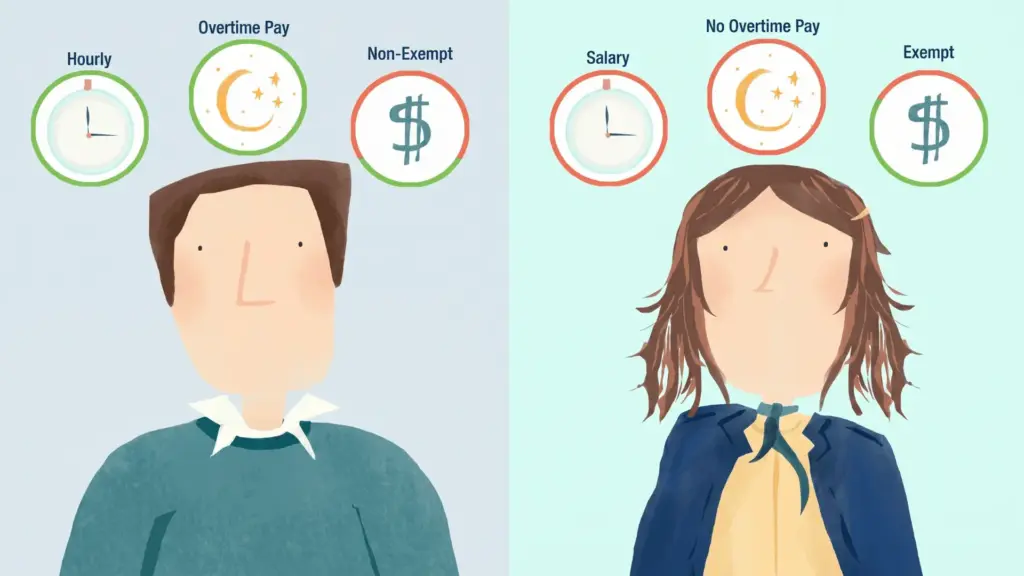


Extra hours at work often raise questions about how those hours are counted and compensated.
Understanding comp time meaning is becoming increasingly useful as workplaces shift toward flexible schedules and alternative ways to handle overtime.
Knowing how you manage your extra time is important for staying informed and avoiding confusion. When you know how these policies work, it becomes easier to plan your workload and expectations.
This blog breaks everything down in simple terms so you can clearly understand how it applies to your job and what it could mean for your day-to-day work routine.
Comp Time Meaning and Significance
Comp time, short for compensatory time, is paid time off you earn instead of receiving overtime pay.
When you work more than your standard working hours, your employer may allow you to take time off later rather than paying you extra wages for those additional hours.
This concept is especially common in the public sector, where government employers often use comp time as an alternative to overtime pay.
However, in the private sector, comp time is generally restricted by law, and employers are usually required to pay overtime instead.
Why Employers Offer Compensatory Time?
Employers may offer comp time for several practical reasons, especially in workplaces where managing time and costs efficiently is important.
- To Control Overtime Costs and Reduce Payroll Expenses: Paying overtime can quickly increase labor costs, so offering time off instead helps manage budgets.
- To Reward Employees with Additional Time Off Rather than Extra Pay: Some employees prefer time off, making this a flexible benefit.
- To Balance Workloads During Peak and Slow Periods: It allows businesses to adjust schedules to meet demand.
- To Comply with Internal Policies or Labor Agreements: Certain organizations follow structured policies or contracts that include comp time as an option.
How Comp Time Functions in the Workplace?

To fully understand the meaning of comp time, you need to know how it works in a practical workplace setting.
In most cases, comp time is not automatic. You and your employer must agree on how it will be earned, tracked, and used.
1. Earning Comp Time
You earn comp time when you work beyond your regular hours, typically more than 40 hours per workweek. Instead of receiving overtime pay, those extra hours are converted into time off.
For example, if you work 2 extra hours, you may earn 3 hours of comp time (based on a 1.5x rate). This rate aligns with overtime rules defined under the Fair Labor Standards Act (FLSA).
However, this system primarily applies to public-sector employees. In the private sector, employers are generally required to pay overtime wages rather than offer comp time.
2. Using Comp Time
Once you have earned comp time, you can request to use it as paid leave. This means you take time off from work while still being paid, using the hours you previously accumulated.
In most workplaces:
- You must request comp time in advance
- Your employer must approve the request
- Time off should be granted within a “reasonable period,” unless it disrupts operations
The concept of a “reasonable period” is guided by federal regulations. You can review more details through the U.S. Department of Labor overtime guidelines.
3. Comp Time Accrual Limits
There are limits on how much comp time employees can accumulate, particularly in the public sector, to prevent excessive unused balances.
Most public employees can accrue up to 240 hours of comp time, while those in emergency services, seasonal roles, or public safety positions may accumulate up to 480 hours.
Compensatory Time Vs Overtime Pay
Both relate to extra working hours, but they differ in how you are compensated and what benefits you receive.
| Basis | Comp Time (Compensatory Time) | Overtime Pay |
|---|---|---|
| Definition | Time off given instead of extra pay for overtime hours | Extra wages paid for working beyond standard hours |
| Payment vs Time Off | You will receive paid time off in the future | You receive extra pay for extra hours |
| Legal Applicability | Mainly allowed in the public sector under strict rules | Required in most private sector jobs under labor laws |
| Financial Impact | Delayed benefit (time off later) | Immediate income (extra wages now) |
| Usage | Can be used later as leave with employer approval | Paid directly in your paycheck |
| Risk/Limitations | May expire or be limited by policy | No delay; compensation is guaranteed with the paycheck |
Legal Framework Behind Comp Time
Comp time is not just a workplace policy; it is regulated by federal law and, in some cases, by state laws as well. These rules define who can receive comp time, how it is earned, and when it must be used.
1. Federal Laws Governing Comp Time
Under the FLSA, comp time is strictly regulated. In the private sector, employers are required to pay overtime wages at 1.5 times the regular rate for any hours worked beyond 40 in a week, rather than offering comp time.
To meet federal requirements, there must be a clear agreement in place before comp time is earned, and employers must maintain accurate records of all hours worked and comp time accrued.
The Wage and Hour Division of the U.S. Department of Labor enforces these requirements.
2. State Laws and Additional Regulations on Comp Time
Some states, like California and Washington, have their own overtime and wage laws that go beyond federal requirements.
These laws may require higher overtime pay rates, limit how work hours are structured, and provide stricter enforcement of employee rights.
You can check official state labor offices through the U.S. DOL’s State Labor Offices directory. This resource provides direct access to state-level agencies, where you can find accurate, up-to-date information.
Suggested: Comp time policies can also impact employees managing ongoing medical conditions. See how they align with Intermittent Leave Meaning.
Best Practices for Using Comp Time Effectively

To make the most of comp time, plan carefully and understand how to use it to benefit both your work and your personal life.
- Plan your time off in advance so you can use comp time without affecting your work responsibilities
- Always review your company’s comp time policy to understand limits, expiry rules, and approval processes
- Keep track of your earned comp time to avoid losing unused hours due to caps or deadlines
- Use comp time regularly instead of saving too much, as large balances may be harder to schedule later
- Try to balance your workload and rest periods so that comp time helps reduce stress and prevents burnout
The Bottom Line
Comp time can be a genuinely useful arrangement when it’s set up correctly and used fairly, but only if you fully know comp time meaning and what you’re agreeing to.
The rules are clear: public sector employees have legal protections for how comp time is earned and used, while private sector employees are generally entitled to overtime pay.
Before accepting comp time in place of overtime, know your rights, read your company’s policy carefully, and don’t hesitate to ask questions.
If something feels off about how your extra hours are being handled, the Department of Labor and your state labor office are both accessible resources. Your time is valuable; make sure it’s compensated properly.
Frequently Asked Questions
Is It Better to Get Overtime or Comp Time?
Overtime pays you 1.5 times your regular rate immediately, making it better if you need extra income now. Comp time gives paid time off at the same rate, which works better if flexibility matters more to you than the paycheck.
What are the Pros and Cons of Comp Time?
For employees, comp time offers flexibility and better work-life balance. For employers, it helps manage short-term payroll costs but can become a liability if employees accumulate large balances that are difficult to schedule later.
Is Comp Time Like Sick Time?
No, comp time is earned by working extra hours beyond your regular schedule, while sick time is a standard benefit you can use when unwell, regardless of hours worked. They are separate entitlements; neither affects the other.