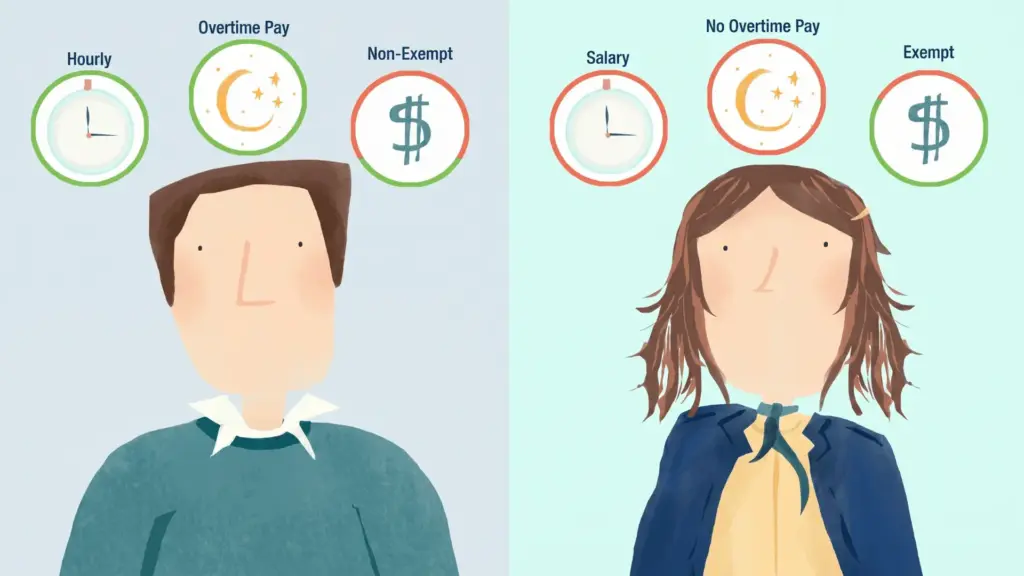


A payment can look like a paycheck without actually being one. If you are askingwhat is nonemployee compensation, the answer starts with understanding how businesses pay workers who are not part of their payroll.
Thenonemployee compensation meaning refers to payments made for services provided by independent workers rather than employees.
From independent contractors to Form 1099-NEC requirements, a few key rules decide what gets reported, who receives the form, and when filing is required.
Here’s a clear look at nonemployee compensation, which payments count, how it works, and the common tax-season mistakes businesses and contractors should avoid.
What Is Nonemployee Compensation?
Nonemployee compensation meaning is payment made by a business to individuals who provide services without being classified as employees.
It commonly applies to independent contractors, freelancers, and self-employed workers. The IRS defines it as payments for services performed during business operations by nonemployees.
Key Characteristics of Nonemployee Compensation:
- Independent work: The worker provides services without being part of the company’s regular staff.
- No regular payroll: Payments are generally made outside the employer’s payroll system.
- No W-2: Nonemployees usually do not receive Form W-2 for these payments.
- Self-managed taxes: The worker is generally responsible for paying their own income and self-employment taxes.
- Business expenses: Independent workers may need to track and report their own work-related expenses.
- Form 1099-NEC: Businesses may need to report qualifying payments to nonemployees using Form 1099-NEC.
How Does Nonemployee Compensation Relate to Form 1099-NEC?
Form 1099-NEC is the IRS form businesses use to report qualifying payments made to nonemployees for services. The process begins when a contractor provides a completed Form W-9 with their name and taxpayer identification number.
The business then tracks payments made to that worker throughout the year. Once the applicable reporting requirements are met, the business prepares Form 1099-NEC with the required payment information.
A copy is provided to the contractor, while the required filing is submitted to the IRS. Keeping payment records and taxpayer details organized helps businesses prepare accurate forms and meet reporting responsibilities.
Who Receives Nonemployee Compensation And What Payments Qualify?

Nonemployee compensation applies to payments made to independent workers for business-related services. Understanding who qualifies as a nonemployee and which payments fall under this category helps businesses handle reporting requirements correctly.
1. Independent Contractors
Businesses hire independent contractors to complete specific tasks or projects without becoming part of the company’s employee team. They usually decide how the work is completed, manage their own expenses, and receive payment based on agreed services.
Examples:
- Construction professionals hired for specific projects
- Software developers working on contract assignments
- Maintenance specialists providing independent services
2. Freelancers
Freelancers provide services independently to one or more clients, often for short-term projects or ongoing assignments. They typically work under service agreements, handle their own business responsibilities, and receive payment for completed work rather than employee wages.
Examples:
- Writers creating content for businesses
- Designers working on branding projects
- Photographers hired for commercial work
3. Consultants And Professional Service Providers
Consultants and professional service providers offer specialized knowledge or expertise to businesses without joining their payroll. Companies usually hire them for specific advice, solutions, or professional services based on their experience.
Examples:
- Business consultants providing strategy advice
- Accountants handling financial services
- IT specialists managing technical projects
4. Self-Employed Professionals
Self-employed professionals operate their own businesses or practices and earn income directly from clients. They manage their services, pricing, expenses, and tax responsibilities while working independently, rather than under an employer’s supervision.
Examples:
- Independent healthcare providers
- Real estate professionals
- Business owners offering specialized services
5. Commission-Based And Gig Workers
Commission-based and gig workers earn income based on completed sales, referrals, tasks, or transactions. They are paid according to performance or service agreements rather than receiving fixed wages through a company’s payroll system.
Examples:
- Sales representatives earning referral commissions
- Delivery workers completing independent assignments
- Musicians hired for individual performances
6. Common Payments That Qualify As Nonemployee Compensation
Payments qualify as nonemployee compensation when they are made for business-related services provided by independent workers. These payments are generally connected to completed work, professional services, or other contracted activities rather than personal expenses.
Examples:
- Freelance project payments
- Consulting service fees
- Professional service charges
- Commission-based payments
- Referral fees
- Service-related awards
- Certain contractor travel reimbursements
- Gig worker service payments
Note: These payments are commonly reported when they meet IRS requirements for nonemployee compensation. Businesses should review the payment type and worker status before deciding if Form 1099-NEC reporting applies.
Nonemployee Compensation vs Employee Compensation

People often mix up nonemployee compensation with employee pay. This mix-up changes who handles the taxes. The table below lines up the key differences side by side.
| Key Difference | Employee Compensation | Nonemployee Compensation |
| Worker status | Employee | Independent worker |
| Main tax form | Form W-2 | Form 1099-NEC |
| Tax withholding | Usually withheld | Usually not withheld |
| Payroll | On company payroll | Paid outside payroll |
| Tax responsibility | Shared through payroll | Mostly handled by recipient |
| Common example | Salary or hourly wages | Freelance or contract fees |
How To Report Nonemployee Compensation On Form 1099-NEC
Businesses must follow specific steps to report nonemployee compensation accurately. The process includes collecting contractor details, reporting payments correctly, submitting forms, and maintaining proper records.
The IRS reporting guidance explains payer responsibilities, backup withholding rules, and filing requirements.
- Collect Contractor Information: Obtain a completed Form W-9 from the contractor before making payments. Verify the worker’s legal name and Taxpayer Identification Number (TIN) for accurate reporting.
- Enter Payer and Recipient Details: Add the required information, including payer details, recipient name, address, and account information when completing Form 1099-NEC.
- Report Nonemployee Compensation Amount: Report qualifying service payments in Box 1 of Form 1099-NEC. Confirm the total amount matches business payment records before filing.
- Apply Backup Withholding If Required: Apply the 24% backup withholding rate when a contractor does not provide a valid TIN or when IRS rules require withholding.
- Send Required Copies: Submit Copy A to the IRS and provide Copy B to the contractor. Keep a copy of the form and payment records for business files.
- Review Income Reporting Requirements: Contractors should check the reported amount against their records and report the income correctly on their tax return, including self-employment tax requirements when applicable.
Disclaimer: Tax reporting requirements can vary based on payment type, worker classification, and business circumstances. Review current IRS instructions or consult a tax professional for specific situations.
IRS and DOL Guidelines
The IRS and Department of Labor use different standards to review worker classification. The IRS focuses on tax status, while the DOL evaluates whether a worker is an employee under wage and hour laws.
| Guideline Area | What It Reviews |
| IRS Behavioral Control | Looks at business control over work methods, instructions, procedures, and training. |
| IRS Financial Control | Reviews payment methods, expenses, investments, and profit or loss opportunities. |
| IRS Type of Relationship | Considers contracts, benefits, relationship length, and the role of services in the business. |
| DOL Economic Reality Analysis | Evaluates independence based on control, business investment, permanence, and economic dependence. |
Common Nonemployee Compensation Mistakes
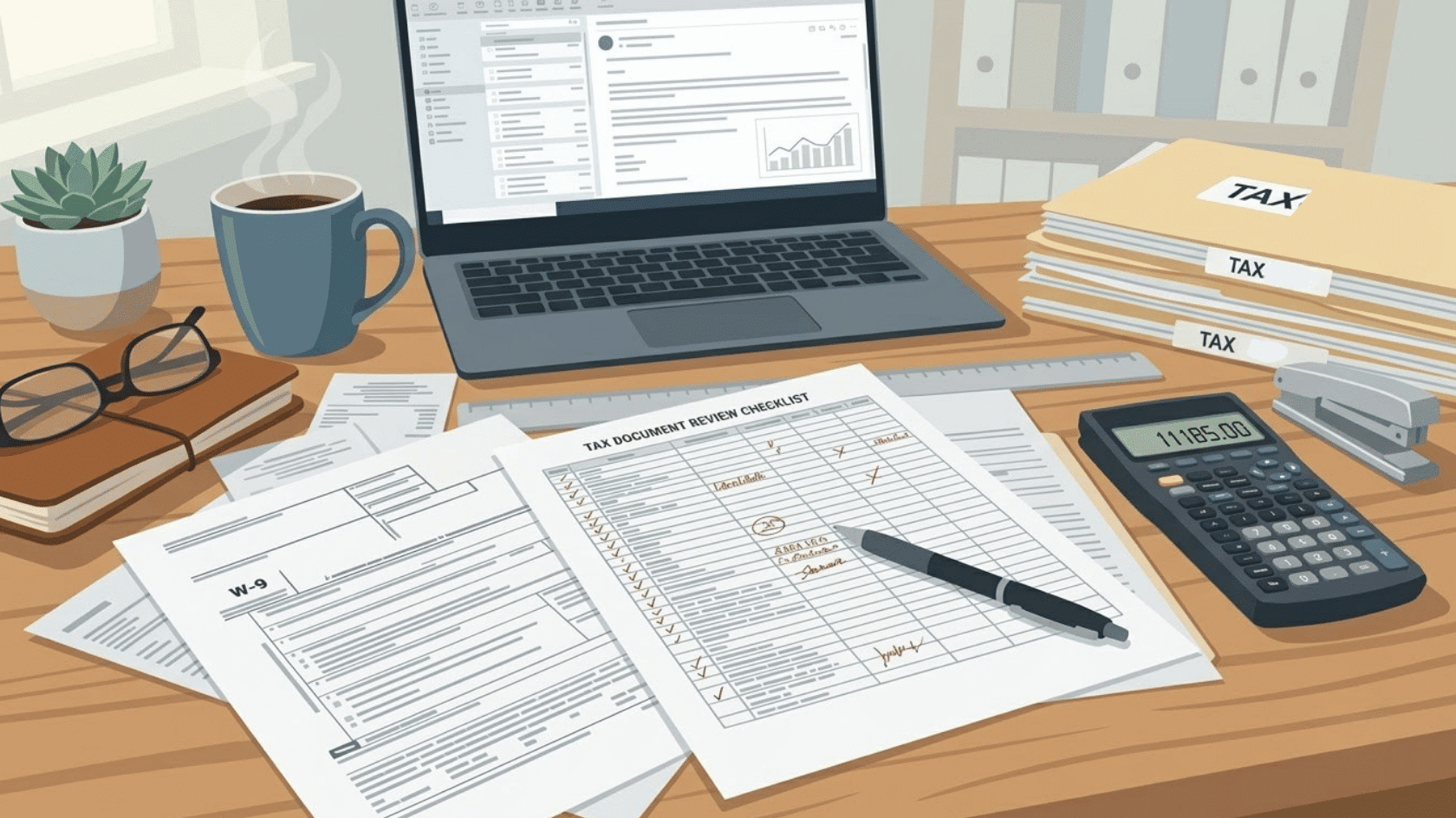
A few mistakes can create reporting problems for businesses and confusion for contractors. Most involve worker classification, incorrect tax forms, missing taxpayer details, or misunderstandings about income reporting.
- Treating An Employee As A Contractor: Using Form 1099-NEC does not determine worker status. If a business controls the worker’s schedule, methods, or daily activities, the IRS may classify that person as an employee.
- Using Form 1099-MISC Instead Of 1099-NEC: Payments for qualifying contractor services generally belong on Form 1099-MISC, while rents, royalties, and certain other payments may require Form 1099-MISC.
- Forgetting To Collect Form W-9: Businesses should collect the contractor’s legal name and Taxpayer Identification Number before making reportable payments. This information helps ensure accurate tax reporting.
- Assuming No Form Means No Tax: Not receiving Form 1099-NEC does not remove the contractor’s responsibility to report taxable income. Contractors should keep payment records and report income as required.
Checking worker status, payment type, taxpayer information, and reporting duties before filing can reduce corrections and make tax reporting easier for everyone involved.
The Takeaway
Understanding what is nonemployee compensation helps businesses and workers handle contractor payments correctly. These payments follow different reporting rules because the worker is not treated as a regular employee.
The meaning of nonemployee compensation goes beyond simply paying someone outside payroll. It involves worker classification, accurate records, tax forms, and knowing when Form 1099-NEC requirements apply.
Getting these rules right from the start can make tax reporting easier for businesses and help contractors know what to expect when their income is reported.
Frequently Asked Questions
What Is the Current Form 1099-NEC Reporting Threshold?
For payments made in 2025, businesses must report nonemployee compensation of $600 or more. For payments made in 2026, the threshold increases to $2,000, with future adjustments tied to inflation.
Are Personal Payments Reportable on Form 1099-NEC?
No. Form 1099-NEC applies to business payments, not personal expenses. A homeowner paying a plumber for a home repair usually does not need to file a Form 1099-NEC.
Is Nonemployee Compensation Taxable?
Yes. The IRS treats nonemployee compensation as taxable income. It’s usually reported as business or self-employment earnings on the recipient’s tax return.