
Unpaid wage cases in California rarely settle for a single fixed number. A missed break claim and a multi-employee misclassification case do not use the same math, and the gap in outcomes reflects that.
Some employees recover a few thousand dollars, while others walk away with six figures once penalties and interest are added.
Before estimating what an average settlement for unpaid wages California might look like, it helps to understand how the amount is actually built, not just the range it falls into.
Many of these disputes start as an unresolved disagreement over pay, the kind that better workplace conflict resolution practices could have caught earlier.
What Is The Average Settlement For Unpaid Wages California?
The average settlement for unpaid wages California typically ranges from $25,000 to $100,000, with many cases landing between $40,000 and $75,000 once penalties are added. There is no single fixed number because every claim depends on its own facts.
Smaller individual disputes, such as a single missed break issue, may settle for $1,000 to $10,000. Larger cases involving misclassification, unpaid overtime, or multiple employees can push well past $100,000.
California adds statutory penalties on top of the base unpaid amount, including waiting time pay and interest, which is why settlements here often run higher than in states without similar protections.
The final figure usually reflects unpaid wages plus whatever penalties apply to the specific violation.
Common Settlement Ranges By Violation Type
Settlement values shift depending on which wage rule was broken, since each violation carries its own formula and penalty structure. The table below breaks down typical ranges by claim type.
| Violation Type | Typical Settlement Range | Factors Affecting Amount |
| Missed meal and rest breaks | $2,500 – $10,000 | Number of missed breaks, work duration |
| Minimum wage violations | $10,000 – $25,000 | Hours underpaid, length of violation |
| Unpaid overtime claims | $15,000 – $50,000 | Overtime hours, pay rate, records |
| Employee misclassification | $10,000 – $75,000+ | Worker status, unpaid benefits, overtime |
| Multiple wage violations | $50,000 – $300,000+ | Number of employees, penalties, damages |
These figures are estimates rather than guarantees. The actual outcome depends on the evidence available, how the employer responds, and which California wage laws apply to the claim.
Factors That Influence Your Settlement Amount
A few recurring factors tend to move a settlement up or down more than anything else:
- Length of the violation: Longer unpaid periods, especially years of missed overtime, raise the total owed.
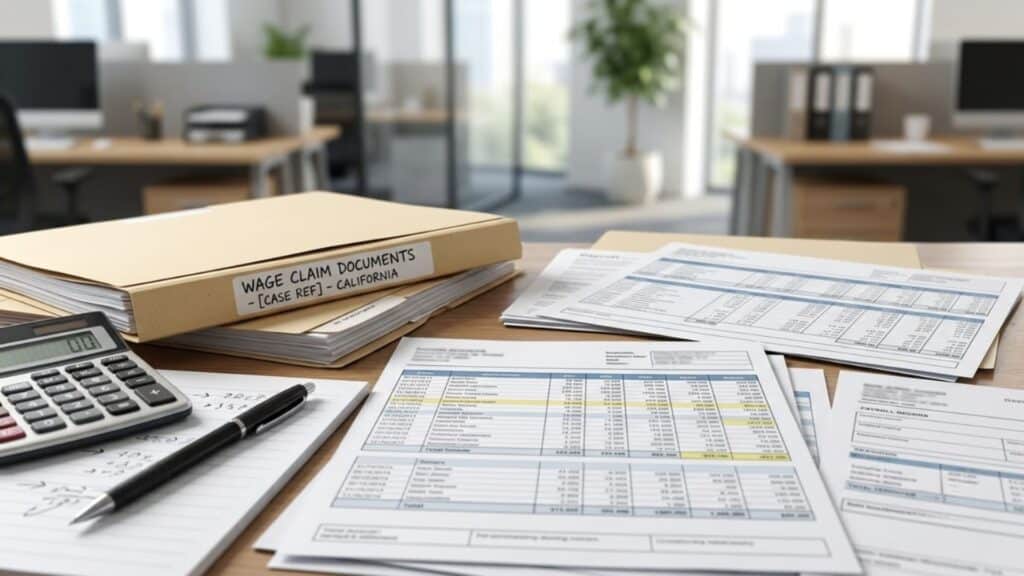
- Strength of documentation: Pay stubs, time records, schedules, and written communication all support the calculation.
- Type of violation: Overtime, misclassification, minimum wage, and break violations each carry different penalty rules.
- Employer size and response: Larger employers may face broader exposure, and a willingness to resolve disputes early can shape negotiations.
- Filing method: A Labor Commissioner claim, private lawsuit, or class action can each lead to different recovery amounts.
Organizations should maintain a clear reporting process so employees know where to raise concerns. If pay is also withheld, understanding the average settlement for unpaid wages can help guide next steps.
How Are Unpaid Wage Settlements Calculated In California?
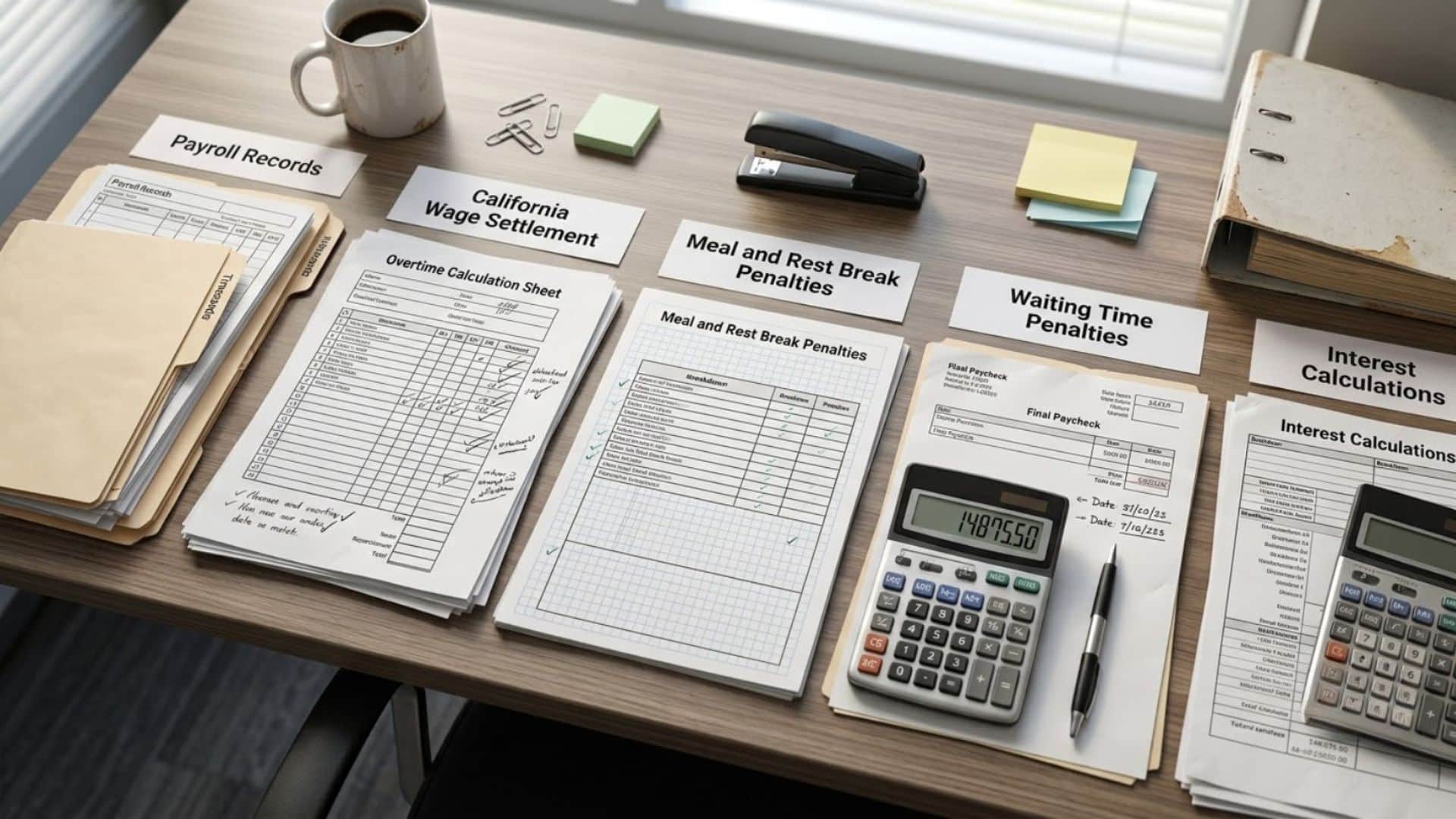
Before settlement discussions begin, the claim value is usually estimated using legal formulas that calculate unpaid amounts, penalties, and interest.
The California Labor Commissioner’s Office provides wage claim guidance that helps determine applicable rules and recovery calculations:
1. Unpaid Regular And Overtime Wages
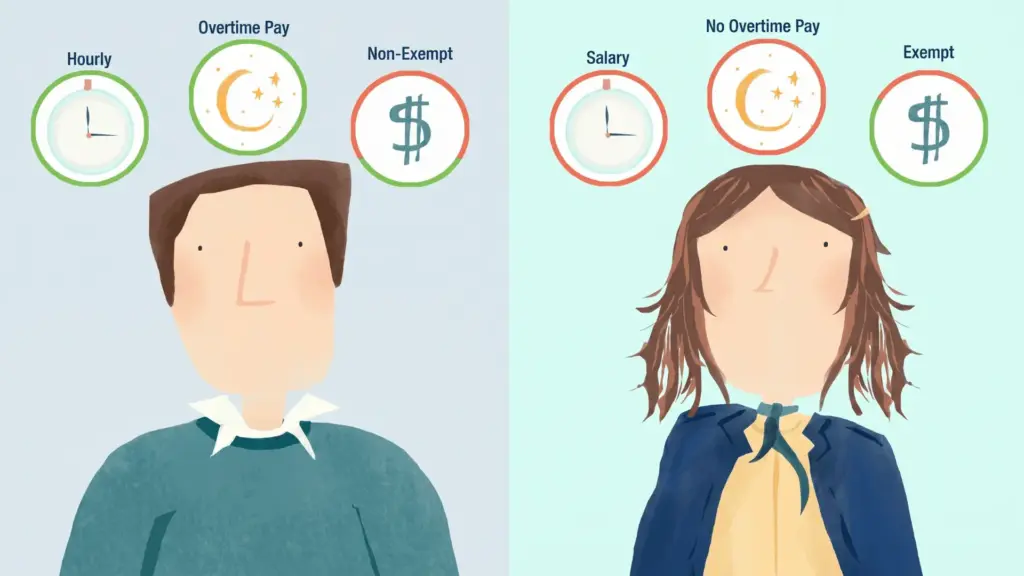
Regular wages are calculated by multiplying unpaid work hours by the employee’s standard hourly rate. Overtime may apply when eligible hours exceed daily or weekly limits, generally at 1.5 times the regular rate.
Double time may apply after 12 hours in a workday. Accurate timecards, schedules, and payroll records can help support and verify these wage calculations over time.
2. Meal And Rest Break Penalties
California wage laws may require additional compensation when employees miss required meal or rest breaks, or when those breaks are delayed, shortened, or interrupted.
In many cases, each affected workday can result in one additional hour of pay at the employee’s regular rate. The total amount depends on the number of violations and how long each employee was affected.
3. Waiting Time Penalties
If final wages are not paid on time after termination or resignation, California law may allow a waiting time penalty. The employee’s daily wage can continue to accrue for each day payment is late, up to a maximum of 30 calendar days.
These penalties are intended to discourage employers from delaying final paychecks and withholding wages that are already legally due.
4. Interest On Unpaid Wages
Unpaid wages may also accrue interest under California law from the date the payment was originally due. Interest is generally calculated at an annual rate of 10% and is separate from unpaid wages and any applicable penalties.
Over time, this additional amount can increase the overall value of a wage claim, especially when payment remains outstanding for an extended period.
California Unpaid Wages Statute Of Limitations
Filing deadlines depend on the type of claim, and missing one can end the ability to recover unpaid amounts entirely:
- 3 years: Minimum wage, overtime, missed breaks, sick leave, and expense reimbursement claims.
- 4 years: Claims based on a written contract or unfair business practices.
- 2 years: Claims based on an oral promise to pay above minimum wage.
- 1 year: Certain civil penalties, including bounced paychecks or denied payroll record access.
Note: Deadlines can vary based on the specific facts of a claim. Reviewing the applicable timeline early and confirming it through the DIR wage claim process helps avoid losing recovery options.
What Is The Interest Rate For Unpaid Wages In California?

The interest rate for unpaid wages in California is generally 10% per year on qualifying unpaid amounts. Interest begins accruing from the date wages were originally due, not from the date a claim is filed.
This interest is calculated separately from the unpaid wage amount itself and separately from penalties like waiting time pay.
Depending on the violation, an employee’s final recovery can include unpaid wages, applicable penalties, and this interest calculation combined. The exact total still depends on how long the wages went unpaid and which violations apply.
What Is The 72 Hour Rule In California?
The 72-hour rule refers to final paycheck timing when an employee resigns without giving 72 hours’ notice. In that situation, the employer must pay all final wages and unused vacation within 72 hours of the resignation.
Employees who give at least 72 hours’ notice must be paid on their last day worked instead. If the employer misses either deadline, waiting time penalties can begin accruing at the employee’s daily wage rate.
Your Options For Resolving An Unpaid Wage Claim
Employees weighing how to move forward generally have three main paths, each with its own cost and timeline. A guide to resolving an unpaid wage claim breaks down when each option fits best.
Choosing the right path depends on the type of violation and the preferred recovery process:
- Filing A Claim With The Labor Commissioner: This is a free administrative process that includes a wage claim review and, in many cases, a hearing. It tends to suit individual disputes where the amount owed is more straightforward to document.
- Filing A Private Lawsuit: A private lawsuit moves through the court system and can open access to additional damages beyond what an administrative claim allows, though legal costs and timelines need to be weighed first.
- Joining A Class Action: When multiple employees share the same type of violation, a class action consolidates the claims into one shared legal process, which often makes sense for larger, employer-wide disputes.
Is It Worth Suing For Unpaid Wages?
Yes, suing for unpaid wages can be worth it when the amount owed is significant, documentation is available, and informal attempts to resolve the issue have failed. It is not automatically the right move for every claim.
The decision usually comes down to the size of the unpaid amount, the strength of pay records and schedules, the cost of pursuing legal action, and how the employer has responded so far.
Smaller claims sometimes make more sense through a Labor Commissioner wage claim rather than a lawsuit, since it costs nothing to file.
No settlement outcome can be guaranteed in advance, so weighing the available remedies against the time and cost involved is worth doing before committing to a court case.
Final Thoughts
Settlement amounts for unpaid wages in California come down to the type of violation, the strength of the evidence, applicable penalties, and the path chosen to resolve the claim.
Rather than expecting a single average settlement for unpaid wages California figure, it helps to look at how each formula, deadline, and legal option applies to the specific situation.
For a closer look at how these calculations break down by case type, this wage recovery guide covers the underlying numbers in more detail.
From there, the next step is usually gathering documentation and deciding which filing route fits the size and evidence behind the claim.
Frequently Asked Questions
How Much Can You Sue For Unpaid Wages In California?
The amount depends on unpaid wages, applicable penalties, interest, and damages under California law. Each case is calculated individually based on the specific facts and violations involved.
How Long Does It Take to Settle a Wage Claim in California?
Timelines vary based on claim complexity, employer response, and available evidence. Cases filed with the Labor Commissioner often resolve faster than lawsuits that proceed through court.
Is There a Deadline to File an Unpaid Wage Claim in California?
Yes. Deadlines range from one to four years depending on the type of wage violation and whether the claim involves a written contract, oral promise, or statutory violation.
What Evidence Helps With An Unpaid Wage Claim?
Pay stubs, time records, work schedules, employment agreements, and written communication with an employer all help support the calculation and validity of an unpaid wage claim.