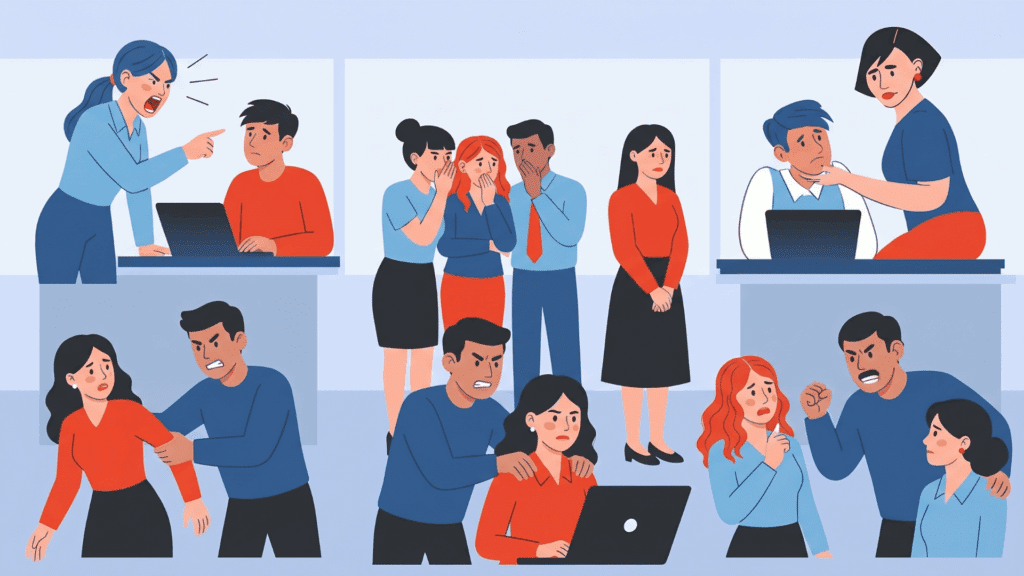

Workplace issues can become serious when harmful behavior is ignored or brushed aside. Employees may feel unsafe, stressed, or unsure about how to report a concern.
Knowing different forms of workplace harassment examples helps managers, HR teams, and employees spot problems early.
It also makes it easier to set clear rules, respond fairly, and build a safer work environment.
From sexual harassment and discrimination to online harassment and retaliation, each type can affect people in different ways.
Learn what harassment means, the main types to watch for, real examples, and practical steps to prevent it at work.
What Is Workplace Harassment?
The U.S. Equal Employment Opportunity Commission (EEOC) enforces laws against workplace harassment.
According to the EEOC, harassment includes unwelcome and offensive conduct based on protected traits such as race, color, national origin, sex, disability, age over 40, religion, or genetic information.
It can include derogatory jokes, offensive images, ethnic slurs, unwanted touching, pressure for sexual favors, or retaliation against someone for reporting harassment.
Harassment is illegal when it creates a workplace that most people would find hostile, offensive, or intimidating.
The harasser can be a supervisor, co-worker, direct report, vendor, or other non-employee. A victim may be the person targeted or anyone affected by the behavior.
Understanding what harassment looks like is the first step toward preventing it.
The Growing Threat of Harassment in the Workplace
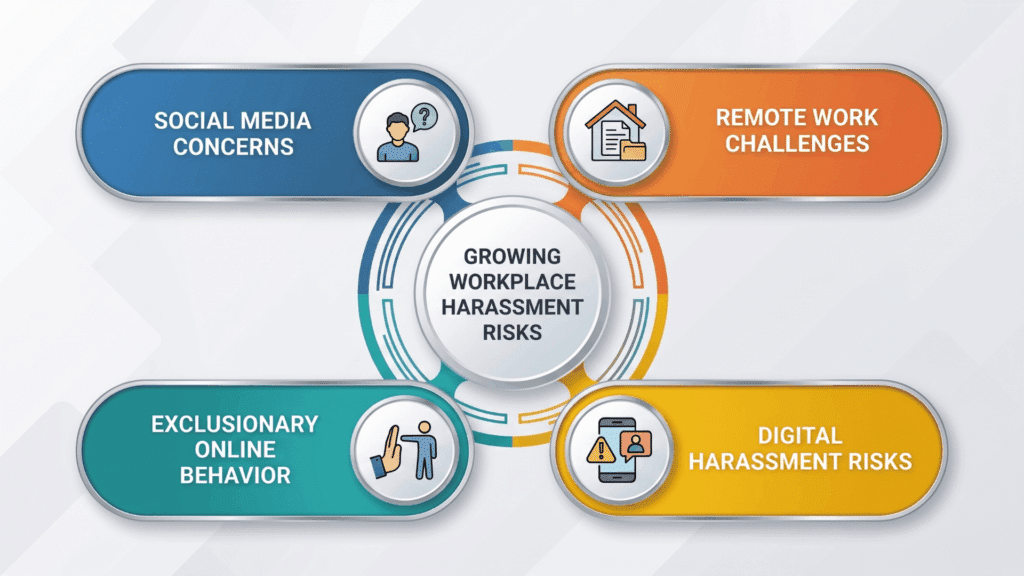
As work becomes more digital, organizations must update how they prevent and address harassment. Clear rules, quick action, and regular awareness can help create safer workplaces.
- Digital Harassment Risks: Online comments, messages, and posts can create new avenues for workplace harassment.
- Social Media Concerns: Social media platforms can blur the line between work and personal life, making harmful behavior harder to distinguish.
- Remote Work Challenges: Harassment can happen through chats, emails, video calls, and other virtual work channels.
- Exclusionary Online Behavior: Employees may face being ignored, mocked, or left out in digital spaces.
Workplace Harassment Examples
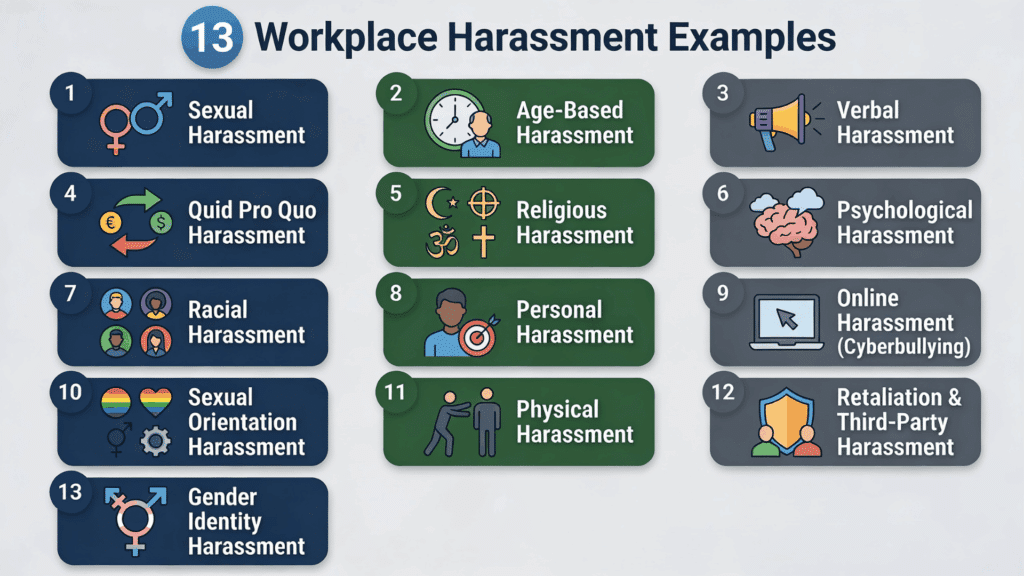
Here are the most common types of workplace harassment to watch for, along with examples that can help employees and managers recognize harmful behavior early.
1. Sexual Harassment in the Workplace
Sexual harassment includes unwelcome comments, unwanted physical advances, sexual jokes, and requests for sexual favors. It can be verbal, physical, or written, and it may affect people of any gender.
Examples of sexual harassment include:
- Unwanted touching
- Unwanted sexual gestures
- Sexual jokes, comments, or questions
- Requests for sexual favors
The best way to address sexual harassment is to bring it forward and take it seriously. Clear reporting steps, strong policies, and quick action can help reduce this behavior at work.
Quid Pro Quo Harassment: This happens when someone in power asks for sexual favors in exchange for job benefits, such as a raise, promotion, or job security. It can also involve threats like demotion, termination, or lost opportunities if the employee refuses.
2. Racial Harassment
Racial harassment includes offensive comments, jokes, symbols, or behavior based on a person’s race, ethnicity, or accent. It can happen in person, online, or through written messages.
Examples of racial harassment include:
- Racist symbols
- Mocking someone’s accent
- Unwelcome comments about race
- Derogatory jokes
- Racial slurs
- Intolerance toward a racial group
Racial harassment should be reported and addressed quickly. Even comments framed as jokes can create a hostile or unsafe workplace.
According to data black employees are more likely to encounter racial discrimination, with 61% having encountered discrimination, compared to only 40% of total employees.
3. Sexual Orientation Harassment
Sexual orientation harassment includes offensive remarks, jokes, or unfair treatment based on a person’s sexual orientation. It can affect lesbian, gay, bisexual, queer, pansexual, asexual, or heterosexual employees.
Examples of sexual orientation harassment include:
- Offensive jokes or teasing
- Rumors about someone’s orientation
- Sharing personal information
- Inappropriate questions
- Gossip about someone’s orientation
This type of harassment can make employees feel unsafe or excluded. Respectful conduct and safe reporting steps can help prevent it.
4. Gender Identity Harassment
Gender identity harassment happens when someone is treated unfairly because of their gender identity or gender expression. It can include insults, slurs, or repeated disrespect.
Examples of gender identity harassment include:
- Negative comments about gender norms
- Slurs or offensive language
- Distasteful references
- Hurtful gender-related nicknames
- Using the wrong name or pronouns on purpose
Gender identity harassment should never be ignored. Employees should be treated with respect in all workplace settings.
Transgender employees are more likely to experience harassment, with 83% having experienced or witnessed gender-identity harassment at work.
5. Age-Based Harassment
Age-based harassment happens when someone is mocked, excluded, or treated unfairly because of their age. It can affect both younger and older employees.
Examples of age-based harassment include:
- Being passed over due to age-based assumptions
- Exclusion from meetings or assignments
- Mocking someone’s age
- Insults about generational differences
Age-based harassment can harm confidence and career growth. Fair treatment should be based on skills, role, and performance.
Did you know that 99% of workers 40 years or older reported ageism in the workplace? It’s true. Ageism is a highly prevalent form of harassment.
6. Religious Harassment
Religious harassment targets someone because of their religious beliefs, practices, clothing, or customs. It can include jokes, pressure, or disrespectful comments.
Examples of religious harassment include:
- Religious stereotypes
- Comments about holidays or customs
- Jokes about religion
- Pressure to convert
- Remarks about religious clothing
Religious harassment can make employees feel judged or excluded. Workplaces should respect different beliefs and respond quickly to harmful behavior.
7. Personal Harassment
Personal harassment targets someone based on their personality, looks, work style, or personal beliefs. It may happen at work or during work-related events.
Examples of personal harassment include:
- Disrespectful remarks
- Inappropriate comments
- Intentional embarrassment
- Shaming personal beliefs
- Intimidating behavior
Personal harassment may not always be illegal unless it is tied to a protected trait. Still, it should be taken seriously and addressed quickly.
8. Physical Harassment
Physical harassment includes unwanted physical contact, threats, or actions that make someone feel unsafe. Even one incident can be serious.
Examples of physical harassment include:
- Unwanted touching
- Touching clothing, hair, or body
- Damage to personal property
- Threats of physical violence
Physical harassment can harm employee safety and may even be treated as assault in some cases.
9. Verbal Harassment
Verbal harassment includes repeated rude, insulting, or hurtful language toward another person. It can damage confidence and create a hostile workplace.
Examples of verbal harassment include:
- Insults
- Slurs
- Demeaning remarks
- Unwanted jokes
- Hurtful comments
- Gossip or rumors
- Body-shaming
Verbal harassment should be reported when it becomes repeated, targeted, or harmful. Even small comments can create stress when they happen often.
10. Psychological Harassment
Psychological harassment affects a person mentally or emotionally. It often involves repeated behavior that is humiliating, hostile, or harmful.
Examples of psychological harassment include:
- Exclusion: Leaving someone out on purpose.
- Isolation: Cutting someone off from team support.
- Belittling: Making someone feel small.
- Gaslighting: Making someone doubt their memory or judgment.
- Humiliation: Embarrassing someone in front of others.
Psychological harassment can be hard to notice, but it can strongly affect an employee’s well-being and work performance.
11. Online Harassment (Cyberbullying)
Online harassment, also called cyberbullying, happens through digital channels such as email, work chats, social media, or online platforms.
Examples of online harassment include:
- Threatening messages
- Offensive comments
- False claims online
- Bullying through fake accounts
- Harassing emails or chats
It’s also important to note that while other forms of harassment typically require repeat offenses, a single instance of cyberbullying may be enough to count as online harassment.
12. Retaliation
Retaliation occurs when someone is punished for reporting a workplace issue or participating in an investigation.
For example, an employee should not be fired, demoted, ignored, threatened, or treated unfairly because they:
- Reported harassment or another workplace problem
- Helped in a harassment investigation
- Told a coworker to speak with HR
- Asked for support due to a disability or religious need
Proper aftercare can help prevent retaliation after a workplace report. Anonymous reporting tools can also help employees speak up without fear.
13. Third-Party Harassment
Third-party harassment happens when someone outside the company mistreats an employee. This may include clients, vendors, suppliers, contractors, or customers.
Examples of third-party harassment include:
- Sexual comments from a client
- Rude behavior from a customer
- Discriminatory remarks from a vendor
- Online harassment from a contractor
- Threats from an outside party
Employers should still take third-party harassment seriously and act to protect employees.
Handling Different Forms of Harassment in the Workplace
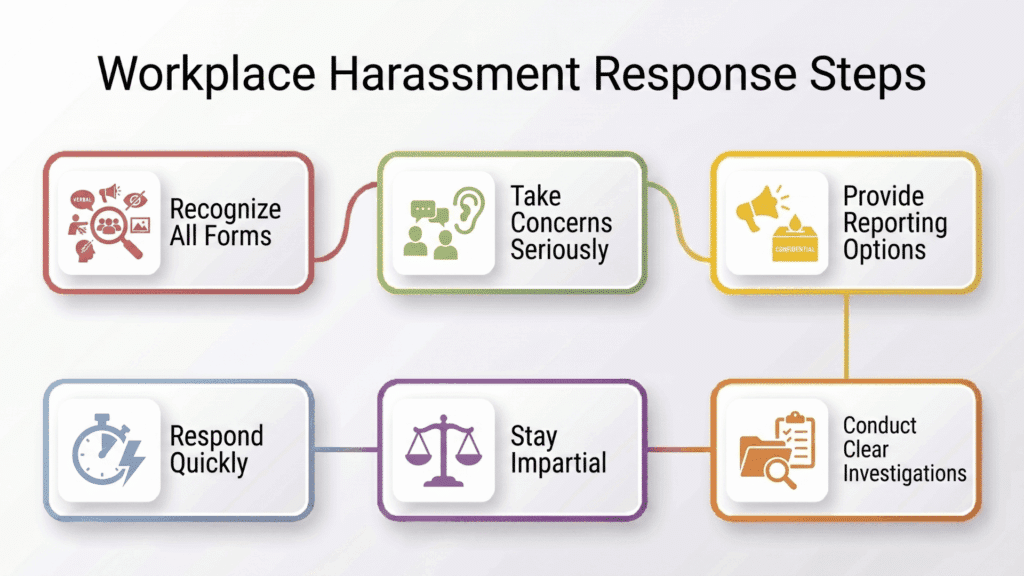
Workplace harassment can be obvious or subtle, but every concern should be handled with care. A clear process helps protect employees and ensures fair responses.
- Recognize All Forms: Harassment can include comments, gestures, exclusion, offensive images, digital messages, or pressure from someone in authority.
- Take Concerns Seriously: Every report should be heard respectfully, even if the issue seems small at first.
- Provide Reporting Options: Employees should be able to report concerns to managers, HR, hotlines, or anonymous tools.
- Respond Quickly: Fast action shows that the organization takes harassment seriously and wants to prevent further harm.
- Stay Impartial: Responses should be fair, neutral, and grounded in facts rather than assumptions.
- Conduct Clear Investigations: Investigations should include statements, evidence review, documentation, and consistent follow-up.
Handling harassment requires structure, fairness, and timely action. When employees feel heard and protected, they are more likely to report issues early.
The Need for Creating an Effective Anti-Harassment Policy
A clear anti-harassment policy helps set rules and protect employees. It should explain what harassment means, give examples of banned conduct, and outline how employees can report concerns.
The policy should also include possible consequences for violations and offer more than one reporting option.
Make it easy to access, share it during onboarding, and ask employees to confirm they have read it. Review the policy each year to keep it up to date with current laws.
A strong policy shows that the organization is serious about maintaining a safe and respectful workplace.
How to Prevent Common Types of Workplace Harassment
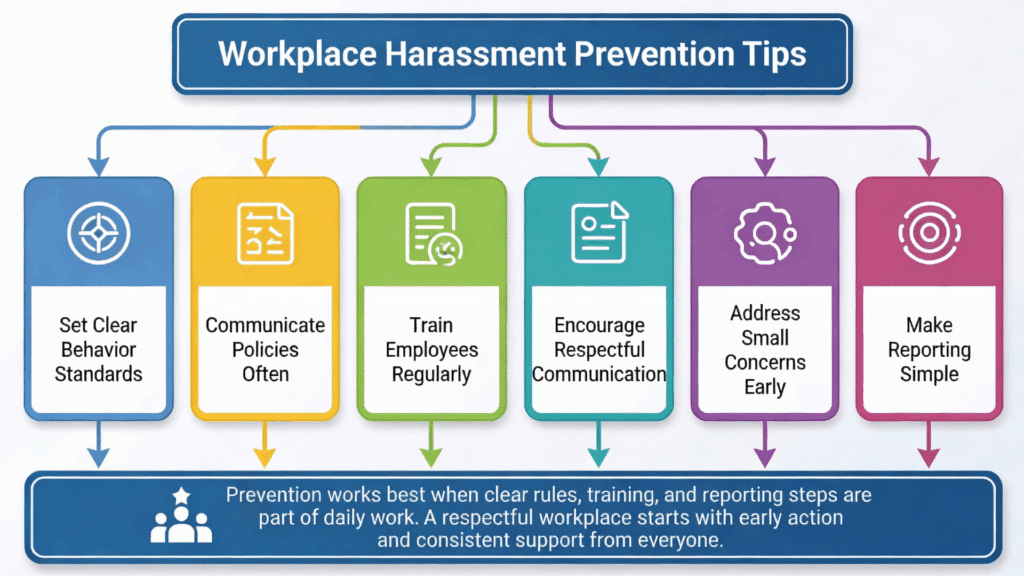
Workplace harassment prevention works best when respect is part of daily work. Clear rules, regular training, and quick action can help create a safer workplace.
- Set clear behavior standards for how employees should treat each other.
- Communicate harassment policies often through meetings, onboarding, and internal updates.
- Train employees regularly so they can identify harassment and know how to report it.
- Encourage respectful communication in conversations, meetings, emails, and chats.
- Address small concerns early before they grow into larger workplace issues.
- Make reporting steps simple, private, and easy for employees to access.
Preventing harassment takes consistent action from the whole organization. When employees understand the rules and feel safe speaking up, the workplace becomes more respectful and supportive.
The Role of HR in Addressing Workplace Harassment
HR plays an important role in preventing and handling workplace harassment.
HR should create clear policies, explain reporting procedures, train employees, and ensure every complaint is taken seriously.
When a concern is reported, HR should respond quickly, document the details, and conduct a fair investigation.
HR should also protect employees from retaliation and make sure the workplace remains safe, respectful, and supportive.
Signs of Workplace Harassment Managers Should Watch For
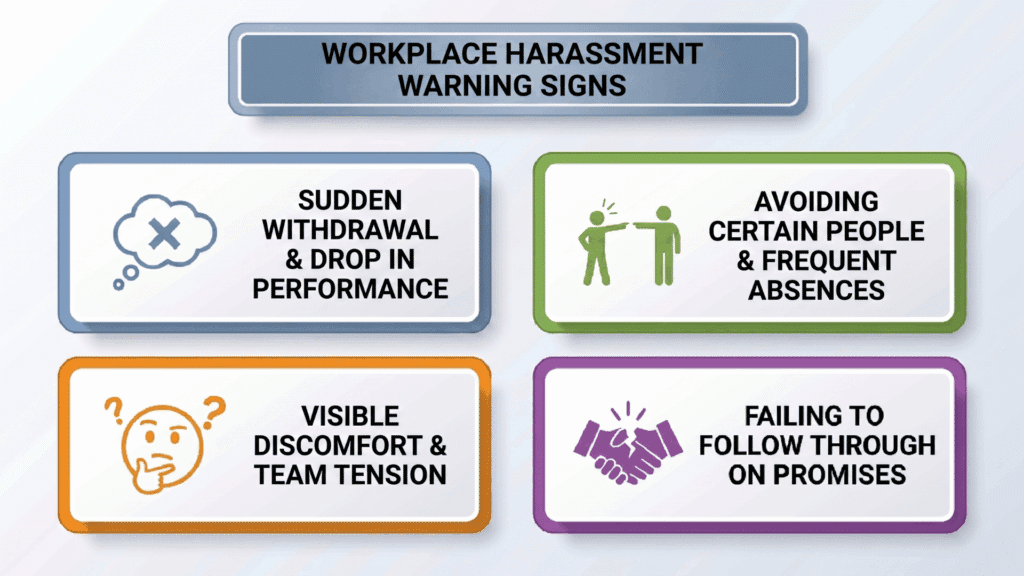
Managers should pay attention to small changes in behavior, communication, and team dynamics. These signs can help identify workplace harassment before it becomes more serious.
- Sudden Withdrawal: An employee may become quiet, avoid meetings, or stop joining team conversations.
- Drop in Performance: Harassment can impair focus, undermine confidence, and reduce overall work quality.
- Avoiding Certain People: An employee may choose not to work with a specific manager, coworker, client, or vendor.
- Frequent Absences: Stress from harassment may lead to more sick days, late arrivals, or early exits.
- Visible Discomfort: Employees may seem anxious, upset, or tense after certain interactions.
- Team Tension: Gossip, exclusion, rude comments, or repeated conflict may point to a larger issue.
Managers should not ignore these warning signs. Early attention, private check-ins, and clear reporting steps can help protect employees and prevent further harm.
Workplace Harassment Examples Shared on Reddit
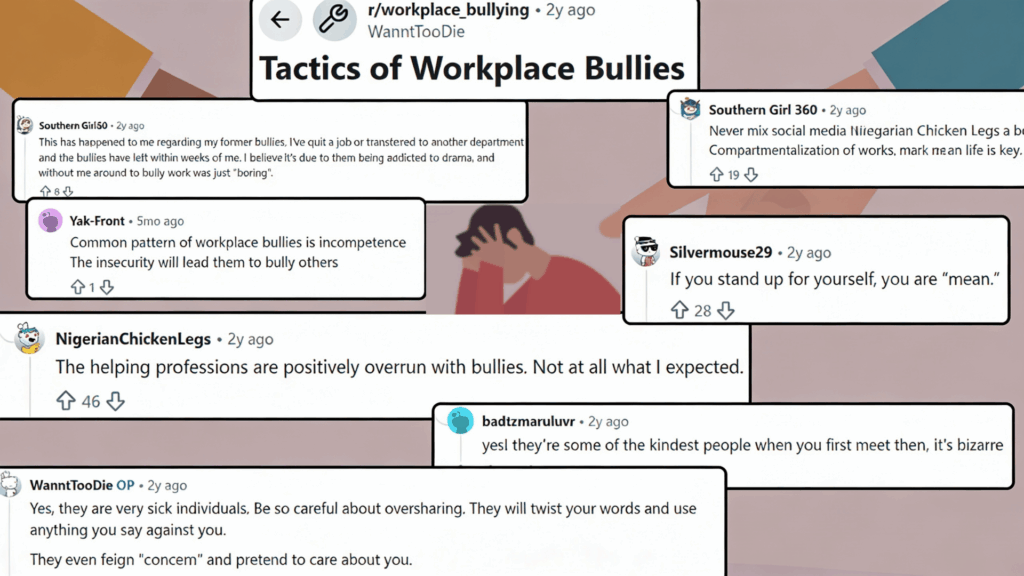
A Reddit discussion about workplace bullying shared real-life examples of workplace harassment that employees may face in different office settings.
Some comments cited gossip, blame, intimidation, and the misuse of personal information as common signs of harmful workplace behavior.
Others showed how employees who speak up may be labeled as difficult, even when they are setting fair boundaries.
A recurring point throughout the thread was that examples of workplace harassment are not always obvious at first, but repeated patterns can harm confidence and team morale.
Several users also warned that bullying can spread when managers ignore early signs or allow toxic behavior to continue.
The overall tone of the discussion was direct and cautious, with many people agreeing that clear boundaries, documentation, and early reporting matter.
Final Thoughts
Understanding real workplace harassment examples helps organizations and employees act early, protect everyone, and maintain a positive work environment.
Recognizing the signs and knowing the steps to report or prevent harassment reduce stress, build trust, and keep teams focused on their work.
Clear policies, open communication, and training create a safer space where employees feel valued and supported.
Review your policies and make sure your team knows how to report issues. Protect employees by implementing anti-harassment measures today.
Comment below if you’ve seen or experienced workplace harassment and want to share strategies or insights.
Frequently Asked Questions
Can I Be Sued for Harassment Even if I Have a Strong Anti-Harassment Policy?
Yes, a policy alone does not prevent lawsuits. Employers must also enforce the policy, investigate complaints, and take proper action.
Can Workplace Harassment Happen Outside the Office?
Yes, workplace harassment can happen during work events, business trips, online meetings, or work-related chats.
What Is the Difference Between Workplace Harassment and a Hostile Work Environment?
Harassment is the unwanted behavior itself. A hostile work environment happens when harassment becomes severe or repeated enough to make the workplace intimidating or abusive.