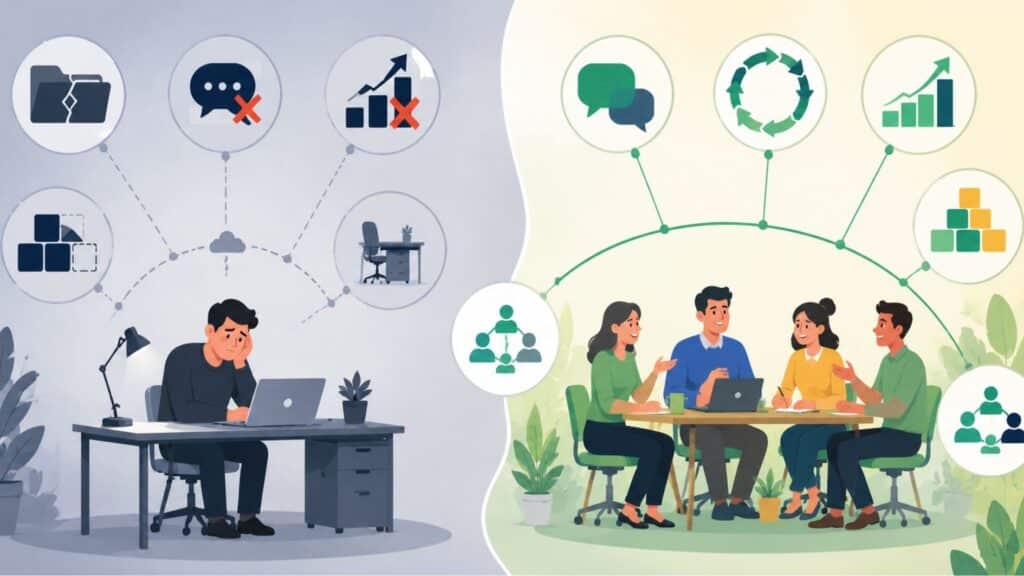

The workplace has changed significantly over the past few years. Organizations are rethinking old structures, and employees are asking for more flexibility and support than ever before.
Remote work, digital tools, and new communication methods have shifted how people do their jobs, collaborate in teams, and build their careers.
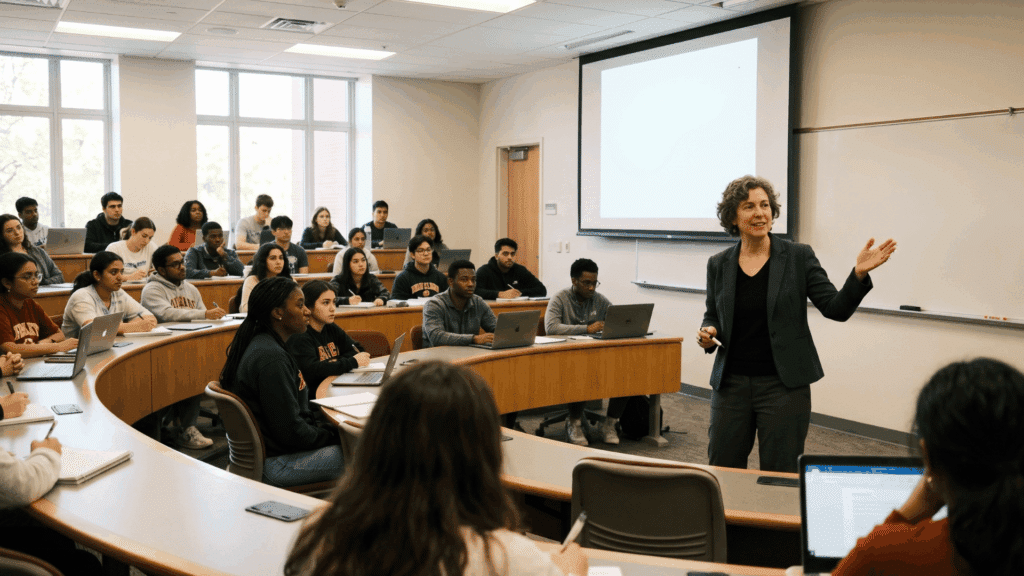
Educators and industry experts are dedicating full lessons to helping students understand the forces reshaping modern work environments.
This blog lists the four workplace trends from the lecture in simple, clear words so you can study, review, or reference them without confusion.
What Workplace Trends Mean?
Workplace trends are the major changes shaping how companies hire, manage teams, use tools, and support employees.
In simple words, a workplace trend is a noticeable shift in the way businesses operate or the way people work.
These are broad patterns that affect entire industries, job roles, and work cultures over time. Teachers and lecturers discuss these trends because they prepare students for the work.
Knowing what is changing in the job market helps students make smarter career choices and understand what employers expect.
Four Workplace Trends Discussed in The Lecture

Workplaces are changing rapidly, and this lecture lists the four workplace trends discussed to help students and professionals stay informed and up to date.
1. More Remote Work
When you list the four workplace trends discussed in the lecture, remote work stands out as one of the most significant shifts in how people do their jobs today.
- Definition in Simple Words: Remote work means employees complete their job duties from outside the office using digital tools and internet connections instead of commuting daily.
- Why It Became Common: The COVID-19 pandemic forced businesses to go online overnight, and many companies kept remote work permanently after finding productivity remained strong.
- Example from Modern Workplaces: Many large companies now hire employees from different cities and conduct all meetings and collaboration online.
2. More Flexibility
Flexible work arrangements have changed how employees manage their time, giving them more control over when and where they work.
- What Flexibility Means at Work: Flexibility gives employees the option to choose their working hours or location rather than following a strict nine-to-five office routine.
- Why Companies Now Offer It: Research shows that flexible work reduces stress, lowers employee turnover, and increases overall job satisfaction across different industries.
- Example from Modern Workplaces: Some companies allow employees to start anytime between 7 AM and 10 AM, as long as they complete the required hours and meet deadlines.
3. Gender Equality
Workplaces today are actively working to close the gap between male and female employees in pay, opportunities, and representation.
- What Gender Equality Means at Work: It means all employees, regardless of gender, receive fair pay, equal promotion chances, and the same level of professional respect.
- Why It Matters Today: Companies with gender-balanced teams perform better, make stronger decisions, and build more positive work cultures over time.
- How Organizations Apply It: Businesses are setting targets for female leadership, auditing pay gaps, and creating policies that support equal treatment across all departments.
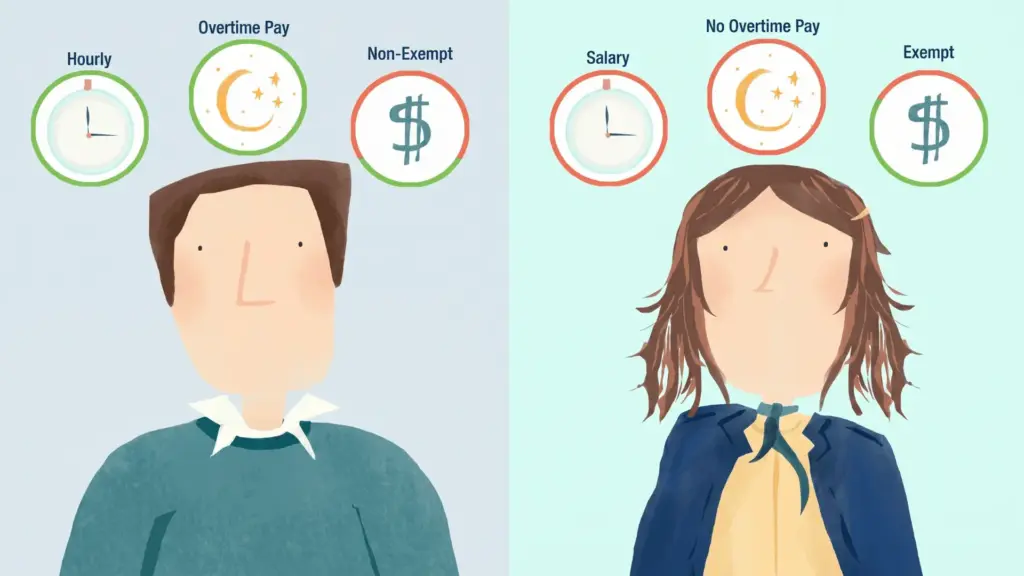
4. New Laws for Overtime
To complete the list of four workplace trends discussed in the lecture, new overtime laws represent a key legal shift that directly affects how companies pay and manage their workforce.
- What the New Overtime Laws Mean: These are updated government regulations requiring employers to pay additional wages when workers exceed standard hours, ensuring fair compensation.
- Why These Laws are Being Updated: As work patterns change, older labor laws no longer reflect how people actually work, pushing governments to strengthen worker protections.
- How It Affects Employees and Employers: Employers must now carefully track hours and budget for overtime costs, while employees gain stronger legal protection against unpaid overtime.
Why These Four Workplace Trends Matter Today?
These four trends matter because they shape what employers expect, what workers need to learn, and how companies support people on the job.
Each of these trends has a direct impact on hiring decisions, team structures, and the skills companies now look for in new candidates.
When students list the four workplace trends discussed in the lecture, they begin to see how closely connected academic content is to real hiring practices.
It helps them prepare better resumes, ask the right questions in interviews, and choose training programs that are actually useful.
For students reviewing lecture material, knowing why these trends matter adds context, turning a simple list into something meaningful and applicable to real working situations.
How Different Groups Can Benefit from These Trends?
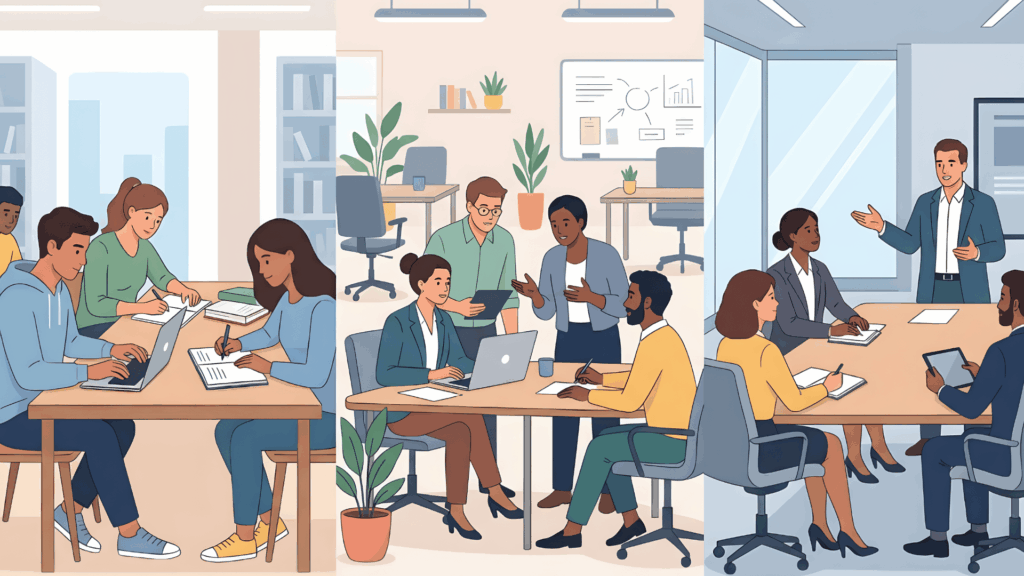
These workplace trends are not just topics to memorize for an exam. When students list the four workplace trends discussed in the lecture, they quickly realize these shifts have real, practical value.
1. Students
Knowing these trends early gives students a clear advantage when entering the job market for the first time.
- Use these trends to identify which skills are currently in demand in the job market
- Reference them in assignments, presentations, or group discussions to add real-world context
- Keep them in mind when choosing internships, part-time jobs, or career paths after graduation
- Mention them in job interviews to show employers that you understand the current work environment
2. Working Professionals
These trends help working professionals stay relevant, make better career decisions, and grow faster in their field.
- Use these trends to evaluate if your current skills match what companies need right now.
- Share them with your team or manager to start conversations about workplace improvement.
- Apply them when planning your next career step or considering a job change.
- Use them to identify knowledge gaps and pursue short courses or certifications that add real value to your profile.
- Pay attention to how these trends are playing out in your current workplace, and use that awareness to position yourself for growth opportunities.
3. Managers
For those in leadership roles, these trends act as a practical guide to building stronger, more future-ready teams. Critical guide to building stronger, more future-ready teams.
- Use these trends as a checklist to measure how well the company is adapting to current changes.
- Build training programs around areas where the team may be falling behind.
- Adjust hiring criteria and job descriptions to reflect the modern workplace’s requirements.
- Create a work culture where employees feel supported, heard, and motivated to perform at their best.
- Review current management practices regularly to make sure they match the expectations of today’s workforce.
Final Thoughts
Understanding workplace trends is no longer optional. It is a basic requirement for anyone looking to build a strong career or run a successful team.
The four trends that make up the list of four workplace trends discussed in the lecture give a clear picture of where the working world is headed and what both employees and organizations need to do to keep up.
If you are a student preparing for exams or a professional planning your next career move, these trends provide a solid foundation for informed decision-making.
If this blog helped you get a clear picture of the four workplace trends discussed in the lecture, share it with a classmate or colleague who might find it useful.
Frequently Asked Questions
Are Workplace Trends the Same in Every Industry?
No, trends can vary. Some industries adopt change more quickly than others, depending on their needs.
Can Small Businesses Follow These Workplace Trends?
Yes, small businesses can adapt these trends in simpler ways based on their resources.
Do Workplace Trends Affect Company Culture?
Yes, they change how teams communicate, collaborate, and build relationships at work.