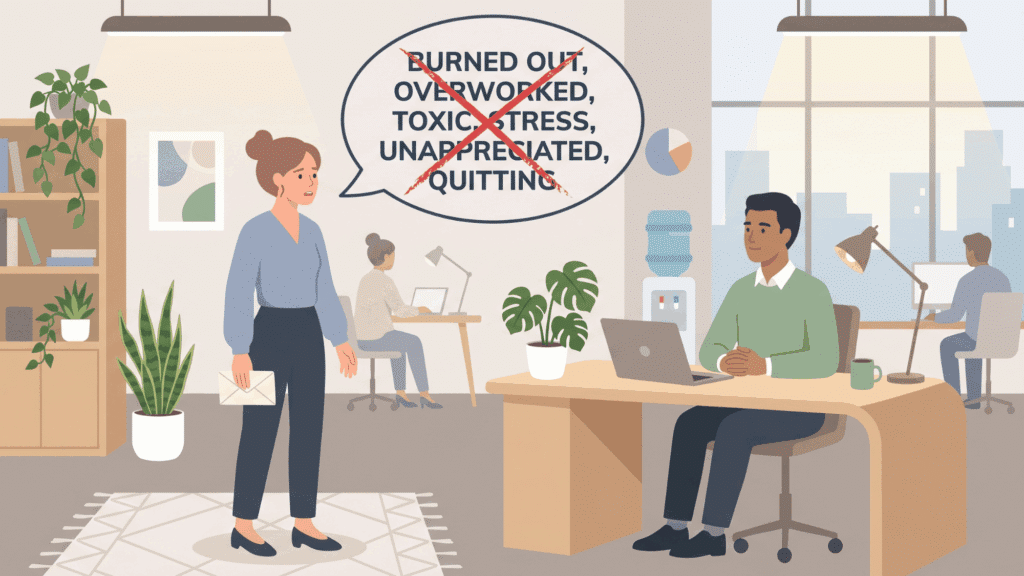

Leaving a job is a big moment, and how it is handled matters more than most people realize.
In the mix of emotions that come with resignation, relief, frustration, or excitement, it can be surprisingly easy to say the wrong thing at the wrong time.
Understanding patterns like the reasons people resign can help you stay aware of what led to the decision.
Professional reputations are built over years but can be damaged in a single conversation. Before handing in that resignation letter, it is worth knowing exactly what to avoid saying and why it matters.
Why Leaving a Job Professionally Affects Future Opportunities?
Leaving a job professionally can have a lasting impact on your future opportunities.
How you exit a role can have a lasting impact on your future opportunities, and being aware of the reasons for leave helps your organization handle those transitions more responsibly.
A respectful and positive exit helps maintain strong professional relationships, which can be useful for references or networking later. On the other hand, negative or emotional behavior can damage your reputation.
Many industries are closely connected, and word can spread quickly. Employers may even contact your previous workplace before hiring you. By handling your exit professionally, you show maturity and reliability.
What Not to Say when Leaving a Job?
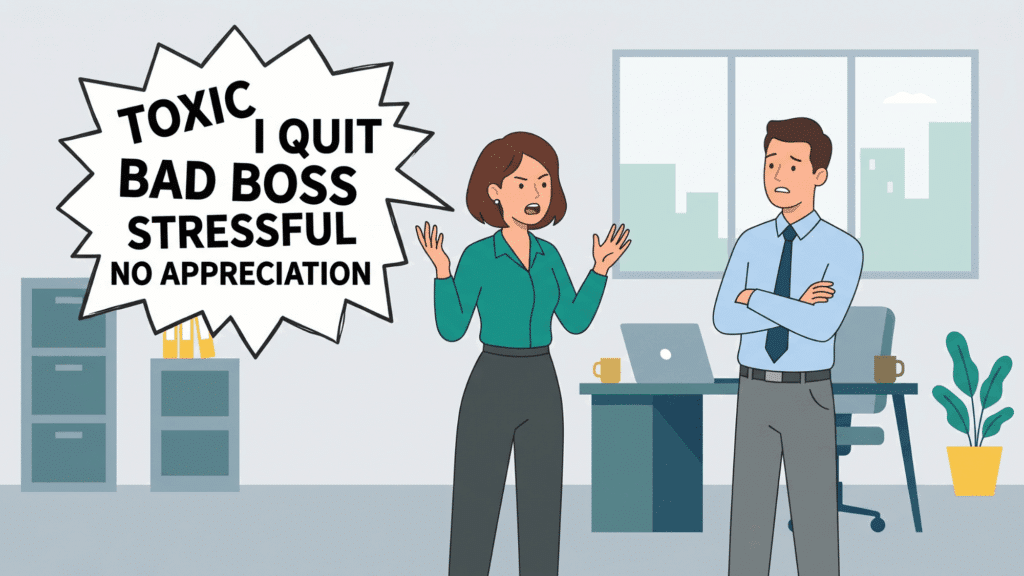
When leaving a job, many people make the mistake of speaking emotionally or sharing too much. Negative comments, complaints, or unprofessional remarks can leave a bad impression.
1. Speaking Negatively About Your Boss or Company
Avoid criticizing your manager or company when you leave. Saying things like “This place is terrible” or “My boss is the worst” reflects poorly on you.
It can make you seem difficult to work with and unprofessional. Even if your concerns are valid, it’s better to keep your comments neutral. Maintaining respect helps protect your reputation.
2. Sharing Too Much Personal or Salary Information
You are not required to share details about your new job, salary, or personal reasons. Oversharing can create unnecessary discussions or comparisons.
It may also make others uncomfortable or lead to workplace tension. Keep your explanation simple and focused. A short and polite response is enough.
3. Using Emotional or Harsh Statements
Statements like “I hate this job” or “I’m finally free” can damage relationships. Emotional reactions may feel justified in the moment, but they can have long-term consequences.
These remarks can make your exit seem unprofessional. It’s always better to stay calm and composed. A respectful tone leaves a better impression.
4. Giving Too Many Complaints or Explanations
Listing multiple problems or complaints during your exit can create a negative impression. It may also make it seem like you are blaming others. Instead of going into detail, keep your reason brief and professional.
Focus on your future rather than past issues. This approach helps maintain a positive image.
5. Threatening or Using Offers as Leverage
Saying things like “Match this offer, or I’ll leave” can harm trust with your employer. It may come across as manipulative or unprofessional.
Even if you have another offer, avoid using it as a threat. Decisions should be made respectfully. A clean and honest exit is always better.
Real Examples of What Not to Say when Leaving a Job
Here are real-life examples from professionals that show what not to say when leaving a job and how certain statements can negatively impact your reputation.
1. “I hate this job and I’m done.”
Many users openly express frustration before quitting. While relatable, such emotional statements can make you appear impulsive and unprofessional. This can affect how employers remember you and how they refer to you in the future.- Reddit
2.“My boss is the reason I’m leaving.”
Employees frequently share that poor leadership led them to quit. However, directly blaming a manager during exit can damage relationships and raise concerns about your professionalism with future employers. – Reddit
3. “This company is toxic.”
Many users describe their workplace as toxic. While this may be true, saying it directly without context can sound harsh and unconstructive, potentially burning bridges and affecting your professional image. – Reddit
4. “I found something way better than this.”
Reddit users often talk about leaving for better opportunities. However, openly comparing jobs during exit can come across as arrogant and disrespectful, leaving a negative impression on your employer. – Reddit
What You Should Say Instead: Better Alternatives
These responses keep your exit professional and respectful. Instead of negative statements, focus on positive and future-oriented responses:
- Better Opportunity: “I’ve accepted a role that supports my career growth.”
- Career Change: “I’m moving in a different professional direction.”
- Burnout: “I’m taking time to focus on my well-being and next steps.”
- Work environment issues: “I’m looking for a work environment that better fits my needs.”
- Seeking new challenges: “I’m looking for new challenges that will help me grow and expand my skill set.”
- Better alignment: “I’m pursuing an opportunity that better aligns with my long-term goals.”
- Skill development: “I want to focus on developing new skills and gaining broader experience.”
- Relocation: “I’m relocating and exploring opportunities in a new location.”
The Bottom Line
How a job is left says just as much about a person as how it was done.
Choosing words carefully during the resignation process is not about being dishonest; it is about being professional, composed, and forward-thinking.
The workplace world is smaller than it seems, and the colleagues, managers, and connections left behind today could be references, collaborators, or even employers in the future.
No matter how the experience was, walking out with grace and dignity is always the smartest move.