

People often ask, what are the working conditions , especially when looking at jobs in different countries. The answer is not just about salary or working hours.
It also includes paid leave, employee rights, workplace safety, flexibility, and work-life balance. In the USA and the European Union, working conditions can vary widely.
Some jobs offer better benefits and flexible schedules, while others may involve longer hours and more pressure. These differences can affect daily life, health, and job satisfaction.
That’s why it helps to understand how working conditions vary across regions before choosing a job or planning to work abroad.
How Working Conditions Affect Employees?
Working conditions can directly impact an employee’s daily life and overall well-being.
Factors such as long working hours, workplace stress, low pay, and poor safety standards can affect both physical and mental health.
On the other hand, fair pay, flexible schedules, and a positive work environment often lead to better job satisfaction and improved productivity.
Good working conditions also help employees feel valued and motivated, which can reduce stress and lower turnover rates.
Why Working Conditions Differ by Country?
Working conditions can vary a lot from one country to another. Factors such as labor laws, economic growth, workplace culture, and government policies all shape how employees are treated at work.
In some countries, employees receive stronger protections and better benefits, while in others, companies may have more flexibility in setting workplace rules.
Some of the main reasons for these differences include:
- Labor laws: Countries have different rules for minimum wage, overtime pay, paid leave, and workplace safety
- Economic development: Wealthier countries often provide better employee benefits and stronger workplace standards
- Industry standards: Working conditions can depend on the country’s major industries and business practices
- Work-life balance culture: Some countries place more importance on personal time and shorter working hours
- Government regulations: Strict labor policies can improve employee protection and job security
- Trade unions: Strong unions often help employees negotiate for better pay, benefits, and safer workplaces
Key Areas That Shape Working Conditions

Working conditions can vary depending on the industry, company, and state laws. Still, there are some common factors that shape how employees experience work across the country.
These include work hours, employee benefits, workplace culture, job security, and work flexibility.
1. Working Hours and Overtime
Most full-time employees in the USA work around 40 hours per week, usually divided into five working days. However, schedules can vary depending on the industry and job role.
Employees in healthcare, transportation, retail, and finance often work overtime, night shifts, or extended hours during busy periods.
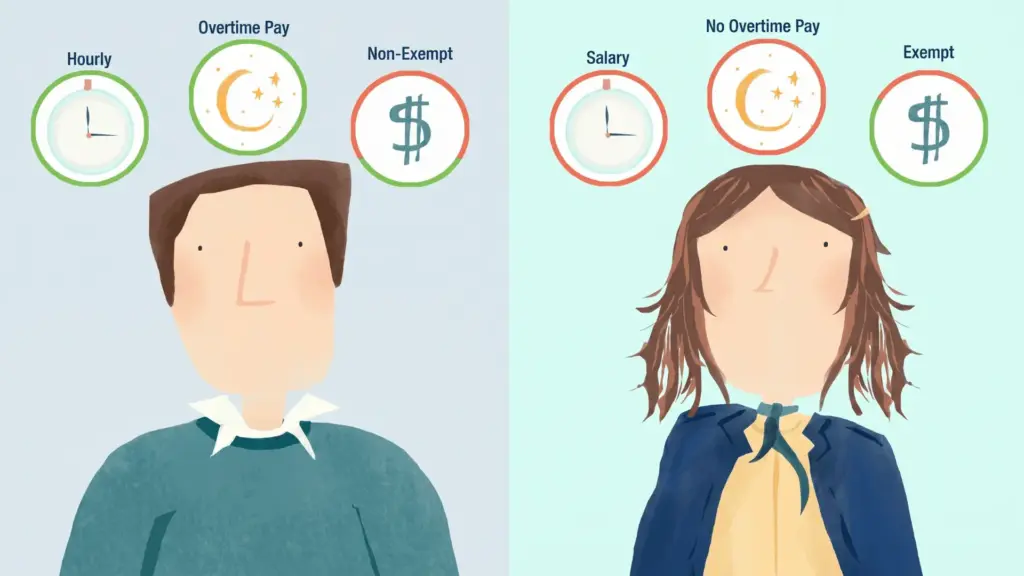
The Fair Labor Standards Act (FLSA) establishes federal minimum wage and overtime pay requirements. Eligible employees generally must receive overtime pay for hours worked beyond 40 per week.
2. Employee Benefits and Compensation
Employee benefits can vary widely across companies, but many employers offer health insurance, retirement savings plans, paid vacation, and sick leave.
Larger organizations may also offer dental coverage, parental leave, tuition assistance, and employee wellness programs.
Retirement benefits often include 401(k) plans, where employers may match employee contributions. Information about workplace retirement and employee benefits is available from the US Department of Labor.
3. Workplace Culture and Expectations
Workplace culture in the is often centered around productivity, performance, and meeting deadlines. Employees are generally expected to communicate professionally, work independently, and adapt quickly to changing responsibilities.
In many industries, performance reviews and measurable targets play an important role in career growth. Some workplaces encourage teamwork and flexibility, while others may have highly competitive environments.
4. Work-Life Balance
Maintaining work-life balance can be difficult for many employees, especially in demanding industries with long hours and high workloads.
Stress and burnout are common concerns, particularly among workers in healthcare, technology, and corporate roles.
Flexible schedules, mental health support, and wellness programs are becoming more common.Mental health resources and workplace wellbeing information are available through the Occupational Safety and Health Administration.
5. Employee Rights and Job Security
Employees are protected by federal and state labor laws related to workplace safety, discrimination, wages, and harassment.
Agencies like OSHA help enforce workplace safety standards, while the Equal Employment Opportunity Commission (EEOC) handles discrimination complaints.
6. Remote and Flexible Work Options
Remote and hybrid work options have become much more common across the world, especially after the COVID-19 pandemic.
Industries such as technology, customer service, education, and marketing continue to lead the adoption of remote work.
Some companies allow fully remote work, while others use hybrid models where employees split time between home and the office. The US Bureau of Labor Statistics (BLS) regularly updates workplace flexibility trends and labor statistics.
Comparing Working Conditions in the USA and the European Union
Working conditions in the USA and the European Union differ in several important ways. These differences can affect daily work life, financial security, and overall employee wellbeing.
| Factor | USA | European Union |
|---|---|---|
| Work Hours | Commonly 40+ hours per week | Stricter limits on weekly work hours |
| Paid Leave | Limited paid vacation in many jobs | Longer paid vacation and public holidays |
| Healthcare Benefits | Often employer-based insurance | Public healthcare systems in many countries |
| Job Protections | At-will employment common | Stronger employee protection laws |
| Work-Life Balance | Longer hours in some industries | Greater focus on personal time and balance |
Remote Work and Working Conditions

Remote work is changing working conditions for employees across many industries and countries.
Many companies now offer flexible schedules, hybrid work models, and remote work options to improve employee satisfaction and productivity.
This shift has also changed how people manage their daily routines, communication, and work-life balance.
While remote work offers more flexibility, it can also create challenges related to stress, isolation, and maintaining clear work boundaries.
- Flexible work hours and hybrid schedules
- Reduced commuting time and travel expenses
- Better work-life balance for many employees
- Increased use of online communication tools
- Challenges related to stress and isolation
Evaluating Working Conditions Before a Job Offer
Before accepting a job offer, it’s important to understand what are the working conditions at the company and in the country where you plan to work. Looking beyond salary can help you avoid problems later and choose a workplace that fits your needs and expectations.
- Research company reviews: Read employee reviews to learn about workplace culture, management, and employee experiences
- Compare benefits packages: Check health insurance, paid leave, retirement plans, and other employee benefits
- Understand local labor laws: Learn about employee rights, overtime rules, and workplace protections in that region
- Ask about flexibility and culture: Understand work hours, remote work options, and expectations around communication and productivity
- Review employment contracts carefully: Read all terms related to salary, leave policies, notice periods, and job responsibilities before signing
Final Thoughts
Working conditions affect more than salary or office hours. Understanding what are the working conditions in different countries can help employees compare job opportunities, workplace culture, employee rights, flexibility, and benefits more effectively.
These factors directly impact health, productivity, work-life balance, and long-term career satisfaction.
As remote work and global hiring continue to grow, researching workplace standards before accepting a job is more important than ever.
Compare company policies, benefits, and expectations carefully to choose a healthier and more supportive work environment.
Start evaluating working conditions today to build a more stable, rewarding, and successful career.
Frequently Asked Questions
What are the Top 5 Skills for Work?
Some of the most important work skills include communication, teamwork, problem-solving, time management, and adaptability. These skills help employees perform better and work well with others.
What Are the Working Styles?
Working styles refer to how people approach their jobs and tasks. Some people prefer independent work, while others work better in team-based or flexible environments.
What Are Good Work Habits?
Good work habits include being punctual, staying organized, meeting deadlines, and communicating professionally. These habits can improve productivity and workplace relationships.