

Memorial Day comes around, and a simple question pops up: Is Memorial Day time and a half? It seems like it should be.
It’s a federal holiday, and many people expect extra pay or a day off.
But once you check how pay actually works, it’s not that simple. Some people earn more, while others get their usual pay, and that’s where the confusion begins.
So before you count on extra money, it’s important to understand what really decides your pay on Memorial Day and why the answer can be different for each person.
Why Some Employees Get Extra Pay While Others Don’t?
Memorial Day is not automatically time-and-a-half. There’s no universal rule that requires employers to pay extra just because it’s a holiday, and it depends on your employer.
Some companies choose to offer higher pay to employees who work that day, especially in industries that don’t close, such as retail, healthcare, and hospitality.
Others treat Memorial Day like a regular workday, with no added pay.
Your job type also matters. Office employees often get the day off, while service and healthcare workers are more likely to work, sometimes with extra pay, but not always.
So, is Memorial Day time and a half, only if your company policy says so or if you qualify for overtime.
What the Law Says About Time and a Half on Memorial Day

The law is pretty clear once you look at it closely. There is no rule that says you must be paid time and a half just because it’s Memorial Day.
Most of the confusion comes from mixing up holiday pay with overtime rules, which are treated very differently. Here’s what the law actually says:
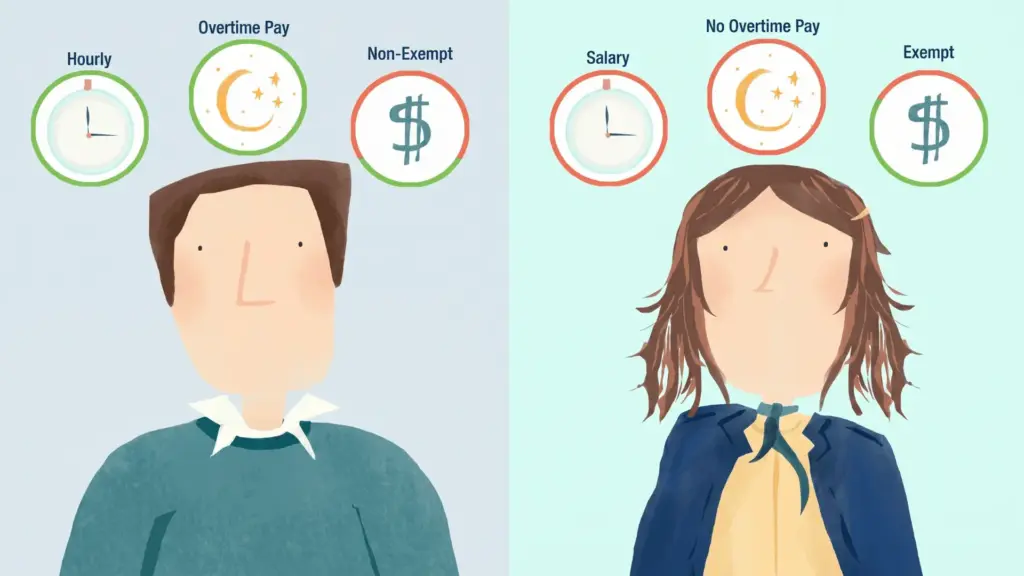
- Overtime rule (FLSA): Time and a half is only required when you work more than 40 hours in a week, not just because it’s a holiday.
- No holiday pay requirement: Employers are not required to pay extra for working on holidays like Memorial Day.
- Holidays Don’t Trigger Overtime: Working on a holiday alone does not qualify for overtime unless total weekly hours exceed 40.
- Extra Pay Is Optional: Any bonus pay, time and a half, or double pay on Memorial Day depends on employer policy or agreements, not a legal obligation
How Employers Decide Holiday Pay Rates?

If you’re trying to figure out if Memorial Day is time and a half, the answer often comes down to how each employer sets their own pay rules. There’s no standard formula that all companies follow.
1. Internal Company Policies
Some employers include Memorial Day as a paid holiday and may offer extra pay for those who work, while others don’t treat it any differently from a normal workday.
In some workplaces, employees might receive time-and-a-half, but in others, they may only get their regular pay.
This is why the answer to whether Memorial Day is a time-and-a-half holiday varies so much. It depends entirely on what your employer has decided and documented.
2. Role and Department Differences
Holiday pay can also vary by role or department. Office-based employees are often given the day off, while teams that handle operations, customer support, or essential services may still need to work.
Even within the same company, some departments might get extra pay while others don’t.
For example, frontline staff who keep the business running on a holiday may receive additional pay, while back-office roles may simply get time off. These differences are based on the importance of each role on that specific day.
3. Business Needs on Holidays
Businesses that stay open on Memorial Day, such as retail stores, hospitals, and transportation services, need employees to work as usual.
To make sure shifts are covered, some employers offer higher pay or other incentives. However, not all companies do this.
In many cases, working on holidays is already expected as part of the job, especially in industries that operate year-round.
So while some employees may earn extra, others may not, depending on how the business manages staffing and demand on that day.
Extra Pay Vs Comp Time: What’s the Difference
If you’re unsure if you’ll get extra pay or time off instead, it helps to understand the difference. Below is a simple table that breaks it down clearly.
| Aspect | Extra Pay | Comp Time |
|---|---|---|
| Meaning | Higher pay for working on a holiday | Time off given later instead of extra pay |
| Payment | Paid at regular or higher rate (sometimes time and a half) | No extra money, just paid leave later |
| When Used | Common in private companies | More common in government or certain roles |
| Benefit Type | Immediate financial gain | Future time off |
| Flexibility | Fixed pay on that day | Leave can be used later |
Memorial Day Work Patterns and Pay: What Most Employees Get Wrong
Many employees head into Memorial Day weekend with assumptions about time off and extra pay that simply don’t hold up against the reality of how most workplaces actually operate.
Myth: Service roles like restaurants and hotels get the day off on Memorial Day.
Fact: In reality, most restaurants, hotels, and hospitality businesses stay fully open, and employees work their regular shifts to meet customer demand.
Myth: Working on Memorial Day guarantees time-and-a-half pay.
Fact: Federal law does not require employers to pay a premium rate for holiday work. Extra pay on Memorial Day depends entirely on a company’s internal policy.
Myth: Federal holidays mean automatic paid time off for all workers.
Fact: Federal holidays apply only to federal government employees. Private-sector workers receive time off only if their employer’s policy specifically provides for it.
Myth: Healthcare workers get Memorial Day off like most other employees.
Fact: Hospitals, clinics, and care facilities operate around the clock every day of the year. Holiday shifts are a standard part of the job in healthcare.
Myth: All employees at the same company are treated the same on Memorial Day.
Fact: Company policies often differ by role, department, or employment type. Full-time, part-time, and contract workers may have completely different holiday benefits under the same roof.
The Bottom Line
So, is Memorial Day time and a half? In most cases, no. There’s no rule that guarantees extra pay just because it’s a holiday.
What you earn depends on your total hours, your role, and your employer’s policy. Some workers may get higher pay, while others are paid the same as on any regular day.
The key is not to assume; check your company’s guidelines or speak with HR so you know exactly what applies to you.