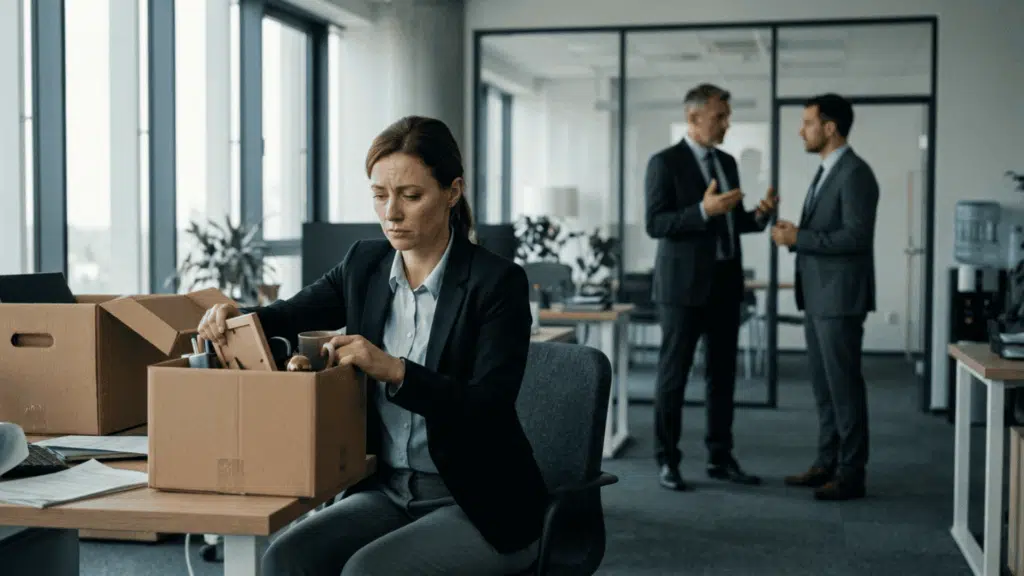

Most people assume that quitting a job is always a personal choice. But that is not always the case.
Sometimes, the conditions at work get so bad that leaving feels like the only option. In some cases, the law may treat the resignation differently.
Constructive discharge and constructive termination may involve important legal consequences.
This guide breaks down what the law says, how courts review these claims, and what employees should know before making any decisions.
What Is Constructive Discharge?
Constructive discharge happens when an employee resigns because the employer created or allowed working conditions that would force a reasonable person to quit.
In employment law, the resignation may be treated as termination instead of a voluntary decision to leave. This changes how the resignation may be treated under employment law.
The legal standard focuses mainly on the seriousness of workplace conditions. Not every difficult workplace situation qualifies as constructive termination.
The conditions must be serious enough that a reasonable employee would resign.
Common Signs of Constructive Discharge
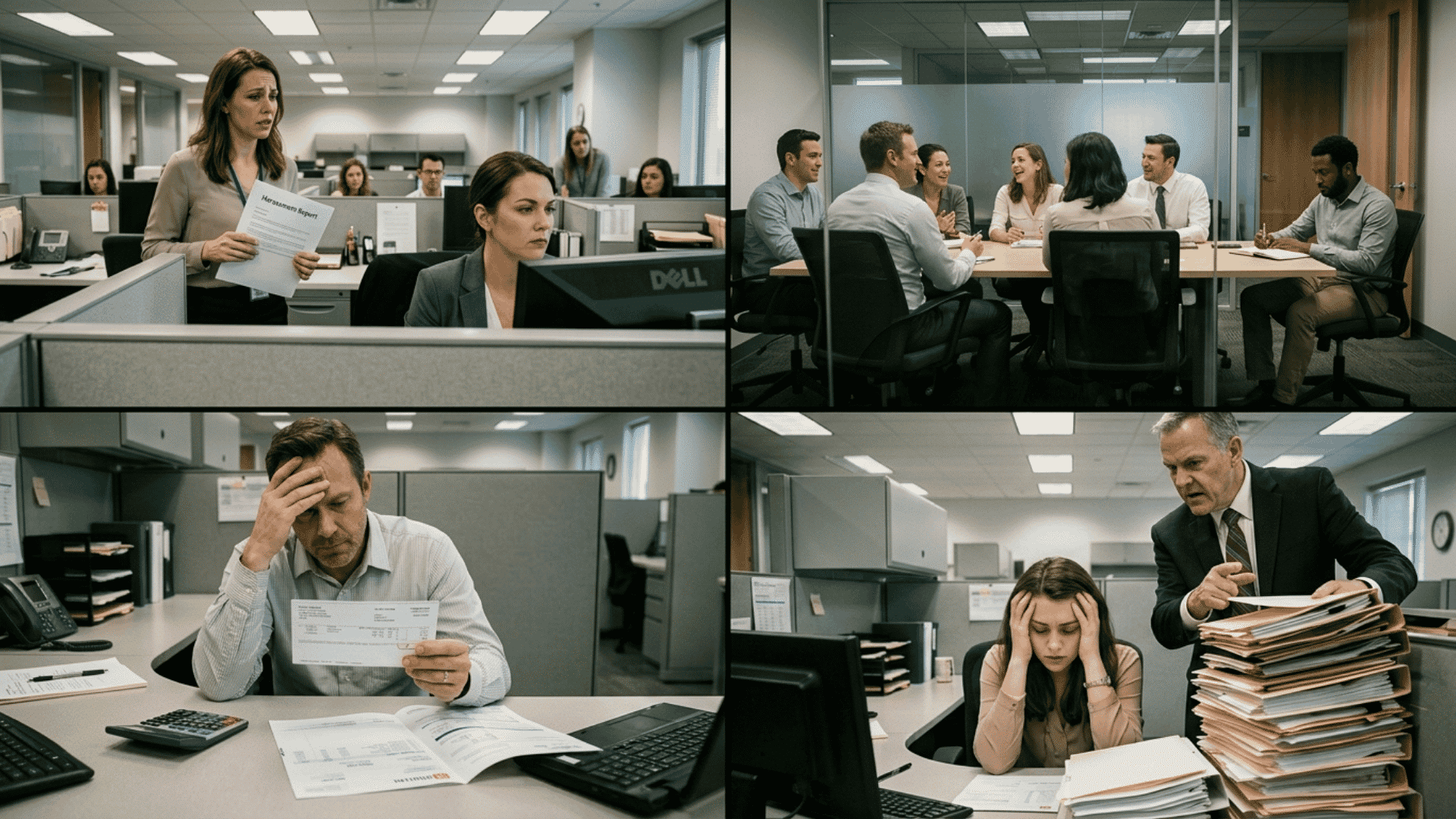
Courts review the seriousness and duration of workplace conditions before deciding whether a resignation was truly forced.
1. Workplace Harassment Without Action
When an employer repeatedly ignores complaints about workplace harassment, the situation can quickly become unbearable. This continued inaction may strengthen a legal claim.
Verbal abuse, constant humiliation, or targeted mistreatment that goes unaddressed by management can all contribute to conditions serious enough to force a reasonable person to resign.
2. Discrimination in the Workplace
Discrimination based on religion, race, gender, age, or disability can create a work environment that feels impossible to stay in.
When an employer fails to address ongoing discriminatory behavior, it may cross the line into a legally forced resignation.
Courts consider whether the discrimination was severe and consistent enough to render continued employment unreasonable for any person in that position.
3. Retaliation at Work
Employees who report misconduct, safety violations, or discrimination sometimes face retaliation from their employer. This can include being sidelined, given undesirable assignments, or treated poorly by management.
Ongoing retaliation without employer action may strengthen a constructive discharge claim.
4. Sudden Pay Cuts
Large, unexpected pay cuts can place serious financial pressure on employees and may signal an attempt to force them out of the workplace. Courts may review whether the reduction made continued employment unreasonable.
If the employer intentionally reduced compensation without a valid reason, it may support a constructive discharge claim.
5. Unsafe Working Conditions
Being required to work in an environment that poses a serious risk to health or safety is another sign that conditions have become unbearable. Employers have a legal duty to maintain a safe workplace.
When repeated safety complaints go ignored, and the risks persist, it may support the argument that resignation was the only reasonable option left.
Legal Impact of Constructive Discharge
Understanding the legal impact helps employees know what rights they may have and what employers could be held responsible for:
- Treated as Wrongful Termination: Courts may classify a forced resignation as wrongful termination, giving employees grounds to pursue legal action.
- Right to File Claims: Employees may seek compensation for lost wages, emotional distress, or other damages based on their specific situation.
- Employer Intent Affects Outcome: If an employer deliberately created or ignored harmful conditions, it can directly influence how the court rules on the case.
- Proof of Conditions Required: Employees must present solid evidence showing that workplace conditions were severe enough to force a reasonable person out.
- State Laws and Deadlines Vary: Legal options and filing timelines differ by state, so acting within the correct window is important.
How Courts Review Constructive Discharge Claims?
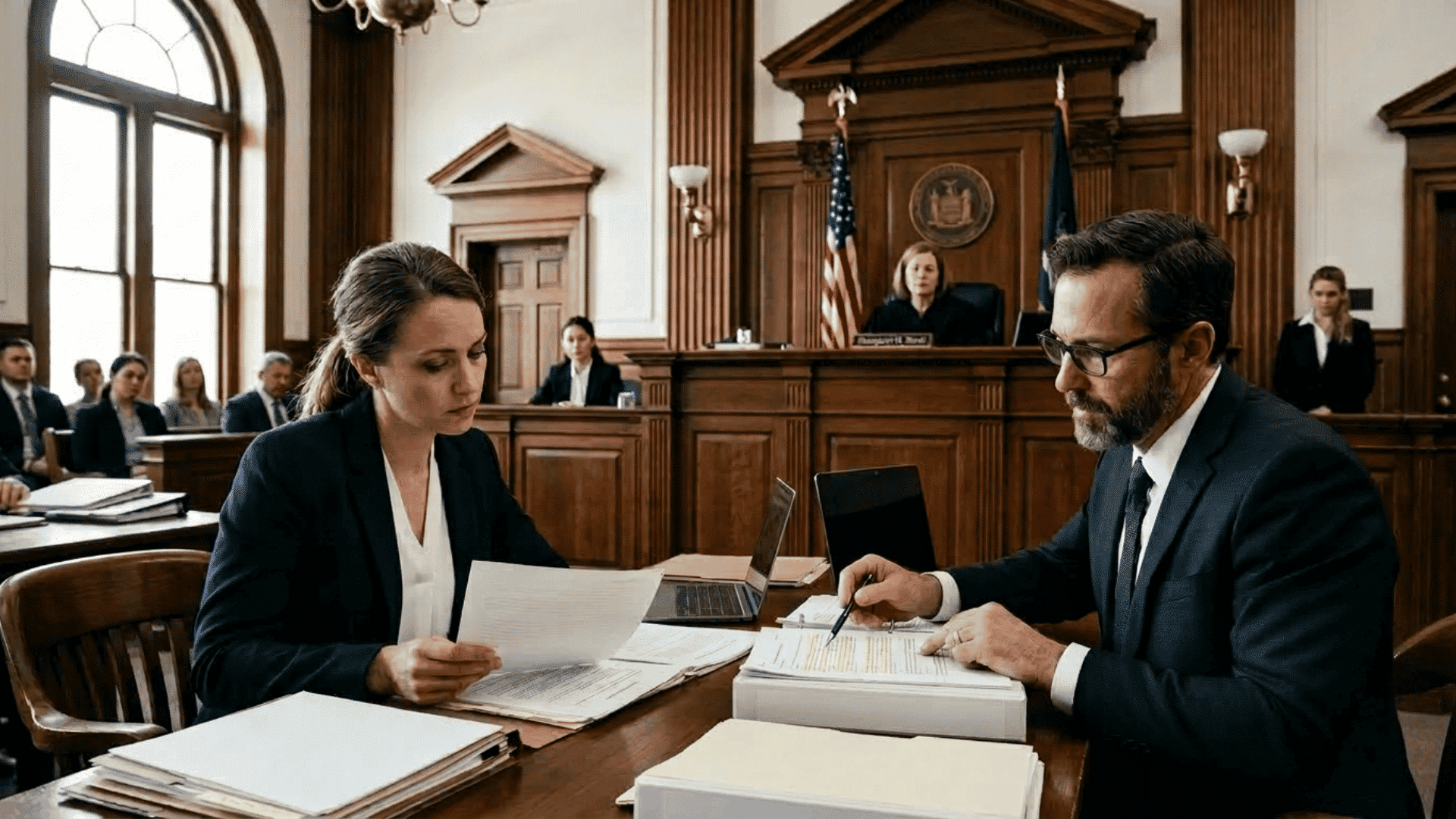
Courts review whether workplace conditions were serious enough to force a reasonable person to resign. They examine the severity of the conduct.
How long the problem continued, and whether the situation went beyond normal workplace stress or occasional conflict.
Judges also consider whether the employer knew about the issue and failed to respond properly.
- Workplace Conditions: Courts examine how severe and continuous the workplace problems were
- Employer Knowledge: Judges review whether the employer ignored or failed to address complaints
- Employee Evidence: Emails, complaints, and company records may support the legal claim
- Timing of Resignation: Leaving shortly after the conduct may strengthen the employee’s argument
What Employees Should Do Before Resigning
Before leaving a job, employees should take a few important steps that may help protect their workplace rights and strengthen any future constructive discharge claim.
- Workplace Records: Keep copies of emails, complaints, reviews, and important workplace communication records
- Written Complaints: Report serious workplace concerns to HR or management through formal written complaints
- Incident Details: Document workplace incidents with dates, details, and names of involved individuals carefully
- Company Policies: Review workplace complaint procedures and employee rights before submitting any resignation
- Legal Guidance: Speak with an employment lawyer about possible claims before leaving the workplace
Constructive Discharge vs. Wrongful Termination
While both involve unlawful workplace treatment, the legal meanings and processes behind each claim differ.
The table below highlights the main differences:
| Factor | Constructive Discharge | Wrongful Termination |
|---|---|---|
| How employment ends | Employee resigns | Employer fires employee |
| Main issue | Forced resignation due to work conditions | Illegal firing decision |
| What the employee must prove | Workplace conditions forced resignation | Termination violated the law |
| Type of employer action | Ongoing workplace conduct | Direct dismissal |
| Common situations | Harassment, retaliation, unsafe conditions | Discrimination, contract violations |
| Evidence used in court | Workplace complaints and employer conduct | Termination records and employer actions |
| Legal focus | Conditions before resignation | Reason for termination |
| Possible legal claim | Resignation treated as termination | Employee challenges the firing |
Final Thoughts
Constructive discharge can have serious legal consequences for both employees and employers, especially when workplace conditions become intolerable.
While not every difficult job situation qualifies as a legal claim, courts may treat a forced resignation differently when strong evidence supports the case.
Understanding these legal standards may help employees protect their workplace rights.
Keeping records, reporting workplace concerns properly, and seeking legal guidance when necessary may help protect important rights in a constructive termination case
Frequently Asked Questions
Can Constructive Discharge Affect Unemployment Benefits?
Yes, employees may still qualify for unemployment benefits if they can show they resigned because workplace conditions became intolerable.
Is Constructive Discharge Hard To Prove?
Yes, these claims can be difficult because employees usually need strong evidence showing the employer created or ignored serious workplace problems.
How Long Do Employees Have To File A Claim?
Filing deadlines depend on state and federal laws. Waiting too long may affect an employee’s ability to pursue legal action.
Can A Single Incident Lead To Constructive Discharge?
In some situations, one serious incident may support a claim, especially if it involves threats, harassment, or unsafe working conditions.