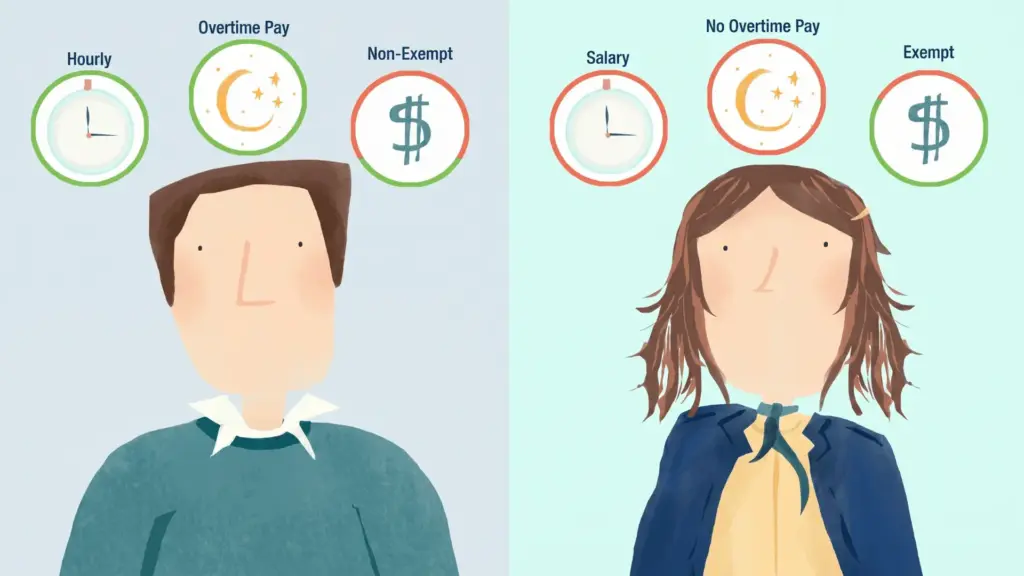


HR paperwork. Compliance deadlines. Payroll errors at 11 PM.
If any of that sounds familiar, you are not the only one. Most business owners are stretched too thin to manage HR properly in-house, and one wrong move can cost thousands in compliance penalties alone.
That is exactly why so many businesses are turning to HR outsourcing. But before making the switch, the biggest question is always the same: how much does HR outsourcing cost?
This guide leads you through every pricing model, hidden fee, and cost factor, so you can figure out whether outsourcing HR is the right financial move for your business.
What Is HR Outsourcing and How Does It Work?
HR outsourcing means hiring an external provider to manage some or all of your HR functions. Before figuring out how much HR outsourcing costs, it is important to understand what it actually covers.
The most common HR functions businesses outsource include payroll processing, recruitment, compliance management, benefits administration, and employee relations.
There are four main types of HR outsourcing: PEO, HRO, Fractional HR, and Project-Based HR.
For most growing businesses and startups, outsourcing HR costs significantly less than hiring a full in-house team, while still giving access to the same level of expertise and support.
Key Factors that Affect HR Outsourcing Costs
Determining the cost of HR outsourcing in your specific situation depends on several key factors. Here is what influences the final price.
- Number of Employees: The more employees you have, the higher your monthly costs. Most providers use per-employee pricing, so your bill grows as your team does.
- Scope of HR Services Outsourced: Outsourcing only payroll costs far less than outsourcing your entire HR function. The more services you add, the more you pay.
- Industry and Compliance Requirements: Businesses in heavily regulated industries, such as healthcare or finance, often pay more due to the added complexity of regulatory requirements.
- Geographic Location: Providers in major metro areas tend to charge higher rates. If your workforce is spread across multiple states, expect additional costs for multi-state compliance.
- Technology and HR Software Integration: Some providers charge extra for integrating their systems with your existing payroll or HR software. This can add up quickly if your tech stack is complex.
Types of HR Outsourcing Services Businesses Can Choose
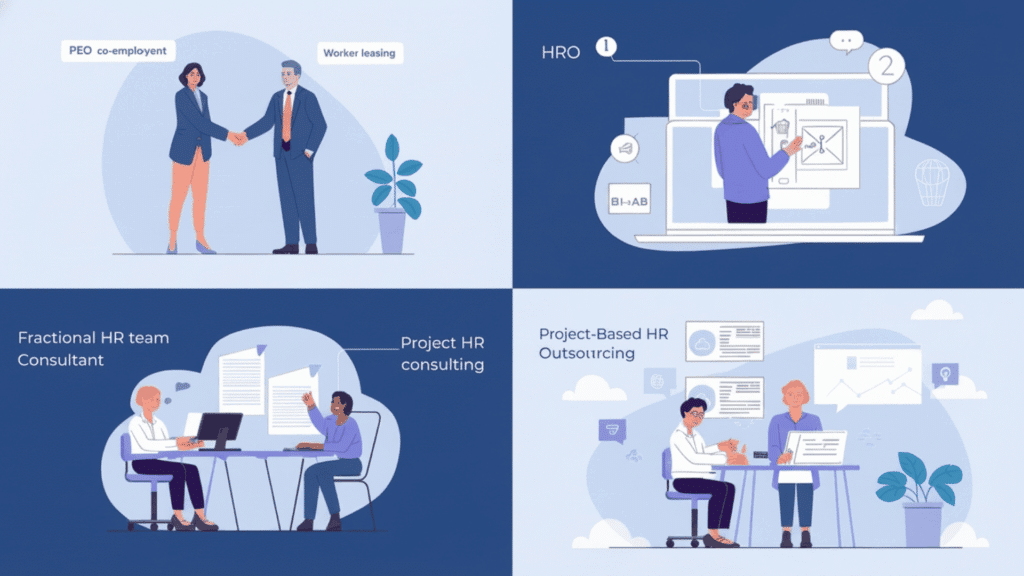
HRO lets you selectively outsource HR functions rather than handing everything over to a single provider.
1. Professional Employer Organization (PEO)
A PEO enters into a co-employment arrangement with your business, handling payroll, benefits, compliance, and risk management on your behalf.
This is a popular choice for companies with smaller teams that want full HR support without building an internal team. Since the PEO becomes a co-employer, it can also offer employees access to better benefits packages at lower costs.
2. Human Resource Outsourcing (HRO)
HRO lets you outsource specific HR functions rather than handing everything over to one provider.
You choose what you need: payroll processing, recruitment, or compliance support, and pay only for those services.
It is a flexible option for businesses that already have some HR infrastructure in place but need extra support in certain areas.
3. Fractional HR Services
Fractional HR gives you access to a part-time HR professional on a contract basis, usually a few hours or days per week.
It works well for startups and growing businesses that need consistent HR guidance but are not ready to commit to a full-time hire. You get real expertise without the full-time salary cost.
4. Project-Based HR Outsourcing
This model is built for one-time or short-term HR needs, such as hiring drives, policy development, or compliance audits.
You bring in an expert for the specific project, pay for the work completed, and the engagement ends there. It is a cost-effective way to handle HR tasks that fall outside your team’s expertise.
HR Outsourcing Cost Breakdown and Pricing Models
HR outsourcing providers do not follow a one-size-fits-all pricing structure. Understanding how each model works helps you compare options and avoid paying for more than you need.
| Pricing Model | Typical Cost | Best For |
|---|---|---|
| Per-Employee-Per-Month | $50 to $150 per employee per month | Businesses with a stable employee count |
| Percentage of Payroll | 2% to 12% of gross payroll | Businesses with lower salary structures |
| Flat Monthly Fee | $1,000 to $5,000 per month | Businesses with predictable HR needs |
| Hourly HR Consulting | $100 to $400 per hour | Businesses with occasional HR needs |
| 1 to 10 employees | $500 to $2,000 per month | Startups and very small businesses |
| 11 to 50 employees | $2,000 to $8,000 per month | Small to growing businesses |
| 51 to 200 employees | $8,000 to $25,000 per month | Mid-sized businesses |
| 200+ employees | Custom pricing | Large businesses with complex HR needs |
Hidden Costs to Consider When Outsourcing HR
Setup and implementation fees can range from $500 to $3,000, depending on the complexity of your business. Some services that appear to be included are actually billed separately.
Background checks, job postings, and additional compliance support often carry their own fees.
Custom integrations with your existing software can add hundreds to thousands of dollars to that. Certain providers also lock you into long-term contracts.
Exiting early can result in penalty fees, so always read the fine print before committing. Knowing these costs upfront helps you compare providers more accurately and avoid surprises on your monthly bill.
How to Choose the Right HR Outsourcing Provider?
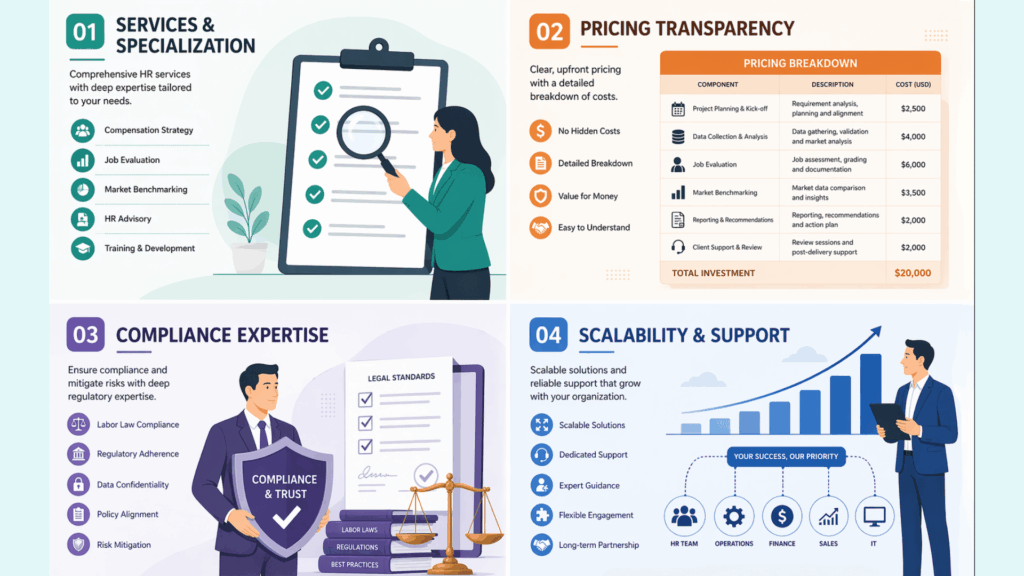
Picking the right HR outsourcing provider can make a real difference to your costs and operations. Here are the key factors to consider before making a decision.
1. Evaluate Services and Specialization
Not every provider offers the same services. Look for one that specializes in what your business actually needs, whether that is payroll, compliance, or full HR management.
A provider with experience in your industry will understand your specific requirements better and deliver more accurate support from day one.
2. Understand Pricing Transparency
A good provider should be upfront about what is included in their pricing. If they are vague about fees or reluctant to break down costs, that is a red flag.
Ask for a detailed quote and make sure you understand exactly what you are paying for before signing anything.
3. Assess Compliance Expertise
HR compliance requirements vary by industry and location. You need a provider that stays up to date on labor laws, tax regulations, and employment standards in your area.
Ask how they handle compliance updates and what happens if a regulatory change affects your business. The answer will tell you a lot.
4. Check Scalability and Support
Your business will grow, and your HR needs will change with it. Choose a provider that can scale its services as your team expands.
Also, check what kind of ongoing support they offer. Dedicated account managers and responsive customer service matter more than most businesses realize until something goes wrong.
Suggested: If you are still comparing options, reviewing some of the HR consulting firms can give you a clearer idea of pricing, services, and what to expect from a reliable provider.
Is HR Outsourcing Worth the Cost for Your Business?
“For most growing companies, outsourcing HR makes strong financial sense. Here are the signs that outsourcing HR is the right financial move for your business:
- Your team is spending more time on HR admin than on actual business growth
- You need payroll and compliance support, but cannot justify a full-time HR hire
- Your business is scaling fast, and HR demands are increasing with it
- You are in a regulated industry where compliance errors can be costly
- Your current HR spending is higher than what outsourcing would cost
- You want to reduce risk, save time, and focus on running your business
Wrapping It Up
Understanding the cost of HR outsourcing comes down to understanding your business needs and matching them to the right pricing model.
From per-employee fees to flat monthly rates, the costs vary widely. But for most small to mid-sized businesses, the savings in time, compliance risk, and overhead make it a financially sound decision.
If you are ready to outsource HR, start by getting detailed quotes from at least three providers. Compare what is included, ask about hidden fees, and check their compliance track record.
The right provider will not just save you money: they will give you the peace of mind to focus on growing your business.
Frequently Asked Questions
How Much Does HR Outsourcing Cost for a Small Business?
For small businesses with 1 to 10 employees, HR outsourcing costs typically range from $500 to $2,000 per month. Companies with 11 to 50 employees can expect to pay between $2,000 and $8,000 per month.
What HR Functions Should Not Be Outsourced?
Functions like conflict resolution, employee relations, performance evaluations, and company culture management are best kept in-house.
What are the Disadvantages of HR Outsourcing?
The main downsides include loss of control over company culture, data security risks, and vendor dependence. Switching providers can also be difficult if you are locked into a long-term contract.