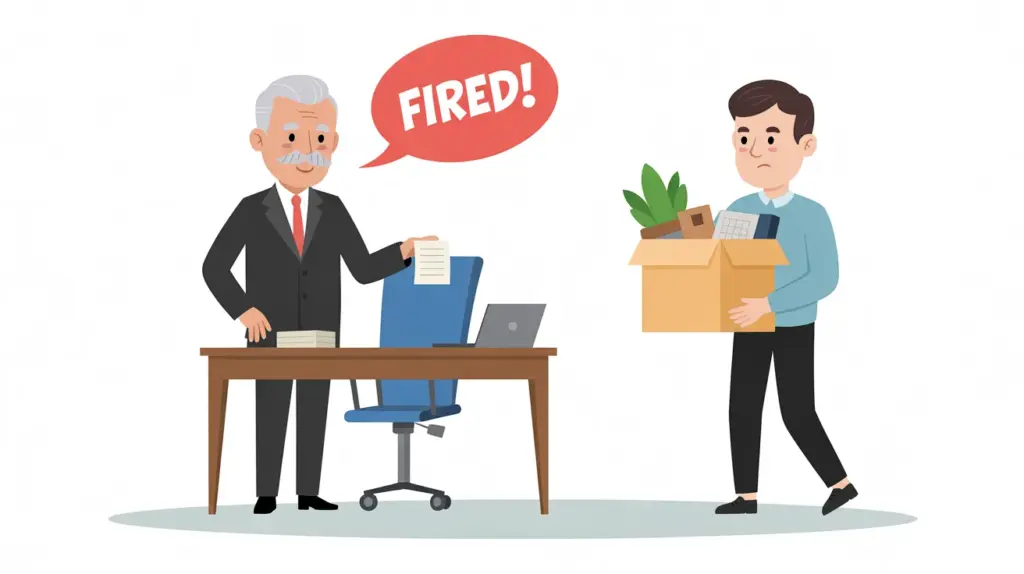

Losing a job or letting someone go is never simple, but understanding why it happens makes all the difference.
Whether you’re an employer trying to handle terminations the right way or an employee trying to make sense of what just happened, knowing the reasons for termination helps you act with clarity.
From performance issues and misconduct to legal boundaries and business needs, termination involves a lot more than just a conversation.
Every situation is different, and the details matter.
This blog breaks it all down in a straightforward way, so you know exactly where you stand, what’s lawful, what’s not, and what steps to take next.
What Termination of Employment Means?
Employment termination refers to the end of an employee’s working relationship with an employer. It can happen for many reasons, some initiated by the employer and others by the employee.
It helps to understand the key differences:
- Firing means the employer ends the relationship, usually due to performance or conduct issues.
- Layoffs happen when a role is cut due to business needs, not the employee’s fault.
- Resignation is a voluntary decision made by the employee to leave.
- Redundancy occurs when a position is no longer needed, often due to restructuring.
In the U.S., most employees work under at-will employment. This means either party can end the relationship at any time, for any lawful reason, without prior notice. However, this does not give employers the right to terminate for illegal or discriminatory reasons.
Common Reasons for Termination

Termination doesn’t always come without warning. Most of the time, there are clear, identifiable reasons behind it. Here’s a breakdown of the most common ones.
1. Poor Job Performance
Consistently failing to meet performance expectations is one of the top reasons for termination.
- Failure to meet performance standards: When an employee repeatedly misses targets or delivers subpar work despite feedback and support, it becomes a performance issue employers cannot ignore.
- Ongoing productivity issues: A pattern of low output, missed deadlines, or inability to handle core job responsibilities can lead to termination, especially after corrective measures have been attempted.
2. Workplace Misconduct
Misconduct is a serious matter and often results in immediate termination.
- Harassment or discrimination: Any behavior that creates a hostile work environment, whether based on gender, race, religion, or other protected characteristics, is grounds for dismissal.
- Theft or fraud: Stealing company property, falsifying records, or misusing funds are clear violations that typically lead to termination and possible legal action.
- Workplace violence: Physical altercations, threats, or intimidating behavior put everyone at risk and are not tolerated in any professional setting.
- Ethical violations include conflicts of interest, dishonesty, and any action that compromises the integrity of the organization.
3. Attendance and Reliability Problems
Reliability is a basic job requirement. When an employee consistently fails to meet it, the entire team feels the impact.
- Chronic absenteeism: Frequent unexcused absences disrupt workflow and place extra burden on colleagues.
- Excessive tardiness: Consistently arriving late signals a lack of commitment and negatively affects overall team productivity.
- Job abandonment: When an employee stops showing up without notice or explanation, employers typically treat it as voluntary termination.
4. Violation of Company Policies
Every organization has policies in place for a reason. Repeatedly breaking them is a legitimate ground for termination.
- Code of conduct breaches: Behaviors that violate the company’s stated values and professional standards.
- Confidentiality violations: Sharing sensitive business information, trade secrets, or client data without authorization is a serious offense.
- Misuse of company property or data: Using company resources for personal gain or accessing data without permission can result in immediate dismissal.
5. Insubordination
Employees are expected to follow reasonable workplace directives. Refusing to do so is a problem.
- Refusal to follow lawful instructions: Deliberately ignoring a manager’s legitimate requests without valid reason falls under insubordination.
- Disruptive or noncompliant behavior: Constantly challenging authority, stirring conflict, or refusing to comply with workplace norms creates a difficult environment and can lead to termination.
6. Business-Related Reasons
Not all terminations are performance-related. Sometimes, business conditions drive the decision.
- Downsizing: Companies reduce headcount to cut costs, often during financial downturns.
- Organizational restructuring: When a company reorganizes, some roles become unnecessary.
- Redundancy: A specific position may no longer serve a business purpose.
- End of contract or temporary assignment: Fixed-term or project-based employees are typically let go when their contract ends.
Legal vs. Illegal Reasons for Termination
Not every termination is lawful. Employers must ensure they’re acting within legal boundaries. Understanding what’s permitted and what isn’t protects both parties.
Letting go of an employee who consistently fails to meet job standards is legally valid, provided there’s a documented record and corrective steps were taken.
Layoffs driven by financial challenges or restructuring are generally lawful. Employees who breach company policy, especially after prior warnings, can also be lawfully terminated.
Termination becomes wrongful when it violates the law or an employee’s rights. Firing someone based on race, gender, age, religion, disability, or national origin is illegal under federal law.
Terminating an employee for reporting a violation is considered retaliation. Here’s a quick comparison of lawful vs. unlawful termination:
| Lawful Termination | Unlawful Termination |
|---|---|
| Consistently poor performance | Firing due to race, gender, or religion |
| Serious misconduct or policy violation | Retaliation for reporting workplace issues |
| Layoff due to business restructuring | Terminating a whistleblower |
| End of fixed-term contract | Breach of written employment contract |
| At-will termination (no unlawful motive) | Firing for taking legally protected leave |
| Attendance or reliability issues | Discrimination based on disability or age |
When in doubt, employers should consult legal counsel before proceeding with a termination.
Voluntary vs. Involuntary Termination
Employment can end in two broad ways: the employee chooses to leave, or the employer ends the relationship. Both carry different implications.
Voluntary termination happens when the employee makes the decision to leave.
This includes resignation, where the employee provides notice and moves on, retirement after reaching a career milestone, and job abandonment, where an employee stops showing up without any communication.
Involuntary termination is employer-initiated. This includes termination for cause due to misconduct or poor performance, layoffs driven by business conditions, and position elimination as part of restructuring or budget cuts.
| Voluntary Termination | Involuntary Termination |
|---|---|
| Employee-initiated | Employer-initiated |
| Resignation with notice | Termination for cause |
| Retirement after planned tenure | Layoff due to budget cuts |
| Job abandonment (no notice given) | Position eliminated due to restructuring |
| Generally no severance is involved | May include severance depending on policy |
| Employee retains control of timing | Employee has little to no control |
Knowing which category applies matters for unemployment benefits, references, and legal rights.
Documentation and Best Practices for Employers

When it comes to termination, how you handle the process matters just as much as why. Proper documentation and clear policies protect the employer and ensure fairness.
- Performance reviews and evaluations: Regular, documented reviews give employees a clear picture of where they stand and create a paper trail that supports termination decisions when needed.
- Progressive discipline policies: A step-by-step approach, from verbal warning to written warning to final warning, gives employees a chance to correct behavior before the situation escalates.
- Written warnings: Every disciplinary action should be documented in writing, signed by both parties, and kept on file.
- Maintaining compliance records: Record all performance issues, HR conversations, and disciplinary actions. This is critical if a termination decision is ever challenged.
- Risk management considerations: Before terminating, review the employee’s file, consult HR or legal counsel, and confirm the process aligns with company policy and applicable employment laws.
A well-documented termination process reduces legal risk and shows the decision was made fairly and in good faith.
What Employees Should Know After Termination
Being terminated can feel overwhelming. Knowing your rights and next steps can make a real difference.
Request a written explanation: Ask your employer for a written reason for the termination. It helps you understand the basis of the decision and is useful if you plan to dispute it.
Review your employment agreements: Go through your contract, offer letter, or any severance agreements. Look for clauses related to notice periods, non-compete terms, or benefits you’re entitled to upon exit.
File internal complaints if necessary: If you believe the termination was unjust or retaliatory, file a formal complaint through the company’s HR department and document every step.
Know when to seek legal counsel: If you believe your termination was discriminatory, retaliatory, or in breach of your contract, consult an employment attorney. Many offer free initial consultations, and acting quickly matters as there are time limits on filing certain legal claims.
Conclusion
Termination refers to the conclusion of the employment relationship between an employee and employer.
It can happen for several reasons, such as being dismissed for poor performance, being laid off due to changing business needs, or voluntarily resigning from the position.
Common causes for termination often include inadequate job performance, workplace misconduct, frequent absenteeism, violations of company policies, and insubordination.
Additionally, business-related factors, such as downsizing or reorganization, can lead to job loss.
It is crucial to identify the lawful grounds for termination and ensure that all actions taken comply with applicable laws to prevent discrimination or wrongful termination claims in the future.