
Everyone needs an unplanned day off sometimes. Whether it’s a genuine emergency or you just need a breather, the reason you give matters less than how you give it.
Most people default to the same one or two excuses every time, which is exactly what makes them start to sound rehearsed.
A little variety, paired with the right delivery, goes a long way toward keeping your absences believable over time.
Here’s a rundown of the most commonly used, widely accepted good excuses to miss work on short notice, plus how to pick the right one and deliver it without raising eyebrows.
Health-Related Excuses
These are the most commonly used excuses because they’re hard to verify and generally respected.
Here are few reliable options, along with example phrasing for each situation.
1. You’re Feeling Unwell
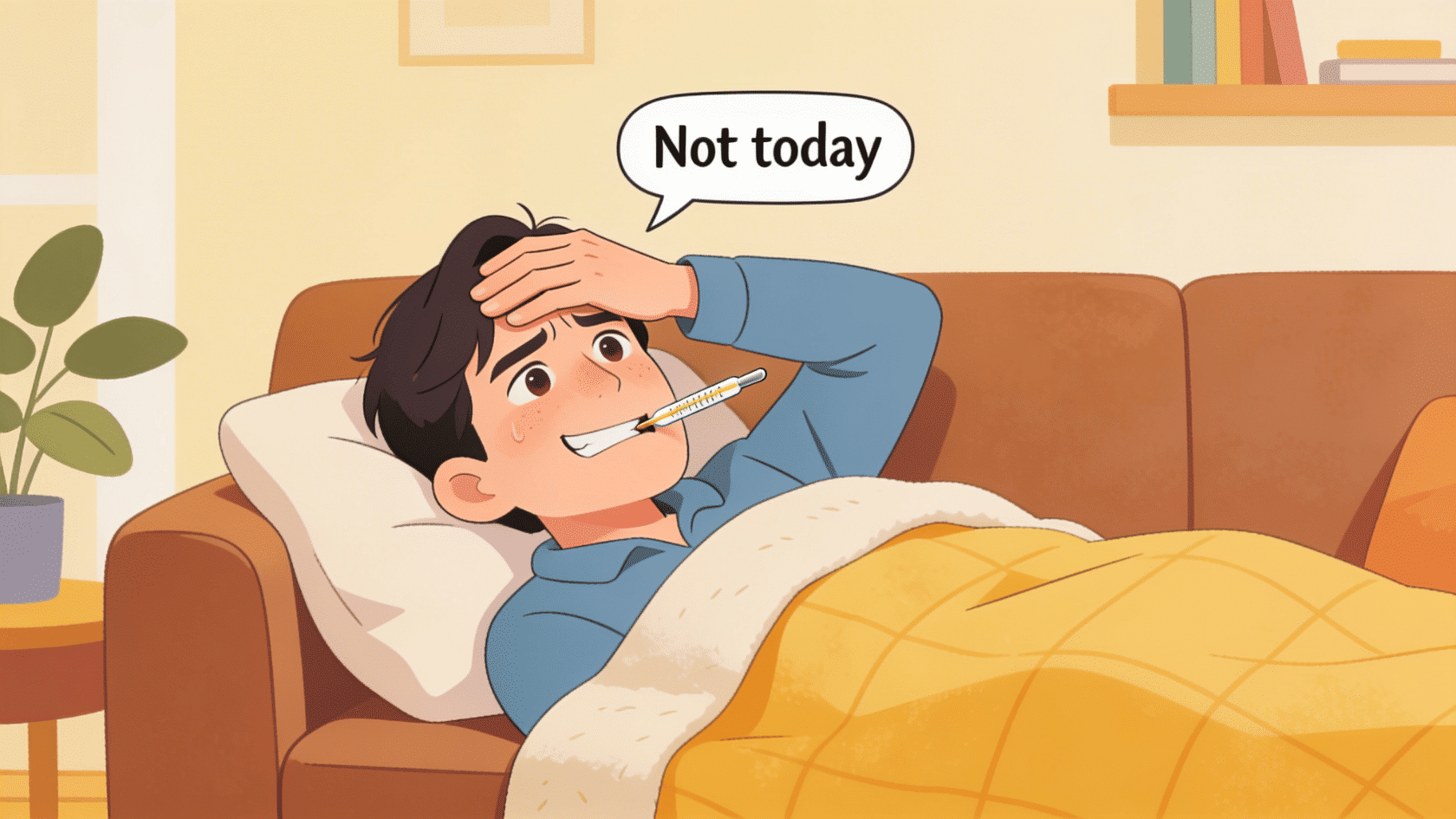
General illness is the most common excuse because it’s impossible to disprove and rarely invites follow-up.
Keep the details vague; a sore throat, cough, or stomach bug all work. Most managers accept this without question, especially if you haven’t used it recently.
Try saying:
- “Not feeling well this morning, think I’m coming down with something. I’ll need to take today off.”
- “I’ve got a stomach bug and don’t think I’ll be able to make it in today.”
- “Woke up feeling pretty rough. Going to rest today and hope to be back tomorrow.”
2. You Have a Migraine
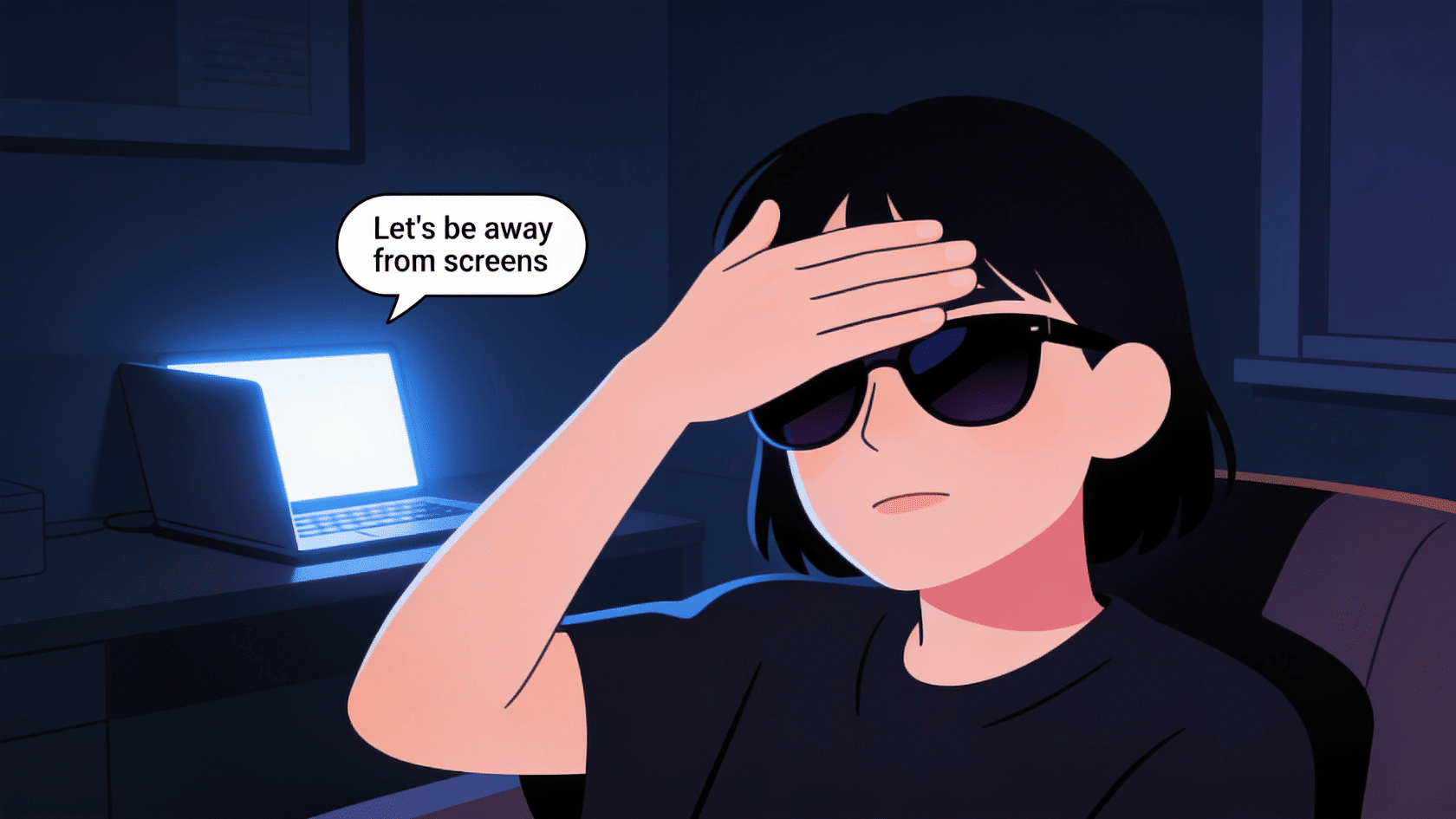
Migraines are severe enough to justify a full day off but common enough that no one questions them closely.
They’re also hard to verify either way, which works in your favor. Mention screen sensitivity specifically; it also explains why remote work isn’t an option.
Try saying:
- “Dealing with a bad migraine this morning, I won’t be able to work today.”
- “I have a migraine coming on and need to lie down in a dark room. I’ll be out today.”
- “Not able to look at a screen today, migraine’s pretty bad. Taking the day to rest.”
3. You Have a Last-Minute Doctor’s Appointment
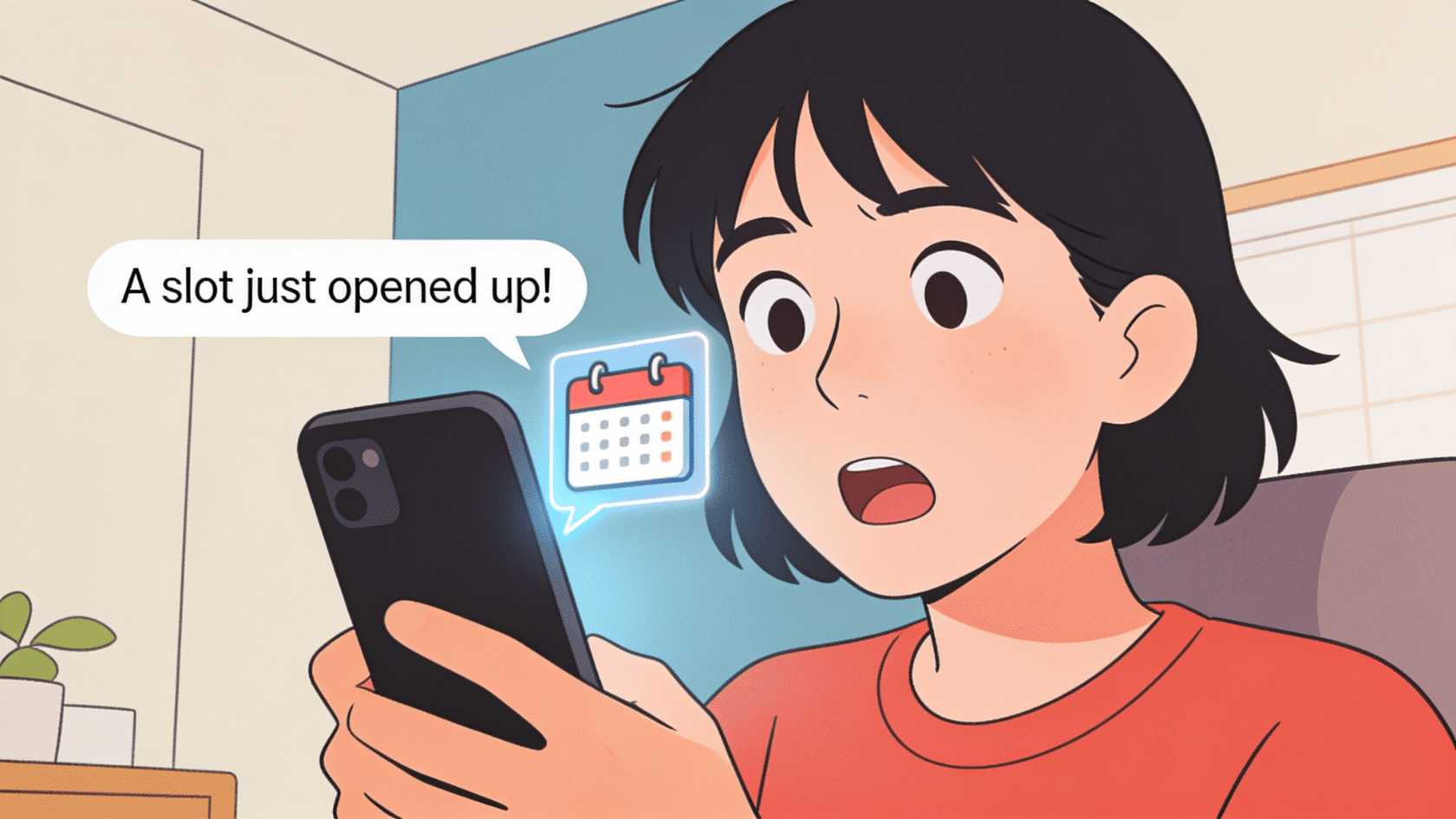
This one works well because medical details are private, so your manager won’t press for specifics. Use it sparingly, though; overuse can prompt requests for documentation down the line.
Framing it as an unexpected opening makes the short notice feel more believable. It’s also one of the few excuses that works just as well for a full day off as it does for just an hour or two.
Try saying:
- “I managed to get a same-day appointment with my doctor, so I won’t be in today.”
- “My doctor’s office called with an opening tomorrow morning, I’m going to take it.”
- “Got squeezed into my doctor’s schedule last minute, will be out for part of the day.”
- “A slot just opened up with my doctor for tomorrow, so I’ll need to take the day off.”
4. You Strained a Muscle at The Gym
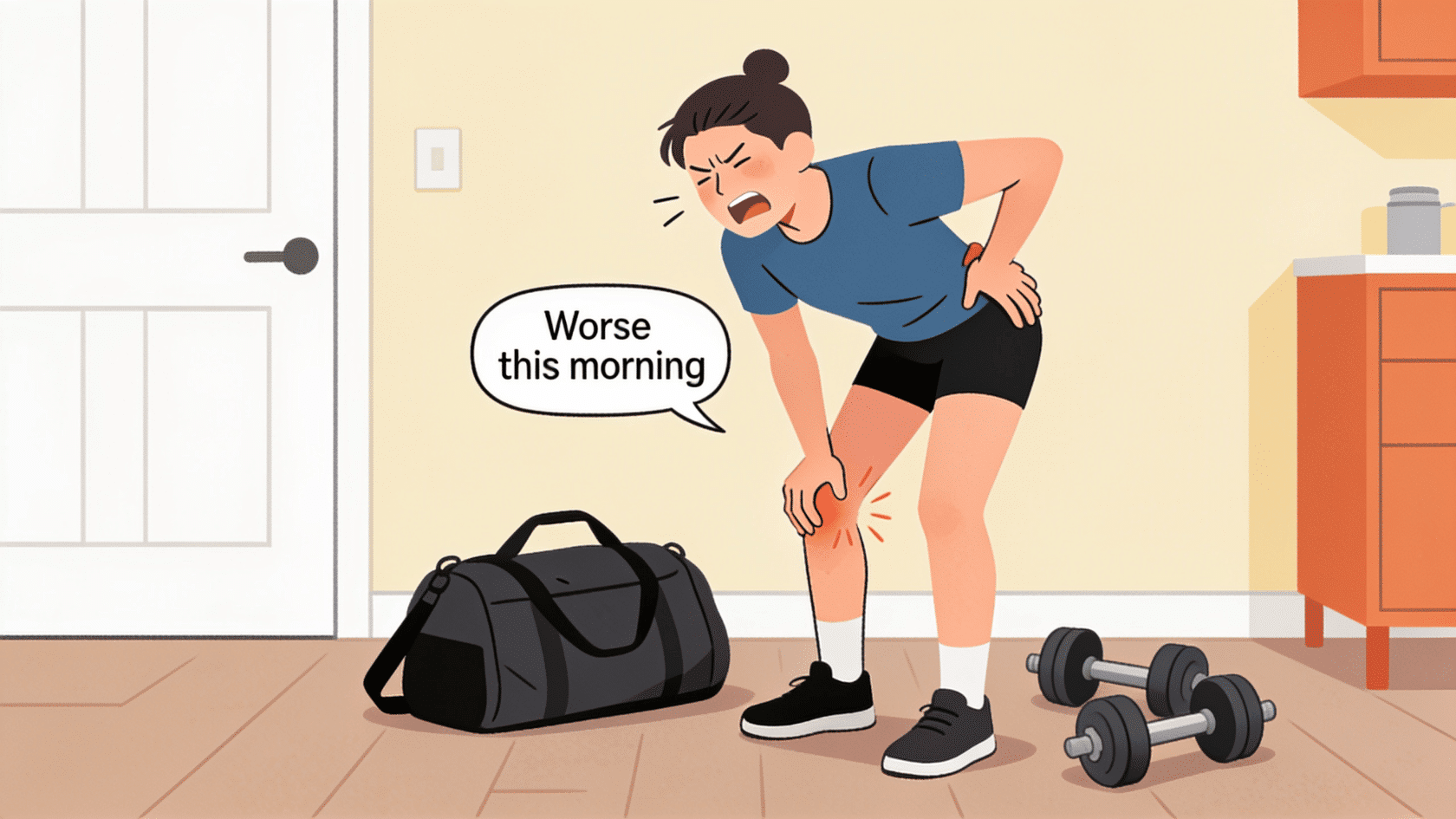
This is a relatable, minor injury that explains discomfort without requiring anything dramatic.
It works especially well if your manager knows you work out regularly, since it fits naturally with what they already know about you.
It also naturally explains why you might be moving a little slower or seem uncomfortable if you’re seen in person soon after.
Try saying:
- “Pulled a muscle working out, it’s stiffened up quite a bit. Taking today to rest.”
- “My back’s been bothering me since the gym yesterday, going to rest it today.”
- “Strained something during my workout, need to take it easy today.”
- “I strained something at the gym yesterday, and it’s much worse this morning. I need to rest it and probably see someone about it.”
5. You Have a Dental Emergency
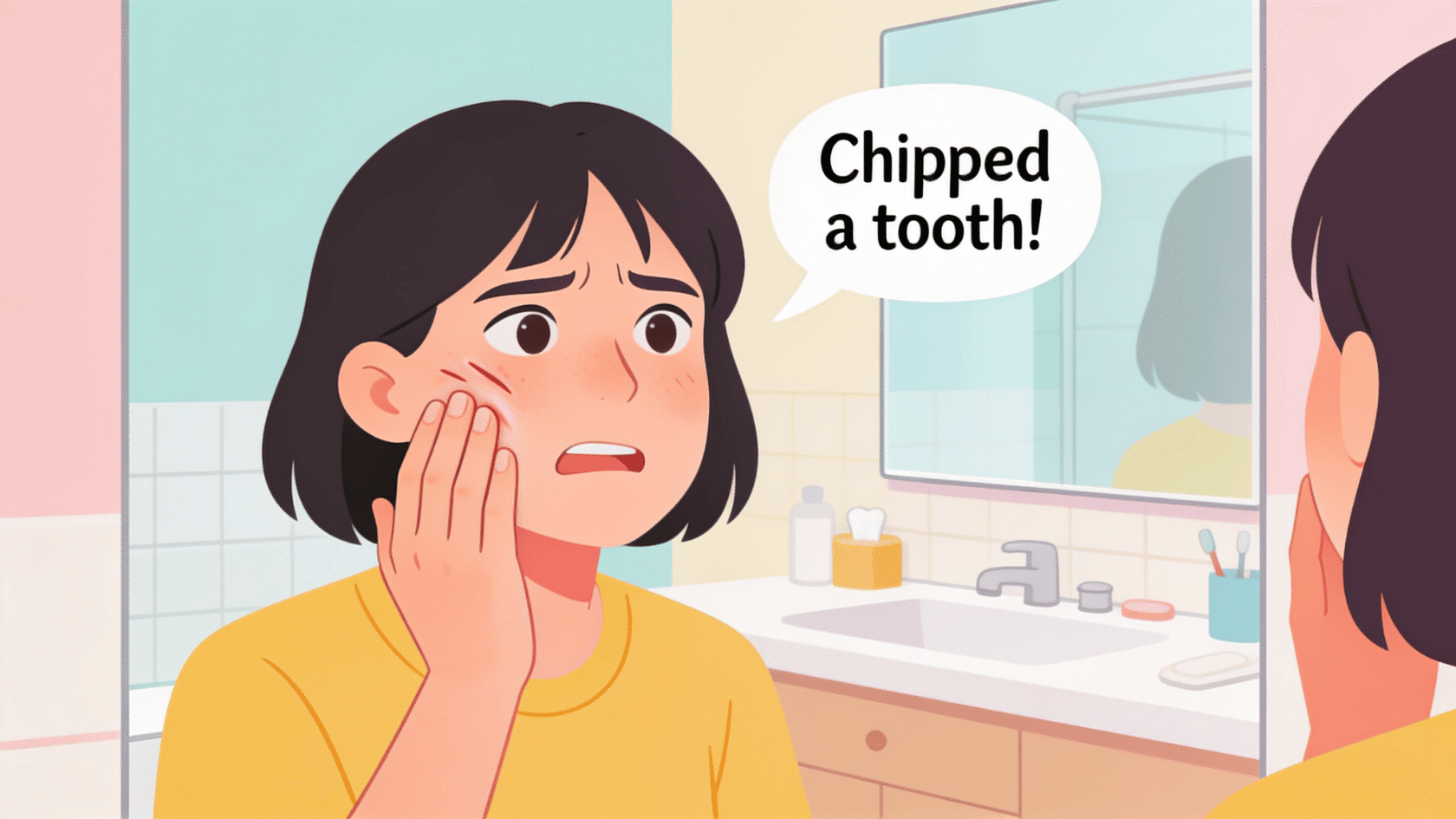
A dental issue is inconvenient enough to justify missing work but minor enough that no one expects a hospital visit.
Dentist appointments are also hard to schedule, which supports the short-notice framing. This excuse works especially well if you’ve mentioned dental issues before.
Try saying:
- “Dealing with a dental emergency, need to get in to see my dentist today.”
- “Woke up with a bad toothache, trying to get an emergency appointment.”
- “Had a filling come loose, need to get it looked at today.”
Tip: Keep health excuses vague. Specific symptoms invite specific follow-up questions. General ones don’t.
Family and Household Excuses
These work well because they’re broad enough to protect your privacy while still signaling genuine urgency.
Here are the dependable options you can use for each situation:
6. You Have a Family Emergency
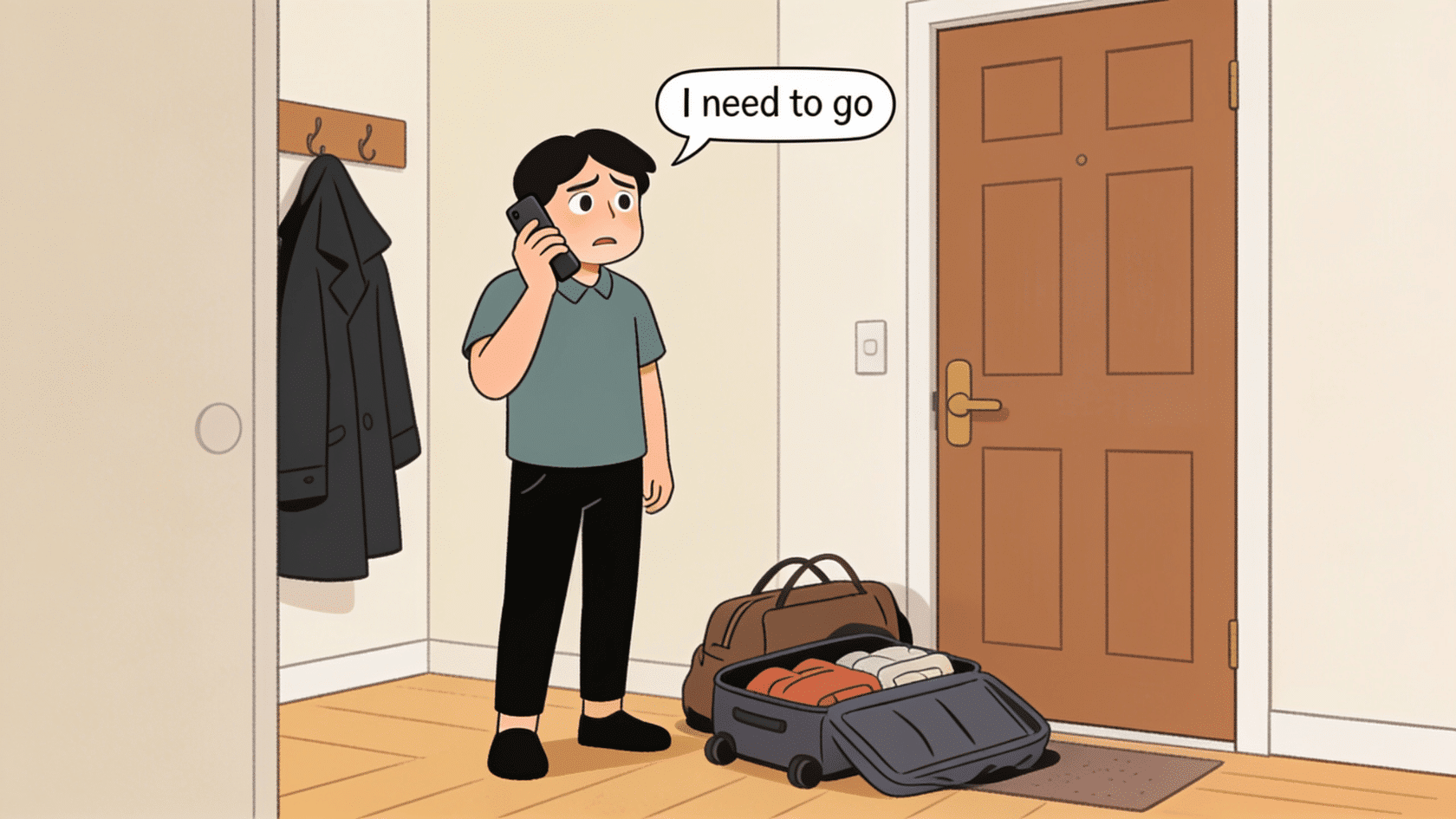
Family emergencies work well because they can stay vague; most managers won’t press for details on something this sensitive. It also signals genuine urgency without requiring proof.
Avoid specifics unless you’re prepared to keep the story consistent if asked about it again later. This is also one of the few excuses that can reasonably stretch beyond a single day if needed.
Try saying:
- “Something’s come up with my family, I need to take today off.”
- “I need to step away today for a family matter. Will keep you posted.”
- “A family situation came up unexpectedly, I won’t be able to work today.”
- “I’m dealing with a family emergency today and need to be available. I’m sorry for the short notice.”
7. Your Child’s School or Daycare Fell Through
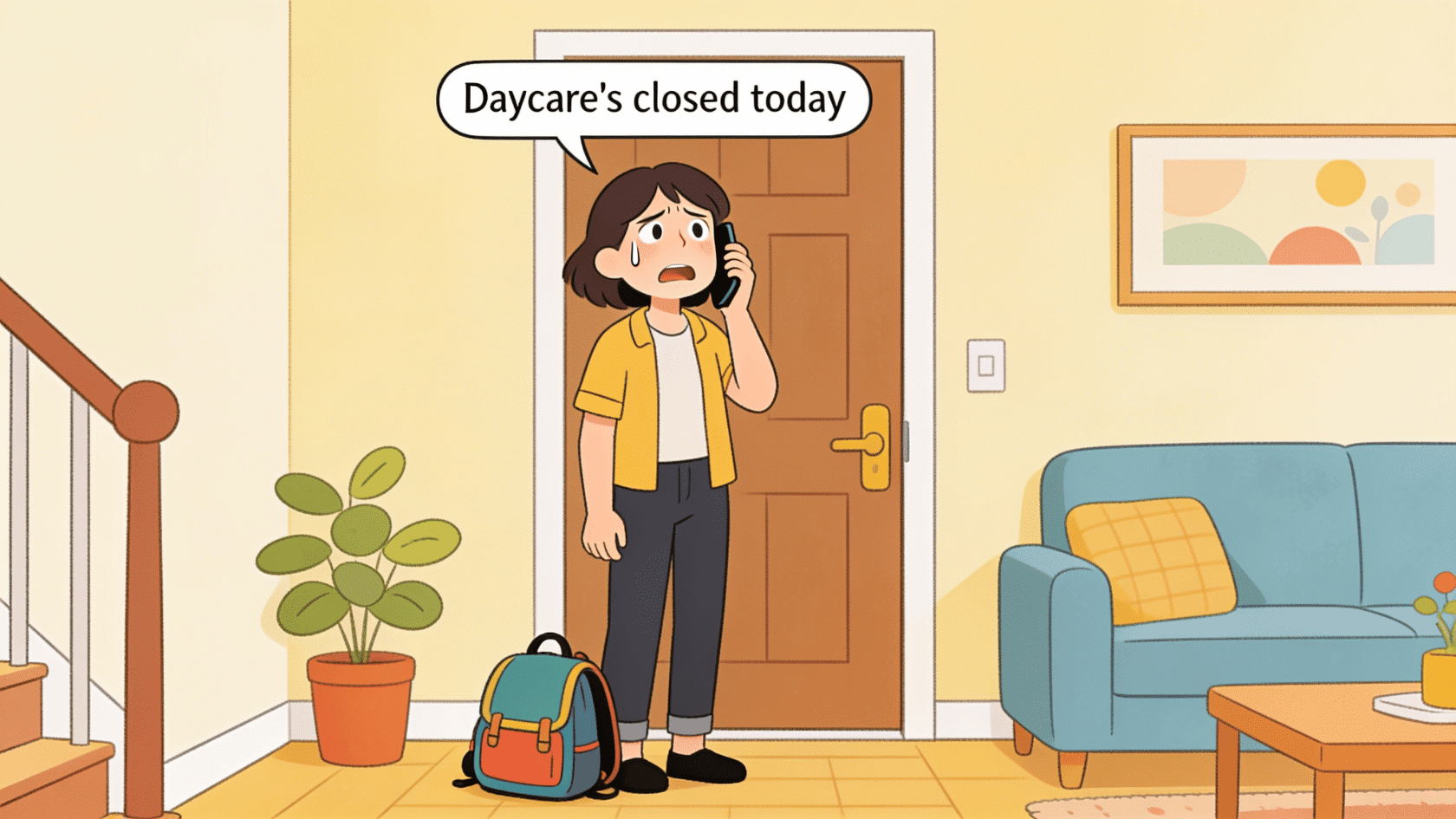
This excuse is nearly impossible for an employer to verify and tends to get automatic sympathy, especially from managers who have kids themselves.
It works best when used occasionally, since frequent childcare gaps can start to look like a pattern.
It also holds up well on short notice, since childcare falling through is genuinely unpredictable.
Try saying:
- “My son’s school called, they’re closing early today, I need to pick him up and stay home.”
- “Childcare fell through last minute, I’ll need to work from home or take the day.”
- “Daycare had an unexpected closure, scrambling to sort out coverage today.”
8. You Have a Home Emergency
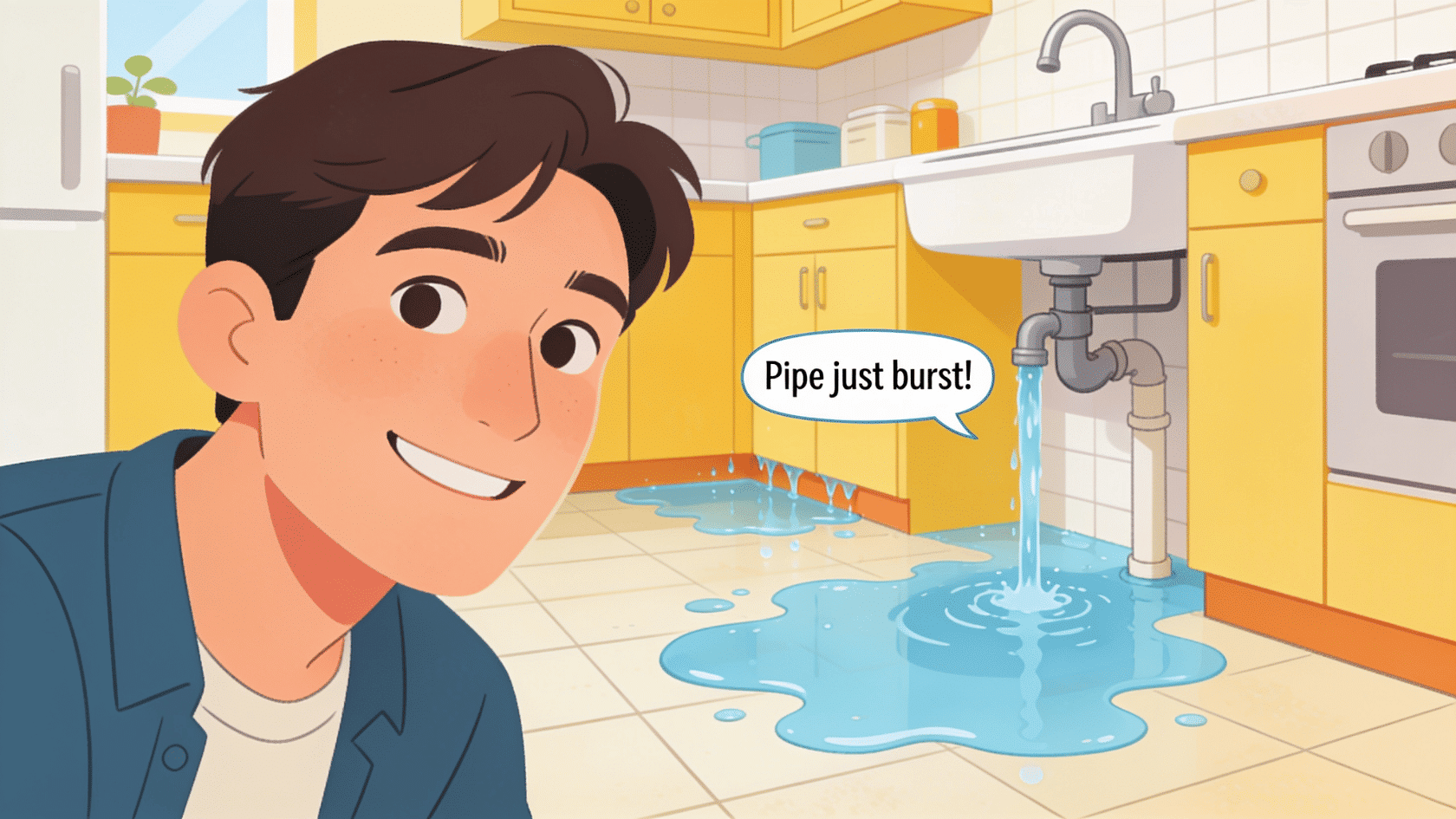
Home issues like burst pipes, flooding, or power outages are common enough that most people understand the urgency without needing to ask follow-up questions.
This lands better if you’re a homeowner your employer already knows about.
It also explains why you might need to stay reachable by phone rather than being fully unavailable, in case a repair crew needs you.
Try saying:
- “Dealing with a power outage at home and need to be around for the repair crew.”
- “Had some flooding at home this morning, need to stay and handle it.”
- “My water heater’s leaking badly, I need to be home for the plumber.”
9. You Have a Pet Emergency
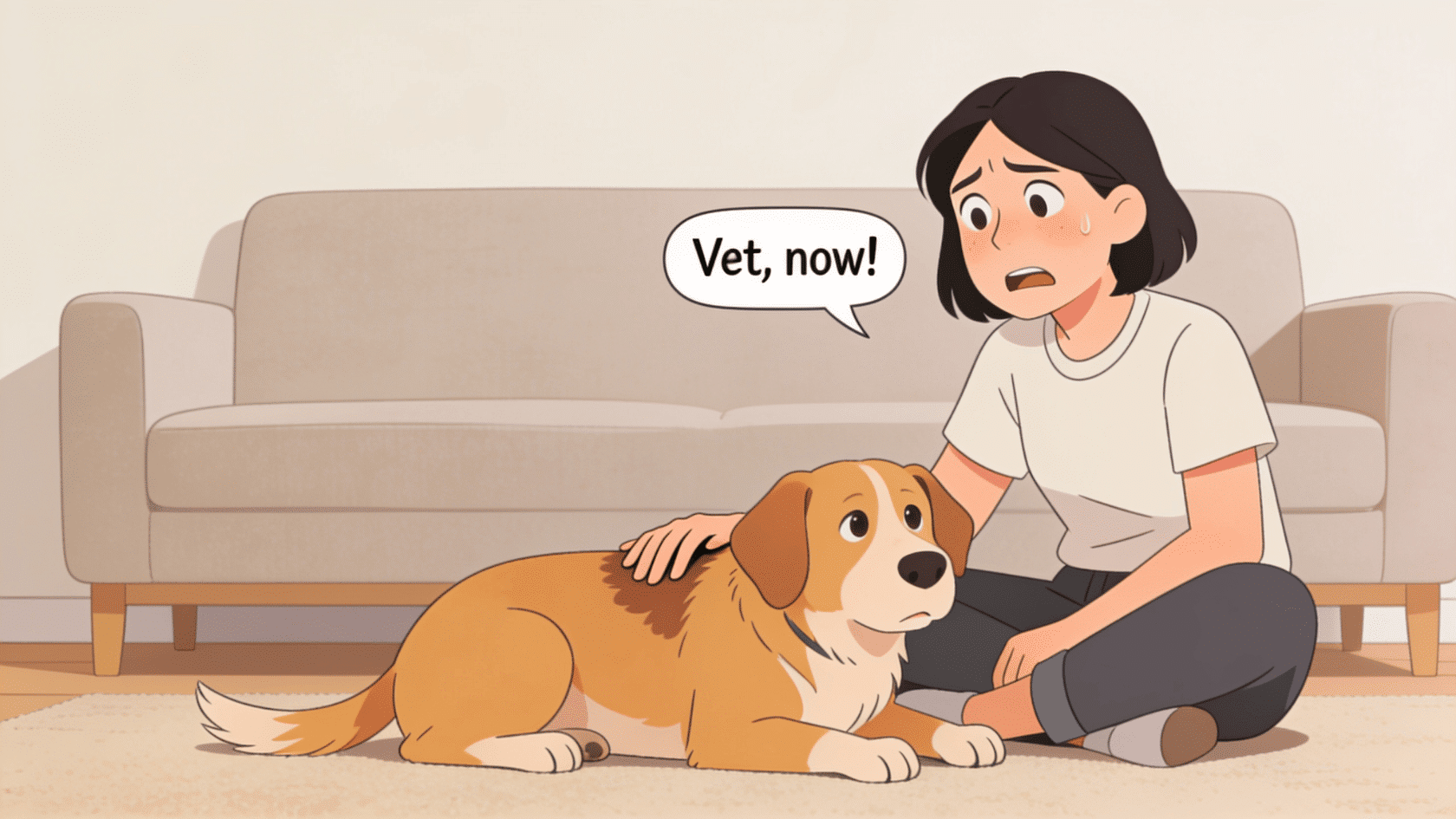
Pet-related excuses tend to earn quick sympathy, particularly if your manager has met your pet or knows you have one. Vet appointments are also genuinely hard to schedule around.
Keep the story simple: an eaten object, a sudden illness, or a minor injury is all believable without extra explanation.
Try saying:
- “My cat’s not acting right this morning, taking her to the vet as soon as they can see me.”
- “Pet emergency this morning, I need to get to the vet.”
- “My dog hurt his leg, I need to take him in to be checked out.”
10. You’re Expecting an Important Delivery

This works best with a little advance notice rather than for same-day use, since deliveries are usually scheduled in advance. It’s a low-drama excuse that doesn’t require ongoing follow-up.
It also works well if you only need part of the day off, since you can frame it as being home just for the delivery window.
Try saying:
- “Got a delivery scheduled for tomorrow that I need to be present for, planning to work from home.”
- “A time-sensitive package is arriving today and I need to sign for it in person.”
- “My delivery window is tomorrow morning, I’ll need to start a bit later than usual.”
Tip: These land best if they’re consistent with what your employer already knows about your life (kids, pets, homeownership, etc.).
Logistical Excuses
Good for solo commuters or anyone without a family-related excuse to lean on. Here are three practical options that work well when you need something simple and believable.
11. Your Car Broke Down
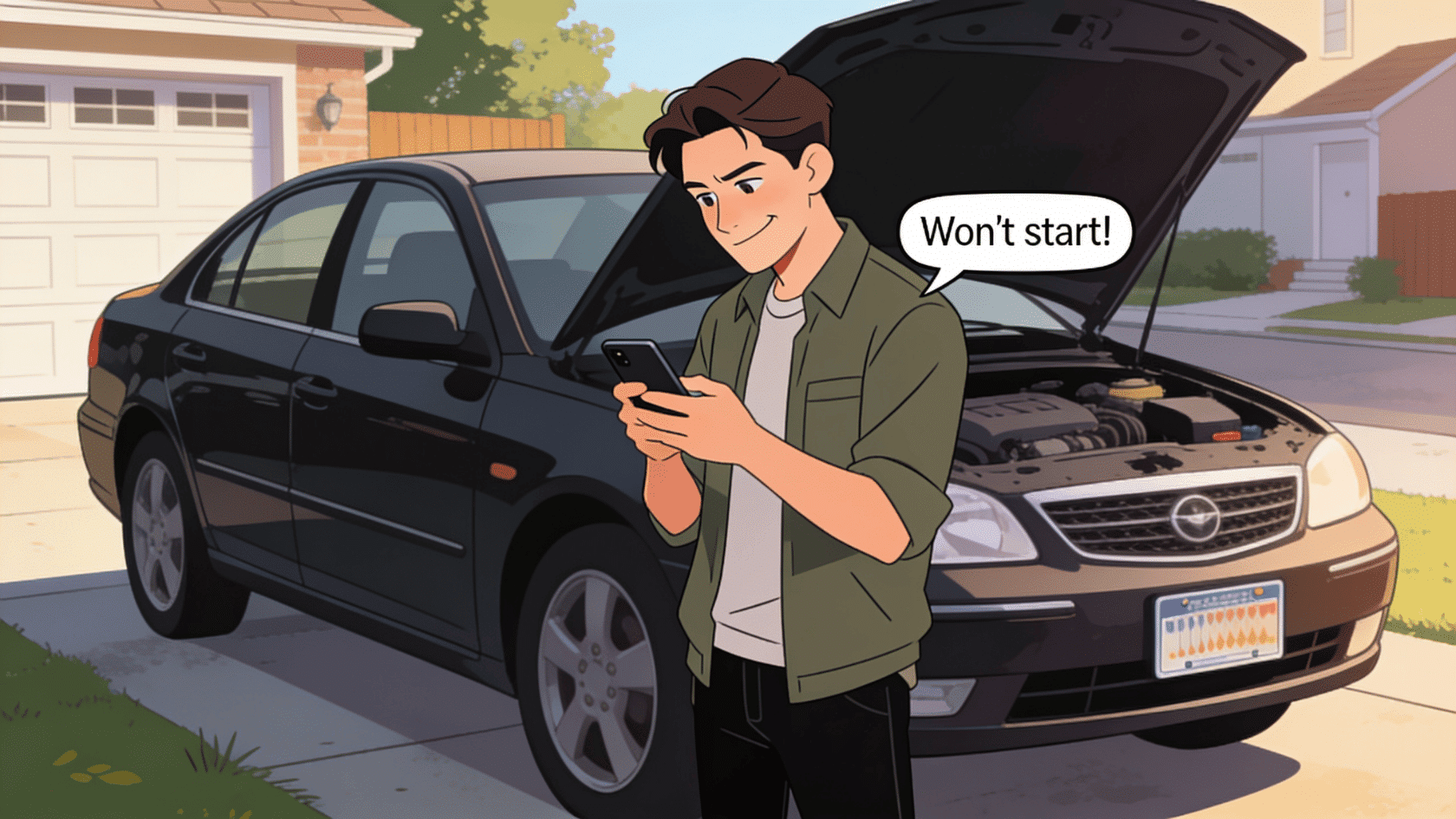
Car trouble is relatable and easy for almost anyone to imagine happening to them, which makes it an easy excuse for a manager to accept without much thought.
This works less well if your commute is well known to involve public transit, so save it for situations where driving is the norm.
Try saying:
- “Car trouble on the way to work, getting it looked at now, might be late or out for the day.”
- “My car broke down this morning, waiting on a tow. Not sure how long it’ll take.”
- “Got a flat tyre on the way in, waiting on roadside assistance.”
- “Having car issues today, going to need to sort it out before I can come in.”
12. You’re Locked Out
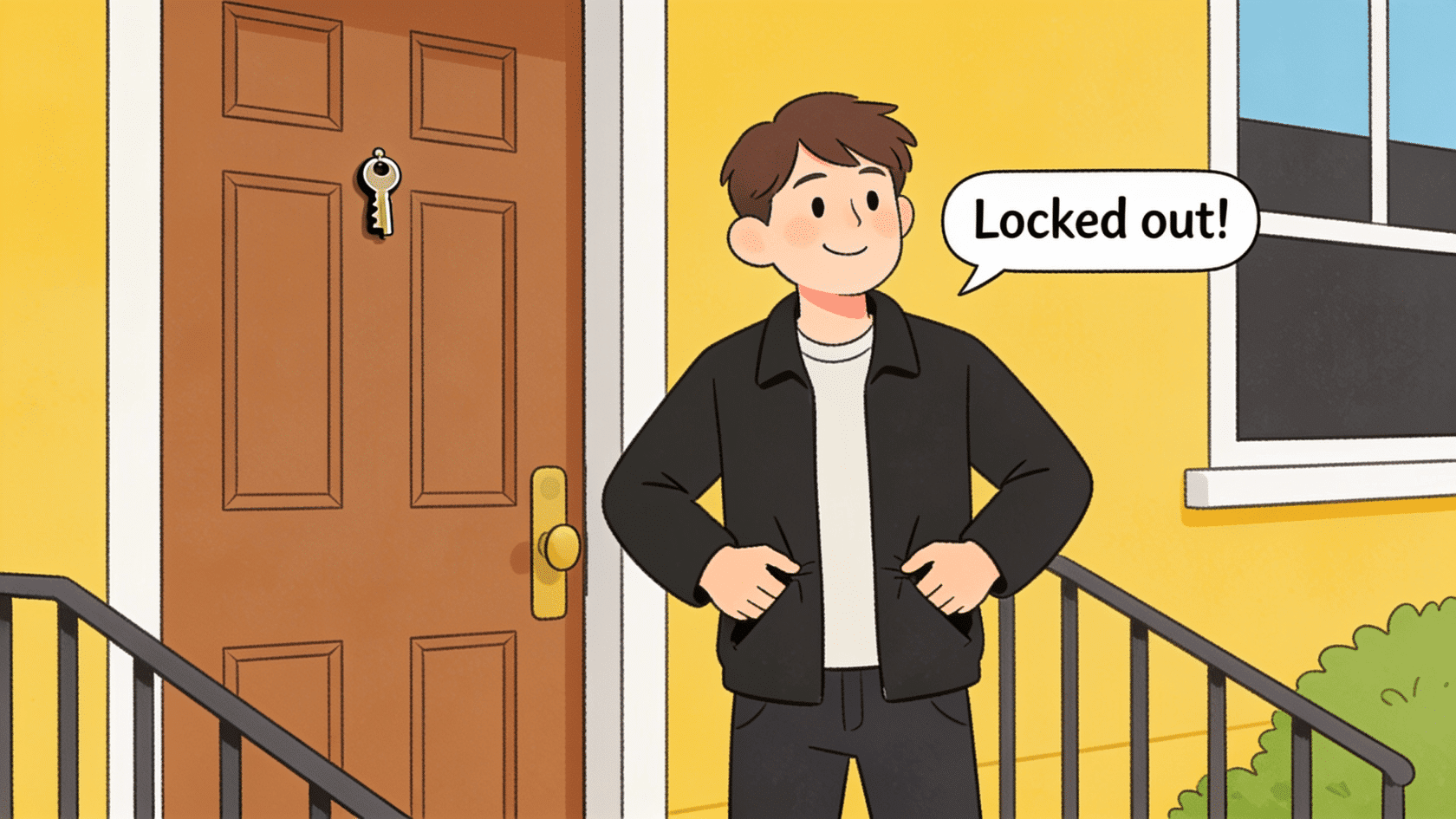
Being locked out is a universally frustrating, relatable situation that doesn’t require any health or family details to explain. It also naturally limits how long the excuse can reasonably last.
Use this one infrequently, since repeated lockouts start to sound implausible fairly quickly. It works best for a late start or a partial day off, rather than for justifying missing the entire day.
Try saying:
- “Got locked out this morning, waiting for someone to let me back in.”
- “Lock issue at home, need to wait for a locksmith before I can head out.”
- “Locked myself out, sorting it out now, might be running late.”
13. You Had a Minor Accident or Injury
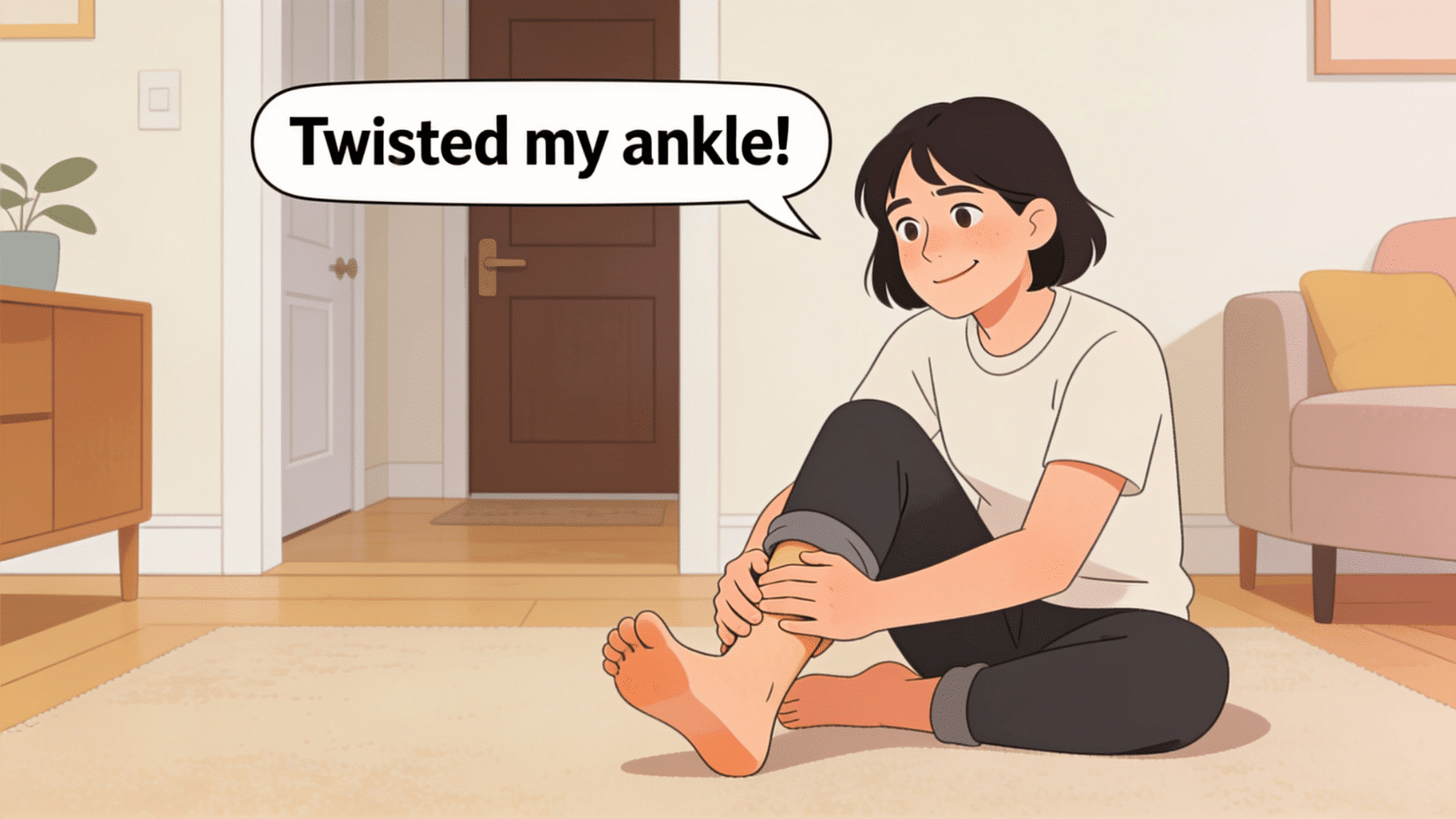
Minor injuries, a sprained ankle, a strained back, and a small cut are common enough to be believable without sounding dramatic or requiring hospital-level detail.
Choose something that heals quickly or isn’t visible, so it doesn’t create complications if you’re seen in person shortly after.
Try saying:
- “Had a small fall this morning, nothing serious but I want to get it checked out.”
- “Hurt my back a bit this morning, going to rest today.”
- “Cut my hand while cooking, need to get it looked at, might be out for the day.”
Tip: Logistical excuses are easier for people to notice as a pattern than health excuses. Use sparingly.
Planned or Personal-Time Excuses
Best used with at least a little advance notice. Here are reliable options that work well when you can give your employer a heads-up beforehand.
14. You Need a Mental Health Day
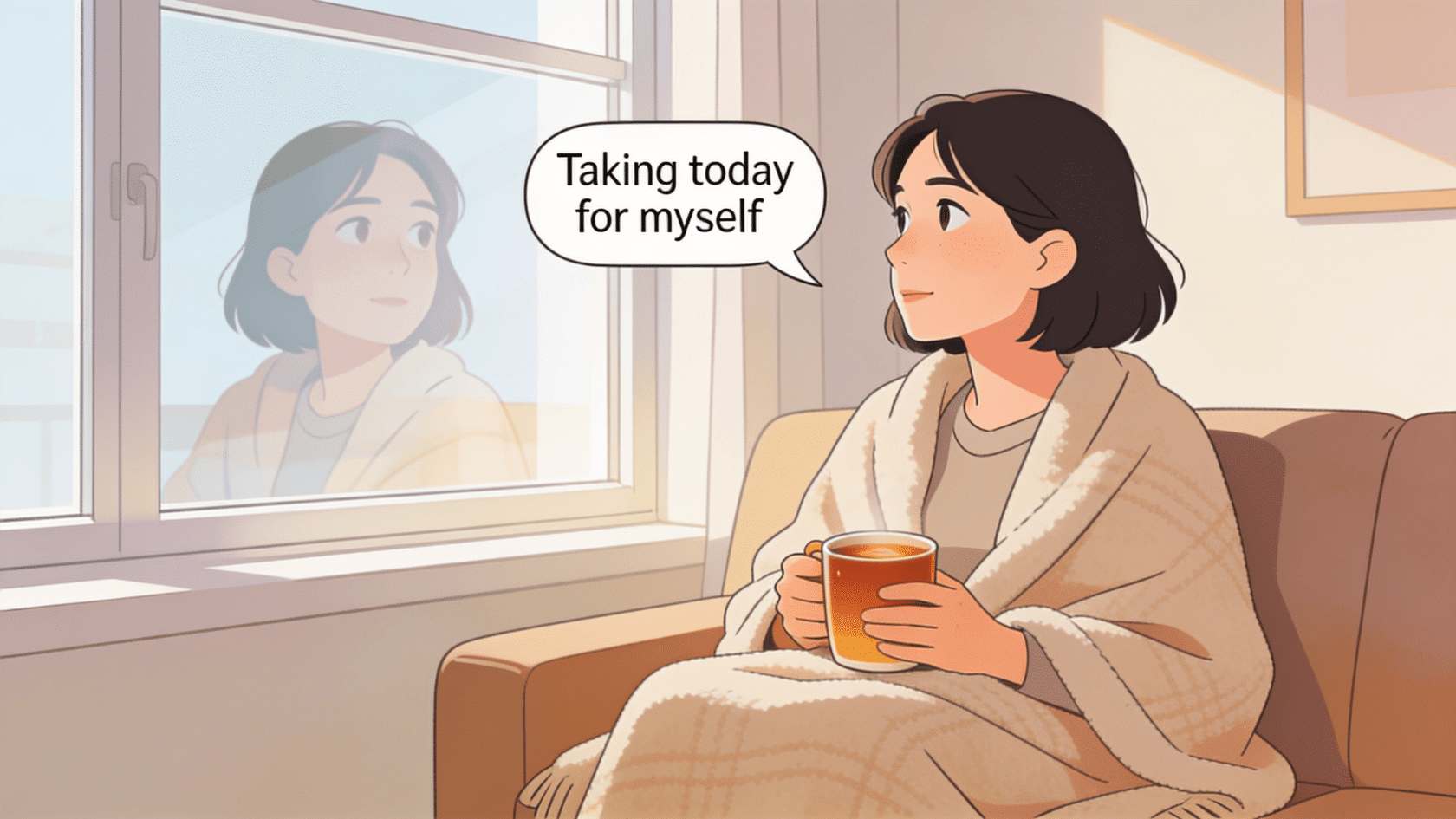
Mental health is personal enough that most managers won’t push for details, and awareness of burnout has made this excuse increasingly accepted in many workplaces.
This tends to land better with managers who already understand work-life balance.
It works best when used sparingly and framed as proactive self-care rather than a response to feeling overwhelmed.
Try saying:
- “I need to take today as a personal day for my wellbeing.”
- “Not in the right headspace today, going to take a mental health day.”
- “I need some time to reset, taking a personal day today.”
15. You’re Observing a Religious Holiday
Unlike most other excuses on this list, this one works best with advance notice rather than same-day use, since religious observances are typically known ahead of time.
Choose a holiday that’s consistent with what your employer already knows about you; claiming an unfamiliar observance out of nowhere can raise more questions than it answers.
Try saying:
- “Just a heads-up that I’ll be out on [date] for [holiday].”
- “Wanted to give advance notice that I’m observing [holiday] and will be out.”
- “I’ll need [date] off for a religious observance, letting you know ahead of time.”
How to Deliver Good Excuses to Miss Work on Short Notice?
The excuse matters less than how you communicate it. How and when you reach out can make the difference between a smooth, low-friction absence and one that invites unwanted follow-up.
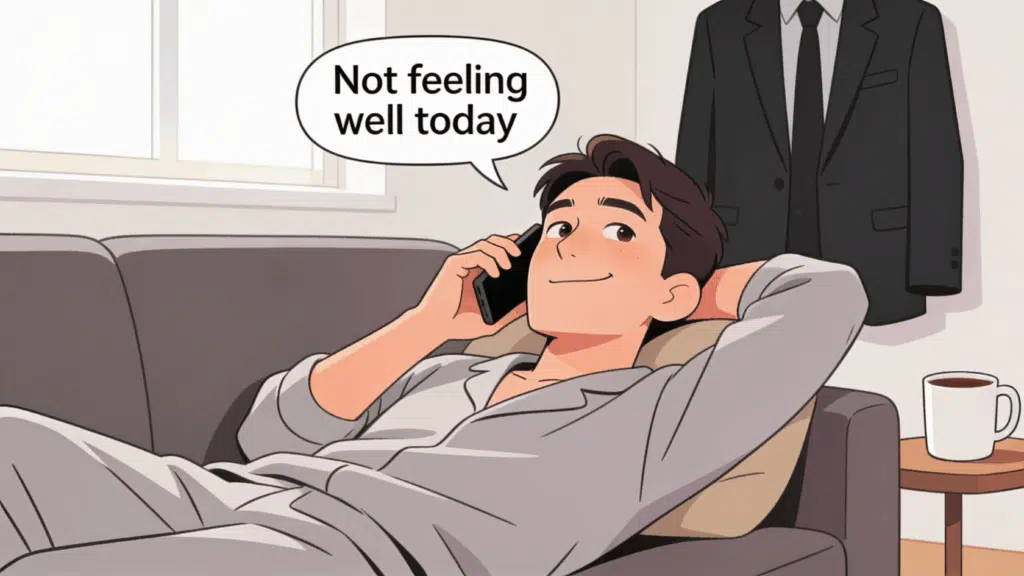
- Urgency Through Calling: Calling rather than texting for same-day emergencies signals effort and makes the situation feel genuinely urgent.
- Advance Notice by Email: Email works well for planned absences such as appointments, holidays, or deliveries, when you have a day or more of notice.
- Brevity Over Explanation: Keeping your message short and stating the reason plainly avoids the over-explaining that makes excuses sound rehearsed.
- Consistency With Your Usual Style: Matching how you normally communicate with your manager makes the absence feel routine rather than suspicious.
- Timing Before Your Shift: Sending your message early in the day feels proactive, while one sent right at start time can look like an afterthought.
At the end of the day, a calm, professional tone does more to make your absence believable than the excuse itself.
What to Avoid Afterward
How you follow up matters as much as the excuse itself. Employers and coworkers notice patterns over time, so consistency after an absence matters as much as the reason itself.
Here are a few things to keep in mind:
- Watch for contradictions in details shared with different people.
- Be careful about social media posts that could contradict your story.
- Remember, past absences are linked to how consistent you are now.
- Avoid repeating the same excuse too often within a short period.
- Don’t overshare details when your manager checks in later.
- Keep your story simple so it’s easier to remember consistently.
- Follow up afterward with a short, genuine message to your manager.
Maintaining trust after the fact is what makes it easier to take a genuine day off the next time you actually need one.
Conclusion
Missing work occasionally is part of life, and having a handful of good excuses to miss work on short notice ready to go makes those moments far less stressful.
The key isn’t finding one perfect excuse; it’s matching the right reason to your situation, delivering it calmly, and staying consistent afterward.
Rotate your reasons, keep your story simple, and follow up with genuine professionalism to protect your credibility over time.
The next time you need an unexpected day off, you’ll know exactly what to say and how to say it. Bookmark this guide so you’re always prepared when short notice hits.
Have an excuse that’s worked well for you? Share it in the comments below.
Frequently Asked Questions
Is It Better to Call out In the Morning or The Night Before?
Calling the night before works best for planned situations, while same-day calls are expected for genuine emergencies. Either way, earlier notice is always viewed more favorably.
Can You Use the Same Excuse for A Group Text if Multiple Coworkers Ask Why You’re Out?
It’s better to keep your explanation consistent but brief across everyone. Repeating the exact same wording to different people can sound rehearsed. Keep it simple and vary the phrasing slightly.
Do You Need to Provide Proof if Your Manager Asks for It?
Some workplaces can request documentation, like a doctor’s note, especially after frequent absences. Check your company’s specific attendance policy, since requirements vary widely.