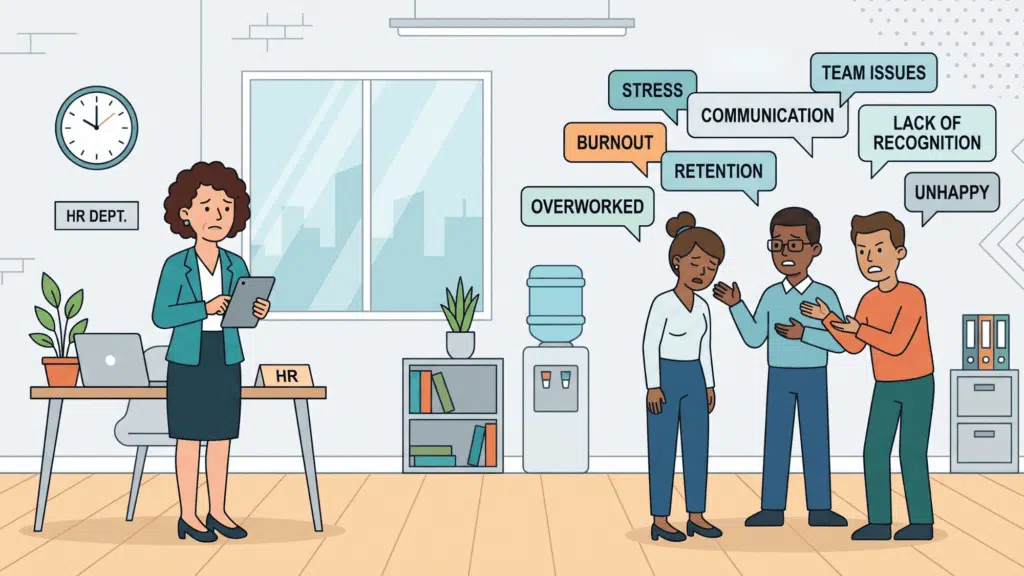

No one warns you about this in the employee handbook. There is a specific vocabulary inside every workplace that operates on a completely different level than ordinary conversation.
These words are not loud. They are not dramatic on the surface, but inside an HR office, they carry enough weight to reshape careers, trigger investigations, and launch processes that take months to resolve.
Most employees stumble across them by accident, but few use them strategically.
Either way, the reaction is usually the same. Knowing the words that scare human resources is not about playing games at work; it is about being informed in a system that rarely explains its own rules.
Why Certain Words Trigger HR Attention?
Human Resources teams are trained to pay close attention to certain workplace language because specific terms can indicate legal, ethical, or safety concerns.
Even casual comments made in frustration may require HR to document the issue or begin an internal review.
Words connected to discrimination, harassment, threats, or resignation often carry serious implications for both employees and the company.
In many cases, HR cannot simply ignore these statements once they are mentioned. Certain phrases may also suggest workplace conflict, policy violations, or potential legal action.
This is why HR professionals react carefully when emotionally charged language is used during meetings or complaints.
Words that Scare Human Resources
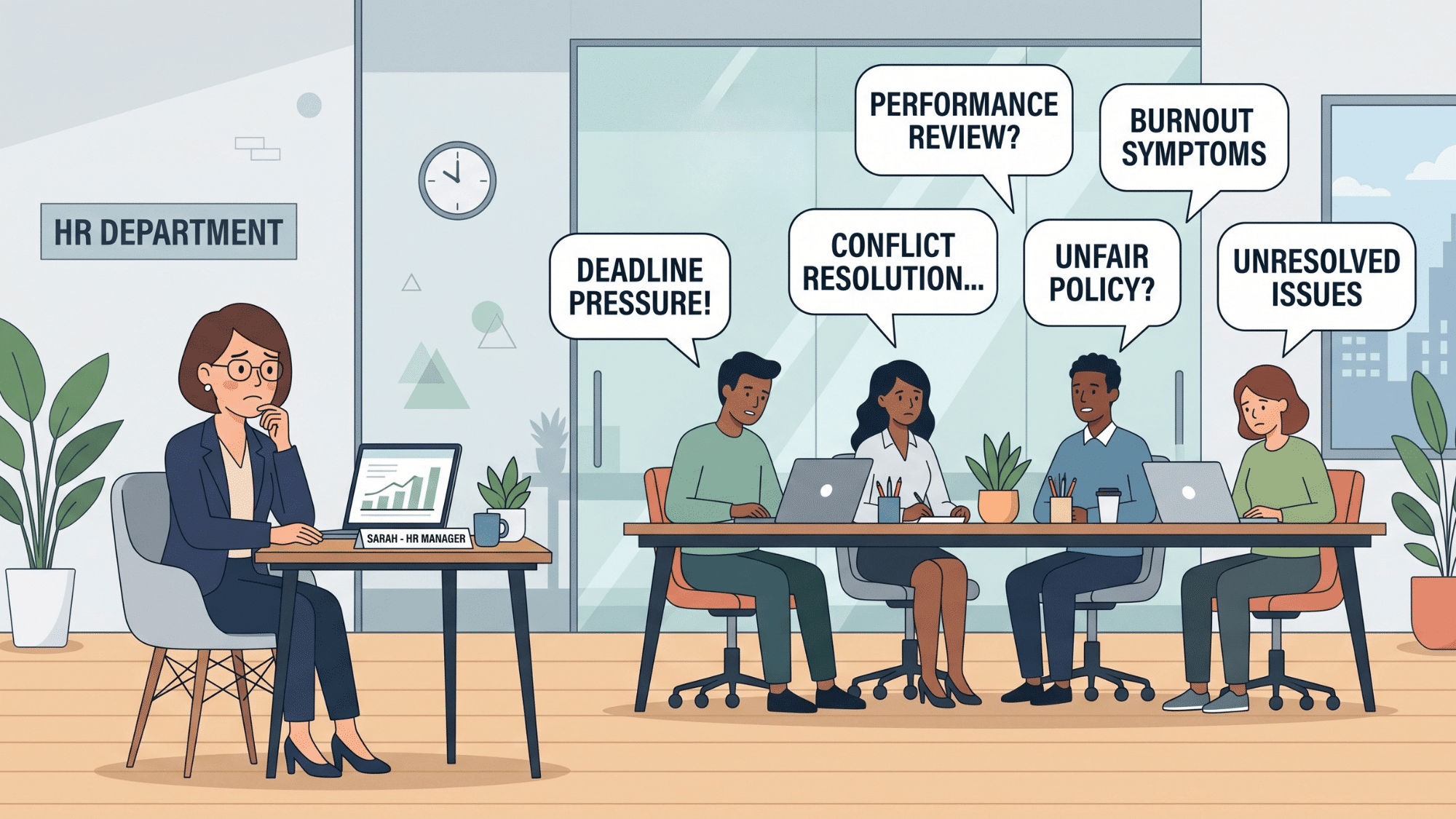
Some workplace words may seem harmless in the moment, but to HR, they can instantly signal conflict, legal risk, or serious employee concerns.
1. Harassment
- Why It Concerns HR: Can indicate legal or workplace misconduct issues.
- Possible Consequences: Formal investigation or disciplinary action may begin.
- Common Situations Where Employees Use It: When feeling repeatedly uncomfortable at work.
- Better Alternative to Say: “I’m uncomfortable with repeated behavior from a coworker.”
2. Discrimination
- Why It Concerns HR: Suggests unfair treatment tied to protected categories.
- Possible Consequences: HR may launch compliance and legal reviews.
- Common Situations Where Employees Use It: After being denied opportunities or treated differently.
- Better Alternative to Say: “I feel I’m being treated differently compared to others.”
3. Retaliation
- Why It Concerns HR: Often linked to prior complaints or reports.
- Possible Consequences: Escalation to legal or leadership teams.
- Common Situations Where Employees Use It: After negative changes following a complaint.
- Better Alternative to Say: “Things changed after I raised my concern.”
4. Lawsuit
- Why It Concerns HR: Signals possible legal action against the company.
- Possible Consequences: Communication may shift to legal departments.
- Common Situations Where Employees Use It: During heated workplace disputes.
- Better Alternative to Say: “I’d like this issue resolved fairly.”
5. Toxic
- Why It Concerns HR: Implies unhealthy or damaging workplace culture.
- Possible Consequences: HR may assess team conflicts or leadership behavior.
- Common Situations Where Employees Use It: During burnout or ongoing tension.
- Better Alternative to Say: “The work environment has become stressful.”
6. Unsafe
- Why It Concerns HR: Workplace safety concerns require immediate attention.
- Possible Consequences: Emergency reviews or safety investigations may happen.
- Common Situations Where Employees Use It: After threats or unsafe conditions.
- Better Alternative to Say: “I have concerns about workplace safety.”
7. Bullying
- Why It Concerns HR: Suggests repeated harmful workplace behavior.
- Possible Consequences: HR may interview involved employees.
- Common Situations Where Employees Use It: After public criticism or exclusion.
- Better Alternative to Say: “I feel targeted by repeated negative behavior.”
8. Threatening
- Why It Concerns HR: Can signal safety or violence concerns.
- Possible Consequences: Immediate escalation to management or security.
- Common Situations Where Employees Use It: During aggressive workplace conflicts.
- Better Alternative to Say: “The conversation felt intimidating.”
9. Burnout
- Why It Concerns HR: Indicates mental health or workload concerns.
- Possible Consequences: HR may discuss leave or workload adjustments.
- Common Situations Where Employees Use It: During excessive stress or overtime.
- Better Alternative to Say: “I’m struggling with workload pressure.”
10. Resignation
- Why It Concerns HR: Suggests potential employee turnover.
- Possible Consequences: HR may begin retention or exit discussions.
- Common Situations Where Employees Use It: During frustration with work conditions.
- Better Alternative to Say: “I’m reconsidering my future with the company.”
Phrases that Alarm HR
Certain workplace phrases can immediately put HR on alert because they often suggest legal issues, employee disputes, safety concerns, or potential policy violations.
11. “I’m Going to Sue the Company.”
- Why It Concerns HR: Directly signals legal risk.
- Possible Consequences: Legal teams may become involved immediately.
- Common Situations Where Employees Use It: During unresolved disputes.
- Better Alternative to Say: “I hope we can resolve this internally.”
12. “This Is a Hostile Work Environment.”
- Why It Concerns HR: It has serious legal implications.
- Possible Consequences: HR may open a formal investigation.
- Common Situations Where Employees Use It: During repeated workplace conflicts.
- Better Alternative to Say: “The environment feels consistently uncomfortable.”
13. “I Feel Discriminated Against.”
- Why It Concerns HR: Suggests potential policy or legal violations.
- Possible Consequences: HR may review management decisions and conduct interviews.
- Common Situations Where Employees Use It: After experiencing unfair treatment.
- Better Alternative to Say: “I’m concerned about unequal treatment.”
14. “Management Is Retaliating Against Me.”
- Why It Concerns HR: Retaliation claims are legally sensitive.
- Possible Consequences: Escalation to senior HR or compliance teams.
- Common Situations Where Employees Use It: After reporting workplace issues.
- Better Alternative to Say: “Things changed after I raised concerns.”
15. “I Don’t Feel Safe at Work.”
- Why It Concerns HR: Employee safety must be addressed immediately.
- Possible Consequences: Urgent review of workplace conditions or behavior.
- Common Situations Where Employees Use It: Following threats or harassment.
- Better Alternative to Say: “I have concerns about my safety here.”
16. “My Manager is Harassing Me.”
- Why It Concerns HR: Manager misconduct allegations are serious.
- Possible Consequences: HR interviews and formal documentation may begin.
- Common Situations Where Employees Use It: During repeated conflicts with supervisors.
- Better Alternative to Say: “I’m uncomfortable with repeated interactions from my manager.”
17. “I’m Documenting Everything.”
- Why It Concerns HR: Signals preparation for escalation or disputes.
- Possible Consequences: HR may become more formal in communication.
- Common Situations Where Employees Use It: During trust breakdowns.
- Better Alternative to Say: “I’m keeping records for clarity.”
18. “I’m Reporting This to The Labor Board.”
- Why It Concerns HR: Indicates external escalation risk.
- Possible Consequences: Immediate legal and compliance involvement.
- Common Situations Where Employees Use It: After unresolved complaints.
- Better Alternative to Say: “I’d like guidance on next steps.”
19. “I Can’t Take This Anymore.”
- Why It Concerns HR: May signal emotional distress or crisis.
- Possible Consequences: HR may conduct wellness or safety check-ins.
- Common Situations Where Employees Use It: During extreme stress or frustration.
- Better Alternative to Say: “I’m feeling overwhelmed and need support.”
20. “I’m Thinking About Quitting.”
- Why It Concerns HR: Suggests possible turnover or dissatisfaction.
- Possible Consequences: Retention conversations may begin.
- Common Situations Where Employees Use It: During burnout or workplace conflict.
- Better Alternative to Say: “I’d like to discuss my concerns about my role.”
How to Talk to HR Effectively About Workspace Issues?

Talking to HR the right way can help employees express concerns clearly, avoid words that scare Human Resources, reduce misunderstandings, and increase the chances that workplace issues are handled professionally and fairly.
- Stay calm and professional during the conversation.
- Focus on facts instead of emotions or assumptions.
- Clearly explain the issue with specific examples.
- Mention dates, incidents, or witnesses when relevant.
- Avoid exaggeration or emotionally charged language.
- Be honest about what outcome or solution you want.
- Follow up important discussions through email or written documentation.
The Bottom Line
Words matter more at work than most people think. You do not need to be a lawyer or an HR expert to protect yourself. You need to know which words carry more weight than they seem to.
Most people only figure this out after an uncomfortable meeting they never saw coming. Now you do not have to wait for that moment. Every office, every team, and every company runs on language.
Know the difference. Use that knowledge every time you speak, write, or show up at work. Being aware is always better than being caught off guard.
Frequently Asked Questions
What Happens After HR Documents a Workplace Complaint?
Once a Complaint Is Documented, HR May Review Evidence, Speak with Involved Employees, and Determine Whether Company Policies Were Violated.
Is It Risky to Discuss Workplace Issues Publicly on Social Media?
Public Workplace Complaints Can Sometimes Create Professional, Legal, or Policy-Related Issues. Employees Should Be Careful When Sharing Sensitive Workplace Matters Online.
How Can Employees Prepare Before Meeting with Human Resources?
Employees Should Organize Facts, Gather Relevant Emails or Documents, Note Important Dates, and Clearly Identify the Outcome They Want Before Speaking with Hr.
What Should Employees Do if They Feel Misunderstood by HR?
They should calmly clarify their concerns, provide specific examples, and follow up professionally through written communication to ensure their perspective is properly documented.