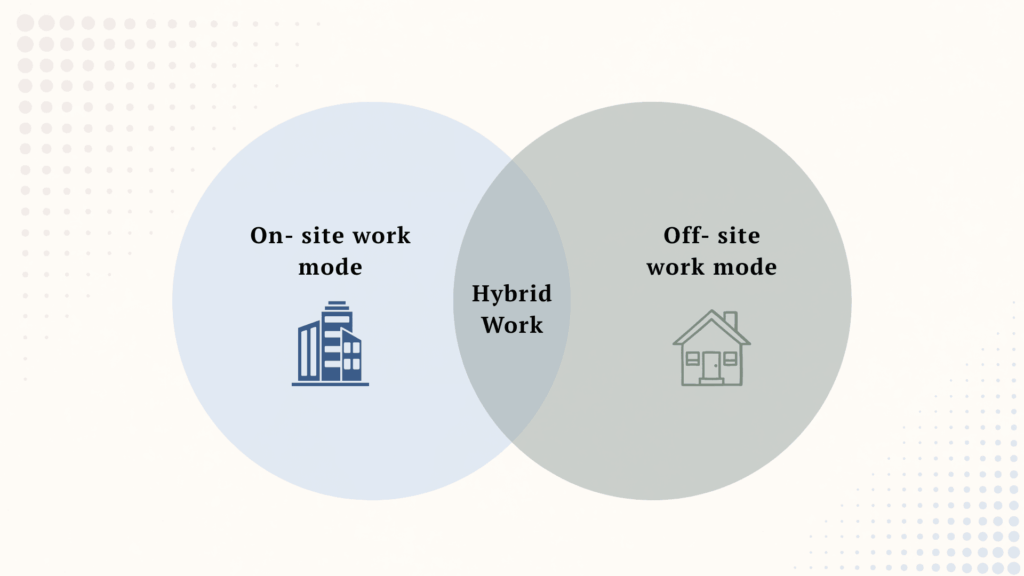

Work no longer happens in one place, and that shift demands more than flexibility alone.
A hybrid workplace strategy defines how, when, and where work is performed, turning scattered arrangements into a deliberate operational model.
Without a clear structure, hybrid setups can create confusion, unequal visibility, and inconsistent performance standards.
The difference between convenience and long-term sustainability lies in design.
Policies, leadership practices, technology systems, and measurable outcomes must work together with intention.
What determines whether hybrid work strengthens culture and productivity, or quietly weakens them, often depends on decisions made long before problems surface.
What Is a Hybrid Workplace Strategy?
A hybrid workplace strategy is a formal operational framework that defines how, when, and where employees perform their work.
It combines remote and on-site work through structured scheduling policies rather than informal arrangements.
Organizations use this model to standardize expectations across distributed teams, covering attendance, communication, performance evaluation, and technology use.
Unlike ad hoc flexibility, a hybrid strategy is policy-driven, ensuring consistency and accountability across all roles and departments regardless of physical location.
Key Components of Hybrid Workplace Strategy
A successful hybrid strategy requires clearly defined systems, policies, and accountability measures to function consistently across different teams.
Below are the key components every organization should establish:
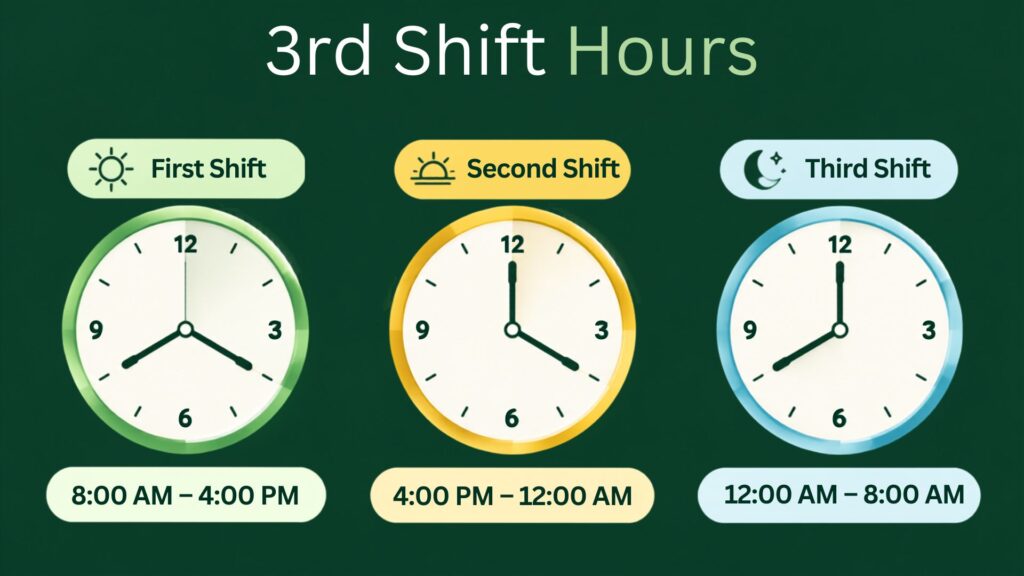
- Work Model Design: Establishes whether teams operate in fixed, flexible, role-based, or extended formats, such as a 12-hour shift schedule, based on workload distribution and service demands.
- Policy Framework: Sets attendance expectations, communication standards, performance criteria, data security protocols, and employee protections, such as the right to disconnect, to support work-life boundaries.
- Technology Infrastructure: Covers secure collaboration tools, cloud-based systems, and project management platforms.
- Leadership and Management Practices: Focuses on outcome-based tracking, structured check-ins, and transparent decision-making.
- Performance Accountability: Ensures employees are evaluated on measurable outputs rather than physical presence.
Without these components working together, hybrid models risk inconsistency, communication breakdowns, and unequal employee experiences across teams.
How to Develop a Hybrid Workplace Strategy?
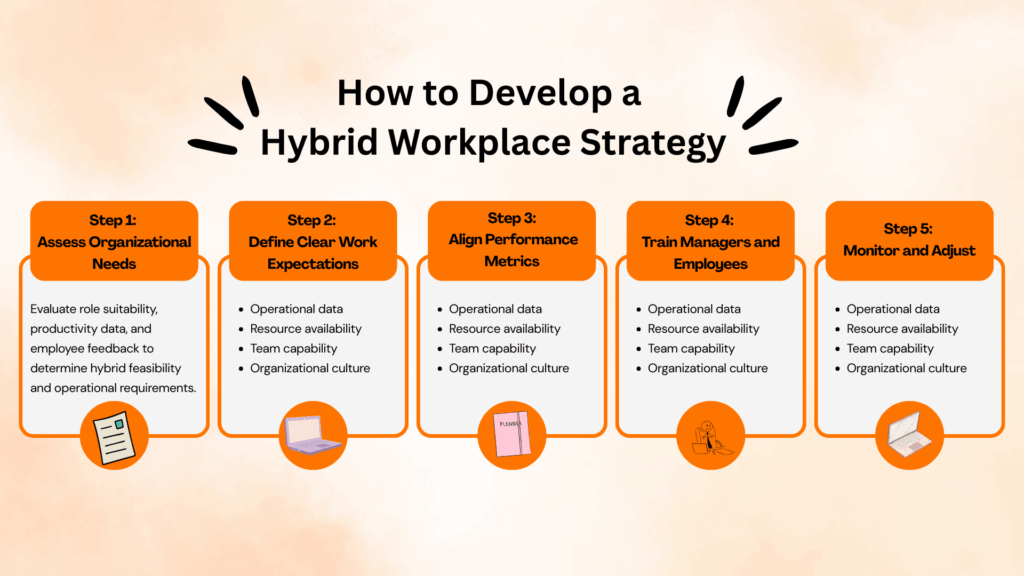
Building a hybrid workplace strategy requires a structured, evidence-based approach rather than reactive decision-making.
Here are the key steps to develop one effectively:
Step 1: Assess Organizational Needs
Begin by analyzing which roles are suitable for remote or hybrid work.
Review existing productivity data and collect employee feedback through structured surveys.
This assessment provides the foundation for all subsequent decisions and ensures the strategy reflects actual operational requirements rather than assumptions.
Step 2: Define Clear Work Expectations
Establish core working hours, meeting protocols, and availability standards across all teams.
Clearly documented expectations eliminate ambiguity and ensure remote and on-site employees operate under consistent guidelines, reducing the risk of miscommunication or unequal treatment within distributed work environments.
Step 3: Align Performance Metrics
Shift evaluation from attendance-based to output-focused KPIs.
Define team performance indicators and individual accountability measures that apply equally to all employees, regardless of location.
Clear metrics ensure fair assessment and maintain productivity standards across both remote and in-office work arrangements.
Step 4: Train Managers and Employees
Equip managers with remote leadership skills and digital collaboration practices. Employees should also receive training on communication standards and platform usage.
Consistent training across all levels reduces operational friction and ensures the hybrid model is executed effectively from leadership down to individual contributors.
Step 5: Monitor and Adjust
Conduct quarterly performance reviews and regularly track engagement data. Use findings to update policies and address emerging gaps.
A hybrid strategy should remain dynamic, evolving alongside business needs, workforce changes, and performance outcomes rather than remaining static after initial implementation.
Pro Tip: Treat your hybrid workplace strategy as a living document. Schedule formal review cycles, involve team leads in feedback collection, and update policies as workforce needs and business priorities shift.
Common Challenges in Hybrid Workplace Strategy
Adopting a hybrid workplace model introduces structural risks when policies are unclear or inconsistently applied across teams.
Below are the most common challenges organizations face:
- Communication Gaps: Remote and on-site employees receive information unevenly, creating silos and meeting inequality.
- Proximity Bias: Managers may unconsciously favor visible in-office employees, limiting career growth for remote workers.
- Collaboration Imbalance: Reduced spontaneous interaction and over-reliance on digital tools weaken team cohesion over time.
- Data Security and Workplace Risks: Remote setups may expose organizations to compliance concerns, including unmanaged devices, unsecured networks, and potentially unsafe working conditions within home workspaces.
- Policy Inconsistency: Unclear or unevenly enforced guidelines create confusion and erode trust across distributed teams.
Recognizing these challenges early allows organizations to build targeted safeguards into their hybrid workplace model before they escalate into larger operational or cultural problems.
Measuring the Success of a Hybrid Workplace
Success in a hybrid workplace strategy is measured through consistent, data-driven indicators rather than assumptions or surface-level observations.
Organizations should track output per employee, project completion rates, and retention figures to assess real performance.
Engagement survey results reveal workforce satisfaction, while promotion patterns and compensation data highlight equity across remote and in-office teams.
Monitoring office space cost reductions adds a financial dimension to evaluation.
Together, these metrics provide a complete picture of whether the strategy is delivering measurable, sustainable results.
Conclusion
A hybrid workplace strategy is more than a scheduling decision; it is a deliberate framework that shapes how performance, accountability, culture, and communication function across locations.
When clearly defined, it aligns leadership practices, measurable outcomes, technology systems, and policy standards into one coordinated model.
When poorly structured, it creates bias, confusion, and uneven employee experiences.
The strength of hybrid work lies in intentional design, continuous monitoring, and consistent evaluation rather than informal flexibility.
Organizations that treat their hybrid workplace strategy as a living system are better positioned to maintain productivity, equity, and engagement over time.
What has worked within your organization’s hybrid model? Share your experience or key takeaway below.
Frequently Asked Questions
How Should Hybrid Work be Designed to Ensure Employee Well-being and Psychological Safety?
Hybrid and remote work should include clear expectations, fair workload distribution, structured communication, mental health support, inclusive meeting practices, and outcome-based evaluation to reduce bias, prevent isolation, and create a safe environment for open dialogue.
What are the 5 C’s of Hybrid Working?
The 5 C’s of hybrid working are Communication, Coordination, Collaboration, Culture, and Consistency, ensuring teams stay aligned, engaged, accountable, and connected across remote and in-office environments.
What are the Four Principles to Ensure Hybrid Work is Productive Work?
The four principles typically include clarity of goals, outcome-based performance measurement, consistent communication standards, and equitable access to opportunities and information for both remote and in-office employees.